

 Peržiūrėti realaus dydžio版
 Siųsti
 Dalintis
 Išsamiau
 Vadovas

 Atsisiųsti
 Panašūs eksponatai
 Rentgeno spindulių nuotrauka
 Diaporama
 Statistika
justice


 Rodyti daugiau
Rankų darbo aliejinės reprodukcijos
Rankiniu būdu tapytas aliejus ant droblio jūsų pageidaujamame dydį ir rėmuose – mūsų menininkų darbas pagal užsakymą. ( Perjungti į spausdinimą Perejti prie skaitmeninių vaizdų)




P118B €10

P118H €10

P118W €10

P438Z €10

P508JH €12

P508YH €12

P805H €10

P805Z €10

P919BZ €10

P919G €10

P919XJ €10

P959ZH €10

P968JZ €12

W106C €8

W218G €10

W218JH €8

W218Y €10

W307PJ €10

W316G €10

W316PJ €8

W316Y €10

W398PJ €8

W4111J €10

W500HY €15

W500JH €15

W692G €12

W849H €8

W940BG €15

W953PJ €8




Pasirinkite iš mūsų nustatytų dydžių, atitinkančių originalaus meno kūrinio proporcijas.

Įveskite jums reikiamą plotį ir aukštį, kad paveikslas atitiktų jūsų rėmą ar sieną. Kadangi šis darbas yra rankinio darbo, siekiant išgauti kitokio formos dydį, paveikslas gali būti šiek tiek didesnis (nuo kraštų bus palikta daugiau erdvės) arba mažesnis – pasirinkite jums patogiausią variantą. Prieš pradedant tapyti, atsiųsime jums skaitmeninį maketą patvirtinimui. Šioje puslapio nuotraukoje matomas vaizdas nėra galutinis rezultatas – jį parodys tik sukurtas maketas.
Gavus užsakymą, OriginalUniqueArt.com komanda susisieks su klientu el. paštu dėl instrukcijų ir pateiks maketo pavyzdį
Pristatymas visame pasaulyje () per 3–4 savaites, o ne įprastai – per 5 savaites. (22 spalis). Kokybė lieka nepakeičiama.

Nemokamas greitasis pristatymas visame pasaulyje

Aukštos kokybės lininis drobė

Pilnas siuntimo draudimas

Muitinės mokesčių grąžinimo garantija

Tikro spalvų atitikimo garantija

100 dienų grąžinimo politika (tik esant įtaigoms)

100% pinigų grąžinimo garantija

Nuolaida dideliems užsakymams
 Stiklo variantas prieinamas tik pasirinkus dydį iki 110 cm

justice
Reprodukcijos technika
Reprodukcijos dydis
-


Visų pasirinktų variantų kaina
€ 263
The Weight of Justice: Giotto’s Vision in “Justice”
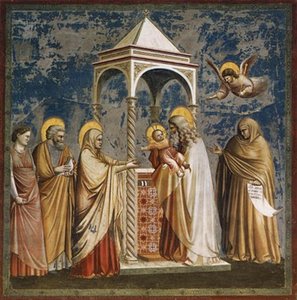
Giotto di Bondone's "Justice," painted circa 1305, isn’t merely a portrait; it’s a profound meditation on moral order and the very foundations of society. Emerging from his workshop in Padua, this fresco—now meticulously reproduced as a stunning oil painting by OriginalUniqueArt—captures a pivotal moment in art history: the Proto-Renaissance, where Giotto began to dismantle the rigid conventions of Byzantine iconography and embrace a more humanistic, emotionally resonant style. The image depicts a seated woman, embodying Justice herself, rendered with an unprecedented sense of realism and psychological depth that would define the Renaissance aesthetic. She’s not a distant, ethereal figure but a powerfully grounded presence, radiating authority yet imbued with a quiet dignity.
The composition is strikingly formal, echoing the architectural grandeur of the Arena Chapel where it resides. The woman sits within an ornate niche, reminiscent of Gothic architecture, its arches and columns framing her like a sacred space. Below her, a decorative frieze—a series of small sculpted figures—adds layers of symbolic detail, hinting at the consequences of both righteous action and unjust behavior. The careful use of lines – sharp angles defining the architectural elements, flowing curves in the drapery – creates a sense of stability and structure, reflecting the underlying order Giotto sought to convey. The palette is restrained, dominated by earthy tones—ochres, browns, and deep reds—that lend the scene an air of solemnity and gravitas.
A Study in Symbolism
Giotto’s genius lies not just in his technical skill but in his masterful deployment of symbolism. The woman herself is a complex figure, representing Justice as both a legal principle and a moral ideal. Her crown and regal attire signify her authority, while the scales she holds represent the weighing of evidence—the careful consideration required to render true justice. Crucially, Giotto doesn’t depict Justice as an abstract concept; he humanizes her, imbuing her with a palpable sense of empathy and responsibility. The inclusion of figures representing both virtue and vice beneath her throne underscores the ongoing struggle between good and evil that defines the human condition.
The architectural setting is equally laden with meaning. The niche itself can be interpreted as a representation of divine judgment, while the sculpted frieze below serves as a visual reminder of the consequences of actions—rewards for virtue and punishments for vice. Notably, Giotto’s depiction of Justice aligns closely with earlier medieval representations of the concept, but he elevates it through his newfound realism and emotional intensity. The figures are no longer stylized icons; they possess individual characteristics and expressions, inviting viewers to connect with them on a deeper level.
The Proto-Renaissance Breakthrough
“Justice” stands as a cornerstone of Giotto’s revolutionary approach to painting. He moved decisively away from the flattened perspectives and symbolic abstractions of Byzantine art, embracing instead a more naturalistic representation of space and form. This shift is evident in the way he renders the folds of the woman's clothing, the subtle modeling of her face, and the sense of depth created by the architectural setting. Giotto’s innovations—his use of light and shadow to create volume, his attention to anatomical detail, and his ability to convey emotion through gesture—laid the groundwork for the High Renaissance and profoundly influenced generations of artists to come.
The fresco's influence extends beyond its aesthetic qualities; it represents a fundamental shift in artistic philosophy. Giotto sought to capture not just the outward appearance of his subjects but also their inner lives, reflecting a growing interest in human psychology that would characterize the Renaissance. His work signaled a move towards portraying humanity with dignity and complexity—a departure from the more didactic and symbolic approach of medieval art.
Bringing “Justice” Home
Today, OriginalUniqueArt’s meticulously crafted oil reproduction captures the essence of Giotto's masterpiece with breathtaking fidelity. Each brushstroke faithfully recreates the fresco’s rich textures and nuanced colors, allowing you to experience the profound beauty and intellectual depth of this iconic work of art. Whether adorning a grand salon or a smaller study, “Justice” serves as a timeless reminder of the enduring power of art to illuminate our understanding of morality, justice, and the human condition.
- Explore high-quality reproductions at OriginalUniqueArt
问答 (or more naturally for a website heading): Klausimai ir atsakymai
Kur rekomenduojama eksponuoti „justice“ Tall formatą?
„justice“, autorius – Džotas Di Bondonė formatas Tall rekomenduojamas Living Room erdvėje. Formatas ir erdvė kartu padeda tinkamai išdėsti reprodukciją.
Kokią paletę ir kokią emociją sujungia „justice“?
Kūrynom šiame darbe „justice“, Neutrals spalvos lydi Reflective pojūtį.
Koks yra „justice“ formatas?
„justice“ formatas yra Tall. Tai padeda planuojant, kur būtų patalpinta reprodukcija.
Autoriaus biografija
Džotas di Bondone: Viduramžių Pabaigos ir Renesanso Pradžios Vizionierius
Gimė maždaug 1267 metais Toskanos kalvose, netoli Florencijos, Giotto di Bondone tapo neeiliniu figūru – tiltu tarp viduramžių dailės konvencijų ir atsirandančio Renesanso. Legenda pasakoja apie jauno piemienio, piešusio stulbinančiai tikroviškas avis ant akmenų, talentą, kuris patraukė Florencijos meistro Čimabujės dėmesį. Ar tai tiesa, ar mitas, ši istorija puikiai atspindi Giotto genialumą – įgimtą gebėjimą užfiksuoti gamtos pasaulį beprecedenčiu realizmu ir emociniu gyliu. Tapęs Čimabujės mokininku, Giotto netrukus pralenkė savo mokytoją, ne tik įvaldydamas amato subtilumus, bet ir sukūręs savą, unikalią kryptį.
Tomo valdymo laikotarčiai buvo dominuojami Bizantijos stiliaus, kurio figūros buvo stilizuotos, perspektyva plokščia, o fonai – prabangūs auksiniai. Tai simbolizavo dvasinį transcendentumą, o ne žemišką atitikmenį. Giotto siekė vaizduoti žmoniją ne kaip eteriškus idealus, bet kaip jausmais įkrautus individus, egzistuojančius apčiuopiamose erdvėse. Jo meno revoliucija nebuvo staigus perversmas, o palaipsninis vystymasis. Ankstyvieji darbai jau rodė poslinkį link didesnio dėmesio tūriui, svoriui ir patikimajai anatomijai. Jis ėmė stebėti šviesą ir šešėlį ne tik kaip dekoratyvius elementus, bet ir kaip priemones formoms skulptuoti bei sukelti gylį. Šis gimstantis natūralizmas matomas jo įnašui į Šv. Pranciškaus Asyžiečio aukštutinės bazilikos freskas – nors autentiškumas tebėra diskutuojamas, daugelio mokslininkų nuomone, Giotto ranka atpažįstama scenose, kuriose pastebimas ryškus nutolimas nuo įprastos Bizantijos estetikos.
Arena Koplyčios Freskos: Pasakojimo Simfonija
Giotto šedevras, ir vienas svarbiausių Vakarų meno darbų, yra Arena koplyčioje (dar žinoma kaip Scrovegni koplyčia) Padujoje esančių freskų ciklas. Baigtas maždaug 1305 metais, šis kvapą atima serija vaizduoja Kristaus ir Mergelės Marijos gyvenimą su revoliuciniu realizmu ir emociniu intensyvumu. Kiekvienas epizodas išsiskleidžia kaip kruopščiai pastatyta drama, kuriame figūros nėra tik religinių archetipų atvaizdai, bet visiškai atsiskleidę žmonės, patiriantys džiaugsmą, kančią, baimę ir vilties. *Paskutinis Teisimas*, užimantis visą sieną, yra galingas liudijimas Giotto įgūdžių perteikti tiek dievišką didybę, tiek žmogiškos pažeidžiamumo šiurulių realumą. Perspektyvos naudojimas, nors ir ne matematiškai tikslus pagal vėlesnius Renesanso standartus, sukuria įtikinį gylio ir erdvės iliuziją, paversdama žiūrovą pasakojimo dalimi. Figūros yra pagrįstos, jų kūnai turi svorio ir tūrio, o išraiškos perteikia emocijų spektrą, anksčiau nematytą religinėje mene.
Architektūra ir Palikimas: Renesanso Sėklų Pasėjimas
Giotto talentai neapsiribojo tapybos sfera; jis buvo gerbiamas architektas. 1334 metais jam buvo patikėti Florencijos katedros (Duomo) varpinės (Campanile) projektavimo darbai – iniciatyva, kuri parodė jo naujovišką požiūrį į architektūrines formas. Nors mirė prieš baigiant darbą, jo projektai padėjo pagrindas šiam ikoniniam Florencijos paminklui. Jo įtaka vėlesnėms kartoms menininkų yra neįvertinama. Jis užpildė tarpą tarp viduramžių ir Renesanso pasaulių, atverdamas kelią tokiems meistrams kaip Masacciu, Leonardas da Vinčis ir Mikelandželas. Vasaris savo reikšmingajame kūrinyje *Menininkų gyvenimai* paskelbė Giotto „duodant tapybai didingą mokymą vaizduoti dalykus iš gyvenimo“, tai yra liudijimas jo gilaus įtakos Vakarų meno eigai. Giotto ne tik piešė pasaulį; jis siekė jį suprasti, sugauti jo esmę ir perteikti šį supratimą vizualinės pasakojimo galia. Jo palikimas tebemina nuostabą ir gerbtumą praėjus šimtams metų po mirties, patvirtindamas jo vietą kaip vieno iš didžiausių istorijos meninių naujovių.
Pagrindiniai Pasiekimai ir Palikimas
- Meno Revoliucija: Atsisako nuo Bizantijos stilizacijos ir pereina prie natūralizmo bei emocinio realizmo.
- Perspektyvos Pionierius: Pristato priemonę sukurti gylį ir erdvinį suvokimą paveiksluose.
- Meistriškas Pasakojimas: Sukuria įtikinamus pasakojimus freskų cikluose, pavyzdžiui, Arena koplyčioje.
- Architektūriniai Indėliai: Projektavo Florencijos katedros varpinę (Campanile), demonstruodamas architektūrinius gebėjimus.
- Pagrindas Renesanso Menui: Jo darbai padėjo pagrindus Renesanso periodo meniniams pasiekimams.

Džotas Di Bondonė
1267 - 1337 , Italija
Trumpa informacija apie kūrėją
- Artistic Movement Or Style: Proto-Renesansas
- Artists Or Movements Influenced By This Artist:
- Masaccio
- Renesanso menas
- Artists Who Influenced This Artist: ['Čimabujė']
- Date Of Birth: apie 1267 m.
- Date Of Death: 1337 m.
- Full Name: Giotto di Bondone
- Nationality: Italijos
- Notable Artworks:
- Scrovegni koplyčia
- Ognissanti Madona
- Campanile
- Place Of Birth: Florencija, Italija
Susiję straipsniai
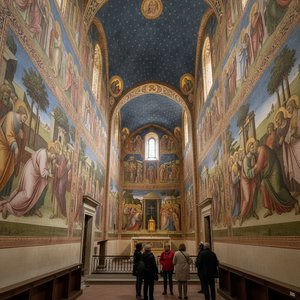
The Proto-Renaissance Revolution: How Giotto Shattered the Mold to Create Modern Visual Impact
Discover how the Proto-Renaissance shattered artistic norms. Explore Giotto’s revolutionary shift from flat Byzantine icons to raw human emotion and naturalism—the true origin of modern visual impact and storytelling in art history.

Gothic Vibes: From Dark Shadows to Bold Modern Edge | The Ultimate Trend Forecast
Explore the evolution of Gothic vibes, from historical shadows to bold modern edge. Discover how dark aesthetics, noir interiors, and contemporary subcultures are redefining modern design through a high-impact, trend-focused lens.
Proto-Renaissance Masters: 10 Artworks That Changed History | OriginalUniqueArt
Journey back to the dawn of Renaissance art! Explore 10 iconic Proto-Renaissance masterpieces by Giotto, Cimabue & Duccio. Discover their stories, techniques & lasting impact. Find museum-quality reproductions for your home at OriginalUniqueArt.com
Giotto di Bondone: 25 Šedevrai, Įkvėpę Renesansą | Tapyba Jūsų Interjerui
Atraskite 25 įspūdingiausius Giotto di Bondone šedevrus! Sužinokite apie Renesanso tapybą, freskas ir meno istoriją. Meno reprodukcijos jūsų interjerui – OriginalUniqueArt.com.
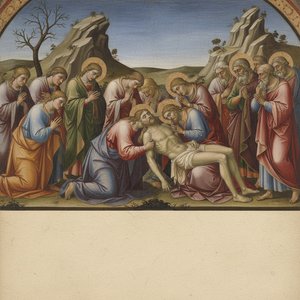
Giotto di Bondone: Revolutionizing Late Medieval Painting through Narrative Innovation
Explore the revolutionary art of Giotto di Bondone! Discover his groundbreaking techniques, iconic frescoes like those in the Arena Chapel, and lasting impact on Renaissance painting. A deep dive for art enthusiasts.




![Scrovegni - [05] - Jokimo sapnas](/media/artworks/images-thumb/8f/67/8f67bb5da87296bd452b3f0b237b528d.jpg)


