Northern Renaissance · 1598
Forest Landscape (Gillis Van Coninxloo, 1598)
Gillis Van Coninxloo (1544–1607) sukūrė Forest Landscape. Šis kūrinys datuojamas 1598 m. Šis kūrinys priklaulo Northern Renaissance kieruliui. Pagaminta naudojant Oil On Panel. Eksponatas saugomas Liechtenstein Museum Viena, Austrija. Dimensijos – 42 × 61 cm.
- 1598
- Oil On Panel
- 42 × 61 cm
- Liechtenstein Museum, Viena

 Peržiūrėti realaus dydžio版

 Rankinio darbo aliejinės imitacijos paveikslas
 Pasidalinti
 Dalintis
 Informacinė l lapelė


 Atsisiųsti
 Panašūs eksponatai
 Rentgeno spindulių nuotrauka
 Automatinė diorama
 问答

 Statistika
Forest Landscape, trumpai
- Pavadinimas
- Forest Landscape
- Autorius
- Gillis Van Coninxloo (1544–1607)
- Dizainere/is gimęs
- Antverpenas, Belgija
- Data
- 1598
- Mediumas
- Oil On Panel
- Matmenys
- 42 × 61 cm
- Kur galima pamatyti
- Liechtenstein Museum, Viena, Austrija
- Judėjimas
- Northern Renaissance
- Laikotarpis
- Early Modern
- Tema
- forest landscape, dark woods, path, village view, atmospheric, tranquility
Ką vaizduoja Forest Landscape?
Identification of the Forest Landscape Artwork
The artwork titled Forest Landscape is a painting by the Flemish artist Gillis Van Coninxloo. Executed in 1598, this work is an oil on panel. The physical dimensions of the piece are 42 x 61 cm. It is currently held within the Liechtenstein Museum in Vienna, Austria.
This specific composition depicts a dense woodland environment. The scene features a winding path that leads into a thicket of trees. The foliage consists of various shades of green, while the trunks and branches create a heavy canopy overhead. In the background, a small village is visible through the gaps in the trees, providing a sense of distance within the forest setting.
The subject matter focuses on the natural world, specifically the textures of bark, leaves, and moss. A single, small human figure is positioned beneath a tree within the landscape. The composition utilizes a dark palette of browns, greens, and ochres to define the wooded area. Light filters through the upper branches, creating a contrast between the shadowed recesses of the undergrowth and the illuminated patches of the clearing.
Composition and Visual Elements
The composition is largely symmetrical, organized around a winding path that leads the eye toward the center of the image. This path cuts through a dense woodland, where the trunks and branches of trees intertwine to form a thick canopy overhead. Only a few small patches of sky are visible through the gaps in the foliage. Within this enclosed space, a single tiny human figure reclines beneath a tree, positioned near the center of the scene. The scale of the trees and the surrounding undergrowth dwarfs the figure, emphasizing the vastness of the natural environment.
Color is concentrated in the various hues of green found in the leaves and the mossy textures of the forest floor. These greens contrast with the dark browns and ochres of the tree trunks and the earth. In the background, a small village is visible through the trees, providing a sense of distance and depth. The lighting creates a chiaroscuro effect, with strong contrasts between the deep shadows of the thickets and the light that filters through the canopy onto the path and the reclining figure.
Technique and Artistic Style
The artist utilized oil on panel to establish a sense of depth and a tangible texture across the surface. The application of paint likely involves multiple layers and glazing, a method used to achieve a specific luminosity within the darker sections of the composition. This technique allows light to appear as though it is filtering through the canopy, creating a chiaroscuro effect through the deliberate placement of light and shadow. The resulting atmosphere is defined by a palette of dark colors and a high degree of intricate detail.
The composition is built upon a dense arrangement of ancient oaks and thick undergrowth. There is a clear priority placed on the textural richness of the natural elements, specifically the bark of the trees, the individual leaves, and the presence of moss. These organic forms are rendered with meticulous care, contributing to the overall density of the woodland scene. The interplay of light and shadow defines the verticality of the trunks and the irregular shapes of the foliage, emphasizing the physical presence of the forest environment.
Artistic Influence and Legacy
Gillis Van Coninxloo occupied a central position in the evolution of Northern landscape art. His technical approach functioned as a bridge between the intricate traditions of Mannerism and the atmospheric depth characteristic of the early Baroque. Through his development of the forest landscape, he moved away from panoramic vistas toward intimate, enclosed woodland scenes. This shift prioritized the textural details of bark, leaves, and moss, often submerging small human figures within an expansive, detailed natural environment.
The influence of his method extended to several prominent painters of the period. Jan Brueghel the Elder and Pieter Schoubroeck were among those affected by his stylistic developments. His approach to dense, immersive woodland compositions also impacted the work of Roeland Savery and various other Flemish and Dutch landscape painters. This specific work, created about 1598, represents his technical skill and craftsmanship in rendering the natural world.
Kuriame muziejuje eksponuojamas karya Forest Landscape?
Liechtenstein Museum
Viena, Austrija
Vienos baroko prachtės juvelė Įsikūręs istorinės Vienos Ringstraße arterijos šimtimi, Liechtenšteino muziejus slepia aplinką, kuri pati yra tiek pat meno šedevras, kiek ir tos brangybės, kurias ji saugo. Įsikūręs magnifice palatiuje „Palais Liechtenstein“, muziejus kviečia į pasinerimą į aristokratiško elegancijos sielą ir gilią Liechtenšteino šeimos palikimą. Artimiesiems prie šio rūngų pastato, lankytojus sutinka praėjusio laikotarpio architektūrinis didžiarmagis, kur kiekviena auksuotas briauna ir grandingos laiptinės šnabžda istorijas apie imperatorišką prestižą.


Forest Landscape dididraudžios kokybės vaizdai

Viešoji domenė: suregalis mirė 1607 m.
Kiti dydžiai, iškarai ir citavimo informacija →Gillis Van Coninxloo, Forest Landscape (1598), Liechtenstein Museum. Viešoji domenė.
Atsakimai į klausimus apie Forest Landscape
Kur šiandien galima pamatyti kūrinį „Forest Landscape“ – Gillis Van Coninxloo?
Kūrinys „Forest Landscape“ – Gillis Van Coninxloo rodomas Liechtenstein Museum, Viena, Austrija. Muziejaus informacija nuoroda į originalą, o ne į reprodukciją.
Kokia yra „Forest Landscape“ – Gillis Van Coninxloo kūrybos data?
„Forest Landscape“ – Gillis Van Coninxloo sukurtas 1598 m.
Kokia technika buvo panaudota kūriniam darbui „Forest Landscape“ – Gillis Van Coninxloo?
Gillis Van Coninxloo kūriniui „Forest Landscape“ panaudojo Oil On Panel techniką. Ši technika apibrėžė originalaus kūrinio medžiaginę prigimtį.
Kokie yra „Forest Landscape“ – Gillis Van Coninxloo realūs matmenys?
Originalaus dydžio kūrinys „Forest Landscape“ yra 42 x 61 cm. Originalūs matmenys padeda lengviau išsirinkti tinkamą reprodukcijos dydį.
Kas yra „Forest Landscape“?
Darbos „Forest Landscape“ temos yra forest landscape, dark woods, path, village view, atmospheric, tranquility, nature scene, 16th century.
Ar „Forest Landscape“ yra viešosios teisės kūrinys?
Kalbant apie autorišką teisę, „Forest Landscape“ yra yra viešosios erdvės dalis – jo autorinė teisė pasibaigusi.
Kas sukūrė „Forest Landscape“?
„Forest Landscape“ kūrybinį darbą sukūrė Gillis Van Coninxloo. Šioje puslapio informacijoje aprašomas Gillis Van Coninxloo originalus kūrinys.
Kokiam stiliui priklauso „Forest Landscape“?
„Forest Landscape“ yra Northern Renaissance stiliaus kūrinys. Šis dailos kryptis nurodo meninę tradiciją, kurios šis darbas yra dalis.
Kokio Gillis Van Coninxloo kūrybos etapo dalis yra „Forest Landscape“?
Gillis Van Coninxloo kūrybos enceklopedijoje kūrinys „Forest Landscape“ priskiriamas Late 16th Century laikotarpiui. Šis etapas leidžia palyginti jį su kitais šio autoriaus kūriniais.
Apie šį menininką, Gillis Van Coninxloo
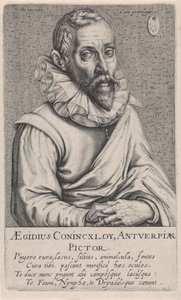
1544–1607, Belgija
Gillis Van Coninxloo
A Master of the Verdant Realm Gillis van Coninxloo stands as a pivotal figure in the evolution of Northern landscape art, serving as a vital bridge between the intricate Mannerist traditions and the burgeoning atmospheric depth of the early Baroque. Born in Antwerp, Belgium, his life was deeply intertwined with the rich artistic lineage of the Low Countries. The son of a painter, he was immersed in a world where craftsmanship and natural observation were paramount. His early training under masters such as Pieter Coecke van Aelst the Younger and Lenaert Kroes provided him with a rigorous foundation, but it was his time working in the workshop of Gillis Mostaert that truly allowed his talent to flourish, permitting him to contribute to professional works while honing his unique vision.
Apie Gillis Van Coninxloo Žinomiausi Gillis Van Coninxloo darbai
Taip pat Gillis Van Coninxloo darbai
 Jonah Preaching to the Ninevites1583
 Woodland with Saint Jerome1583
 Landscape with the judgment of Midas1598
 Landscape with the Judgement of Paris1610
Esdai apie Forest Landscape
 French Barbizon paintersMasterpieces by Théodore Rousseau and Daubigny define the Barbizon School. Explore the full collection online at OriginalUniqueArt.com.
 Enchanted Woodlands: 10 Masterpieces That Capture the Magic of the ForestExplore iconic forest art by Shishkin, Klimt, and Van Gogh. Discover museum-quality masterpieces on OriginalUniqueArt.com.
 Mastering the Horizon: An Art Historian’s Guide to the World's Most Iconic Landscape PaintingsExplore the profound history of landscape painting with our expert guide. From Impressionist light to Chinese traditions, discover the tech…