 Peržiūrėti realaus dydžio版

 Pasidalinti
 Dalintis
 Išsamiau
 Vadovas


 Atsisiųsti
 Panašūs eksponatai
 Rentgeno spindulių nuotrauka
 Automatinė diorama
 问答
 Statistika
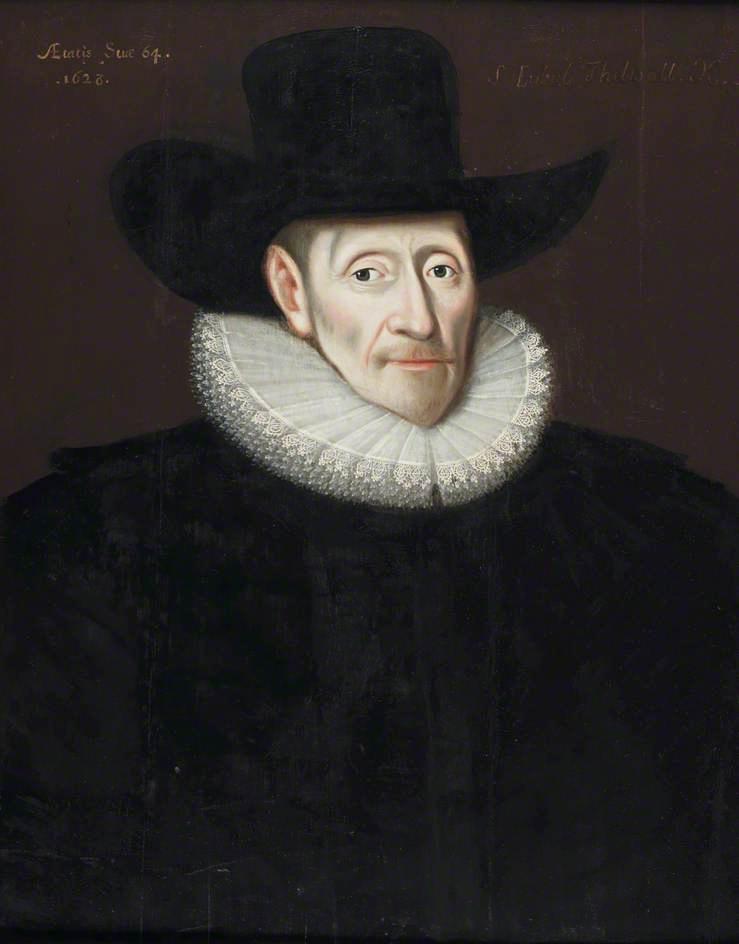
Eubule Thelwall


 Skaityti daugiau
Gaukite spausdinimui paruoštą failą, kurio kokybė gerokai viršija internetinę peržiūrą. Kiekvienas mūsų parduodamas skaitmeninis vaizdas yra ištrauktas iš aukštos raiškos pagrindinio failo mūsų duomenų bazėje — paprastai jis siekia nuo 5 000 iki 15 000 pikselių plotio — todėl galite drąsiai spausdinti didelius formatus, apkirpti vaizdą ar reprodukcija užtikrins visas smulkias detales.
Mūsų studijoje nė viena kopija nelieka neapdorota. Skaitmeninio vaizdo ekspertas, lygiu su originaliu paveikslu, patikrina spalvas ir, jei reikia, jas koreguoja, o tada profesionaliais retušavimo įrankiais padidina aiškumą bei detales — visada išlaikydamas ištikimybę autoriaus teptuko traukoms ir stiliui. Rezultatas – vaizdas, kuris atrodo kaip tikras paveikslas, o ne kaip su filtrais apdorotas skenavimas.
Patvirtinate prieš užsakymo pabaigą: mūsų ekspertas per 72 valandas el. laišku atsiųsta vaizdą jūsų peržiūrai. Nepasitenkinate rezultatu? Paprašykite patobulinimų ar pataisymų arba prašykite pinigų grąžinimo, jei kokybė neatitinka jūsų lūkesčių.
Ši kokybė yra patikima leidybos įstaigoms, dizaino studijoms, galerijoms ir spaudos įmonėms.
Skaitmeninis vaizdas
Atsisiųskite didelės raiškos failą asmeniniam naudojimui, spausdinimui ir kūrybiniams projektams. ( Perjungti į spausdinamus版作品 Pirkti rankų darbo tapybą)
Kiekvieną skaitinio vaizdo užsakymą papildė
Profesionalus skaitmeninis vaizdų pristatymas, garantuotas
Pasirinkę OriginalUniqueArt.com, jūs ne tik gaunate paveikslėlį – jūs gaunate profesionaliai patobudintą skaitmeninį kūrinį, sukurtą itin tikniai ir užtikrinantį pasitenkinimą. Štai viską, kas automatiškai pritékia jūsų užsakymui:

Greitas pristatymas el. paštu
Jūsų aukštos raiškos skaitmeninis vaizdo failas bus išsiųstas el. paštu per 72 valandas nuo užsakymo – jis bus paruoštas naudoti be jokių papildomų veiksmų.

Dirbtiniu intelektu tobulintas skaitmeninis failas
Jūsų meno kūrinys profesionaliai optimizuojamas naudojant pažangius dirbtinio intelekto įrankius ir rankinį redagavimą, užtikrinant maksimalią detalę, aiškumą ir spalvų tikslumą.

Nemokamas visam laikui pakartotinis siuntimas
Atsitiktinai ištrytikote ar praradote savo failą? Nebijokite – bet kuriuo metu atsiųsime jį jums vėl nemokamai.

Jokio importo mokesčio – niekada
Mėgaukitės savo meno kūrynu be jokių muitinės mokesčių, įkainų ar pristatymo išlaidų – skaitiniai failai visada yra neapmokestinami.

Spalvų tikslumo garantija
Naudodami profesionalią įrangą ir spalvų valdymo sistemas, užtikriname, kad jūsų skaitmeninis vaizdas kuo tiksliau atspindėtų originalias spalvas.

100 dienų patikimumo garantija
Jei nebuvosite patenkinti įsigyto skaitmeninio vaizdo, mes jį tališkai koreguosime arba grąžinsime 100% sumą per 100 dienų – be jokių klausimų.

100% pinigų grąžinimo garantija
Nesitenkinate? Gaukite visą sumokėtą sumą per 100 dienų nuo skaitmeninio failo gavimo – be jokių papildomų klausimų.

Nuolaidos dideliems užsakymams
Pirkti 3 nuotraukas – 10% nuolaida – Pirkti 5 – 15% nuolaida – Pirkti 10 ir daugiau – 20% nuolaida. Puikiai tinka kūrybiniams projektams, galerijoms bei agentūroms.
Autoriaus biografija
A Shadowy Master of the Jacobean Era
In the grand, sweeping narrative of English art history, certain names shine with a flamboyant brilliance that commands immediate attention, such as Rubens or Rembrandt. Yet, tucked within the more subtle folds of the seventeenth century lies the work of Gilbert Jackson, an artist whose presence is felt through a quiet, meticulous elegance rather than theatrical bravado. A figure shrouded in much historical mystery, Jackson remains a somewhat shadowy presence in the annals of portraiture, yet his brushwork offers a profound window into the social and aesthetic sensibilities of the Jacobean and early Caroline periods. While biographical details regarding his early life are sparse, scholarly consensus suggests he was born around 1595 or 1600, likely within the bustling artistic hub of London.
Jackson’s professional identity was anchored in the prestigious traditions of his time. His training, though not documented in specific detail, almost certainly took place under the tutelage of established London masters who were themselves absorbing the stylistic currents flowing from Antwerp and Rome. This exposure allowed him to forge a distinctly English aesthetic—one that balanced European sophistication with a grounded, provincial charm. His membership within the Painter-Stricers' Company further underscores his status as a respected craftsman, committed to the rigorous standards of the London guild system.
The Art of the Provincial Gentry
Unlike many of his contemporaries who sought the fickle patronage of the royal court, Jackson found his true calling among the rising provincial gentry and the professional classes. His oeuvre, consisting of approximately thirty known portraits, serves as a vital historical record of the English social landscape between 1621 and 1640. There is a particular intimacy in his work; he did not merely paint faces, but captured the dignity and burgeoning status of families navigating a period of significant transition in England.
Technically, Jackson’s style is characterized by a fascinating tension between detail and form. He employed a meticulous surface treatment that brought textures—the heavy weave of a doublet, the delicate sheen of lace, or the cold luster of jewelry—to life with remarkable clarity. At the same time, he utilized a subtly flattened perspective that lends his portraits a timeless, almost iconic quality. This approach prevented his subjects from feeling like mere anatomical studies, instead elevating them into symbols of their respective stations.
His notable achievements include several landmark depictions that continue to captivate historians:
- The Portrait of John Belasyse, 1st Baron Belasyse (1621): A masterful early work that showcases his ability to convey aristocratic grandeur.
- Sir Edward Coke (1628): A portrait reflecting the legal and social weight of one of England's most prominent figures.
- Jane Lambert (circa 1632): An exquisite example of his ability to capture feminine grace and textile detail.
- Chief Justice Sir John Bankes (1643): Perhaps his most enduring achievement, this monumental work housed at Kingston Lacy stands as a testament to his technical prowess and his capacity for capturing the gravity of high office.
Legacy and Historical Significance
The career of Gilbert Jackson provides an essential counterpoint to the more famous, high-drama portraiture of the Baroque era. While he may not have sought the international stage, his contribution to the development of a localized, English portrait tradition is immeasurable. Through his eyes, we see the faces of a nation in flux—the lawyers, the landowners, and the local nobility who formed the backbone of the country's social structure.
His work represents a bridge between the stiff, formal traditions of the Elizabethan age and the more fluid, emotive styles that would emerge later in the century. By focusing on the meticulous and the refined, Jackson ensured that even in his relative obscurity, the essence of the Jacobean spirit remained preserved in oil and pigment. To study a Gilbert Jackson portrait is to engage in a quiet dialogue with the past, discovering the dignity of an era through the steady, masterful hand of a true English craftsman.

Gilbert Jackson
1595 - 1643 , England
Trumpa informacija
- Full Name: Gilbert Jackson
- Nationality: English
- Date Of Birth: 1595
- Date Of Death: 1643
- Place Of Birth: England
- Notable Artworks: ['John Belasyse']
- Artistic Movement Or Style: Elizabethan/Jacobean Portraiture
- Artists Who Influenced This Artist:
- Paul van Somer
- Daniel Mytens
- Artists Or Movements Influenced By This Artist: ['Baroque']