

 Peržiūrėti realaus dydžio版
 Siųsti
 Dalintis
 Išsamiau
 Vadovas

 Atsisiųsti
 Panašūs eksponatai
 Rentgeno spindulių nuotrauka
 Diaporama
 Statistika
Street Light
 Oil On Canvas
- WallArt
- Futurism
 1909
1909- Modern
 175.0 x 115.0 cm
 Rodyti daugiau
Šiame puslapyje rodomas meno kūrinys yra saugomas autorių teisių įstatymais, todėl neturime teisės legaliai kurti ar parduoti jo identiškos reprodukcijos. Ši apsauga užtikrinama remiantis tokiais tarptautiniais susitarimais kaip Bernės konvencija ir pagal nacionalines įstatymų nuostatas, įskaitant tas, kurias nurodo JAV autoriškos teisės įstatymas – 17-asis skyrius.
Šis metodas visiškai atitinka autorių teises, nes jame nėra kūrinio kopijavimo ar dubliavimo. Tai yra kūrybinė reinterpretacija – naujas paveikslas, kurį įkvėpė originalas, tačiau kuris nėra jo identiškas.
Giclée / Meno spausdinimas
Muziejų lygio „giclée“ arba drobos spausdinimas: greita gamyba ir lankstios apdailos parinktys. ( Pirkti rankomis tapytą reprodukciją Perejti prie skaitmeninių vaizdų)




P118B €10

P118H €10

P118W €10

P438Z €10

P508JH €12

P508YH €12

P805H €10

P805Z €10

P919BZ €10

P919G €10

P919XJ €10

P959ZH €10

P968JZ €12

W106C €8

W218G €10

W218JH €8

W218Y €10

W307PJ €10

W316G €10

W316PJ €8

W316Y €10

W398PJ €8

W4111J €10

W500HY €15

W500JH €15

W692G €12

W849H €8

W940BG €15

W953PJ €8




Pasirinkite iš mūsų nustatytų dydžių, atitinkančių originalaus meno kūrinio proporcijas.

Įveskite jums reikiamą plotį ir aukštį, kad atvaizdas derėtų prie jūsų rėmo ar sienos. Spausdiną galima tik sumažinti, bet nepadidinti virš originalaus paveikslėlio dydžio, todėl keičiant proporcijas, dalis vaizdo prarandama. Prieš spausdinimą atsiųsime jums skaitmeninį maketą patvirtinimui. Šioje puslapio nuotraukoje matomas pjūvis nėra tikslus – jį rodo tik maketas.
Pristatymas visame pasaulyje () per 2 weeks, o ne įprastas 4/5 savaičių laikotarpis. (23 spalis)

Nemokamas greitasis pristatymas visame pasaulyje

Aukštos kokybės lininis drobė

Pilnas siuntimo draudimas

Muitinės mokesčių grąžinimo garantija

Tikro spalvų atitikimo garantija

100 dienų grąžinimo politika (tik esant įtaigoms)

100% pinigų grąžinimo garantija

Nuolaida dideliems užsakymams
 Stiklo variantas prieinamas tik pasirinkus dydį iki 110 cm

Street Light
Giclée / Meno spausdinimas
Reprodukcijos dydis
-


Visų pasirinktų variantų kaina
€ 70
The Electric Pulse of Modernity: Exploring Balla's "Street Light"
To stand before Giacomo Balla’s Street Light is not merely to observe a depiction of urban illumination; it is to step directly into the exhilarating, breathless rush of early twentieth-century modernity. Painted in 1909, this oil on canvas pulsates with an energy that seems almost electrical, capturing more than just the glow of gaslight—it captures the very spirit of technological acceleration. Balla, a pivotal figure in the burgeoning Futurist movement, understood that speed and industry were not just subjects for art; they were forces reshaping the human experience itself. The painting is a vibrant testament to this belief, transforming a mundane street fixture into a dazzling explosion of captured light.
A Symphony of Movement and Light
Technically, Street Light is a masterclass in visual dynamism. Balla employs techniques reminiscent of Divisionism and pointillism, breaking down the intense luminosity into countless small, energetic strokes of pure color. These brushstrokes do not merely describe light; they construct it. The composition centers around the brilliant source, from which radiating lines burst outward, creating an immersive, almost dizzying circular effect that pulls the viewer deep into the heart of the scene. There is a palpable sense of vibration in the paint itself. While the subject matter—a street lamp—is straightforward, Balla elevates it through his handling of texture and color, making the canvas feel alive, as if one could hear the hum of electricity emanating from the surface.
The Futurist Vision: Speed Made Visible
Contextually, this work is inseparable from the rise of Futurism. This revolutionary Italian movement championed the beauty found in the machine age—the automobile, the train, the electric glow that redefined the nocturnal cityscape. Balla’s fascination lay in visualizing motion itself. In Street Light, he doesn't paint a static light; he paints the *effect* of light moving through time and space. This forward-looking perspective makes the piece profoundly relevant even today. It speaks to our modern obsession with connectivity, energy, and the relentless pace of contemporary life, offering both an echo of history and a mirror to our present.
Symbolism and Emotional Resonance
Beyond its technical brilliance, the painting carries deep symbolic weight. Light, throughout art history, has been a potent symbol—of enlightenment, discovery, or even divine presence. Here, however, Balla anchors that symbolism firmly in the realm of human ingenuity and technological progress. The intense, warm color palette evokes feelings of wonder, excitement, and vibrant urban life. For the collector or designer, this piece offers more than mere decoration; it is an emotional anchor—a burst of controlled chaos that injects intellectual energy into any space. It suggests a celebration of humanity’s relentless drive toward illumination.
Bringing the Glow Home
Owning a reproduction of Street Light allows one to curate not just a painting, but an atmosphere. Whether placed in a modern loft with exposed industrial elements or within a richly decorated salon, its dynamic energy will command attention. The visible texture and the sheer vibrancy of Balla’s technique ensure that the piece remains engaging from every angle, inviting close study while simultaneously commanding admiration from across the room. It is a masterpiece that proves art can capture not just what we see, but how we feel when confronted with the dazzling promise of tomorrow.
问答 (or more naturally for a website heading): Klausimai ir atsakymai
Kas yra „Street Light“ kūrybos autorius?
Kūrinį „Street Light“ sukūrė Džiakomo Bala. Darbas katalogizuojamas Džiakomo Bala vardu.
Į kokį meno kryžminę ir kokį laikotarpį priskiriama „Street Light“, autorius – Džiakomo Bala?
„Street Light“, autorius – Džiakomo Bala priskiriamas Futurism stiliui, kūrėjo prekiaujantem į Modernizmas laikotarpį.
Koks spausdinimo dydis ir orientacija rekomenduojami kūriniui „Street Light“, autorius – Džiakomo Bala?
Rekomenduojama spausdinti „Street Light“, autorius – Džiakomo Bala reprodukciją Large dydį, Portrait formatu.
Autoriaus biografija
Ankstyvas gyvenimas ir ugdymas
- Gimė: Turinas, Italija (liepos 18 d., 1871 m.)
- Mirė: 1958 m.
- Džakomas Bala gimė šeimoje, turinčioje meninių ryšių; jo tėvas buvo fotografas.
- Pradėjo studijuoti muziką iki devynerių metų amžiaus.
- Po tėvo mirties dirbo litografijos spaustuvėje, susidomėdamas vizualiuoju menu.
- Studijavo vietinėse akademijose, vėliau Turino universitete.
- 1895 metais persikėlė į Romą, kur pradėjo dirbti iliustratoriumi, karikatūristu ir portretų tapytoju.
Kūrinių raida ir pagrindiniai meniniai laikotarpiai
- Divisionizmas: Ankstyvieji darbai buvo paveikti divisionizmo, technikos, kurioje naudojami smulkūs grynos spalvos potepiai, kad sukurtų šviesumą. Šis laikotarpis parodė jo susidomėjimą fiksuojant šviesos efektus.
- Futurizmas: Lemingas momentas buvo jo prisijungimas prie futurizmo po to, kai jis susitiko su Filippo Tommaso Marinetti. 1910 metais jis pasirašė Futuristų manifestą.
- Futuristų principai: Balos futuristiniuose darbuose daugiausia dėmesio skiriama šviesos, judėjimo ir greičio vaizdavimui, dažnai įtraukiant abstrakčius elementus. Jis išplėtė futuristinius principus iki baldų dizaino ir drabužių.
- Vėlesnis darbas: Vėliau jis atsiribojo nuo radikalesnių futurizmo aspektų, grįždamas prie tradiciškesnio figūratyvaus stiliaus.
Pagrindiniai darbai ir meninis stilius
- Abstraktus greitis + garsas (Velocità Astratta + Rumore): Svarbus darbas, kuriame tyrinėjamas greitis, simbolizuojamas automobiliu.
- Gatvės žibintas: Pavyzdys jo tyrimų apie šviesą, atmosferą ir judėjimą.
- Dinamiškas šuo su pavadžiu: Pagrindinis kūrinys, demonstruojantis pastangas išreikšti judėjimą tapyboje.
- Boccioni kumštis: Parodo jo darbą kaip skulptorių futuristų judėjime.
- Stilius: Balos stilius evoliucionavo nuo divisionizmo technikų iki dinamiškų ir abstrakčių modernaus gyvenimo judesio, šviesos ir vaizdavimų. Jis naudojo fragmentuotas formas, persidengiančius plokštumus ir ryškias spalvas, kad perteiktų energijos ir greičio pojūtį.
Įtaka ir istorinė reikšmė
- Etienne-Jules Marey: Paveiktas Marey chronofotografinių eksperimentų, kurie užfiksavo judėjimo sėkmingus etapus.
- Filippo Tommaso Marinetti: Futuristų manifestas ir Marinetti idėjos buvo labai svarbios Balos meninei krypčiai.
- Istorinė reikšmė: Kaip vienas iš futuristų judėjimo įkūrėjų, Bala suvaidino gyvybiškai svarbų vaidmenį plėtojant jo estetinę principus ir skatinant jo įtaką įvairiose meno formose. Jo darbas padėjo apibrėžti ankstyvojo XX amžiaus modernizmą ir tebėra švenčiamas dėl novatoriško požiūrio į judesio ir technologijų vaizdavimą.
Palikimas ir pripažinimas
- Narystė: 1935 metais tapo Romos Accademia di San Luca nariu.
- Parodos: Dalyvavo Documenta 1 Kaselyje (1955) ir jo darbai buvo eksponuoti Documenta 8 (1987).
- Muziejų kolekcijos: Jo meno kūriniai laikomi tokiose kolekcijose kaip Albright-Knox Art Gallery, Nacionalinė Švento Lukos akademija Romoje ir Estorick Collection.
- Balos palikimas slypi jo novatoriškame judesio ir dinamiškumo tyrinėjime mene, reikšmingai prisidedant prie futurizmo plėtros ir modernios meninės ekspresijos.

Džiakomo Bala
1871 - 1958 , Italija
Trumpa informacija apie kūrėją
- Gimimo Data: liepos 18 d., 1871
- Gimimo Vieta: Turinas, Italija
- Menininkai, Kuriuos Įtakojo:
- Umberto Boccioni
- Gino Severini
- Meninis Stilius: Futurizmas
- Mirties Data: 1958 m.
- Pilietybė: Italas
- Pilnas Vardas: Giacomo Balla
- Įtakoję Menininkai: ['Etienne-Jules Marey']
- Žymiausi Darbai:
- Abstrakti greitis + garsas
- Gatvės žibintas
- Dinamiškas šuo su pavadžiu
Susiję straipsniai

Oil on Canvas: A Historical & Technical Exploration of a Timeless Artistic Medium
Explore the rich history & enduring techniques of oil painting on canvas. Discover the science behind its longevity, conservation practices, and contemporary relevance. Expert insights for art enthusiasts.

The Enduring Legacy of Oil on Canvas: Technique, History & Aesthetic Impact
Explore the rich history & techniques of oil painting – from Renaissance masters to Impressionism. Discover pigments, layering methods, and why this timeless medium endures. Expert insights for artists & art enthusiasts.

Aliejinės tapybos paveldas drobėje: technika, istorija ir šiuolaikinės praktikos subtilybės
Atraskite aliejinės tapybos paslaptis! Istorija, technika, drobės pasirinkimas ir šiuolaikinė praktika. Patarimai meno kolekcionieriams ir kūrėjams iš ekspertų.
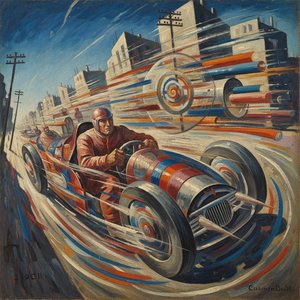
Giacomo Balla: Dynamism, Futurism & the Aesthetic of Speed – A Comprehensive Exploration
Explore the revolutionary art of Giacomo Balla, a key figure in Futurism. Discover his dynamic paintings capturing speed, light & movement. Learn about his techniques, masterpieces & legacy with our comprehensive guide.

The Soul of Impressionism: Why Oil on Canvas Captures Eternal Light and Timeless Emotion
Discover the enchanting alchemy of Impressionism. Explore how the mastery of oil on canvas, through glazing and impasto, captures eternal light and emotion. Perfect for lovers of Monet and Van Gogh seeking the profound depth of hand-painted fine art.
