

 Peržiūrėti realaus dydžio版
 Siųsti
 Dalintis
 Išsamiau
 Vadovas

 Atsisiųsti
 Panašūs eksponatai
 Rentgeno spindulių nuotrauka
 Diaporama
 Statistika
A Worker's Day
 Oil On Canvas
- WallArt
- Futurism
 1904
1904- Modern
 135.0 x 100.0 cm
 Rodyti daugiau
Šiame puslapyje rodomas meno kūrinys yra saugomas autorių teisių įstatymais, todėl neturime teisės legaliai kurti ar parduoti jo identiškos reprodukcijos. Ši apsauga užtikrinama remiantis tokiais tarptautiniais susitarimais kaip Bernės konvencija ir pagal nacionalines įstatymų nuostatas, įskaitant tas, kurias nurodo JAV autoriškos teisės įstatymas – 17-asis skyrius.
Kaip pagarbią ir teisėtą alternatyvą, mes siūlome pagal užsakymą rankomis dažytus paveikslus, įkvėptus originalo. Mūsų įgudę ir profesionalūs menininkai kruopščiai tiria originalo stilių, nuotaiką ir meninę esmę, kad sukurtų naują, unikalią kūrinį, kuris sukelia tą paties jausmą – išlikdamas tuo tarciau originaliu, savarankišku kūrybiniu darbu.
Šis metodas visiškai atitinka autorių teises, nes jame nėra kūrinio kopijavimo ar dubliavimo. Tai yra kūrybinė reinterpretacija – naujas paveikslas, kurį įkvėpė originalas, tačiau kuris nėra jo identiškas.
Rankų darbo aliejinės reprodukcijos
Rankiniu būdu tapytas aliejus ant droblio jūsų pageidaujamame dydį ir rėmuose – mūsų menininkų darbas pagal užsakymą. ( Perjungti į spausdinimą Perejti prie skaitmeninių vaizdų)




P118B €10

P118H €10

P118W €10

P438Z €10

P508JH €12

P508YH €12

P805H €10

P805Z €10

P919BZ €10

P919G €10

P919XJ €10

P959ZH €10

P968JZ €12

W106C €8

W218G €10

W218JH €8

W218Y €10

W307PJ €10

W316G €10

W316PJ €8

W316Y €10

W398PJ €8

W4111J €10

W500HY €15

W500JH €15

W692G €12

W849H €8

W940BG €15

W953PJ €8




Pasirinkite iš mūsų nustatytų dydžių, atitinkančių originalaus meno kūrinio proporcijas.

Type the width and the height you need, to fit your frame or your wall. This is hand-painted, so for a size with a different shape the artist can paint a bit more around the picture, or cut a bit — you choose. We send you a digital mockup to approve before the painting starts. The picture shown on this page does not show the real result — only the mockup does.
Gavus užsakymą, OriginalUniqueArt.com komanda susisieks su klientu el. paštu dėl instrukcijų ir pateiks maketo pavyzdį
Pristatymas visame pasaulyje () per 3–4 savaites, o ne įprastai – per 5 savaites. (14 spalis). Kokybė lieka nepakeičiama.

Nemokamas greitasis pristatymas visame pasaulyje

Aukštos kokybės lininis drobė

Pilnas siuntimo draudimas

Muitinės mokesčių grąžinimo garantija

Tikro spalvų atitikimo garantija

100 dienų grąžinimo politika (tik esant įtaigoms)

100% pinigų grąžinimo garantija

Nuolaida dideliems užsakymams
 Stiklo variantas prieinamas tik pasirinkus dydį iki 110 cm

A Worker's Day
Reprodukcijos technika
Reprodukcijos dydis
-


Visų pasirinktų variantų kaina
€ 260
The Pulse of Progress: A Glimpse into Balla's Urban Symphony
In the heart of the early twentieth century, as the gears of industry began to turn with an unstoppable momentum, Giacomo Balla captured a moment of profound transformation in his masterpiece, "A Worker's Day." Painted in 1904, this evocative oil on canvas serves as a breathtaking window into the burgeoning energy of the modern city. The scene unfolds upon a bustling street where the skeletal structures of buildings under construction rise against the skyline, signaling an era of unprecedented growth and architectural ambition. Through Balla's masterful lens, we do not merely see a construction site; we witness the very heartbeat of urban evolution, where every hammer blow and every passing figure contributes to the grand, unfolding narrative of human progress.
The composition is a masterclass in dynamic tension and rhythmic movement. Balla expertly weaves together the chaotic elements of city life—the steady gait of horses, the purposeful strides of laborers, and the looming presence of new architecture—into a cohesive visual melody. A subtle yet poignant detail resides in the background: a clock mounted upon a wall, its silent ticking serving as a memento mori for the passing of time, even as the world around it rushes toward a futuristic horizon. This interplay between the permanence of time and the fleeting nature of human effort creates a profound emotional resonance, inviting the viewer to contemplate their own place within the relentless march of history.
A Prelude to Futurism: Technique and Light
While Balla would later become a titan of the Futurist movement, "A Worker's Day" reveals the exquisite foundations of his early style, deeply rooted in the luminous techniques of Divisionism. Even before the radical abstractions of speed and light became his hallmark, Balla demonstrated an extraordinary ability to manipulate color and light to evoke atmosphere. By employing delicate, broken strokes of pure pigment, he allows light to dance across the canvas, capturing the dusty, sun-drenched air of a working afternoon. This meticulous approach to texture and luminosity lends the painting a palpable sense of vitality, making the grit and grandeur of the construction site feel almost tangible to the observer.
For the discerning collector or interior designer, this work offers much more than mere decoration; it provides a sophisticated focal point that commands attention through its historical depth and technical brilliance. The palette, rich with the earthy tones of urban industry balanced by the ethereal qualities of natural light, makes it an incredibly versatile piece for high-end environments. Whether placed in a contemporary gallery setting or a classic study, a high-quality reproduction of this work brings with it the spirit of innovation and the timeless allure of the Italian avant-garde. To possess such a piece is to hold a fragment of the moment when the old world began to dissolve into the vibrant, electric energy of the new.
问答 (or more naturally for a website heading): Klausimai ir atsakymai
Kokia pagrindinė spalva dominuoja kūrynije „A Worker's Day“, autorius – Džiakomo Bala?
Per „A Worker's Day“, autorius – Džiakomo Bala bėgioja Golden Yellow Range atspalvis.
Su kokia emocija siejama „A Worker's Day“?
„A Worker's Day“ siejama su Energetic jausmu. Emocinis tonas aprašo įspūdį, kurį sukelia kūrinys.
Kur galiu įsigyti „A Worker's Day“, autorius – Džiakomo Bala spausdinį?
A print of „A Worker's Day“, autorius – Džiakomo Bala can be ordered directly on its Fine Art Print page: aukščiausios kokybės spausdinys ant medžio siuvinėjamų audinių arba archyvinio kanvas tipo popieriaus.
Autoriaus biografija
Ankstyvas gyvenimas ir ugdymas
- Gimė: Turinas, Italija (liepos 18 d., 1871 m.)
- Mirė: 1958 m.
- Džakomas Bala gimė šeimoje, turinčioje meninių ryšių; jo tėvas buvo fotografas.
- Pradėjo studijuoti muziką iki devynerių metų amžiaus.
- Po tėvo mirties dirbo litografijos spaustuvėje, susidomėdamas vizualiuoju menu.
- Studijavo vietinėse akademijose, vėliau Turino universitete.
- 1895 metais persikėlė į Romą, kur pradėjo dirbti iliustratoriumi, karikatūristu ir portretų tapytoju.
Kūrinių raida ir pagrindiniai meniniai laikotarpiai
- Divisionizmas: Ankstyvieji darbai buvo paveikti divisionizmo, technikos, kurioje naudojami smulkūs grynos spalvos potepiai, kad sukurtų šviesumą. Šis laikotarpis parodė jo susidomėjimą fiksuojant šviesos efektus.
- Futurizmas: Lemingas momentas buvo jo prisijungimas prie futurizmo po to, kai jis susitiko su Filippo Tommaso Marinetti. 1910 metais jis pasirašė Futuristų manifestą.
- Futuristų principai: Balos futuristiniuose darbuose daugiausia dėmesio skiriama šviesos, judėjimo ir greičio vaizdavimui, dažnai įtraukiant abstrakčius elementus. Jis išplėtė futuristinius principus iki baldų dizaino ir drabužių.
- Vėlesnis darbas: Vėliau jis atsiribojo nuo radikalesnių futurizmo aspektų, grįždamas prie tradiciškesnio figūratyvaus stiliaus.
Pagrindiniai darbai ir meninis stilius
- Abstraktus greitis + garsas (Velocità Astratta + Rumore): Svarbus darbas, kuriame tyrinėjamas greitis, simbolizuojamas automobiliu.
- Gatvės žibintas: Pavyzdys jo tyrimų apie šviesą, atmosferą ir judėjimą.
- Dinamiškas šuo su pavadžiu: Pagrindinis kūrinys, demonstruojantis pastangas išreikšti judėjimą tapyboje.
- Boccioni kumštis: Parodo jo darbą kaip skulptorių futuristų judėjime.
- Stilius: Balos stilius evoliucionavo nuo divisionizmo technikų iki dinamiškų ir abstrakčių modernaus gyvenimo judesio, šviesos ir vaizdavimų. Jis naudojo fragmentuotas formas, persidengiančius plokštumus ir ryškias spalvas, kad perteiktų energijos ir greičio pojūtį.
Įtaka ir istorinė reikšmė
- Etienne-Jules Marey: Paveiktas Marey chronofotografinių eksperimentų, kurie užfiksavo judėjimo sėkmingus etapus.
- Filippo Tommaso Marinetti: Futuristų manifestas ir Marinetti idėjos buvo labai svarbios Balos meninei krypčiai.
- Istorinė reikšmė: Kaip vienas iš futuristų judėjimo įkūrėjų, Bala suvaidino gyvybiškai svarbų vaidmenį plėtojant jo estetinę principus ir skatinant jo įtaką įvairiose meno formose. Jo darbas padėjo apibrėžti ankstyvojo XX amžiaus modernizmą ir tebėra švenčiamas dėl novatoriško požiūrio į judesio ir technologijų vaizdavimą.
Palikimas ir pripažinimas
- Narystė: 1935 metais tapo Romos Accademia di San Luca nariu.
- Parodos: Dalyvavo Documenta 1 Kaselyje (1955) ir jo darbai buvo eksponuoti Documenta 8 (1987).
- Muziejų kolekcijos: Jo meno kūriniai laikomi tokiose kolekcijose kaip Albright-Knox Art Gallery, Nacionalinė Švento Lukos akademija Romoje ir Estorick Collection.
- Balos palikimas slypi jo novatoriškame judesio ir dinamiškumo tyrinėjime mene, reikšmingai prisidedant prie futurizmo plėtros ir modernios meninės ekspresijos.

Džiakomo Bala
1871 - 1958 , Italija
Trumpa informacija apie kūrėją
- Gimimo Data: liepos 18 d., 1871
- Gimimo Vieta: Turinas, Italija
- Menininkai, Kuriuos Įtakojo:
- Umberto Boccioni
- Gino Severini
- Meninis Stilius: Futurizmas
- Mirties Data: 1958 m.
- Pilietybė: Italas
- Pilnas Vardas: Giacomo Balla
- Įtakoję Menininkai: ['Etienne-Jules Marey']
- Žymiausi Darbai:
- Abstrakti greitis + garsas
- Gatvės žibintas
- Dinamiškas šuo su pavadžiu
Susiję straipsniai
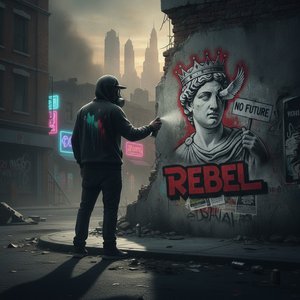
Banksy Unmasked: The Street Art Icon Redefining Modern Rebellion and the Future of Urban Aesthetics
Dive into the subversive world of Banksy. Explore how this street art icon uses stencil rebellion to redefine modern culture, from political satire to high-impact urban aesthetics. Discover the future of pop-culture trends and the evolution of street art as a premium collectible.
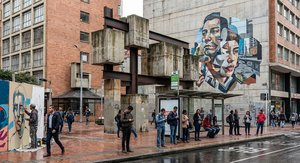
Concrete Narratives: Exploring Urban Life in Modern & Contemporary Art
Explore the evolution of cityscape painting with OriginalUniqueArt. Discover key artists from Realism to contemporary movements & invest in timeless urban visions. Expert guidance, museum-quality reproductions.

Spring Vibes: Bold Pop Art & Street Style Trend Forecast to Refresh Your Urban Space
Level up your space with our Spring Trend Forecast. Discover how bold Pop Art and vibrant Street Style aesthetics can refresh your urban home. From neon accents to graphic murals, explore the high-impact visuals defining this season's hottest interior design trends.

Chalk Art Unlocked: Master the Bold, Dusty Texture of Street & Pop Style
Master the bold, dusty textures of street and pop art. Discover how chalk-inspired aesthetics and high-impact graphic styles are redefining modern urban interiors through tactile pigment and raw, energetic design.
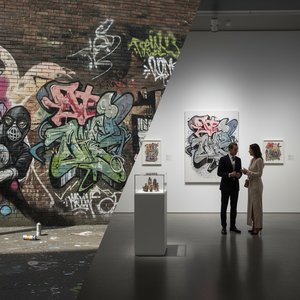
From Walls to Galleries: The Bold Evolution of Street Art and Its Rise into High-End Collectibles
Explore the captivating journey of street art from urban walls to prestigious galleries. Discover how contemporary graffiti has evolved into a high-end collectible movement, redefining modern interior design and global art culture.
