

 Peržiūrėti realaus dydžio版
 Siųsti
 Dalintis
 Išsamiau
 Vadovas

 Atsisiųsti
 Panašūs eksponatai
 Rentgeno spindulių nuotrauka
 Diaporama
 Statistika
Reading the Bible
 Acrylic On Canvas
- WallArt
- Dutch Golden Age Painting
 1645
1645 60.0 x 46.0 cm
 Liuvro muziejus
 Rodyti daugiau
Rankų darbo aliejinės reprodukcijos
Rankiniu būdu tapytas aliejus ant droblio jūsų pageidaujamame dydį ir rėmuose – mūsų menininkų darbas pagal užsakymą. ( Perjungti į spausdinimą Perejti prie skaitmeninių vaizdų)




P118B €10

P118H €10

P118W €10

P438Z €10

P508JH €12

P508YH €12

P805H €10

P805Z €10

P919BZ €10

P919G €10

P919XJ €10

P959ZH €10

P968JZ €12

W106C €8

W218G €10

W218JH €8

W218Y €10

W307PJ €10

W316G €10

W316PJ €8

W316Y €10

W398PJ €8

W4111J €10

W500HY €15

W500JH €15

W692G €12

W849H €8

W940BG €15

W953PJ €8




Pasirinkite iš mūsų nustatytų dydžių, atitinkančių originalaus meno kūrinio proporcijas.

Type the width and the height you need, to fit your frame or your wall. This is hand-painted, so for a size with a different shape the artist can paint a bit more around the picture, or cut a bit — you choose. We send you a digital mockup to approve before the painting starts. The picture shown on this page does not show the real result — only the mockup does.
Gavus užsakymą, OriginalUniqueArt.com komanda susisieks su klientu el. paštu dėl instrukcijų ir pateiks maketo pavyzdį
Pristatymas visame pasaulyje () per 3–4 savaites, o ne įprastai – per 5 savaites. (14 spalis). Kokybė lieka nepakeičiama.

Nemokamas greitasis pristatymas visame pasaulyje

Aukštos kokybės lininis drobė

Pilnas siuntimo draudimas

Muitinės mokesčių grąžinimo garantija

Tikro spalvų atitikimo garantija

100 dienų grąžinimo politika (tik esant įtaigoms)

100% pinigų grąžinimo garantija

Nuolaida dideliems užsakymams
 Stiklo variantas prieinamas tik pasirinkus dydį iki 110 cm

Reading the Bible
Reprodukcijos technika
Reprodukcijos dydis
-


Visų pasirinktų variantų kaina
€ 260
A Moment of Quiet Contemplation: Unveiling Gerrit Dou’s “Reading the Bible”
Gerrit Dou's "Reading the Bible," painted in 1645, isn’t merely a portrait; it’s a carefully constructed tableau of domestic piety and profound introspection. The scene unfolds within a modestly furnished room – a chair, a potted plant, two vases, and a simple bowl offering a glimpse into the everyday life of a Dutch family. Yet, it's the central figures, a man absorbed in scripture and a woman seated beside him, that immediately draw the eye, radiating an aura of serene engagement. Dou’s masterful manipulation of light and shadow, characteristic of his “fijnschilder” style, elevates this intimate moment to something far more resonant – a meditation on faith, family, and the quiet power of shared devotion.
Dou's technique is remarkably detailed, almost obsessively so. He employs a meticulous layering of glazes, building up color gradually to achieve an astonishing level of realism and luminosity. Notice how the light streams through the window, illuminating the man’s face and hands as he pores over the Bible, while casting subtle shadows across the woman's features. This chiaroscuro effect isn’t simply decorative; it serves to emphasize the drama within the scene – the intensity of his concentration juxtaposed with her quiet attentiveness. The textures are equally convincing: the rough weave of the chair upholstery, the delicate leaves of the plant, and the sheen on the woman's dress all contribute to a palpable sense of presence.
The Leiden Fijnschilder and the Pursuit of Perfection
Gerrit Dou was a pivotal figure in the Dutch Golden Age, belonging to the esteemed group known as the “Leiden fijnschilders.” This collective of artists distinguished themselves through their commitment to painstaking detail, refined technique, and an almost photographic realism. Unlike many of their contemporaries who favored grand historical or mythological subjects, the fijnschilders focused on intimate genre scenes – everyday moments of domestic life, portraits of ordinary people, and still lifes brimming with subtle nuances. Dou’s work embodies this ethos perfectly; he sought not to simply depict reality but to capture its essence with unparalleled precision and emotional depth.
Born in Leiden in 1613, Dou's artistic journey was shaped by his apprenticeship under Rembrandt van Rijn. While absorbing the master’s innovative use of light and shadow, Dou quickly developed a distinct style – one characterized by an extraordinary level of polish and a meticulous attention to detail that bordered on obsessive. He famously employed a unique method for achieving this precision: using a concave lens and convex mirror to create a magnified image of his subject, allowing him to render every minute detail with astonishing accuracy.
Symbolism and the Values of Early Modern Dutch Society
Beyond its technical brilliance, “Reading the Bible” is rich in symbolic meaning. The act of reading scripture represents a cornerstone of early modern Dutch society – a time when religious observance was deeply ingrained in daily life. The couple’s quiet contemplation suggests a shared commitment to faith and family values. The woman's presence isn’t merely decorative; she embodies domesticity, piety, and the nurturing role within the household. The room itself, though modest, speaks volumes about their status – a comfortable space dedicated to intellectual and spiritual pursuits.
Furthermore, the inclusion of objects like the potted plant and the vases hints at the importance of nature and beauty in Dutch culture. These elements contribute to a sense of harmony and balance within the scene, reflecting the ideals of the Golden Age. The painting, therefore, offers a window into the values and beliefs that shaped 17th-century Holland – a society deeply committed to faith, family, and the pursuit of excellence.
Bringing “Reading the Bible” Home: A Reproduction for Today
OriginalUniqueArt is proud to offer high-quality reproductions of Gerrit Dou’s "Reading the Bible," capturing the artist's remarkable skill and evocative atmosphere. Whether you are an art collector, interior designer, or simply someone seeking a piece that embodies quiet contemplation and timeless beauty, this reproduction provides a stunning tribute to one of the Dutch Golden Age’s most accomplished painters. Available in various sizes and on premium archival paper, it is a perfect addition to any home or office – a reminder of the enduring power of faith, family, and artistic mastery.
问答 (or more naturally for a website heading): Klausimai ir atsakymai
Ar galiu naudoti papildytojąjį realybę, kad pamatytumėte „Reading the Bible“, autorius – Geritas Du savo kambaryje?
„Reading the Bible“ turi papildytoji realybės peržiūros funkciją: kūrinio AR peržiūra puslapyje jį galite pamatyti savo erdvėje naudodami suderinamą įrenginį.
Kas sukūrė „Reading the Bible“ ir kokiu stiliumi tai atlikta?
Šiame kūrinį „Reading the Bible“ sukūrė Geritas Du, atstovaujantis Dutch Golden Age Painting stiliui.
Kokią emociją perteikia Dutch Golden Age Painting stiliaus kūrinys „Reading the Bible“?
Dutch Golden Age Painting stiliaus metu „Reading the Bible“ užfiksuotas Reflective tonu.
Autoriaus biografija
Gerrit Dou: Šviesos ir Detalės Magija Olandijos Aukso Amžiuje
Gerrit Dou (tikruoju vardu Gerard Dou), gimęs 1613 metų balandžio 7 dieną Leidene, Nyderlanduose, buvo vienas ryškiausių Olandijos Aukso Amžiaus tapytojų. Jo gyvenimas ir kūryba atspindi to meto kultūrinį kontekstą – klestėjimą, mokslinių atradimų bangą ir didžiulį dėmesį smulkmenoms bei kasdieniam gyvenimui. Dou nebuvo masinis gamintojas; jis kruopščiai kūrė nedidelį skaičių paveikslų, kuriuose užfiksuotas nepaprastas tikroviškumas ir šviesos žaismas stebina iki šiol. Jo ankstyvieji darbai rodo stiprią Rembrandto van Ryno įtaką, tačiau Dou greitai sukūrė savitą stilių, kuris jį išskyrė tarp kitų tapytojų.
Ankstyvieji Metai ir Mokslas Pas Rembrandtą
Gerrit Dou tėvas buvo dailininkas, todėl berniukas nuo mažų dienų susipažino su meno pasauliu. 1628 metais jis pradėjo mokytis pas žymų tapytoją Rembrandtą van Ryną Amsterdame. Šis laikotarpis turėjo didžiulės įtakos jaunajam Dou, ypač jo pomėgiui tamsioms spalvoms ir dramatiškam apšvietimui – chiaroscuro techniką. Tačiau Dou netrukus paliko Rembrandto dirbtuvę ir grįžo į Leideną, kur toliau lavino savo talentą, eksperimentuodamas su naujomis technikomis ir temomis. Jo ankstyvieji darbai dažnai vaizdavo istorines scenas ar biblijinius motyvus, tačiau jau tuomet buvo pastebimas jo kruopštumas ir dėmesys detalėms.
„Fijnschilder“ Stilius Ir Žanriniai Paveikslai
Dou greitai išgarsėjo dėl savo unikalios tapybos technikos, žinomos kaip „fijnschilder“ (smulkus tapymas). Šis stilius pasižymėjo nepaprastu tikroviškumu, kruopščiu paviršiaus faktūros perteikimu ir subtiliu šviesos bei šešėlių moduliavimu. Jo paveikslai dažnai vaizdavo kasdienius buities scenas – interjerus su žmonėmis, užsiimančiais įprastais darbais, ar nedidelius daiktų rinkinius. Dou meistriškai atvaizdavo tekstūras: metalo blizgesį, audinio raukšles, stiklo skaidrumą. Jo paveikslai primena fotografijas savo tikroviškumu ir apgalvota kompozicija.
Pagrindiniai Kūriniai Ir Įtaka
Vienas žymiausių Dou kūrinių – „Astronomas šviesos šviesoje“ (The Astronomer by Candlelight), kuriame puikiai atspindi jo meistriškumas perteikti subtilią šviesos atmosferą ir kruopščiai atvaizdyti daiktus. Kiti svarbūs darbai apima portretus, žanrinius paveikslus su motyvais iš kasdienio gyvenimo ir nedidelius interjerų vaizdus. Dou įtaka buvo didžiulė – jis turėjo daug mokinių, tarp jų Frans van Mieris the Elder ir Gabriel Metsu, kurie taip pat tapo žymiais Olandijos Aukso Amžiaus tapytojais. Jo stilius atspindėjo kitų menininkų kūryboje, o jo paveikslai buvo labai paklausūs tarp kolekcionierių.
Palikimas Ir Istorinė Reikšmė
Gerrit Dou mirė 1675 metų vasario 9 dieną Leidene. Jo palikimas – tai nepaprastai kruopščiai atlikti paveikslai, kurie iki šiol stebina savo tikroviškumu ir subtiliu šviesos žaismu. Dou prisidėjo prie Olandijos Aukso Amžiaus meno klestėjimo, įkvėpdamas kitus menininkus ir paliekant ryškų pėdsaką meno istorijoje. Jo darbai atspindi to meto kultūrinį kontekstą – didžiulį dėmesį smulkmenoms, mokslinių atradimų bangą ir kasdienio gyvenimo grožį. Dou paveikslai yra saugomi įvairiuose muziejuose visame pasaulyje, o jo kūryba tebėra aktualus ir įkvepiantis šių dienų menininkams bei meno mėgėjams.
- Gimimo data: 1613 metų balandžio 7 diena
- Mirties data: 1675 metų vasario 9 diena
- Stilius: „Fijnschilder“ (smulkus tapymas)
- Pagrindiniai darbai: „Astronomas šviesos šviesoje“, portretai, žanriniai paveikslai
- Įtaka: Frans van Mieris the Elder, Gabriel Metsu

Geritas Du
1613 - 1675 , Lietuva
Trumpa informacija apie kūrėją
- Gimimo Data: 1613 m. balandžio 7 d.
- Gimimo Vieta: Leidenas, Nyderlandai
- Meninis Stilius: Fijnschilder (smulkus tapymas)
- Mirties Data: 1675 m. vasario 9 d.
- Pilietybė: Olandietis
- Pilnas Vardas: Gerrit Dou
- Turėjo Įtakos: ['Rembrandt van Rijn']
- Įtakojo:
- Frans van Mieris vyresnis
- Gabriel Metsu
- Žymiausi Darbai:
- Astronomas prie žvakės
- Portretas senos moters
- Buitiniai paveikslai
Susiję straipsniai

Golden Age Reflections: Dutch Baroque Painting & Cultural Innovation
Explore the Dutch Golden Age of painting! Discover key artists like Vermeer & ter Borch, their innovative techniques, and the rich cultural context behind these Baroque masterpieces. Learn about collecting & appreciating this iconic art period.
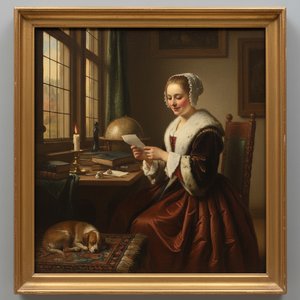
Gerrit Dou: Intimacy & Light in the Dutch Golden Age
Explore the exquisite world of Gerrit Dou, a master of Dutch Golden Age painting. Discover his intimate genre scenes, signature use of light, and lasting legacy. Learn about collecting Dou's works & their value.

Olandijos Aukso Amžius: 10 Šedevrų, Apibrėžiančių Meną ir Stilių
Atraskite Olandijos Aukso Amži\u017us meninius šedevrus! 10 legendin\u017iŴ paveikslžiai – Rembrandto, Vermeerio ir kt. darbai. Sužnkitę j\u016ungo namus aukso amži\u017us grožiu! Āukrai, interjero dizainas – viskas OriginalUniqueArt.com. Ižirkite kolekciją internete!
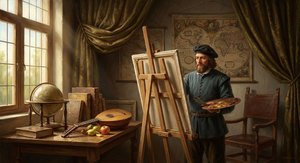
Illuminating Realism: Exploring the Dutch Golden Age of Painting (1600-1700)
Explore the Dutch Golden Age of painting (1600-1700) with OriginalUniqueArt. Discover Rembrandt, Vermeer & other masters. Learn about techniques, history & find museum-quality reproductions.

Golden Light & Dutch Skies: The Timeless Magic of Dutch Golden Age Landscapes
Discover the breathtaking beauty of Dutch Golden Age landscapes. Explore the mastery of light, chiaroscuro, and 17th-century realism through an expert art history lens, celebrating the enduring legacy of the Dutch Masters for discerning collectors and art lovers.

