

 Peržiūrėti realaus dydžio版
 Siųsti
 Dalintis
 Išsamiau
 Vadovas

 Atsisiųsti
 Panašūs eksponatai
 Rentgeno spindulių nuotrauka
 Diaporama
 Statistika
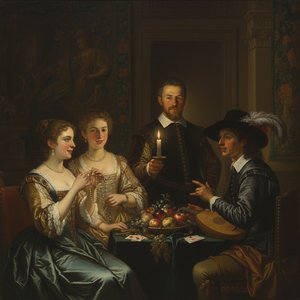
Merry Company


 Rodyti daugiau
Giclée / Meno spausdinimas
Muziejų lygio „giclée“ arba drobos spausdinimas: greita gamyba ir lankstios apdailos parinktys. ( Pirkti rankomis tapytą reprodukciją Perejti prie skaitmeninių vaizdų)




P118B €10

P118H €10

P118W €10

P438Z €10

P508JH €12

P508YH €12

P805H €10

P805Z €10

P919BZ €10

P919G €10

P919XJ €10

P959ZH €10

P968JZ €12

W106C €8

W218G €10

W218JH €8

W218Y €10

W307PJ €10

W316G €10

W316PJ €8

W316Y €10

W398PJ €8

W4111J €10

W500HY €15

W500JH €15

W692G €12

W849H €8

W940BG €15

W953PJ €8




Pasirinkite iš mūsų nustatytų dydžių, atitinkančių originalaus meno kūrinio proporcijas.

Įveskite jums reikiamą plotį ir aukštį, kad atvaizdas derėtų prie jūsų rėmo ar sienos. Spausdiną galima tik sumažinti, bet nepadidinti virš originalaus paveikslėlio dydžio, todėl keičiant proporcijas, dalis vaizdo prarandama. Prieš spausdinimą atsiųsime jums skaitmeninį maketą patvirtinimui. Šioje puslapio nuotraukoje matomas pjūvis nėra tikslus – jį rodo tik maketas.
Pristatymas visame pasaulyje () per 2 weeks, o ne įprastas 4/5 savaičių laikotarpis. (22 spalis)

Nemokamas greitasis pristatymas visame pasaulyje

Aukštos kokybės lininis drobė

Pilnas siuntimo draudimas

Muitinės mokesčių grąžinimo garantija

Tikro spalvų atitikimo garantija

100 dienų grąžinimo politika (tik esant įtaigoms)

100% pinigų grąžinimo garantija

Nuolaida dideliems užsakymams
 Stiklo variantas prieinamas tik pasirinkus dydį iki 110 cm

Merry Company
Giclée / Meno spausdinimas
Reprodukcijos dydis
-


Visų pasirinktų variantų kaina
€ 70
A Dance in Shadow: The Luminous Drama of Honthorst’s Merry Company
In the quiet, amber-hued corners of the Dutch Golden Age, few works capture the pulse of human connection as viscerally as Gerard van Honthorst’s “Merry Company.” Completed in 1622, this masterpiece is far more than a mere snapshot of a tavern gathering; it is a carefully orchestrated tableau of light, social intimacy, and the subtle, flickering drama inherent in life's fleeting moments. As one gazes upon the canvas, the viewer is immediately pulled into a world where the boundaries between celebration and melancholy blur, held together by the artist’s unparalleled command over chiaroscuro.
The scene unfolds within a richly appointed space, perhaps a well-established tavern, where a group of figures is gathered around a table laden with the remnants of a feast. Wine goblets catch the light, and platters of delicacies sit amidst the conversation, suggesting a recent bout of revelry. At the heart of this composition lies a profound tension; while the title suggests merriment, there is an underlying sense of urgency and perhaps even a touch of sorrow. The figures—an elderly woman, a bearded man, and younger companions—are caught in a moment of intense emotional exchange, their faces illuminated by a theatrical, directional light that seems to emerge from an unseen source, casting deep, velvety shadows that swallow the periphery of the room.
The Mastery of the Night: Technique and Tenebrism
To understand the brilliance of “Merry Company,” one must recognize the influence of the Italian master Caravaggio upon Honthorst. During his formative years in Rome, Honthorst embraced tenebrism, a technique characterized by the bold juxtaposition of intense light against impenetrable darkness. This earned him the evocative nickname “Gherardo delle Notti”—Gerard of the Nights. In this painting, the technique is used not merely for aesthetic flair but to sculpt the very air around the subjects. The light does not simply illuminate; it carves forms out of the gloom, creating a palpable sense of three-dimensional space through masterful foreshortening and delicate glazing.
The artist’s meticulous attention to texture invites a tactile experience for the viewer. One can almost feel the weight of the heavy drapery, the cool smoothness of the pewter goblets, and the warmth of the skin under the candlelight. Through painstaking brushwork, Honthorst achieves a level of realism that transcends mere representation, turning a genre scene into a psychological study. The pyramidal structure of the composition, with figures positioned to draw the eye upward and inward, ensures that the viewer’s gaze wanders through the layers of light and shadow, discovering new details in every corner of this nocturnal feast.
A Timeless Inspiration for the Modern Collector
For the discerning collector or interior designer, a reproduction of “Merry Company” offers much more than a decorative element; it provides a focal point of profound character. The painting’s ability to command attention through its dramatic contrasts makes it an ideal centerpiece for spaces that value depth, history, and atmosphere. Whether placed in a contemporary gallery-style room or a classic study, the work brings with it an aura of sophisticated mystery and the enduring elegance of the Baroque era.
Owning a piece that echoes Honthorst’s vision is an invitation to contemplate the beauty found in the shadows. It serves as a reminder of the Dutch Golden Age's fascination with capturing the ephemeral—the way light hits a glass, the way a face falls into thought, and the way a shared moment can feel both monumental and fleeting. This artwork is not just a window into the 17th century; it is a timeless exploration of the human spirit, rendered in the most magnificent light.
问答 (or more naturally for a website heading): Klausimai ir atsakymai
Kiek plačiai žinomas kūrinys „Merry Company“, kurį sukūrė Gerardas Van Honthorstas?
Darbui „Merry Company“, autorius – Gerardas Van Honthorstas suteiktas Iconic populiarumumo lygis. Ši klasifikacija atspindi, kaip plačiai šis kūrinys yra atpažįstamas.
Ar galiu užsisakyti „Merry Company“ aliejinį reprodukciją?
Rankumų „Merry Company“, autorius – Gerardas Van Honthorstas kopijos yra parduodamos šis internetinis svetainė svetainėje: rankomis dažyta aliejų reprodukcija ant lininio drobos, užsakomos per jos Rankų darbo reprodukcija puslapį.
Ar „Merry Company“ galima peržiūrėti papildydami realybę?
„Merry Company“, autorius – Gerardas Van Honthorstas galite išbandyti ant savo sienos naudodami papildytoji realybės funkciją suderinamame įrenginyje per šio kūrinio AR peržiūra puslapį.
Autoriaus biografija
Šviesos ir šešėlių meistras: Gerard van Honthorsto gyvenimas ir kūryba
Gerard van Honthorst, gimęs 1590 metais Utrechte (Nyderlandai), buvo iškili figūra Nyderlandų Aukso amžiuje. Pradėjęs mokytis pas savo tėvą – dekoratyvinį dailininką, jaunasis Gerard greitai patobėjo Abraho Bloemaerto dirbtuvėje, įsisavindamas kompozicijos pagrindus ir piešimo techniką. Tačiau lemiama kelionė į Romą visiškai pakeitė jo artistinę plėtrą. Ten, Italijos baroko energingoje atmosferoje, jis susipažino su revoliuciniu Caravaggio darbu – susitikimu, kuris apibrėžė jo savitą stilių ir užsitikrino jam pravardę “Gherardo delle Notti” (Gerard naktimis). Dramatiškas tenebrismo panaudojimas – technika, naudojanti ryškius šviesos ir tamsos kontrastus – tapo Honthorsto vizitine kortele, suteikdama jo drobių apčiuopiamą dramos pojūtį ir emocinį intensyvumą. Jis ne tik imitavo Caravaggio; jis perkėlė italų meistro naujoves į savotišką olandų jautrumą, sutelkiant dėmesį į intymias scenas, apšviestas dirbtiniais šaltiniais – žvakėmis, lempomis ir ugnimis – sukuriant atmosferą, kuri buvo realistinė ir giliai teatrališkas. Šis šviesos meistriškumas nebuvo tik techninis įgūdis; tai buvo priemonė atskleisti charakterį, pritraukti žiūrėtoją į kiekvienos scenos emocinį branduolį.Iš Romos garbių į olandų meistriškumą
Honthorsto laikas Romoje buvo pažymėtas dideliu pasiekimu ir patronažu. Jis sulaukė miesto elito pritarimo, tarp jų Vincenzo Giustiniani, kuriam sukūrė galingą “Kristų Aukštosios Kunigo Priešais”, darbą, pabrėžiantį jo meistriškumą šviesos ir šešėlių valdymas. Šis paveikslas, dabar saugomas Londono Nacionalinėje galerijoje, demonstruoja ne tik jo techninį įgūdį, bet ir gebėjimą perteikti gilų psichologinį gylį savo figūrose. Jis dar labiau sustiprino savo reputaciją dirbdamas Cosimo II de' Medici, Toskanos didžiojo kunigaikščio, rodydamas prisitaikymo ir universalumo įgūdžius, kurie jam tarnaus visą jo karjerą. Grįžęs į Utrechtą apie 1620 metus, Honthorstas greitai įsitvirtino kaip pirmaujantis portretų dailininkas Nyderlanduose. Jo gebėjimas užfiksuoti ne tik fizinį panašumą, bet ir savo modelių charakterį bei socialinę padėtį padarė jį labai paklausų tarp turtingų prekeivių, aristokratų ir net karališkųjų asmenų. 1623 metais jis tapo Šv. Liudviko gildijos prezidentu Utrechte – tai liudija jo augantį autoritetą meno bendruomenėje. Šis laikotarpis pažymėjo užsakymų gausumą, leidusi Honthorstui tobulinti savo stilių ir įtvirtinti savitą balsą olandų tapyboje.Dvarinis dailininkas: Užsakymai ir bendradarbiavimas
Honthorsto talento pasiekimai apėmė ne tik Nyderlandus. Jo darbai sulaukė sero Dudley Carleton dėmesio, kuris entuziastingai jį rekomendavo žymiems anglų aristokratams, tokiems kaip Arundelio grafas ir Dorčesterio lordas. Tai lėmė užsakymus nuo Karalienės Elizabeth of Bohemia, karaliaus Charles I sesers, kuri įdarbino jį kaip dailininką ir piešimo mokytoją savo vaikams. Šie karališkosios šeimos ryšiai baigėsi reikšmingais darbais, tokiais kaip alegorinis Karolio ir Henriettos Marijos vaizdavimas kaip Dianos ir Apollo, dabar saugomas Hampton Court rūmuose. Honthorsto noras bendradarbiauti su kitais menininkais taip pat byloja apie jo atvirumą ir artistinį dosnumą. Jis garsėjo tuo, kad priėmė Peter Paul Rubens vizitą Utrechte, netgi nupiešdamas jį žaismingoje scenoje, vaizduojančioje Diogeną ieškant sąžiningo žmogaus – tai liudija abiejų baroko gigantų tarpusavio pagarbą. Nors kai kurie bendradarbiavimo darbai, tokie kaip “Kristaus paėmimas”, iš pradžių buvo priskiriami tik Honthorstui, šiuolaikiniai mokslininkai atskleidė kitų menininkų indėlį, pabrėždami sudėtingą meno kūrimo dinamiką tuo laikotarpiu. Šis bendradarbiavimas nebuvo tik apie darbo pasidalijimą; tai buvo intelektualiniai mainai, praturtinę meno kraštovaizdį.Palikimas ir Utrechto karavagistai
Gerard van Honthorsto įtaka rezonavo gerokai po jo gyvenimo pabaigos. Jis buvo raktinis veikėjas *Utrecht Caravaggisti* judėjime – Nyderlandų dailininkų grupėje, kurie perėmė Caravaggio dramatišką realizmą ir tenebrismą. Kartu su tokiais menininkais kaip Hendrick ter Brugghen ir Dirck van Baburen jis padėjo įtvirtinti savotišką olandų interpretaciją italų baroko stiliaus. Jo dėmesys buitinių scenų apšvietimui dirbtine šviesa, meistriški portretai ir gebėjimas perteikti emocinį gylį per sumanią chiaroscuro techniką paliko neišdildomą pėdsaką Nyderlandų Aukso amžiaus tapyboje. Net jo brolis Willem van Honthorst sekė jo pėdomis, nors dažnai kurdavo darbus, kurie iš pradžių buvo priskiriami Gerardui dėl stilistinių panašumų.- Honthorsto paveikslai ir šiandien žavi publiką.
- Jo dramatiškas grožis ir psichologinis įžvalgumas yra nesenstantys bruožai.
- Jis įtvirtino savo vietą meno istorijoje.

Gerardas Van Honthorstas
1590 - 1656 , Lietuva
Trumpa informacija apie kūrėją
- Gimimo Data: 1590
- Gimimo Vieta: Utrecht, Nyderlandai
- Meninis Stilius: Barokas, Karavagizmas
- Mirties Data: 1656
- Pilietybė: Olandas
- Pilnas Vardas: Gerard van Honthorst
- Įtakoję Menininkai: ['Karavadžas']
- Įtakoti Judėjimai: ['Utrechto karavagistai']
- Žymiausi Darbai:
- Kristus sode
- Suvalgymo scena
Susiję straipsniai

Olandijos Aukso Amžius: 10 Šedevrų, Apibrėžiančių Meną ir Stilių
Atraskite Olandijos Aukso Amži\u017us meninius šedevrus! 10 legendin\u017iŴ paveikslžiai – Rembrandto, Vermeerio ir kt. darbai. Sužnkitę j\u016ungo namus aukso amži\u017us grožiu! Āukrai, interjero dizainas – viskas OriginalUniqueArt.com. Ižirkite kolekciją internete!

Dutch Baroque Masters: 10 Paintings That Shaped an Era | OriginalUniqueArt
Journey through the Golden Age with our guide to the Top 10 Dutch Baroque masterpieces! Explore iconic paintings by Rembrandt, Vermeer & Frans Hals. Find museum-quality art reproductions and elevate your home decor at OriginalUniqueArt.com.

Golden Age Reflections: Dutch Baroque Painting & Cultural Innovation
Explore the Dutch Golden Age of painting! Discover key artists like Vermeer & ter Borch, their innovative techniques, and the rich cultural context behind these Baroque masterpieces. Learn about collecting & appreciating this iconic art period.
Gerard van Honthorst: Illuminating the Dutch Golden Age with Caravaggism & Courtly Grace
Explore the captivating world of Gerard van Honthorst, a Dutch Golden Age master renowned for his dramatic chiaroscuro & courtly portraits. Discover his life, art, and lasting influence on Baroque painting.

Golden Light & Dutch Skies: The Timeless Magic of Dutch Golden Age Landscapes
Discover the breathtaking beauty of Dutch Golden Age landscapes. Explore the mastery of light, chiaroscuro, and 17th-century realism through an expert art history lens, celebrating the enduring legacy of the Dutch Masters for discerning collectors and art lovers.
