
 Peržiūrėti realaus dydžio版
 Pasidalinti
 Dalintis
 Išsamiau
 Vadovas

 Atsisiųsti
 Panašūs eksponatai
 Rentgeno spindulių nuotrauka
 Automatinė diorama
 Q&A
Q&A Statistika
St Lambert Reliquary


 Skaityti daugiau
Giclée / Meno spausdinimas
Muziejų lygio „giclée“ arba drobos spausdinimas: greita gamyba ir lankstios apdailos parinktys. ( Pirkti rankų darbo tapybą Perejti prie skaitmeninių vaizdų)




































Pasirinkite iš mūsų nustatytų dydžių, atitinkančių originalaus meno kūrinio proporcijas.

Įveskite jums reikiamą plotį ir aukštį, kad atvaizdas derėtų prie jūsų rėmo ar sienos. Spausdiną galima tik sumažinti, bet nepadidinti virš originalaus paveikslėlio dydžio, todėl keičiant proporcijas, dalis vaizdo prarandama. Prieš spausdinimą atsiųsime jums skaitmeninį maketą patvirtinimui. Šioje puslapio nuotraukoje matomas pjūvis nėra tikslus – jį rodo tik maketas.
Pristatymas visame pasaulyje () per 2 weeks, o ne įprastas 4/5 savaičių laikotarpis. (3 lapkritis)

Nemokamas greitasis pristatymas visame pasaulyje

Aukštos kokybės lininis drobė

Pilnas siuntimo draudimas

Muitinės mokesčių grąžinimo garantija

Tikro spalvų atitikimo garantija

100 dienų grąžinimo politika (tik esant įtaigoms)

100% pinigų grąžinimo garantija

Nuolaida dideliems užsakymams
 Stiklo variantas prieinamas tik pasirinkus dydį iki 110 cm

St Lambert Reliquary
Giclée / Meno spausdinimas
Reprodukcijos matmenys
-


Bendroji kaina
€ 71
Autoriaus biografija
Gerard Loyet: A Master of Late Gothic Splendor
Gerard Loyet (c. 1466 – 1503) stands as a beacon of artistic innovation within the waning years of the Burgundian Netherlands and the burgeoning Renaissance, embodying the complex interplay between tradition and experimentation that characterized European art during this transformative period. Born in Ghent, Loyet’s formative years coincided with the decline of Burgundian rule and the gradual ascendancy of humanist ideals – influences that profoundly shaped his artistic vision and cemented his place as one of the most celebrated goldsmiths of his time.- Early Life & Training: Little is known definitively about Loyet’s early life, but he apprenticed under Jan van Eyck in Ghent, arguably the most influential artist of the Burgundian era. This association instilled within him a meticulous attention to detail and an unwavering commitment to realism – qualities that would become hallmarks of his distinctive style.
- The St. Lambert Reliquary: Loyet’s magnum opus—the St. Lambert Reliquary—completed in 1467—represents the pinnacle of late Gothic artistry. Commissioned by Bishop Jean II Briquemont, this monumental bronze sculpture depicts Saint Lambert, the patron saint of Ghent, kneeling before Christ – a poignant depiction of piety and devotion. The intricate craftsmanship involved in its creation is breathtaking: every surface is adorned with painstakingly sculpted foliage, drapery folds, and miniature figures, demonstrating Loyet’s mastery of sculptural technique and his profound understanding of symbolic representation.
Stylistic Innovation & Artistic Influences
Loyet's work distinguishes itself from its contemporaries through a remarkable fusion of Gothic formalism with Renaissance humanist sensibilities. While retaining the characteristic grandeur and stylized drapery of late Gothic sculpture—inherited directly from predecessors like Claus Sluter—Loyet skillfully incorporated elements of perspective and anatomical accuracy, reflecting the burgeoning interest in naturalism that was gaining momentum across Europe. His artistic influences extended beyond his Ghent apprenticeship; he traveled extensively throughout Italy during the 1490s, immersing himself in the humanist ideals championed by artists such as Piero della Francesca and Andrea Mantegna. This exposure undoubtedly fueled his desire to depict human figures with greater realism and psychological depth – a departure from the idealized representations prevalent in earlier Gothic art.Notable Commissions & Artistic Legacy
Loyet’s reputation soared during his lifetime, securing him prestigious commissions from ecclesiastical patrons throughout Flanders and Brabant. He crafted numerous altarpieces and liturgical objects—including candlesticks and chalices—demonstrating his versatility as an artist and cementing his status as a leading figure in the Flemish artistic milieu. Loyet's meticulous attention to detail and profound understanding of symbolism ensured that his creations would endure for centuries, inspiring subsequent generations of sculptors and artisans. His St. Lambert Reliquary remains a testament to the enduring power of art to convey spiritual meaning and aesthetic beauty—a masterpiece that continues to captivate audiences today.Rediscovery & Recognition
Loyet’s work largely faded from view after his death in 1503, overshadowed by the artistic fervor of the Renaissance. However, a revival of interest in Gothic art during the Romantic era prompted renewed scholarly attention to Loyet's oeuvre—particularly following the rediscovery of several sculptures attributed to him in the Musée Baron Gérard in Bayeux. Today, Loyet is recognized as one of the foremost sculptors of his time – an artist who skillfully bridged the gap between tradition and innovation, leaving behind a legacy that continues to inspire admiration and scholarly debate.
Gerard Loyet
1466 - 1503 , Netherlands
Trumpa informacija
- Full Name: Gerard Loyet
- Nationality: Dutch
- Date Of Birth: 1466
- Date Of Death: 1503
- Place Of Birth: Netherlands
- Notable Artworks: ['St Lambert Reliquary']
- Artistic Movement Or Style: Late Gothic Art
- Artists Or Movements Influenced By This Artist: ['Caravaggio']
Susiję straipsniai

The Enduring Legacy of Bronze: A Historical & Artistic Exploration for the Collector
Explore the rich history & enduring appeal of bronze sculpture with expert insights for collectors at OriginalUniqueArt. Learn about casting techniques, iconic artists, collecting tips & contemporary interpretations.
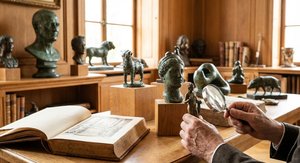
The Enduring Legacy of Bronze Sculpture: A Collector's Guide to Form & Cultural Significance
Explore the rich history & enduring appeal of bronze sculpture with expert insights for collectors at OriginalUniqueArt. Learn about casting techniques, iconic artists, and collecting tips to build a discerning art collection.

The Enduring Legacy of Bronze: History, Technique & Artistic Expression for the Collector
Explore the rich history & enduring appeal of bronze sculpture with expert insights for collectors at OriginalUniqueArt. Learn about casting techniques, iconic artists, and collecting tips.

Bronze Age to Modern Masters: 10 Sculptures That Redefined Art | OriginalUniqueArt
Journey through art history with 10 legendary bronze sculptures – from Michelangelo's David to Rodin’s Thinker. Explore the stories, techniques & timeless beauty of these masterpieces. Find museum-quality reproductions & elevate your home decor on OriginalUniqueArt.com.

Bronze Sculptures That Defined Art History | OriginalUniqueArt
Journey through art history with our Top 10 bronze sculptures! Explore masterpieces by Rodin, Michelangelo & more. Discover stories behind iconic statues and find museum-quality reproductions for your home decor at OriginalUniqueArt.com.