Perjungti į spausdinamus版作品
 Skaityti daugiau







































 Dėl meno kūrinių ar reprodukcijų, kurių bet kuri pusė yra didesnė nei 105 cm (apie 41 inch), rėmas bus siunčiamas kaip išskaidytas surinkimo rinkinys. Šis metodas užtikrina saugų pristatymą ir apsaugo nuo transportavimo metu galimos žalos.


A Symphony of Light and Color: The Genesis of a Masterpiece
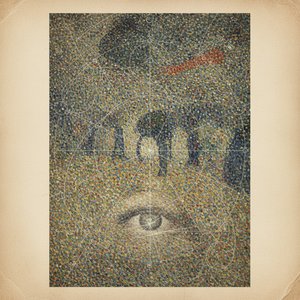
In the quiet, meticulous strokes of “Study for ‘Chahut’”, we find more than just a preparatory sketch; we encounter the very heartbeat of a revolution. Created in 1890 by the visionary Georges Seurat, this work serves as an intimate window into the mind of an artist who sought to bridge the gap between the ephemeral beauty of Impressionism and the rigid precision of science. As a precursor to his monumental masterpiece, this study captures the electric energy of the Belle Époque, frozen in a delicate dance of light and pigment. To behold this piece is to witness the moment where artistic intuition meets mathematical rigor, offering a profound sense of movement that remains as captivating today as it was at the turn of the century.
The scene itself is a vibrant tableau of Parisian life, centered around the graceful, poised figure of a woman dancing. She moves with an effortless elegance, her form emerging from a sea of carefully placed color, surrounded by a captivated audience that breathes life into the composition. The presence of violins—one nestled near the left and another toward the center—infuses the canvas with an invisible melody, suggesting a rhythmic, auditory layer to the visual experience. For the discerning collector or interior designer, this painting offers a sophisticated focal point, bringing a sense of cultured vitality and historical depth to any curated space.
The Science of Perception: The Magic of Pointillism
What distinguishes this work from the loose, spontaneous brushwork of his contemporaries is Seurat’s radical commitment to Pointillism. Moving away from the subjective, fleeting impressions of Monet or Renoir, Seurat turned toward the burgeoning scientific theories of optics and color perception. He did not merely paint what he saw; he reconstructed how the human eye perceives light. Through a painstaking method known as chromoluminarism, Seurat applied tiny, distinct dots of pure pigment to the canvas. Rather than blending these colors on a palette, he allowed them to interact optically within the viewer's eye.
This technique creates a shimmering, luminous effect that feels almost alive, as if the canvas itself is vibrating with light. Each point of color is a deliberate choice, a mathematical calculation designed to maximize saturation and brilliance. For those seeking to adorn a home with art that possesses true depth, the structural complexity of this technique provides an endless fascination. The way the light seems to dance across the surface of the dancers and onlookers makes the piece feel dynamic, ensuring it remains a conversation starter in any modern or classical setting.
A Window into the Belle Époque
Beyond its technical brilliance, “Study for ‘Chahut’” is steeped in the social symbolism of late 19th-century France. The subject matter—the chahut, or a spirited version of the can-can—reflects the burgeoning interest in performance art and the exuberant social progress of the era. This was a time of optimism, where the boundaries of art and society were being pushed by new technologies and shifting cultural norms. Seurat captures this tension between the structured, orderly application of his dots and the wild, uninhibited energy of the dance.
Owning a high-quality reproduction of this study allows one to bring a piece of history into the contemporary world. It is an invitation to contemplate the intersection of order and chaos, science and soul. Whether placed in a sunlit gallery or a sophisticated study, the painting radiates a timeless prestige, offering an emotional resonance that speaks to the enduring human desire for beauty, rhythm, and the pursuit of truth through light.
Klausimai ir atsakymai
Ar galėčiau „Study for 'Chahut'“ peržiūrėti kaip pilno ekrano nuotraukų rodyklę?
Kūrinį „Study for 'Chahut'“ – Žoržas Sera galima peržiūrėti kaip slaidų rulio formatą puslapyje Slaydšou.
Iš kokio laikotarpio yra „Study for 'Chahut'“?
Istorinis laikotarpis kūriniam „Study for 'Chahut'“ – Žoržas Sera yra 19th Century. Ši klasifikacija priskiria šį kūrinį konkrečiam meno istorijos etapui.
Kas sukūrė „Study for 'Chahut'“ ir kokiu stiliumi tai atlikta?
„Study for 'Chahut'“ kūrybinį darbu pasižymi Žoržas Sera, taikantis Pointillist Precision stilių. Autorius ir stilius nurodo šio kūrinio tradiciją.
Daugiau informacijos apie šį paveikslą
 Peržiūrėti realaus dydžio版
 Pasidalinti
 Dalintis
 Išsamiau
 Vadovas

 Atsisiųsti
 Panašūs eksponatai
 Rentgeno spindulių nuotrauka
 Automatinė diorama
 问答
问答 Statistika