Peržiūrėti realaus dydžio版
 Siųsti
 Dalintis
 Išsamiau
 Vadovas

 Atsisiųsti
 Panašūs eksponatai
 Rentgeno spindulių nuotrauka
 Diaporama
 Statistika
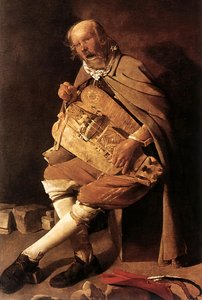
St. Thomas, also called Saint with a Pike
 Oil
Oil- WallArt
- Baroque Dramatic Light
 1630
1630- Early Modern
 61.0 x 69.0 cm
 Rodyti daugiau
Giclée / Meno spausdinimas
Muziejų lygio „giclée“ arba drobos spausdinimas: greita gamyba ir lankstios apdailos parinktys. ( Pirkti rankomis tapytą reprodukciją Perejti prie skaitmeninių vaizdų)




P118B $10

P118H $10

P118W $10

P438Z $10

P508JH $12

P508YH $12

P805H $10

P805Z $10

P919BZ $10

P919G $10

P919XJ $10

P959ZH $10

P968JZ $12

W106C $8

W218G $10

W218JH $8

W218Y $10

W307PJ $10

W316G $10

W316PJ $8

W316Y $10

W398PJ $8

W4111J $10

W500HY $15

W500JH $15

W692G $12

W849H $8

W940BG $15

W953PJ $8




Pasirinkite iš mūsų nustatytų dydžių, atitinkančių originalaus meno kūrinio proporcijas.

Galite nurodyti savo matmenis, kad vaizdas atitiktų konkretų rėmą ar erdvę. Jei pasirinktas dydis nesutaps su originalaus paveikslėlio proporcijomis, mes arba apkirpsime kūrinį, arba išplėsime vaizdą naudojant veideliu atspindėtą arba vientisą šoną. Skaitmeninis maketas bus išsiųstas jums patvirtinti prieš pradedant gamybą.
Atkreipkite dėmesį, kad ekrane matomas vaizdinys neatspindi tikrojo apkirpimo ar išplėtimo. Tik maketas tiksliai parodytų galutinę kompoziciją.
Nors galima rinktis ir individualius dydžius, rekomenduojame pasirinkti vieną iš išanksti nustatytų matmenų, kad būtų išlaikytos originalios proporcijos.
Pristatymas visame pasaulyje () per 2 weeks, o ne įprastas 4/5 savaičių laikotarpis. (26 rugsėjis)

Nemokamas greitasis pristatymas visame pasaulyje

Aukštos kokybės lininis drobė

Pilnas siuntimo draudimas

Muitinės mokesčių grąžinimo garantija

Tikro spalvų atitikimo garantija

100 dienų grąžinimo politika (tik esant įtaigoms)

100% pinigų grąžinimo garantija

Nuolaida dideliems užsakymams
 Stiklo variantas prieinamas tik pasirinkus dydį iki 110 cm

St. Thomas, also called Saint with a Pike
Giclée / Meno spausdinimas
Reprodukcijos dydis
-


Visų pasirinktų variantų kaina
$ 80
A Symphony of Shadow and Spirit
In the quietude of Georges de la Tour’s 1630 masterpiece, St. Thomas, we encounter more than a mere biblical illustration; we enter a sanctuary of profound introspection. This evocative work, measuring 61 x 69 cm, serves as a breathtaking testament to the power of the Baroque era's spiritual intensity. The painting captures the apostle in a moment of suspended animation, his gaze anchored to a single sheet of paper. This seemingly mundane object becomes a sacred conduit, a vessel for divine truth that demands the viewer’s absolute presence. As one contemplates this canvas, the boundaries between the seventeenth century and the modern soul begin to blur, inviting a meditative state where the weight of human doubt meets the light of revelation.
The technical brilliance of De la Tour lies in his masterful command of chiaroscuro, the dramatic interplay of light and shadow that defines the French Baroque style. Rather than utilizing light to illuminate a grand spectacle, De la Tour employs it to carve meaning out of the darkness. The shadows are not merely empty spaces but are heavy, velvety textures that press against the subject, heightening the emotional gravity of the scene. Every detail is rendered with a meticulous realism—from the sharp, purposeful edge of the knife held in St. Thomas’s hand to the delicate, weathered folds of his blue robe. This precision does not serve mere decoration; it grounds the spiritual narrative in a tangible, visceral reality that makes the saint's internal struggle feel intimately human.
The Weight of Faith and History
To understand St. Thomas, one must look through the lens of the turbulent era in which it was birthed. Painted during the height of the Protestant Reformation, the work resonates with the religious anxieties of a Europe searching for certainty amidst theological upheaval. The Catholic Church, facing unprecedented challenges to its dogma, sought a visual language of reaffirmation and quiet strength. In St. Thomas, De la Tour presents a figure of profound humility. The saint’s focus on the paper symbolizes the acceptance of evidence and the resolution of doubt—a powerful metaphor for the era's yearning for spiritual stability. It is a portrait of resolve, where the flickering light represents the persistent flame of faith even when surrounded by the vast unknown.
For the discerning collector or interior designer, this painting offers an unparalleled opportunity to introduce a sense of gravitas and timeless elegance into a space. The composition’s balanced tension and somber palette make it a sophisticated centerpiece for a study, a library, or a formal gallery setting. A high-quality reproduction of this work does more than decorate a wall; it curates an atmosphere of intellectual depth and contemplative peace. It invites guests to pause, to look closer at the interplay of light, and to find, much like St. Thomas, a moment of quiet clarity amidst the complexities of the modern world.
Autoriaus biografija
Georges de La Tour (1593–1652): French Baroque Master of Dramatic Chiaroscuro & Tenebrism
Georges de La Tour, a name that resonates with the hushed reverence reserved for masters of light and shadow, remains one of the most compelling figures of the French Baroque. Born in 1593 in Vic-sur-Seille, a small town nestled within the Duchy of Lorraine, his life unfolded against a backdrop of religious fervor and political upheaval. While details surrounding his early training remain somewhat elusive—scholars speculate about potential journeys to Italy or apprenticeships with local artists like Jacques Bellange—the seeds of his artistic vision were undoubtedly sown in this environment. He wasn’t born into an artistically established family; his father was a baker, yet the circumstances of his mother's lineage hint at a possible connection to nobility, a subtle influence perhaps reflected in the dignity and quiet grace that permeate his work.
Early Life & Artistic Influences
Georges de La Tour’s formative years were marked by the turbulent political landscape of Lorraine under Habsburg rule. Despite limited formal education—evidence suggests he received instruction from local artisans—his innate talent for observation and representation quickly distinguished him from his peers. Crucially, he encountered the artistic legacy of Caravaggio during his travels, absorbing the revolutionary techniques of tenebrism—the dramatic interplay between light and darkness—that would become central to his distinctive style. However, De La Tour didn’t merely emulate Caravaggio; he skillfully assimilated Dutch Caravaggisti influences, particularly those championed by Hendrick Terbrugghen, forging a synthesis that was both powerfully expressive and remarkably restrained.
The Utrecht School & Artistic Development
De La Tour's artistic development coincided with the flourishing of the Utrecht School, a movement characterized by its meticulous realism and psychological depth. Artists like Terbrugghen prioritized capturing human emotion with unflinching honesty—a commitment that mirrored De La Tour’s own unwavering dedication to portraying the inner life of his subjects. Initially, De La Tour's paintings exhibited a vibrant palette and dynamic composition, reflecting the influence of this Utrecht tradition. Yet as he matured, he gradually refined his aesthetic sensibilities, favoring muted earth tones and simplifying forms—a deliberate choice that underscored his profound spiritual contemplation.
Major Works & Recurring Themes
The hallmark of Georges de La Tour’s oeuvre is undoubtedly his masterful manipulation of candlelight—which he employed not merely as a source of illumination but as a metaphor for divine grace and spiritual awakening. His paintings are frequently set at night, creating an atmosphere of intimacy and quiet contemplation that draws the viewer into the scene and invites them to share in the emotional experience of the figures depicted. The Fortune-Teller, painted around 1630, exemplifies this early style—a lively genre scene rendered with sharp observation and dramatic lighting. However, it is his later religious works that truly showcase De La Tour’s genius. Adoration of the Shepherds, created around 1640, demonstrates his ability to imbue a traditional subject with profound emotional resonance. The figures are not idealized or heroic; they are ordinary people, humbled by the presence of the divine. The Tears of Saint Peter, painted in the 1650s, is particularly poignant—the apostle’s grief rendered with heartbreaking subtlety and realism. Saint Joseph Carpenter, another iconic work, depicts a serene domestic scene, highlighting De La Tour's mastery of capturing the quiet dignity of everyday life.
Legacy & Enduring Appeal
Despite achieving recognition during his lifetime—he was appointed “Painter to the King” by Louis XIII in 1638—Georges de La Tour’s work remained largely obscure after his death in 1652. For centuries, many of his paintings were misattributed to other artists, and his name faded from art historical memory. It wasn't until the early 20th century that a concerted effort was made to rediscover and re-evaluate his oeuvre—led by scholars like Hermann Voss—revealing an artist of extraordinary originality and depth. De La Tour’s innovative use of light and shadow, combined with his psychological insight into his subjects, continues to captivate audiences today. His paintings offer a glimpse into 17th-century life and spirituality, reflecting both the religious fervor and the social realities of his time. He remains celebrated for his ability to imbue everyday scenes with profound meaning and emotional depth—a testament to his enduring legacy as one of the most influential artists of the Baroque period.

Žoržas Dela Toras
1593 - 1652 , Prancūzija
Trumpa informacija apie kūrėją
- Artistic Movement Or Style: Tenebrismo
- Artists Who Influenced This Artist:
- Karavaggio
- Hendrik Terbrugghen
- Date Of Birth: 13 marto 1593
- Date Of Death: 1652
- Full Name: Georges de La Tour
- Nationality: Prancūzijoje
- Notable Artworks:
- Šešėlyje žiūrantis žmogus
- Kristaus Švietimo adoratorių šventė
- Place Of Birth: Vik-sur-Seille, Prancūzija
Susiję straipsniai

Baroko Šedevrai: 10 Menų Simbolių, Apibūdinusių Epoką | OriginalUniqueArt
Atraskite 10 baroko šedevrų, kurie apibrėžė epoką! Karolis Rubenzas, Berninis ir kiti meistrai – jų kūriniai, istorijos bei spalvos. Aukščiausios kokybės dailės reprodukcijos ir interjero įkvėpimas OriginalUniqueArt.com. Išnagrinėkite visą kolekciją internete!

The Golden Age Reforged: Dramatic Realism & Religious Zeal in Spanish Baroque Art
Explore the dramatic world of Spanish Baroque art! Discover masters like Zurbarán & the powerful influence of religious zeal on painting techniques – a guide for collectors and enthusiasts.

The Dramatic Flourish: Exploring the Baroque Movement's Enduring Legacy in Art History
Explore the dramatic world of Baroque art! Discover iconic artists like Caravaggio & Rubens, defining techniques, and its lasting impact on art history. Expert insights for collectors & enthusiasts at OriginalUniqueArt.

Baroko Dramatizmas: Elegancijos ir Emocijų Įnešimas į Šiuolaikinius Interjerus
Atraskite baroko dramatiškumą! Meno konsultacijos, rankų darbo reprodukcijos ir patarimai, kaip įnešti eleganciją bei emocijas į jūsų interjerą su OriginalUniqueArt.com. Kokybė garantuota!

Simon Vouet: A Baroque Master's Journey from Italian Influence to French Classicism
Explore the life & art of Simon Vouet, a pivotal French Baroque painter who introduced Italian styles to France. Discover his masterpieces and lasting influence on 17th-century art.