Peržiūrėti realaus dydžio版
 Siųsti
 Dalintis
 Išsamiau
 Vadovas

 Atsisiųsti
 Panašūs eksponatai
 Rentgeno spindulių nuotrauka
 Diaporama
 Statistika
St. Peter


 Rodyti daugiau
Giclée / Meno spausdinimas
Muziejų lygio „giclée“ arba drobos spausdinimas: greita gamyba ir lankstios apdailos parinktys. ( Pirkti rankomis tapytą reprodukciją Perejti prie skaitmeninių vaizdų)




P118B $10

P118H $10

P118W $10

P438Z $10

P508JH $12

P508YH $12

P805H $10

P805Z $10

P919BZ $10

P919G $10

P919XJ $10

P959ZH $10

P968JZ $12

W106C $8

W218G $10

W218JH $8

W218Y $10

W307PJ $10

W316G $10

W316PJ $8

W316Y $10

W398PJ $8

W4111J $10

W500HY $15

W500JH $15

W692G $12

W849H $8

W940BG $15

W953PJ $8




Pasirinkite iš mūsų nustatytų dydžių, atitinkančių originalaus meno kūrinio proporcijas.

Galite nurodyti savo matmenis, kad vaizdas atitiktų konkretų rėmą ar erdvę. Jei pasirinktas dydis nesutaps su originalaus paveikslėlio proporcijomis, mes arba apkirpsime kūrinį, arba išplėsime vaizdą naudojant veideliu atspindėtą arba vientisą šoną. Skaitmeninis maketas bus išsiųstas jums patvirtinti prieš pradedant gamybą.
Atkreipkite dėmesį, kad ekrane matomas vaizdinys neatspindi tikrojo apkirpimo ar išplėtimo. Tik maketas tiksliai parodytų galutinę kompoziciją.
Nors galima rinktis ir individualius dydžius, rekomenduojame pasirinkti vieną iš išanksti nustatytų matmenų, kad būtų išlaikytos originalios proporcijos.
Pristatymas visame pasaulyje () per 2 weeks, o ne įprastas 4/5 savaičių laikotarpis. (26 rugsėjis)

Nemokamas greitasis pristatymas visame pasaulyje

Aukštos kokybės lininis drobė

Pilnas siuntimo draudimas

Muitinės mokesčių grąžinimo garantija

Tikro spalvų atitikimo garantija

100 dienų grąžinimo politika (tik esant įtaigoms)

100% pinigų grąžinimo garantija

Nuolaida dideliems užsakymams
 Stiklo variantas prieinamas tik pasirinkus dydį iki 110 cm

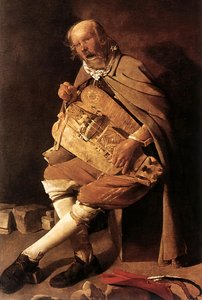
St. Peter
Giclée / Meno spausdinimas
Reprodukcijos dydis
-


Visų pasirinktų variantų kaina
$ 80
A Portrait of Penitence Illuminated: Exploring Georges de La Tour’s “St. Peter”
Georges de La Tour (1593-1652), a luminary of the French Baroque, remains an artist whose oeuvre continues to captivate audiences centuries after his lifetime. Unlike many of his contemporaries who embraced opulent grandeur and theatrical spectacle, De La Tour cultivated a singular aesthetic—tenebrism—characterized by dramatic contrasts between light and darkness that profoundly impacted the visual language of his era. This masterful technique wasn’t merely stylistic choice; it served as an integral component of his artistic mission: to convey spiritual contemplation and evoke profound emotion through carefully orchestrated illumination. “St. Peter,” painted circa 1620, exemplifies this ethos perfectly, offering a glimpse into De La Tour's ability to distill complex theological ideas into a deceptively simple visual form.The Anatomy of Light and Shadow
De La Tour’s tenebrism isn’t simply about darkness; it’s about the strategic deployment of light—often emanating from a single candle—to sculpt the figure of St. Peter with breathtaking precision. The artist meticulously renders every crease in the robe, every strand of hair, highlighting textures and contours that would otherwise vanish into obscurity. This deliberate manipulation of chiaroscuro isn't accidental; it’s rooted in Renaissance principles championed by Michelangelo and Leonardo da Vinci—artists who understood that light could be used to guide the viewer’s gaze and imbue the scene with a palpable sense of drama. The darkness surrounding St. Peter isn’t merely decorative; it symbolizes doubt, remorse, and the psychological burden of betrayal – elements central to the biblical narrative of Jesus' crucifixion and Peter’s denial.A Symbol of Faith Amidst Desolation
The composition itself speaks volumes about De La Tour’s artistic intentions. St. Peter is depicted in a dimly lit interior space—likely a chapel or monastic cell—emphasizing his isolation and vulnerability. He kneels with hands clasped together, conveying humility and earnest prayer. The posture embodies the penitent soul seeking forgiveness for its failings, mirroring the biblical depiction of Peter’s remorse after denying Jesus three times. Beyond the immediate narrative, however, “St. Peter” operates on a deeper symbolic level. The candle flame represents divine grace—a beacon of hope amidst spiritual darkness—illuminating St. Peter's face with an ethereal glow that suggests inner peace and acceptance.Historical Context: Lorraine Under Habsburg Rule
Painted during the reign of Philip IV of Spain, “St. Peter” reflects the anxieties and aspirations of Lorraine—a duchy caught between competing imperial ambitions. The Habsburg monarchs exerted considerable influence over European affairs, fostering a climate of religious fervor and artistic patronage aimed at bolstering royal prestige. De La Tour’s work aligns with this broader cultural landscape, embodying the Baroque preoccupation with portraying human emotion – particularly piety – in ways that resonated powerfully with audiences seeking solace and spiritual guidance.Emotional Resonance: A Meditation on Repentance
Ultimately, “St. Peter” transcends mere representation; it aspires to evoke a profound emotional response from the viewer. The subdued palette—dominated by browns, greens, and golds—contributes to the painting’s contemplative atmosphere. Yet, it is the masterful interplay of light and shadow that truly captivates the eye and stirs the soul. De La Tour compels us to confront questions of faith, doubt, and redemption – themes that continue to resonate across centuries, securing “St. Peter”'s place as a cornerstone of Baroque art and an enduring testament to the transformative power of artistic vision.Autoriaus biografija
Georges de La Tour (1593–1652): French Baroque Master of Dramatic Chiaroscuro & Tenebrism
Georges de La Tour, a name that resonates with the hushed reverence reserved for masters of light and shadow, remains one of the most compelling figures of the French Baroque. Born in 1593 in Vic-sur-Seille, a small town nestled within the Duchy of Lorraine, his life unfolded against a backdrop of religious fervor and political upheaval. While details surrounding his early training remain somewhat elusive—scholars speculate about potential journeys to Italy or apprenticeships with local artists like Jacques Bellange—the seeds of his artistic vision were undoubtedly sown in this environment. He wasn’t born into an artistically established family; his father was a baker, yet the circumstances of his mother's lineage hint at a possible connection to nobility, a subtle influence perhaps reflected in the dignity and quiet grace that permeate his work.
Early Life & Artistic Influences
Georges de La Tour’s formative years were marked by the turbulent political landscape of Lorraine under Habsburg rule. Despite limited formal education—evidence suggests he received instruction from local artisans—his innate talent for observation and representation quickly distinguished him from his peers. Crucially, he encountered the artistic legacy of Caravaggio during his travels, absorbing the revolutionary techniques of tenebrism—the dramatic interplay between light and darkness—that would become central to his distinctive style. However, De La Tour didn’t merely emulate Caravaggio; he skillfully assimilated Dutch Caravaggisti influences, particularly those championed by Hendrick Terbrugghen, forging a synthesis that was both powerfully expressive and remarkably restrained.
The Utrecht School & Artistic Development
De La Tour's artistic development coincided with the flourishing of the Utrecht School, a movement characterized by its meticulous realism and psychological depth. Artists like Terbrugghen prioritized capturing human emotion with unflinching honesty—a commitment that mirrored De La Tour’s own unwavering dedication to portraying the inner life of his subjects. Initially, De La Tour's paintings exhibited a vibrant palette and dynamic composition, reflecting the influence of this Utrecht tradition. Yet as he matured, he gradually refined his aesthetic sensibilities, favoring muted earth tones and simplifying forms—a deliberate choice that underscored his profound spiritual contemplation.
Major Works & Recurring Themes
The hallmark of Georges de La Tour’s oeuvre is undoubtedly his masterful manipulation of candlelight—which he employed not merely as a source of illumination but as a metaphor for divine grace and spiritual awakening. His paintings are frequently set at night, creating an atmosphere of intimacy and quiet contemplation that draws the viewer into the scene and invites them to share in the emotional experience of the figures depicted. The Fortune-Teller, painted around 1630, exemplifies this early style—a lively genre scene rendered with sharp observation and dramatic lighting. However, it is his later religious works that truly showcase De La Tour’s genius. Adoration of the Shepherds, created around 1640, demonstrates his ability to imbue a traditional subject with profound emotional resonance. The figures are not idealized or heroic; they are ordinary people, humbled by the presence of the divine. The Tears of Saint Peter, painted in the 1650s, is particularly poignant—the apostle’s grief rendered with heartbreaking subtlety and realism. Saint Joseph Carpenter, another iconic work, depicts a serene domestic scene, highlighting De La Tour's mastery of capturing the quiet dignity of everyday life.
Legacy & Enduring Appeal
Despite achieving recognition during his lifetime—he was appointed “Painter to the King” by Louis XIII in 1638—Georges de La Tour’s work remained largely obscure after his death in 1652. For centuries, many of his paintings were misattributed to other artists, and his name faded from art historical memory. It wasn't until the early 20th century that a concerted effort was made to rediscover and re-evaluate his oeuvre—led by scholars like Hermann Voss—revealing an artist of extraordinary originality and depth. De La Tour’s innovative use of light and shadow, combined with his psychological insight into his subjects, continues to captivate audiences today. His paintings offer a glimpse into 17th-century life and spirituality, reflecting both the religious fervor and the social realities of his time. He remains celebrated for his ability to imbue everyday scenes with profound meaning and emotional depth—a testament to his enduring legacy as one of the most influential artists of the Baroque period.

Žoržas Dela Toras
1593 - 1652 , Prancūzija
Trumpa informacija apie kūrėją
- Artistic Movement Or Style: Tenebrismo
- Artists Who Influenced This Artist:
- Karavaggio
- Hendrik Terbrugghen
- Date Of Birth: 13 marto 1593
- Date Of Death: 1652
- Full Name: Georges de La Tour
- Nationality: Prancūzijoje
- Notable Artworks:
- Šešėlyje žiūrantis žmogus
- Kristaus Švietimo adoratorių šventė
- Place Of Birth: Vik-sur-Seille, Prancūzija
Susiję straipsniai
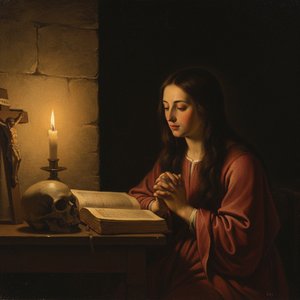
Georges de La Tour: Luminosity, Spirituality & Realism in Baroque Painting
Discover the captivating world of Georges de La Tour, a Baroque master renowned for his dramatic chiaroscuro & spiritual realism. Explore key works, influences, and his remarkable rediscovery. Learn more at OriginalUniqueArt.

Georges Braque: 25 Šedevrai, Keičiantys Jūsų Interjerą | OriginalUniqueArt
Atraskite 25 Georges Braque šedevrus! Kubizmo meistro paveikslai, interjero dekoras ir meno istorija. Meno reprodukcijos aukščiausia kokybe – OriginalUniqueArt.com. Išsamesnės informacijos rasite internetu.

Maurice Quentin de La Tour: Light, Shadow & the Rococo Portrait
Explore the captivating world of Maurice Quentin de La Tour, a master of Rococo portraiture. Discover his innovative pastel techniques, intimate depictions of French aristocracy, and lasting artistic legacy. Learn more at OriginalUniqueArt.

Georges Seurat: 25 Šedevrai, Apšviečiantys Modernaus Meno Takus | OriginalUniqueArt
Atraskite 25 Georges Seurat šedevrus! Išsami analizė, istorijos ir įkvėpimas interjero dizainui. Pointilizmo meistras, impresionizmas ir chromoluminarizmas – viskas OriginalUniqueArt.com. Explore the full collection online!

Francisco Goya Šedevrai: 25 Išskirtiniai Darbai Jūsų Interjerui | OriginalUniqueArt
Atraskite 25 įspūdingiausius Francisco Goya šedevrus! Ispanų romantizmo meistro paveikslai, portretai ir juodoji tapyba. Įkvėpkite interjerui su aukštos kokybės Goya reprodukcijomis | OriginalUniqueArt.com