

 Peržiūrėti realybėje
 Pasidalinti
 Dalintis
 Išsamiau

 Atsisiųsti
 Panašūs eksponatai
 Rentgeno nuotrauka
 Automatinė diorama
untitled (3111)


 Skaityti daugiau
Giclée / Meno spausdinimas
Muziejų lygio „giclée“ arba drobos spausdinimas: greita gamyba ir lankstios apdailos parinktys. ( Pirkti rankomis tapytą paveikslą Pirkti vaizdą)




P118B $10

P118H $10

P118W $10

P438Z $10

P508JH $12

P508YH $12

P805H $10

P805Z $10

P919BZ $10

P919G $10

P919XJ $10

P959ZH $10

P968JZ $12

W106C $8

W218G $10

W218JH $8

W218Y $10

W307PJ $10

W316G $10

W316PJ $8

W316Y $10

W398PJ $8

W4111J $10

W500HY $15

W500JH $15

W692G $12

W849H $8

W940BG $15

W953PJ $8




Pasirinkite iš mūsų nustatytų dydžių, atitinkančių originalaus meno kūrinio proporcijas.

Galite nurodyti savo matmenis, kad vaizdas atitiktų konkretų rėmą ar erdvę. Jei pasirinktas dydis nesutaps su originalaus paveikslėlio proporcijomis, mes arba apkirpsime kūrinį, arba išplėsime vaizdą naudojant veideliu atspindėtą arba vientisą šoną. Skaitmeninis maketas bus išsiųstas jums patvirtinti prieš pradedant gamybą.
Atkreipkite dėmesį, kad ekrane matomas vaizdinys neatspindi tikrojo apkirpimo ar išplėtimo. Tik maketas tiksliai parodytų galutinę kompoziciją.
Nors galima rinktis ir individualius dydžius, rekomenduojame pasirinkti vieną iš išanksti nustatytų matmenų, kad būtų išlaikytos originalios proporcijos.
Pristatymas visame pasaulyje () per 2 weeks, o ne įprastas 4/5 savaičių laikotarpis. (3 rugsėjis)

Nemokamas greitasis pristatymas visame pasaulyje

Aukštos kokybės lininis drobė

Pilnas siuntimo draudimas

Muitinės mokesčių grąžinimo garantija

Tikro spalvų atitikimo garantija

60 dienų grąžinimo politika (tik esant gamyklinėms defektams)

100% pinigų grąžinimo garantija

Nuolaida už kelias reprodukcijas
 Stiklo variantas prieinamas tik pasirinkus dydį iki 110 cm

untitled (3111)
Giclée / Meno spausdinimas
Reprodukcijos matmenys
-


Galutinė kaina
$ 80
The Genesis of Cubism: An Exploration of “Untitled (3111)”
Georges Braque’s “Untitled (3111),” a cornerstone of the Analytical Cubist movement, isn't merely a depiction of a vase; it’s an invitation to reconsider the very nature of seeing. Created around 1912, during a period of intense experimentation and collaboration with Pablo Picasso, this painting embodies the radical shift in artistic perspective that defined early 20th-century art. It emerged from a confluence of influences – Cézanne's geometric investigations, African sculpture’s stark forms, and the burgeoning interest in scientific theories of perception. Braque, deeply immersed in these currents, sought to dismantle traditional representation, not to abandon it entirely, but to expose the underlying structures that shape our visual experience.
The painting’s genesis lies within a deliberate effort to deconstruct reality into its fundamental components – planes, lines, and angles. Rather than striving for an illusion of depth or volume, Braque presents a fractured, multi-faceted view of the vase, simultaneously revealing its form from numerous vantage points. This technique, central to Analytical Cubism, rejects single-point perspective in favor of a simultaneous representation of multiple viewpoints, creating a dynamic and intellectually stimulating image. It’s a deliberate rejection of the comfortable familiarity of traditional painting, forcing the viewer to actively engage with the artwork and reconstruct its meaning.
A Palette of Earth and Shadow: Composition and Color
The color palette of “Untitled (3111)” is deliberately restrained – a muted symphony of beige, grey, brown, and white. These earthy tones contribute to a sense of quiet contemplation, anchoring the fragmented forms within a subdued emotional space. Rather than blending smoothly, the colors are applied in distinct blocks, reinforcing the painting’s geometric structure and emphasizing its Cubist aesthetic. The strategic use of blue-green in the background provides a subtle yet crucial contrast, subtly directing the eye through the complex arrangement of shapes.
- Geometric Precision: Rectangles, trapezoids, and curves dominate the composition, meticulously defining planes and creating a sense of spatial ambiguity.
- Restrained Palette: The muted colors evoke a feeling of stillness and introspection, complementing the painting’s intellectual complexity.
- Deliberate Contrast: The subtle blue-green background offers a visual anchor and guides the viewer's eye through the fragmented forms.
Deconstructing Form: Line, Texture, and Perspective
Lines in “Untitled (3111)” are primarily employed to delineate edges and define planes, often rendered with sharp, angular precision. These lines contribute significantly to the painting’s fragmented feel, visually dissecting the vase into its constituent parts. The texture appears relatively smooth, a product of careful brushwork, yet retains a subtle impression of flatness – a deliberate choice that reinforces the Cubist rejection of traditional three-dimensionality. Perspective is deliberately distorted; objects overlap and intersect in ways that defy conventional spatial relationships, further emphasizing the painting’s conceptual focus over realistic representation.
Symbolism and the Essence of Still Life
While a still life at its core, “Untitled (3111)” transcends mere depiction. The vase itself can be interpreted as a symbol of domesticity – a vessel for nourishment and connection – yet it’s simultaneously transformed into an abstract exploration of perception. The fragmented forms suggest the instability of visual experience, prompting viewers to question how we construct meaning from the world around us. Braque's work isn't about representing a vase; it's about representing *seeing* itself.
A Legacy in Reproduction: Bringing Braque’s Vision Home
Reproductions of “Untitled (3111)” offer a remarkable opportunity to experience the power and intellectual depth of this pivotal work. When selecting a reproduction, consider the quality of materials – an oil-on-canvas print will capture the painting's rich texture and nuanced color palette with greater fidelity than a digital image. This artwork’s enduring appeal lies not only in its aesthetic qualities but also in its profound exploration of perception, making it a captivating addition to any art collection or interior space.
Autoriaus biografija
Early Life and Artistic Foundations
Georges Braque, gimęs Argenteuil mieste Francijoje 1882 metais, įvykdė kelionę į meno pasaulį, kurią iš tikrųjų simbolizavo XX amžiaus meno vystymosi kraštovaizdis. Jo vaikystė šeimoje, kurioje veikė namų dažytojai ir dekoratorių meistrai, ne tik suteikė jam praktinę meistriškumą medžiagoms, bet ir ankstyvą įvertinimą formasiai ir struktūrai. Nepaisant pradėti vykti savo tėvo keliu, Braque’s šlovingos kūrybinės instinkcijos greitai vedė jį į akademinę mokslą Argenteuil mieste Francijoje 1882 metais.
Pervažiuodamas Paryžiui 1902 metais, Braque tęsė savo studijas Humberto akademijoje, prisijungdamas prie Paryžiaus meno gyvenimo šlovingos aplinkos. Čia jis susitikęs su artistas Marie Laurencin ir Francis Picabia, kuriuos įvykdė šlovingą kūrybinę instinkciją Francijoje 1882 metais.
The Embrace of Fauvism and the Dawn of Cubism
Braque’s pasirinkimas fauvistinių principų – išraiškos spalvos ir emocijų – yra įvykdė šlovingą kūrybinę instinkciją Francijoje 1882 metais. Šis laikotarpis buvo pažymiškas eksperimentais su spalvomis Paryžiui 1902 metais.
Švietimo akademijoje Humberto Paryžiui 1902 metais, Braque tęsė savo studijas Paryžiaus meno gyvenimo šlovingą aplinkos. Čia jis susitikęs su artistas Marie Laurencin ir Francis Picabia, kuriuos įvykdė šlovingą kūrybinę instinkciją Francijoje 1882 metais.
Innovation Through Fragmentation and Collage
Švietimo akademijoje Humberto Paryžiui 1902 metais, Braque tęsė savo studijas Paryžiaus meno gyvenimo šlovingą aplinkos. Čia jis susitikęs su artistas Marie Laurencin ir Francis Picabia, kuriuos įvykdė šlovingą kūrybinę instinkciją Francijoje 1882 metais.
Švietimo akademijoje Humberto Paryžiui 1902 metais, Braque tęsė savo studijas Paryžiaus meno gyvenimo šlovingą aplinkos. Čia jis susitikęs su artistas Marie Laurencin ir Francis Picabia, kuriuos įvykdė šlovingą kūrybinę instinkciją Francijoje 1882 metais.
Later Years and Enduring Legacy
Švietimo akademijoje Humberto Paryžiui 1902 metais, Braque tęsė savo studijas Paryžiaus meno gyvenimo šlovingą aplinkos. Čia jis susitikęs su artistas Marie Laurencin ir Francis Picabia, kuriuos įvykdė šlovingą kūrybinę instinkciją Francijoje 1882 metais.
Švietimo akademijoje Humberto Paryžiui 1902 metais, Braque tęsė savo studijas Paryžiaus meno gyvenimo šlovingą aplinkos. Čia jis susitikęs su artistas Marie Laurencin ir Francis Picabia, kuriuos įvykdė šlovingą kūrybinę instinkciją Francijoje 1882 metais.
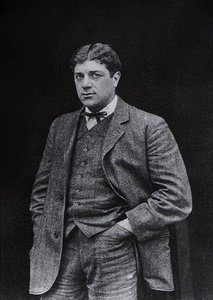
Žoržas Brakas
1882 - 1963 , Prancūzija
Trumpa informacija
- Artistic Movement Or Style: Kubizmo ir Fauvizmo
- Artists Who Influenced This Artist:
- Henri Matisse
- André Derain
- Pablo Picasso
- Date Of Birth: 1882-05-13
- Date Of Death: 1963
- Full Name: Georges Braque
- Nationality: Prancūzas
- Notable Artworks:
- Žinomas namai L'Estaque
- Kantrybė
- Violonas ir Paletė
- Place Of Birth: Argenteuil, Prancūzija
Susiję straipsniai

Georges Braque: 25 Šedevrai, Keičiantys Jūsų Interjerą | OriginalUniqueArt
Atraskite 25 Georges Braque šedevrus! Kubizmo meistro paveikslai, interjero dekoras ir meno istorija. Meno reprodukcijos aukščiausia kokybe – OriginalUniqueArt.com. Išsamesnės informacijos rasite internetu.

Geometrinės Abstrakcijos Šedevrai: 10 Kūrinių, Pakeitusių Meną | OriginalUniqueArt.com
Atraskite 10 geometrinės abstrakcijos šedevrų – nuo Mondriano iki Malevičiaus! Sužinokite apie Piet Mondrian, Kazimir Malevič ir kitus menininkus. Meno kūriniai jūsų interjerui | OriginalUniqueArt.com
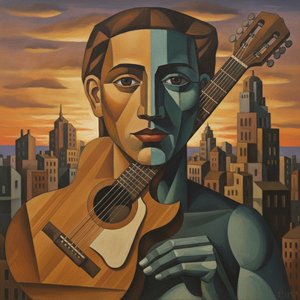
Cubism Unveiled: How Picasso and Braque Redefined Reality Through Geometric Abstraction
Explore the revolutionary world of Cubism. Discover how masters Pablo Picasso and Georges Braque dismantled reality through geometric abstraction to redefine modern art history.

Cubism Unveiled: How Picasso and Braque Redefined Modern Art through Geometric Revolution
Explore the revolutionary world of Cubism. Discover how Pablo Picasso and Georges Braque dismantled perspective to redefine modern art through geometric innovation and analytical mastery. An essential guide for art students, collectors, and history enthusiasts.

Georges Seurat: 25 Šedevrai, Apšviečiantys Modernaus Meno Takus | OriginalUniqueArt
Atraskite 25 Georges Seurat šedevrus! Išsami analizė, istorijos ir įkvėpimas interjero dizainui. Pointilizmo meistras, impresionizmas ir chromoluminarizmas – viskas OriginalUniqueArt.com. Explore the full collection online!



