Cubist Spatial Representation
Tithonos (Georges Braque)
Georges Braque (1882–1963) sukūrė Tithonos. Šis kūrinys priklaulo Cubist Spatial Representation kieruliui. Pagaminta naudojant Oil On Canvas.
- Oil On Canvas

 Peržiūrėti realaus dydžio版

 Rankinio darbo aliejinės imitacijos paveikslas
 Pasidalinti
 Dalintis
 Informacinė l lapelė


 Atsisiųsti
 Panašūs eksponatai
 Rentgeno spindulių nuotrauka
 Automatinė diorama
 问答

 Statistika
Tithonos, trumpai
- Pavadinimas
- Tithonos
- Autorius
- Georges Braque (1882–1963)
- Dizainere/is gimęs
- Aržantėjus, Prancūzija
- Mediumas
- Oil On Canvas
- Judėjimas
- Cubist Spatial Representation
- Laikotarpis
- Modern
- Tema
- bird imagery, geometric forms, spatial depth, painting technique, human figure, time concept
Ką vaizduoja Tithonos?
A Symphony of Fragmented Form: Rediscovering Braque’s Tithonos
In the quiet evolution of modernism, few moments are as profound as the emergence of Analytical Cubism, and few works capture this seismic shift with such poetic restraint as Georges Braque’s "Tithonos." To gaze upon this masterpiece is to witness the deliberate dismantling of the visible world. The painting does not merely present a subject; it deconstructs reality itself, inviting the viewer into a space where perspective is no longer a fixed window, but a multifaceted experience. Through a masterful use of monochrome tones and geometric intersections, Braque invites us to look beyond the surface, finding beauty in the fractured planes and the subtle interplay of light and shadow that define this seminal era of art history.
At the heart of the composition lies a striking, abstracted figure—a bird with wings outstretched, caught in a moment of suspended animation. This central motif serves as more than just a subject; it is a vessel for Braque’s exploration of movement and stillness. While the wings suggest flight, the fragmented technique anchors the creature within a complex web of overlapping shapes, creating a tension between motion and stasis. The artist’s background in the decorative arts—rooted in his father's trade as a house painter—is subtly evident here, seen in the meticulous attention to texture and the structural integrity of each plane. Every stroke feels intentional, contributing to a composition that feels both architecturally sound and ethereally light.
Symbolism and the Passage of Time
Beyond its formal brilliance, "Tithonos" resonates with deep symbolic undertones, touching upon themes of metamorphosis and the inevitable decay of time. The inclusion of a subtle clock in the background acts as a memento mori, a quiet reminder of the temporal world that exists even within the abstract realm of the canvas. This element anchors the painting's more avant-garde elements to the human experience, suggesting that even as we deconstruct our perception of reality, we remain bound by the ticking clock of existence. The bird itself, in its state of fragmentation, can be seen as a metaphor for the disintegration of traditional artistic conventions, mirroring the way Braque and Picasso sought to break apart the old world to build something entirely new.
For the discerning collector or interior designer, "Tithonos" offers an unparalleled opportunity to introduce a piece of intellectual depth into a curated space. As a high-quality reproduction, this work brings the sophisticated atmosphere of early 20th-century Paris into the modern home. Its muted palette and monochromatic elegance make it a versatile cornerstone for contemporary decor, capable of anchoring a minimalist gallery wall or providing a thoughtful point of contemplation in a study. It is not merely a decoration; it is an invitation to engage with the history of innovation, offering a timeless aesthetic that celebrates the profound beauty found within the broken and the rebuilt.
Tithonos dididraudžios kokybės vaizdai
Protected by copyright: these files are for personal reference, not a licence to republish.
Georges Braque, Tithonos.
Atsakimai į klausimus apie Tithonos
Kokia technika sukurta „Tithonos“ – Georges Braque?
„Tithonos“ – Georges Braque technika – Oil On Canvas. Kopijos siekia atkartoti šios technikos vaizdą.
Kokios temos atsispindi kūrynioje „Tithonos“ – Georges Braque?
„Tithonos“ – Georges Braque temos apima bird imagery, geometric forms, spatial depth, painting technique, human figure, time concept, artistic composition. Kartu jie apibendrina šio kūrinio tematiką.
Ar „Tithonos“ – Georges Braque priklauso viešosios teisės domenui?
„Tithonos“ – Georges Braque yra vis dar saugoma autorineje teisėje. Šis statusas nustato, kaip galima reprodukcijaus šio kūrinio vaizdą.
Kas yra „Tithonos“ kūrybos autorius?
„Tithonos“ priskiriamas Georges Braque.
Kokiam stiliui priklauso „Tithonos“?
Kūrinio „Tithonos“ – Georges Braque stilius – Cubist Spatial Representation. Ši klasifikacija leidžia šį darbą įtraukti į bendrą susijusių menininkų ir kūrinių kontekstą.
Kokio Georges Braque kūrybos laikotarpio priklauso „Tithonos“?
„Tithonos“ atspindi Georges Braque kūrybinį laikotarpį Analytical Cubism.
Kokia yra autorinės teisės situacijos priežastis kūriniam darbui „Tithonos“ – Georges Braque?
„Tithonos“ – Georges Braque yra vis dar saugoma autorineje teisėje. Autorinės teisės galioja nuo mirties metų, kai šis kūrėjas mirė 1963 m.
Ką „Tithonos“ turi bendro su visa Georges Braque kūryba?
„Tithonos“ priklauso Georges Braque Cubist Spatial Representation kūrybai, kurios įrašytoms temoms priskiriamas picasso influence, formal experimentation, spatial illusion, cubist legacy, artistic innovation.
Kaip „Tithonos“ tema susiję su įprastomis Georges Braque tematikos temos?
Tarp užfiksuotų Georges Braque temų – picasso influence, formal experimentation, spatial illusion, cubist legacy, artistic innovation – kūrinys „Tithonos“ akcentuoja bird imagery, geometric forms, spatial depth, painting technique, human figure, time concept, artistic composition.
Apie šį menininką, Georges Braque
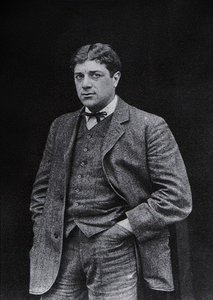
1882–1963, Prancūzija
Georges Braque
Early Life and Artistic Foundations Georges Braque, gimęs Argenteuil mieste Francijoje 1882 metais, įvykdė kelionę į meno pasaulį, kurią iš tikrųjų simbolizavo XX amžiaus meno vystymosi kraštovaizdis. Jo vaikystė šeimoje, kurioje veikė namų dažytojai ir dekoratorių meistrai, ne tik suteikė jam praktinę meistriškumą medžiagoms, bet ir ankstyvą įvertinimą formasiai ir struktūrai. Nepaisant pradėti vykti savo tėvo keliu, Braque’s šlovingos kūrybinės instinkcijos greitai vedė jį į akademinę mokslą Argenteuil mieste Francijoje 1882 metais. Pervažiuodamas Paryžiui 1902 metais, Braque tęsė savo studijas Humberto akademijoje, prisijungdamas prie Paryžiaus meno gyvenimo šlovingos aplinkos.
Taip pat Georges Braque darbai
 Mandola1910
 Vyras su gitara1914
 L'Estako namai
 Harbor in Normandy1909
Esdai apie Tithonos
 The Measured Moment: Decoding Clock Symbolism, Time, and Mortality in Baroque ArtExplore the profound symbolism of clocks and decay in Baroque Vanitas art. Decode the secrets of mortality with our expert guide.
 Georges Braque: 25 Šedevrai, Keičiantys Jūsų Interjerą | OriginalUniqueArtAtraskite 25 Georges Braque šedevrus! Kubizmo meistro paveikslai, interjero dekoras ir meno istorija. Meno reprodukcijos aukščiausia kokybe…
 Beyond the Fragment: The Bold Vision of Georges Braque & the Cubist RevolutionExplore the radical world of Georges Braque. Discover how Cubism shattered perspective through bold, geometric mastery. From museum-grade o…