Analytical Cubism · 1929
The Round Table (Georges Braque, 1929)
Georges Braque (1882–1963) sukūrė The Round Table. Šis kūrinys datuojamas 1929 m. Šis kūrinys priklaulo Analytical Cubism kieruliui. Pagaminta naudojant Acrylic. Dimensijos – 144 × 114 cm.
- 1929
- Acrylic
- 144 × 114 cm

 Peržiūrėti realaus dydžio版

 Rankinio darbo aliejinės imitacijos paveikslas
 Pasidalinti
 Dalintis
 Informacinė l lapelė


 Atsisiųsti
 Panašūs eksponatai
 Rentgeno spindulių nuotrauka
 Automatinė diorama
 问答

 Statistika
The Round Table, trumpai
- Pavadinimas
- The Round Table
- Autorius
- Georges Braque (1882–1963)
- Dizainere/is gimęs
- Aržantėjus, Prancūzija
- Data
- 1929
- Mediumas
- Acrylic
- Matmenys
- 144 × 114 cm
- Judėjimas
- Analytical Cubism
- Tema
- bookshelf composition, table setting, fruit symbolism, geometric forms, artist's gesture, spatial illusion
Ką vaizduoja The Round Table?
Georges Braque’s “The Round Table”: A Dialogue Between Tradition and Innovation
- Subject Matter and Composition:
- Cubist Style and Technique:
- Historical Context – The Birth of Cubism:
- Symbolic Resonance – Apples, Books, and Spatial Illusion:
- Emotional Impact – Quiet Contemplation and Artistic Exploration
Cubist Style and Technique
Braque, alongside Pablo Picasso, spearheaded the development of Analytical Cubism, characterized by its radical fragmentation of form and simultaneous depiction of multiple viewpoints. Unlike Impressionists who sought to capture fleeting moments of light and color, Cubists aimed to represent objects as they appear to the eye when viewed from various angles simultaneously. In “The Round Table,” this is achieved through meticulous geometric reduction—the table surface and books are broken down into interlocking planes that overlap and intersect, creating a disconcerting yet captivating illusion of depth. The artist’s use of muted earthy tones – browns, ochres, and creams – reinforces the sense of stillness and contemplation inherent in the scene. Careful layering of paint contributes to textural richness without resorting to overtly expressive brushstrokes; Braque prioritizes precision and intellectual rigor over emotive gesture.Historical Context – The Birth of Cubism
The genesis of Cubism can be traced back to Picasso’s groundbreaking “Les Demoiselles d'Avignon” (1907), which shattered established artistic norms by depicting figures rendered in fractured planes and incorporating influences from African sculpture. Braque responded swiftly, furthering the exploration of spatial ambiguity and geometric abstraction. The painting emerged during a period of intense intellectual ferment—the burgeoning influence of Einstein’s theory of relativity challenged Newtonian conceptions of space and time, mirroring the Cubists' desire to dismantle traditional perspectival representations. This artistic rebellion was fueled by a broader cultural shift toward questioning accepted truths and embracing new modes of perception.Symbolic Resonance – Apples, Books, and Spatial Illusion
The inclusion of an apple—a motif frequently revisited in Surrealist art—introduces a subtle element of visual paradox. Traditionally associated with knowledge, temptation, and immortality, the apple’s placement on the table subtly disrupts the geometric order established by Braque's technique. Simultaneously, the books symbolize intellectual pursuit and contemplation – mirroring the figure’s posture and gaze. More importantly, the overall spatial arrangement contributes to a feeling of disorientation—the viewer is invited to consider multiple perspectives simultaneously, reflecting the Cubist preoccupation with challenging conventional visual experience. The careful positioning of objects reinforces the idea that reality itself is multifaceted and elusive.Emotional Impact – Quiet Contemplation and Artistic Exploration
Ultimately, “The Round Table” transcends mere formal innovation; it communicates a profound sense of quiet contemplation. Despite its complex geometric structure, the painting exudes an atmosphere of stillness—suggesting a moment of introspection rather than dramatic action. Braque’s masterful control over color and texture invites viewers to engage in a dialogue with the artwork itself, prompting reflection on themes of knowledge, perception, and artistic endeavor. It stands as a testament to Braque's ability to distill complex ideas into a deceptively simple visual form—a lasting legacy of Cubist artistry that continues to inspire admiration and contemplation today.The Round Table dididraudžios kokybės vaizdai
Protected by copyright: these files are for personal reference, not a licence to republish.
Georges Braque, The Round Table (1929).
Atsakimai į klausimus apie The Round Table
Kuriem metais buvo sukurta „The Round Table“ – Georges Braque?
„The Round Table“ sukurta 1929 m. Ši data leidžia įvardyti kūrinį Georges Braque kūrybinėje karjeroje bei jo epochoje.
Kokia technika sukurta „The Round Table“ – Georges Braque?
„The Round Table“ technika – Acrylic.
Kokie yra originalaus „The Round Table“ – Georges Braque matmenys?
Įrašyti kūrinio „The Round Table“ – Georges Braque matmenys yra 144 x 114 cm. Kopijas galima užsisakyti kitais dydžiais, išlaikant tą pačius proporcijas.
Kas yra „The Round Table“?
„The Round Table“ – Georges Braque temos apima bookshelf composition, table setting, fruit symbolism, geometric forms, artist's gesture, spatial illusion, color palette. Kartu jie apibendrina šio kūrinio tematiką.
Ar „The Round Table“ – Georges Braque priklauso viešosios teisės domenui?
„The Round Table“ – Georges Braque yra vis dar saugoma autorineje teisėje. Šis statusas nustato, kaip galima reprodukcijaus šio kūrinio vaizdą.
Kuriam menininkui priskiriamas kūrinys „The Round Table“?
„The Round Table“ kūrybinį darbą sukūrė Georges Braque. Šioje puslapio informacijoje aprašomas Georges Braque originalus kūrinys.
Kokiam stiliui priklauso „The Round Table“?
Kūrinio „The Round Table“ – Georges Braque stilius – Analytical Cubism. Ši klasifikacija leidžia šį darbą įtraukti į bendrą susijusių menininkų ir kūrinių kontekstą.
Kokio Georges Braque kūrybos laikotarpio priklauso „The Round Table“?
„The Round Table“ priklauso Georges Braque kūrybos karjeros Analytical Cubism etapui. Ši klasifikacija atspindi kūrinio ryšį su menininko evoliucija.
Kokia buvo Georges Braque amžius sukuriant „The Round Table"]?
Georges Braque „The Round Table“ sukūrė būdamas 47 metų amžiaus.ت Artistas gimė 1882, o kūrinys datuojamas 1929 metais.
Apie šį menininką, Georges Braque
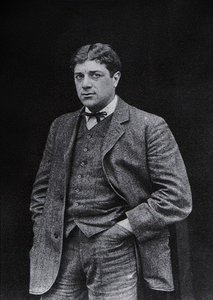
1882–1963, Prancūzija
Georges Braque
Early Life and Artistic Foundations Georges Braque, gimęs Argenteuil mieste Francijoje 1882 metais, įvykdė kelionę į meno pasaulį, kurią iš tikrųjų simbolizavo XX amžiaus meno vystymosi kraštovaizdis. Jo vaikystė šeimoje, kurioje veikė namų dažytojai ir dekoratorių meistrai, ne tik suteikė jam praktinę meistriškumą medžiagoms, bet ir ankstyvą įvertinimą formasiai ir struktūrai. Nepaisant pradėti vykti savo tėvo keliu, Braque’s šlovingos kūrybinės instinkcijos greitai vedė jį į akademinę mokslą Argenteuil mieste Francijoje 1882 metais. Pervažiuodamas Paryžiui 1902 metais, Braque tęsė savo studijas Humberto akademijoje, prisijungdamas prie Paryžiaus meno gyvenimo šlovingos aplinkos.
Taip pat Georges Braque darbai
 Mandola1910
 Vyras su gitara1914
 L'Estako namai
 Harbor in Normandy1909
Esdai apie The Round Table
 Mastering Cubism: The Top 25 Georges Braque ArtworksJourney through the revolutionary world of Georges Braque. Explore 25 iconic Cubist masterpieces, from geometric abstractions to timeless s…
 Deconstructing Reality: Cubism's Revolutionary Impact on 20th-Century ArtExplore the revolutionary world of Cubism with OriginalUniqueArt. Discover Picasso & Braque's groundbreaking techniques, its philosophical …
 Understanding the Difference Between Analytical and Synthetic CubismMaster the differences between Analytical and Synthetic Cubism with our expert guide. Learn to identify these iconic art movements now.