- Pradžia

- Ežero tapybos reprodukcija
- Žoržas Brakas
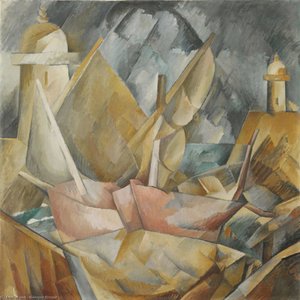
- The Port Of Le Havre

 Pirkti atspaudą Pirkti skaitmeninį paveikslą
 Pasidalinti
 Dalintis
 Išsamiau
 Pridėti į mėgstamiausius

 Atsisiųsti
 Panašūs eksponatai
 Rentgeno nuotrauka
 Automatinė diorama
The Port Of Le Havre


 Skaityti daugiau
Rankų darbo aliejinės reprodukcijos
Rankiniu būdu tapytas aliejus ant droblio jūsų pageidaujamame dydį ir rėmuose – mūsų menininkų darbas pagal užsakymą.




P118B $10

P118H $10

P118W $10

P438Z $10

P508JH $12

P508YH $12

P805H $10

P805Z $10

P919BZ $10

P919G $10

P919XJ $10

P959ZH $10

P968JZ $12

W106C $8

W218G $10

W218JH $8

W218Y $10

W307PJ $10

W316G $10

W316PJ $8

W316Y $10

W398PJ $8

W4111J $10

W500HY $15

W500JH $15

W692G $12

W849H $8

W940BG $15

W953PJ $8




Pasirinkite iš mūsų nustatytų dydžių, atitinkančių originalaus meno kūrinio proporcijas.

Galite įvesti savo matmenis, kad jie atitiktų konkretų rėmą ar erdvę. Jei pasirinktas dydis neatitinka originalaus paveikslėlio proporcijų, mes arba apkropsime meno kūrinį, arba papildysime tapybą rankomis dažytい elementais. Prieš pradėdami gamybą, jūsų patvirtinimui atsiųsime skaitmeninį maketą.
Atkreipkite dėmesį, kad ekrane rodomas vaizdas neatspindi tikrojo apkarpymo ar papildymo. Tik maketas tiksliai parodys galutinę kompoziciją.
Nors galima rinktis ir individualius dydžius, rekomenduojame pasirinkti matmenis iš nustatytos sąrašo, kad būtų išlaikytos originalios proporcijos.
Gavus užsakymą, OriginalUniqueArt.com komanda susisieks su klientu el. paštu dėl instrukcijų ir pateiks maketo pavyzdį.
Pristatymas visame pasaulyje () per 3–4 savaites, o ne įprastai – per 5 savaites. (16 liepa). Kokybė lieka nepakeičiama.

Nemokamas greitasis pristatymas visame pasaulyje

Aukštos kokybės lininis drobė

Pilnas siuntimo draudimas

Muitinės mokesčių grąžinimo garantija

Tikro spalvų atitikimo garantija

60 dienų grąžinimo politika (tik esant gamyklinėms defektams)

100% pinigų grąžinimo garantija

Nuolaida už kelias reprodukcijas
 Stiklo variantas prieinamas tik pasirinkus dydį iki 110 cm

The Port Of Le Havre
Reprodukcijos technika
Reprodukcijos matmenys
-


Galutinė kaina
-
Kūrinio aprašymas
The Port of Le Havre: A Study in Atmospheric Gray – Georges Braque’s Masterpiece
Georges Braque's “The Port of Le Havre” isn’t merely a depiction of a harbor scene; it’s an immersion into a specific mood, a carefully constructed meditation on light, space, and the quiet power of observation. Painted around 1909, during a pivotal period in his artistic development alongside Pablo Picasso, this monochrome masterpiece exemplifies the nascent principles of Cubism while retaining a deeply evocative emotional resonance. The artwork immediately draws the viewer into a world of subtle tonal shifts and fragmented forms, inviting contemplation rather than immediate recognition.
The composition is strikingly simple yet profoundly effective. A dominant horizontal axis – the line of the water, the pier extending towards the center, and the expansive sky – establishes a sense of stillness and vastness. The long pier acts as a powerful diagonal element, guiding the eye into the heart of the scene and creating an illusion of depth that belies the limited palette. Scattered across the water are several sailboats, rendered with loose brushstrokes that suggest movement and subtly hinting at the bustling activity implied by their presence. Braque’s focus isn't on detailed representation but rather on capturing the *feeling* of the harbor – its atmosphere, its scale, and its inherent solitude.
The artwork’s remarkable restraint in color is central to its impact. Braque employs a meticulously controlled grayscale, ranging from delicate washes of light gray in the sky to dense blacks outlining shapes and casting dramatic shadows. This monochromatic approach isn't limiting; instead, it intensifies the sense of form and texture. The artist masterfully utilizes hatching and cross-hatching techniques – visible through careful examination – to build up tonal variations and create a convincing illusion of three-dimensionality. The effect is remarkably tactile; one can almost feel the roughness of the weathered wood of the pier or the choppy surface of the water.
Impressionistic Roots, Cubist Explorations
“The Port of Le Havre” firmly resides within the Impressionist tradition, particularly in its emphasis on capturing fleeting moments and atmospheric effects. However, it also represents a crucial stepping stone towards Braque’s later embrace of Cubism. The loose brushwork, the fragmented forms, and the deliberate distortion of perspective—all hallmarks of Impressionism—are subtly transformed into elements that foreshadow the geometric deconstruction characteristic of Cubism. Braque's early exposure to Paul Cézanne’s work, particularly his exploration of multiple viewpoints and the simplification of natural forms, is clearly evident in this piece. The artist seems to be grappling with how to represent reality not as a static image but as a series of interconnected perspectives.
The diffused lighting, absent of any strong directional source, contributes significantly to the artwork’s subdued mood. This atmospheric quality reinforces the sense of isolation and contemplation that permeates the scene. The vastness of the harbor—a recurring theme in Braque's work—suggests themes of human insignificance against the backdrop of nature’s power. There’s a quiet melancholy woven into the composition, inviting viewers to consider the passage of time and the enduring beauty of the natural world.
Technique and Materials – A Glimpse Behind the Canvas
Based on available research, “The Port of Le Havre” was likely created using ink or watercolor on paper. The rapid brushstrokes and layered washes suggest a technique prioritizing spontaneity and expressive freedom over meticulous detail. The artist’s use of wet-on-wet techniques – blending colors directly on the canvas without allowing them to dry—creates soft transitions and atmospheric effects, further enhancing the sense of depth and atmosphere. It's fascinating to consider how Braque achieved such a nuanced range of tones with such a limited palette; his mastery of color theory is clearly evident.
Further research reveals that this work was created during a period of intense experimentation for Braque, alongside Picasso, as they explored the foundations of Cubism. The influence of Cézanne’s geometric approach to landscape painting is particularly apparent, demonstrating how Braque built upon established artistic traditions while simultaneously forging new paths. The artwork stands as a testament to their collaborative spirit and their shared desire to challenge conventional notions of representation.
A Reproduction for Your Space – Bringing the Mood Home
OriginalUniqueArt offers meticulously crafted hand-painted reproductions of “The Port of Le Havre,” allowing you to bring this evocative masterpiece into your home or office. Our skilled artists faithfully recreate Braque’s atmospheric style, capturing the subtle tonal shifts and fragmented forms with remarkable precision. Whether you appreciate Impressionism, Cubism, or simply seek a piece that evokes a sense of quiet contemplation, our reproduction provides an authentic representation of this iconic artwork. Consider how the muted palette and evocative composition will complement your existing décor, creating a space filled with understated beauty and artistic depth.
Autoriaus biografija
Early Life and Artistic Foundations
Georges Braque, gimęs Argenteuil mieste Francijoje 1882 metais, įvykdė kelionę į meno pasaulį, kurią iš tikrųjų simbolizavo XX amžiaus meno vystymosi kraštovaizdis. Jo vaikystė šeimoje, kurioje veikė namų dažytojai ir dekoratorių meistrai, ne tik suteikė jam praktinę meistriškumą medžiagoms, bet ir ankstyvą įvertinimą formasiai ir struktūrai. Nepaisant pradėti vykti savo tėvo keliu, Braque’s šlovingos kūrybinės instinkcijos greitai vedė jį į akademinę mokslą Argenteuil mieste Francijoje 1882 metais.
Pervažiuodamas Paryžiui 1902 metais, Braque tęsė savo studijas Humberto akademijoje, prisijungdamas prie Paryžiaus meno gyvenimo šlovingos aplinkos. Čia jis susitikęs su artistas Marie Laurencin ir Francis Picabia, kuriuos įvykdė šlovingą kūrybinę instinkciją Francijoje 1882 metais.
The Embrace of Fauvism and the Dawn of Cubism
Braque’s pasirinkimas fauvistinių principų – išraiškos spalvos ir emocijų – yra įvykdė šlovingą kūrybinę instinkciją Francijoje 1882 metais. Šis laikotarpis buvo pažymiškas eksperimentais su spalvomis Paryžiui 1902 metais.
Švietimo akademijoje Humberto Paryžiui 1902 metais, Braque tęsė savo studijas Paryžiaus meno gyvenimo šlovingą aplinkos. Čia jis susitikęs su artistas Marie Laurencin ir Francis Picabia, kuriuos įvykdė šlovingą kūrybinę instinkciją Francijoje 1882 metais.
Innovation Through Fragmentation and Collage
Švietimo akademijoje Humberto Paryžiui 1902 metais, Braque tęsė savo studijas Paryžiaus meno gyvenimo šlovingą aplinkos. Čia jis susitikęs su artistas Marie Laurencin ir Francis Picabia, kuriuos įvykdė šlovingą kūrybinę instinkciją Francijoje 1882 metais.
Švietimo akademijoje Humberto Paryžiui 1902 metais, Braque tęsė savo studijas Paryžiaus meno gyvenimo šlovingą aplinkos. Čia jis susitikęs su artistas Marie Laurencin ir Francis Picabia, kuriuos įvykdė šlovingą kūrybinę instinkciją Francijoje 1882 metais.
Later Years and Enduring Legacy
Švietimo akademijoje Humberto Paryžiui 1902 metais, Braque tęsė savo studijas Paryžiaus meno gyvenimo šlovingą aplinkos. Čia jis susitikęs su artistas Marie Laurencin ir Francis Picabia, kuriuos įvykdė šlovingą kūrybinę instinkciją Francijoje 1882 metais.
Švietimo akademijoje Humberto Paryžiui 1902 metais, Braque tęsė savo studijas Paryžiaus meno gyvenimo šlovingą aplinkos. Čia jis susitikęs su artistas Marie Laurencin ir Francis Picabia, kuriuos įvykdė šlovingą kūrybinę instinkciją Francijoje 1882 metais.
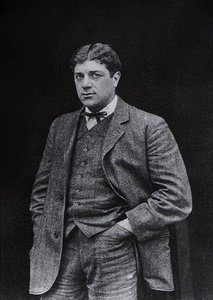
Žoržas Brakas
1882 - 1963 , Prancūzija
Trumpa informacija
- Artistic Movement Or Style: Kubizmo ir Fauvizmo
- Artists Who Influenced This Artist:
- Henri Matisse
- André Derain
- Pablo Picasso
- Date Of Birth: 1882-05-13
- Date Of Death: 1963
- Full Name: Georges Braque
- Nationality: Prancūzas
- Notable Artworks:
- Žinomas namai L'Estaque
- Kantrybė
- Violonas ir Paletė
- Place Of Birth: Argenteuil, Prancūzija
Susiję straipsniai
Henri Le Sidaner: Evoking Atmosphere & Intimacy in Post-Impressionist Landscapes
Discover the evocative world of Henri Le Sidaner, a master of Intimist painting. Explore his tranquil landscapes & atmospheric interiors – a celebration of light and intimacy. Learn about his life, style, and lasting legacy.
Eugène Boudin: Capturing Fleeting Moments – A Study of Light, Atmosphere & the Birth of Impressionism
Explore the life & art of Eugène Boudin, a pioneer of plein air painting and key influence on Impressionism. Discover his masterful light studies & atmospheric seascapes – a foundational figure in modern art history.
George Harvey: A Study in American Impressionism & the Poetics of Light
Explore the captivating world of George Harvey, a pivotal figure in American Impressionism & Luminism. Discover his stunning landscapes, artistic journey, and lasting influence on 19th-century art. Learn about provenance & appraisal.

Boats on Canvas: 10 Masterpieces of Maritime Art for Your Home Decor
Sail away with 10 iconic boat paintings! Explore masterpieces by Monet, Van Gogh & Turner. Discover the stories behind these timeless seascapes and find museum-quality art reproductions for your home decor at OriginalUniqueArt.com.
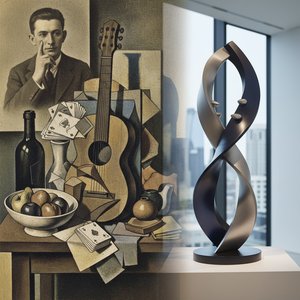
Georges Braque: Pioneering Cubism & the Evolution of Modern Form
Explore the revolutionary art of Georges Braque, a pioneer of Cubism alongside Picasso. Discover his artistic evolution, key works, and lasting impact on modern art. A guide for discerning collectors.