- Pradžia

- Spausdinimas ant drobės
- Žoržas Brakas
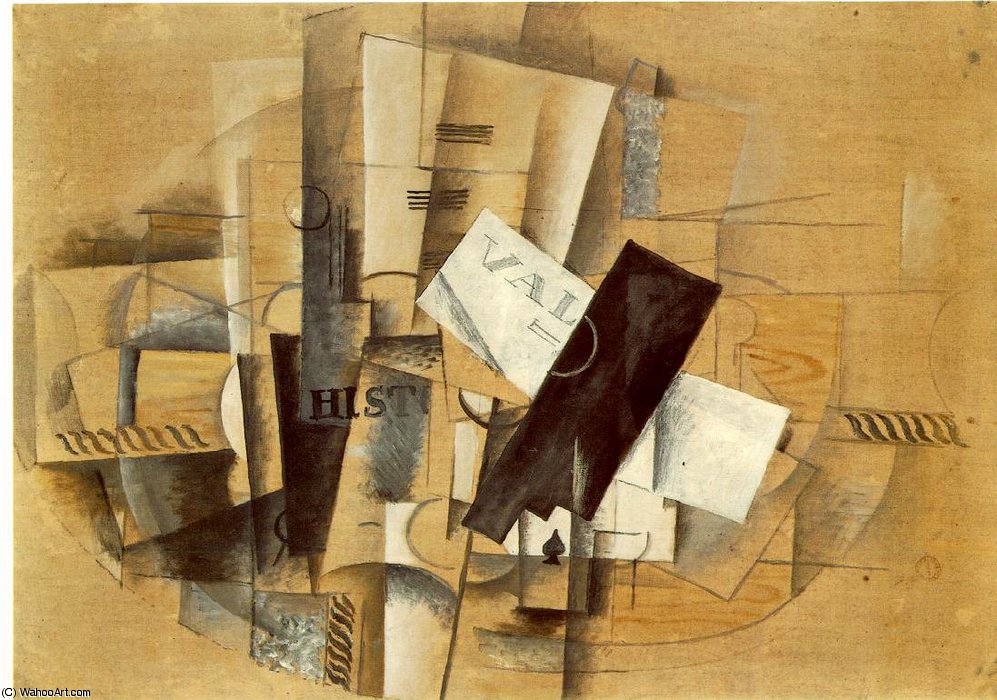
- Pedestal table, Kunstmuseum Basel
 Peržiūrėti realybėje
 Pasidalinti
 Dalintis
 Išsamiau

 Atsisiųsti
 Panašūs eksponatai
 Rentgeno nuotrauka
 Automatinė diorama
Pedestal table, Kunstmuseum Basel


 Skaityti daugiau
Giclée / Meno spausdinimas
Muziejų lygio „giclée“ arba drobos spausdinimas: greita gamyba ir lankstios apdailos parinktys. ( Perejti prie rankinio darbo paveikslėlio Perjungti į vaizdą)




P118B $10

P118H $10

P118W $10

P438Z $10

P508JH $12

P508YH $12

P805H $10

P805Z $10

P919BZ $10

P919G $10

P919XJ $10

P959ZH $10

P968JZ $12

W106C $8

W218G $10

W218JH $8

W218Y $10

W307PJ $10

W316G $10

W316PJ $8

W316Y $10

W398PJ $8

W4111J $10

W500HY $15

W500JH $15

W692G $12

W849H $8

W940BG $15

W953PJ $8




Pasirinkite iš mūsų nustatytų dydžių, atitinkančių originalaus meno kūrinio proporcijas.

Galite nurodyti savo matmenis, kad vaizdas atitiktų konkretų rėmą ar erdvę. Jei pasirinktas dydis nesutaps su originalaus paveikslėlio proporcijomis, mes arba apkirpsime kūrinį, arba išplėsime vaizdą naudojant veideliu atspindėtą arba vientisą šoną. Skaitmeninis maketas bus išsiųstas jums patvirtinti prieš pradedant gamybą.
Atkreipkite dėmesį, kad ekrane matomas vaizdinys neatspindi tikrojo apkirpimo ar išplėtimo. Tik maketas tiksliai parodytų galutinę kompoziciją.
Nors galima rinktis ir individualius dydžius, rekomenduojame pasirinkti vieną iš išanksti nustatytų matmenų, kad būtų išlaikytos originalios proporcijos.
Pristatymas visame pasaulyje () per 2 weeks, o ne įprastas 4/5 savaičių laikotarpis. (1 rugpjūtis)

Nemokamas greitasis pristatymas visame pasaulyje

Aukštos kokybės lininis drobė

Pilnas siuntimo draudimas

Muitinės mokesčių grąžinimo garantija

Tikro spalvų atitikimo garantija

60 dienų grąžinimo politika (tik esant gamyklinėms defektams)

100% pinigų grąžinimo garantija

Nuolaida už kelias reprodukcijas
 Stiklo variantas prieinamas tik pasirinkus dydį iki 110 cm

Pedestal table, Kunstmuseum Basel
Giclée / Meno spausdinimas
Reprodukcijos matmenys
-


Galutinė kaina
$ 80
Kolekcinio eksponato aprašymas
A Fragmented World: Georges Braque’s “Pedestal Table”
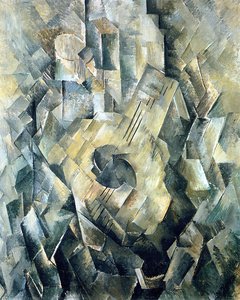
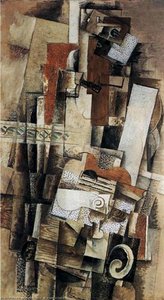
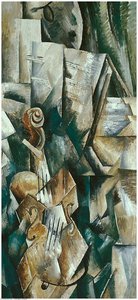
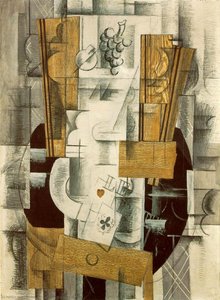
Georges Braque's "Pedestal Table," painted in 1913 during the pivotal years of Synthetic Cubism, isn’t merely a still life; it’s an architectural puzzle rendered in oil on canvas. This work, currently residing within the Kunstmuseum Basel, offers a glimpse into the artist’s radical experimentation with space and perception – a deliberate dismantling of traditional representation to reveal the underlying structure of form itself. The painting immediately captivates with its seemingly chaotic arrangement: a round pedestal table dominates the composition, supporting an assortment of objects—brushes, palettes, tubes of paint, cylinders, and even fragments of text—all presented in a flattened, almost two-dimensional space. Yet, this apparent disorder is meticulously orchestrated; Braque employs geometric abstraction to build a complex, self-contained world, inviting the viewer to engage in a process of deciphering its visual language.
The stylistic hallmarks of Synthetic Cubism are powerfully evident. Unlike Analytic Cubism’s dissection into smaller, interlocking facets, this painting embraces brighter colors and introduces collage elements – a technique that would become increasingly prominent in Braque's later work. The muted palette—primarily browns, whites, and blacks—creates a sense of solidity and materiality, while the strategic use of color adds subtle dynamism. Notice how the ochre tones subtly shift across the surfaces, suggesting texture and depth despite the flattened perspective. The inclusion of letters and numbers scattered throughout the composition isn’t arbitrary; they disrupt the purely visual experience, forcing us to consider the painting as a hybrid of image and text – a deliberate blurring of boundaries between art and everyday life.
Deconstructing Reality: The Principles of Synthetic Cubism
Braque's exploration within Synthetic Cubism stemmed directly from his collaboration with Pablo Picasso. They were driven by a desire to move beyond the analytical deconstruction of form, pioneered in Analytic Cubism, towards a more integrated and evocative representation. This new approach sought to capture not just the appearance of objects but their essence – their underlying structure and spatial relationships. Braque’s “Pedestal Table” exemplifies this shift. The table itself isn't depicted as a realistic object; instead, it becomes a structural element within a larger, invented space. The overlapping planes and fragmented forms create an illusion of depth, suggesting that the painting is not merely a representation of objects but a construction of spatial relationships.
Crucially, Braque’s use of collage—incorporating elements like newspaper clippings or fabric – further challenged traditional notions of artistic authorship. This technique blurred the lines between painting and other media, reflecting a broader cultural shift towards experimentation and interdisciplinary approaches during this period. The inclusion of these seemingly unrelated fragments contributes to the painting's overall sense of dynamism and complexity, mirroring the fragmented nature of modern experience.
Symbolism and the Everyday: A Reflection of Modern Life
While ostensibly a still life, “Pedestal Table” is rich in symbolic potential. The objects arranged on the table—brushes, palettes, paint tubes—are directly related to the act of painting itself, suggesting that the work is both a representation of the artist’s studio and a meditation on the creative process. The presence of musical instruments – hinted at by fragments resembling sheet music – adds another layer of meaning, evoking notions of leisure, inspiration, and perhaps even the pursuit of harmony. The table itself, a ubiquitous object in domestic life, becomes a stage for this carefully constructed tableau.
Furthermore, the inclusion of text—letters and numbers—introduces an element of abstraction and invites interpretation. These fragments disrupt the purely visual experience, prompting us to consider the painting as a dialogue between image and language. Braque’s deliberate ambiguity encourages viewers to actively engage with the work, projecting their own meanings onto its fragmented surface. “Pedestal Table” isn't simply a depiction of objects; it’s an invitation to contemplate the relationship between art, reality, and the human experience.
A Reproduction for Your Space: Bringing Braque Home
OriginalUniqueArt offers meticulously crafted hand-painted reproductions of Georges Braque’s “Pedestal Table,” allowing you to bring this iconic work into your own home or office. Our skilled artists replicate Braque's distinctive style and nuanced color palette with exceptional precision, ensuring that the reproduction captures the painting’s original depth and complexity. Available in a range of sizes and canvas materials, our reproductions provide an authentic representation of this groundbreaking artwork, making it accessible to art lovers and collectors alike.
Whether you appreciate Braque's pioneering contributions to Cubism or simply admire his masterful use of form and color, a OriginalUniqueArt reproduction of “Pedestal Table” is a beautiful addition to any collection. It’s more than just a print; it’s a tangible connection to one of the 20th century’s most influential artists.
Autoriaus biografija
Early Life and Artistic Foundations
Georges Braque, gimęs Argenteuil mieste Francijoje 1882 metais, įvykdė kelionę į meno pasaulį, kurią iš tikrųjų simbolizavo XX amžiaus meno vystymosi kraštovaizdis. Jo vaikystė šeimoje, kurioje veikė namų dažytojai ir dekoratorių meistrai, ne tik suteikė jam praktinę meistriškumą medžiagoms, bet ir ankstyvą įvertinimą formasiai ir struktūrai. Nepaisant pradėti vykti savo tėvo keliu, Braque’s šlovingos kūrybinės instinkcijos greitai vedė jį į akademinę mokslą Argenteuil mieste Francijoje 1882 metais.
Pervažiuodamas Paryžiui 1902 metais, Braque tęsė savo studijas Humberto akademijoje, prisijungdamas prie Paryžiaus meno gyvenimo šlovingos aplinkos. Čia jis susitikęs su artistas Marie Laurencin ir Francis Picabia, kuriuos įvykdė šlovingą kūrybinę instinkciją Francijoje 1882 metais.
The Embrace of Fauvism and the Dawn of Cubism
Braque’s pasirinkimas fauvistinių principų – išraiškos spalvos ir emocijų – yra įvykdė šlovingą kūrybinę instinkciją Francijoje 1882 metais. Šis laikotarpis buvo pažymiškas eksperimentais su spalvomis Paryžiui 1902 metais.
Švietimo akademijoje Humberto Paryžiui 1902 metais, Braque tęsė savo studijas Paryžiaus meno gyvenimo šlovingą aplinkos. Čia jis susitikęs su artistas Marie Laurencin ir Francis Picabia, kuriuos įvykdė šlovingą kūrybinę instinkciją Francijoje 1882 metais.
Innovation Through Fragmentation and Collage
Švietimo akademijoje Humberto Paryžiui 1902 metais, Braque tęsė savo studijas Paryžiaus meno gyvenimo šlovingą aplinkos. Čia jis susitikęs su artistas Marie Laurencin ir Francis Picabia, kuriuos įvykdė šlovingą kūrybinę instinkciją Francijoje 1882 metais.
Švietimo akademijoje Humberto Paryžiui 1902 metais, Braque tęsė savo studijas Paryžiaus meno gyvenimo šlovingą aplinkos. Čia jis susitikęs su artistas Marie Laurencin ir Francis Picabia, kuriuos įvykdė šlovingą kūrybinę instinkciją Francijoje 1882 metais.
Later Years and Enduring Legacy
Švietimo akademijoje Humberto Paryžiui 1902 metais, Braque tęsė savo studijas Paryžiaus meno gyvenimo šlovingą aplinkos. Čia jis susitikęs su artistas Marie Laurencin ir Francis Picabia, kuriuos įvykdė šlovingą kūrybinę instinkciją Francijoje 1882 metais.
Švietimo akademijoje Humberto Paryžiui 1902 metais, Braque tęsė savo studijas Paryžiaus meno gyvenimo šlovingą aplinkos. Čia jis susitikęs su artistas Marie Laurencin ir Francis Picabia, kuriuos įvykdė šlovingą kūrybinę instinkciją Francijoje 1882 metais.
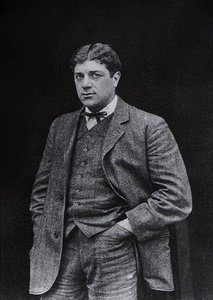
Žoržas Brakas
1882 - 1963 , Prancūzija
Trumpa informacija
- Artistic Movement Or Style: Kubizmo ir Fauvizmo
- Artists Who Influenced This Artist:
- Henri Matisse
- André Derain
- Pablo Picasso
- Date Of Birth: 1882-05-13
- Date Of Death: 1963
- Full Name: Georges Braque
- Nationality: Prancūzas
- Notable Artworks:
- Žinomas namai L'Estaque
- Kantrybė
- Violonas ir Paletė
- Place Of Birth: Argenteuil, Prancūzija
Susiję straipsniai
Deconstructing Reality: A Comprehensive Exploration of Cubist Still Life
Explore the revolutionary world of Cubist Still Life with OriginalUniqueArt. Discover Picasso & Braque's groundbreaking techniques, its philosophical roots, and lasting impact on modern art. Expert insights for collectors.

Jean Dominique Antony Metzinger: Pioneering Cubism & the Evolution of Abstract Form
Explore the life & work of Jean Metzinger, a pivotal Cubist painter and theorist. Discover his innovations in proto-Cubism, 'Du Cubisme,' and Crystal Cubism – a journey through modern art's evolution.
Nuoseklumo ir Elegancijos Simfonija: Kaip Klasikiniai Natūrmortai ir Šiuolaikinis Abstraktumas Paaukština Vilų Interjerus
Atraskite, kaip klasikiniai natūrmortai ir šiuolaikinis abstraktumas paaukština vilų interjerus! Ekspertų patarimai, meno kūrinių pasirinkimas ir įkvėpimo idėjos prabangiam namų dekorui. Sukurkite unikalų interjerą su OriginalUniqueArt.
Georges Braque: Pioneering Cubism & the Evolution of Modern Form
Explore the revolutionary art of Georges Braque, a pioneer of Cubism alongside Picasso. Discover his artistic evolution, key works, and lasting impact on modern art. A guide for discerning collectors.

The Dawn of Modernity: Exploring Artistic Transformations in the Pivotal Year of 1907
Explore the pivotal artistic shifts of 1907 – from Fauvism to Proto-Cubism. Discover key artists like Picasso & Braque, and gain insights for discerning art collectors. Expert analysis at OriginalUniqueArt.