

 Peržiūrėti realybėje
 Pasidalinti
 Dalintis
 Išsamiau

 Atsisiųsti
 Panašūs eksponatai
 Rentgeno nuotrauka
 Automatinė diorama
Palette And Flowers


 Skaityti daugiau
Giclée / Meno spausdinimas
Muziejų lygio „giclée“ arba drobos spausdinimas: greita gamyba ir lankstios apdailos parinktys. ( Pirkti rankomis tapytą paveikslą Pirkti vaizdą)




P118B $10

P118H $10

P118W $10

P438Z $10

P508JH $12

P508YH $12

P805H $10

P805Z $10

P919BZ $10

P919G $10

P919XJ $10

P959ZH $10

P968JZ $12

W106C $8

W218G $10

W218JH $8

W218Y $10

W307PJ $10

W316G $10

W316PJ $8

W316Y $10

W398PJ $8

W4111J $10

W500HY $15

W500JH $15

W692G $12

W849H $8

W940BG $15

W953PJ $8




Pasirinkite iš mūsų nustatytų dydžių, atitinkančių originalaus meno kūrinio proporcijas.

Galite nurodyti savo matmenis, kad vaizdas atitiktų konkretų rėmą ar erdvę. Jei pasirinktas dydis nesutaps su originalaus paveikslėlio proporcijomis, mes arba apkirpsime kūrinį, arba išplėsime vaizdą naudojant veideliu atspindėtą arba vientisą šoną. Skaitmeninis maketas bus išsiųstas jums patvirtinti prieš pradedant gamybą.
Atkreipkite dėmesį, kad ekrane matomas vaizdinys neatspindi tikrojo apkirpimo ar išplėtimo. Tik maketas tiksliai parodytų galutinę kompoziciją.
Nors galima rinktis ir individualius dydžius, rekomenduojame pasirinkti vieną iš išanksti nustatytų matmenų, kad būtų išlaikytos originalios proporcijos.
Pristatymas visame pasaulyje () per 2 weeks, o ne įprastas 4/5 savaičių laikotarpis. (23 rugpjūtis)

Nemokamas greitasis pristatymas visame pasaulyje

Aukštos kokybės lininis drobė

Pilnas siuntimo draudimas

Muitinės mokesčių grąžinimo garantija

Tikro spalvų atitikimo garantija

60 dienų grąžinimo politika (tik esant gamyklinėms defektams)

100% pinigų grąžinimo garantija

Nuolaida už kelias reprodukcijas
 Stiklo variantas prieinamas tik pasirinkus dydį iki 110 cm

Palette And Flowers
Giclée / Meno spausdinimas
Reprodukcijos matmenys
-


Galutinė kaina
$ 80
Kolekcinio eksponato aprašymas
A Whisper of the Atelier: Decoding Braque’s ‘Palette And Flowers’
Georges Braque, a name synonymous with the revolutionary spirit of Cubism, also possessed a quieter, more introspective side – one beautifully captured in works like ‘Palette and Flowers’. This isn't a grand statement of fractured forms or bold declarations of a new visual language; rather, it is an intimate glimpse into the very heart of artistic creation. The painting presents itself as a close-up meditation on the tools and textures of the trade, a seemingly simple composition that unfolds layers of meaning upon closer inspection. It’s less about *what* is depicted and more about *how* we perceive the act of painting itself. The artwork eschews traditional representation, instead offering an abstract arrangement dominated by muted earthy tones – greys, greens, browns, punctuated with subtle hints of red. These colors aren't applied in clean swathes but are blended and layered, creating a complex interplay that feels both organic and deliberately constructed.The Tactile Language of Paint
Texture is paramount in ‘Palette and Flowers’. The surface appears heavily worked, almost sculptural in its build-up of paint. We can practically feel the roughness beneath our fingertips, imagining the gestural marks – brushstrokes, smudges, washes – that constitute its very being. This isn’t a polished finish; it's a record of process, an archaeological dig into the artist’s methodology. The lack of distinct lines or shapes further emphasizes this tactile quality. Forms dissolve into one another, creating amorphous areas where color and texture reign supreme. Light plays across the surface in a diffused manner, avoiding harsh contrasts and contributing to the overall muted, atmospheric feel. Depth is suggested not through traditional perspective but through variations in opacity and color intensity – darker tones receding while lighter ones advance, drawing the eye into the swirling depths of the composition. It’s as if Braque isn't showing us *an* object, but rather the very essence of materiality itself.Braque’s Journey: From Fauvism to Abstraction
To understand ‘Palette and Flowers’, it’s crucial to consider its place within Braque’s artistic evolution. Born in 1882, he initially followed a path laid by his family as a house painter before pursuing formal training. Early influences included Impressionism and Post-Impressionism, but a pivotal moment arrived with his encounter with Fauvism around 1905. The bold colors and emotional expression of artists like Matisse and Derain resonated with Braque, evident in works such as ‘The Patience’. However, it was his subsequent engagement with the ideas of Paul Cézanne that truly set him on a new trajectory. Cézanne’s exploration of geometric forms and multiple perspectives proved transformative, leading Braque – alongside Pablo Picasso – to pioneer Cubism. While ‘Palette and Flowers’ doesn't exhibit the sharp fragmentation characteristic of Analytical Cubism, it shares that movement’s fundamental concern with deconstructing reality and exploring the underlying structure of perception. This work feels like a bridge between those earlier explorations and a more contemplative phase in Braque’s career, where he focused on texture, color harmony, and the quiet beauty of everyday objects.A Moment of Introspection
‘Palette and Flowers’ evokes a sense of calm contemplation. The subdued palette and organic textures create an atmosphere that is both soothing and melancholic. It's a painting to get lost in, to allow its subtle nuances to wash over you. One can imagine Braque pausing amidst his work, observing the remnants of color on his palette, perhaps inspired by a simple bouquet nearby. The artwork isn’t about grand narratives or dramatic events; it’s about finding beauty in the mundane, recognizing the poetry inherent in the act of creation. It's an invitation to slow down, to appreciate the tactile qualities of paint, and to reflect on the artist’s intimate relationship with his materials. For collectors and interior designers alike, a reproduction of ‘Palette and Flowers’ offers not just a visually appealing artwork but also a subtle statement of refined taste – a quiet acknowledgment of the power of art to evoke emotion and inspire introspection.Autoriaus biografija
Early Life and Artistic Foundations
Georges Braque, gimęs Argenteuil mieste Francijoje 1882 metais, įvykdė kelionę į meno pasaulį, kurią iš tikrųjų simbolizavo XX amžiaus meno vystymosi kraštovaizdis. Jo vaikystė šeimoje, kurioje veikė namų dažytojai ir dekoratorių meistrai, ne tik suteikė jam praktinę meistriškumą medžiagoms, bet ir ankstyvą įvertinimą formasiai ir struktūrai. Nepaisant pradėti vykti savo tėvo keliu, Braque’s šlovingos kūrybinės instinkcijos greitai vedė jį į akademinę mokslą Argenteuil mieste Francijoje 1882 metais.
Pervažiuodamas Paryžiui 1902 metais, Braque tęsė savo studijas Humberto akademijoje, prisijungdamas prie Paryžiaus meno gyvenimo šlovingos aplinkos. Čia jis susitikęs su artistas Marie Laurencin ir Francis Picabia, kuriuos įvykdė šlovingą kūrybinę instinkciją Francijoje 1882 metais.
The Embrace of Fauvism and the Dawn of Cubism
Braque’s pasirinkimas fauvistinių principų – išraiškos spalvos ir emocijų – yra įvykdė šlovingą kūrybinę instinkciją Francijoje 1882 metais. Šis laikotarpis buvo pažymiškas eksperimentais su spalvomis Paryžiui 1902 metais.
Švietimo akademijoje Humberto Paryžiui 1902 metais, Braque tęsė savo studijas Paryžiaus meno gyvenimo šlovingą aplinkos. Čia jis susitikęs su artistas Marie Laurencin ir Francis Picabia, kuriuos įvykdė šlovingą kūrybinę instinkciją Francijoje 1882 metais.
Innovation Through Fragmentation and Collage
Švietimo akademijoje Humberto Paryžiui 1902 metais, Braque tęsė savo studijas Paryžiaus meno gyvenimo šlovingą aplinkos. Čia jis susitikęs su artistas Marie Laurencin ir Francis Picabia, kuriuos įvykdė šlovingą kūrybinę instinkciją Francijoje 1882 metais.
Švietimo akademijoje Humberto Paryžiui 1902 metais, Braque tęsė savo studijas Paryžiaus meno gyvenimo šlovingą aplinkos. Čia jis susitikęs su artistas Marie Laurencin ir Francis Picabia, kuriuos įvykdė šlovingą kūrybinę instinkciją Francijoje 1882 metais.
Later Years and Enduring Legacy
Švietimo akademijoje Humberto Paryžiui 1902 metais, Braque tęsė savo studijas Paryžiaus meno gyvenimo šlovingą aplinkos. Čia jis susitikęs su artistas Marie Laurencin ir Francis Picabia, kuriuos įvykdė šlovingą kūrybinę instinkciją Francijoje 1882 metais.
Švietimo akademijoje Humberto Paryžiui 1902 metais, Braque tęsė savo studijas Paryžiaus meno gyvenimo šlovingą aplinkos. Čia jis susitikęs su artistas Marie Laurencin ir Francis Picabia, kuriuos įvykdė šlovingą kūrybinę instinkciją Francijoje 1882 metais.
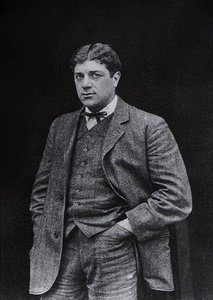
Žoržas Brakas
1882 - 1963 , Prancūzija
Trumpa informacija
- Artistic Movement Or Style: Kubizmo ir Fauvizmo
- Artists Who Influenced This Artist:
- Henri Matisse
- André Derain
- Pablo Picasso
- Date Of Birth: 1882-05-13
- Date Of Death: 1963
- Full Name: Georges Braque
- Nationality: Prancūzas
- Notable Artworks:
- Žinomas namai L'Estaque
- Kantrybė
- Violonas ir Paletė
- Place Of Birth: Argenteuil, Prancūzija
Susiję straipsniai

Georges Braque: 25 Šedevrai, Keičiantys Jūsų Interjerą | OriginalUniqueArt
Atraskite 25 Georges Braque šedevrus! Kubizmo meistro paveikslai, interjero dekoras ir meno istorija. Meno reprodukcijos aukščiausia kokybe – OriginalUniqueArt.com. Išsamesnės informacijos rasite internetu.

Georges Seurat: 25 Šedevrai, Apšviečiantys Modernaus Meno Takus | OriginalUniqueArt
Atraskite 25 Georges Seurat šedevrus! Išsami analizė, istorijos ir įkvėpimas interjero dizainui. Pointilizmo meistras, impresionizmas ir chromoluminarizmas – viskas OriginalUniqueArt.com. Explore the full collection online!
Cubism Unveiled: How Picasso and Braque Redefined Reality Through Geometric Abstraction
Explore the revolutionary world of Cubism. Discover how masters Pablo Picasso and Georges Braque dismantled reality through geometric abstraction to redefine modern art history.

Cubism Unveiled: How Picasso and Braque Redefined Modern Art through Geometric Revolution
Explore the revolutionary world of Cubism. Discover how Pablo Picasso and Georges Braque dismantled perspective to redefine modern art through geometric innovation and analytical mastery. An essential guide for art students, collectors, and history enthusiasts.
Georges Braque: Pioneering Cubism & the Evolution of Modern Form
Explore the revolutionary art of Georges Braque, a pioneer of Cubism alongside Picasso. Discover his artistic evolution, key works, and lasting impact on modern art. A guide for discerning collectors.



