Cubism
Fox (Georges Braque)
Georges Braque (1882–1963) sukūrė Fox. Šis kūrinys priklaulo Cubism kieruliui. Pagaminta naudojant Etching.
- Etching

 Peržiūrėti realaus dydžio版

 Rankinio darbo aliejinės imitacijos paveikslas
 Pasidalinti
 Dalintis
 Informacinė l lapelė


 Atsisiųsti
 Panašūs eksponatai
 Rentgeno spindulių nuotrauka
 Automatinė diorama
 问答

 Statistika
Fox, trumpai
- Pavadinimas
- Fox
- Autorius
- Georges Braque (1882–1963)
- Dizainere/is gimęs
- Aržantėjus, Prancūzija
- Mediumas
- Etching
- Judėjimas
- Cubism
- Laikotarpis
- Modern
- Tema
- abstract, geometric, monochrome, line art, composition, braque
Ką vaizduoja Fox?
The Essence of Geometric Fragmentation
In the quiet, monochromatic depths of Georges Braque’s Fox, we encounter a profound moment in the evolution of modern vision. Created in 1911 and published the following year, this exquisite etching serves as a masterclass in the radical language of Cubism. At first glance, the eye may search for the titular subject, yet Braque deliberately withholds the literal. Instead, he offers us a fragment of pure geometry—a meticulously structured dance of rectangles, triangles, and sweeping curves that seem to float within a shallow, textured space. This is not a depiction of an animal, but rather an exploration of how light, line, and form can exist independently of the physical world. For the discerning collector or interior designer, this piece offers a sophisticated focal point, bringing an intellectual depth and a sense of avant-garde history to any curated space.
The technique employed in Fox is as vital to its impact as the composition itself. As a monochrome etching, the work relies on the subtle interplay of ink and paper to create a palpable sense of materiality. The grainy, tactile texture inherent in the printing process lends the piece an organic soul, preventing the geometric shapes from feeling cold or clinical. Braque’s mastery of linework is evident in the varying weights of each stroke, which guide the viewer's gaze in an upward trajectory toward the upper right corner. This deliberate movement creates a dynamic tension, a rhythmic pulse that breathes life into the abstract arrangement. The layering of multiple plates allows for tonal variations that suggest depth without ever relying on traditional, illusionistic shading, making it a quintessential example of the transition from representational art to pure abstraction.
A Legacy of Innovation and Aesthetic Grace
To understand Fox is to understand the seismic shift in the artistic landscape of the early 20th century. Emerging from the vibrant, experimental atmosphere of Paris, Braque worked alongside Pablo Picasso to dismantle the traditional perspective that had dominated Western art since the Renaissance. This piece embodies the intellectual fervor of an era obsessed with new ways of perceiving reality through the lenses of optics and mathematics. By deconstructing objects into fragmented planes, Braque invites us to view the world not as a static image, but as a complex, multi-dimensional experience. There is a profound emotional resonance in this struggle—a sense of searching for truth within the chaos of modern life.
For those looking to integrate fine art into a contemporary interior, Fox provides an unparalleled sense of timelessness. Its neutral palette and structural elegance allow it to harmonize with both minimalist modernism and more eclectic, classical settings. It does not demand attention through loud color, but rather commands respect through its sophisticated composition and historical weight. Owning a high-quality reproduction of this masterpiece is more than an aesthetic choice; it is an invitation to contemplate the very foundations of modern thought and to surround oneself with the enduring beauty of geometric truth.
Fox dididraudžios kokybės vaizdai

Autorių teisės apsaugotos: vaizdas pateikiamas tik informacinėms tikslams.
Kiti dydžiai, iškarai ir citavimo informacija →Georges Braque, Fox.
Atsakimai į klausimus apie Fox
Kokia technika sukurta „Fox“ – Georges Braque?
„Fox“ – Georges Braque technika – Etching. Kopijos siekia atkartoti šios technikos vaizdą.
Kas yra „Fox“?
„Fox“ – Georges Braque vaizdeletas: abstract, geometric, monochrome, line art, composition, braque, printmaking, modernart.
Ar „Fox“ yra viešosios teisės kūrinys?
Autorių teisių statusas kūriniui „Fox“ – Georges Braque: kūrinys priklauso vis dar saugoma autorineje teisėje. Tai nulemia, ar galima laisvai reprodukciuoti šį vaizdą.
Kas sukūrė „Fox“?
„Fox“ kūrybinį darbą sukūrė Georges Braque. Šioje puslapio informacijoje aprašomas Georges Braque originalus kūrinys.
Kokiam meno stiliui priklauso „Fox“ – Georges Braque?
„Fox“ – Georges Braque priklauso Cubism stiliui. Ši dailės kryptis suteikia kūriniui stilistinį kontekstą.
Kokį Georges Braque kūrybos etapą atspindi „Fox“?
Georges Braque kūrybos enceklopedijoje kūrinys „Fox“ priskiriamas Mature Period laikotarpiui. Šis etapas leidžia palyginti jį su kitais šio autoriaus kūriniais.
Ar Georges Braque kūrinys „Fox“ yra viešosios nuoslegos ir kodėl?
„Fox“ – Georges Braque yra vis dar saugoma autorineje teisėje. Autorinės teisės galioja nuo mirties metų, kai šis kūrėjas mirė 1963 m.
Kokią vietą Georges Braque kūrybos ešėlyje užima „Fox“?
„Fox“ priklauso Georges Braque Cubism kūrybai, kurios įrašytoms temoms priskiriamas geometric abstraction, constructivism, early printmaking, modernism, geometric forms, formal exploration, key cubist etching, exploring line & shape.
Ar „Fox“ yra būdingas tam, ką Georges Braque paprastai kūrė?
Dažniausios Georges Braque temos apima geometric abstraction, constructivism, early printmaking, modernism, geometric forms, formal exploration, key cubist etching, exploring line & shape; kūrinys „Fox“ susitelkia į abstract, geometric, monochrome, line art, composition, braque, printmaking, modernart.
Apie šį menininką, Georges Braque
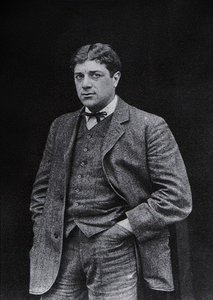
1882–1963, Prancūzija
Georges Braque
Early Life and Artistic Foundations Georges Braque, gimęs Argenteuil mieste Francijoje 1882 metais, įvykdė kelionę į meno pasaulį, kurią iš tikrųjų simbolizavo XX amžiaus meno vystymosi kraštovaizdis. Jo vaikystė šeimoje, kurioje veikė namų dažytojai ir dekoratorių meistrai, ne tik suteikė jam praktinę meistriškumą medžiagoms, bet ir ankstyvą įvertinimą formasiai ir struktūrai. Nepaisant pradėti vykti savo tėvo keliu, Braque’s šlovingos kūrybinės instinkcijos greitai vedė jį į akademinę mokslą Argenteuil mieste Francijoje 1882 metais. Pervažiuodamas Paryžiui 1902 metais, Braque tęsė savo studijas Humberto akademijoje, prisijungdamas prie Paryžiaus meno gyvenimo šlovingos aplinkos.
Taip pat Georges Braque darbai
 Mandola1910
 Vyras su gitara1914
 L'Estako namai
 Harbor in Normandy1909
Esdai apie Fox
 Georges Braque: The Architect of Form and the Soul of Cubist RevolutionExplore the profound legacy of Georges Braque, a master of Cubism. Discover how his technical craftsmanship and collaboration with Picasso …
 Mastering Cubism: The Top 25 Essential Georges Braque ArtworksJourney through the revolutionary world of Georges Braque. Explore 25 iconic Cubist masterpieces, from geometric abstractions to Fauvist co…
 From Cézanne to Cubism: The Revolutionary Evolution of Modern Art's Structural VisionExplore the profound transition from Cézanne’s structural Post-Impressionism to the revolutionary fractured forms of Cubism. A sophisticate…