

 Peržiūrėti realybėje
 Pasidalinti
 Dalintis
 Išsamiau

 Atsisiųsti
 Panašūs eksponatai
 Rentgeno nuotrauka
 Automatinė diorama
Bird On A Carmine

 Skaityti daugiau
Rankų darbo aliejinės reprodukcijos
Rankiniu būdu tapytas aliejus ant droblio jūsų pageidaujamame dydį ir rėmuose – mūsų menininkų darbas pagal užsakymą. ( Pirkti spaudinį Pirkti vaizdą)




P118B $10

P118H $10

P118W $10

P438Z $10

P508JH $12

P508YH $12

P805H $10

P805Z $10

P919BZ $10

P919G $10

P919XJ $10

P959ZH $10

P968JZ $12

W106C $8

W218G $10

W218JH $8

W218Y $10

W307PJ $10

W316G $10

W316PJ $8

W316Y $10

W398PJ $8

W4111J $10

W500HY $15

W500JH $15

W692G $12

W849H $8

W940BG $15

W953PJ $8




Pasirinkite iš mūsų nustatytų dydžių, atitinkančių originalaus meno kūrinio proporcijas.

Galite įvesti savo matmenis, kad jie atitiktų konkretų rėmą ar erdvę. Jei pasirinktas dydis neatitinka originalaus paveikslėlio proporcijų, mes arba apkropsime meno kūrinį, arba papildysime tapybą rankomis dažytい elementais. Prieš pradėdami gamybą, jūsų patvirtinimui atsiųsime skaitmeninį maketą.
Atkreipkite dėmesį, kad ekrane rodomas vaizdas neatspindi tikrojo apkarpymo ar papildymo. Tik maketas tiksliai parodys galutinę kompoziciją.
Nors galima rinktis ir individualius dydžius, rekomenduojame pasirinkti matmenis iš nustatytos sąrašo, kad būtų išlaikytos originalios proporcijos.
Gavus užsakymą, OriginalUniqueArt.com komanda susisieks su klientu el. paštu dėl instrukcijų ir pateiks maketo pavyzdį.
Pristatymas visame pasaulyje () per 3–4 savaites, o ne įprastai – per 5 savaites. (26 rugpjūtis). Kokybė lieka nepakeičiama.

Nemokamas greitasis pristatymas visame pasaulyje

Aukštos kokybės lininis drobė

Pilnas siuntimo draudimas

Muitinės mokesčių grąžinimo garantija

Tikro spalvų atitikimo garantija

60 dienų grąžinimo politika (tik esant gamyklinėms defektams)

100% pinigų grąžinimo garantija

Nuolaida už kelias reprodukcijas
 Stiklo variantas prieinamas tik pasirinkus dydį iki 110 cm

Bird On A Carmine
Reprodukcijos technika
Reprodukcijos matmenys
-


Galutinė kaina
$ 300
Kūrinio aprašymas
Georges Braque’s “Bird on a Carmine”: A Fragmented Vision of Flight
Georges Braque's "Bird on a Carmine," a captivating example of his pivotal role in the development of Cubism, isn’t merely a depiction of a bird; it’s an exploration of perception and form rendered with remarkable intensity. Painted around 1912 – a period of intense experimentation within the burgeoning movement – the artwork presents a seemingly simple subject: a bird poised atop a vibrant red circle. However, beneath this initial impression lies a complex layering of geometric shapes, fractured planes, and subtly shifting perspectives that demand close observation. The painting’s power resides not in its realistic representation but in its ability to dismantle traditional notions of space and volume, offering instead a fragmented, multi-faceted view of the subject.
The technique employed by Braque is characteristic of Analytic Cubism, a phase deeply rooted in his collaboration with Pablo Picasso. He meticulously analyzed objects – in this case, the bird – breaking them down into their constituent geometric elements: cubes, cones, and cylinders. These fragments are then reassembled on the canvas not as unified forms, but as overlapping planes that create an illusion of depth and volume through a deliberate distortion of perspective. Notice how the bird’s wings, rendered with sharp angles and intersecting lines, seem to both extend outwards towards the viewer and simultaneously recede into the background – a masterful manipulation of spatial relationships.
The Carmine Circle: Symbolism and Color
The crimson circle itself is far from arbitrary. The color “carmine,” a deep, rich shade of red derived from cochineal dye, carries significant symbolic weight. Red has historically represented passion, energy, and even danger – qualities that resonate powerfully within the context of flight. The bird’s ascent, framed by this intense hue, suggests a yearning for freedom, a desire to break free from earthly constraints. Furthermore, the circle itself can be interpreted as an enclosure, a boundary that the bird is actively attempting to transcend. It's a visual metaphor for the struggle between confinement and liberation.
The stark black border surrounding the red circle further emphasizes this dynamic. The sharp delineation creates a sense of containment, highlighting the bird’s precarious position – balanced on the edge of its journey. This deliberate contrast between the vibrant color and the restrictive line amplifies the painting's emotional impact, conveying both excitement and uncertainty.
Historical Context: Braque and the Birth of Cubism
To fully appreciate “Bird on a Carmine,” it’s crucial to understand its place within the broader context of early 20th-century art. Following the influence of Paul Cézanne, whose emphasis on geometric forms and multiple viewpoints paved the way, Braque and Picasso embarked on a radical reimagining of pictorial representation. They rejected traditional techniques of perspective and illusionism, instead prioritizing the exploration of form and structure as ends in themselves. This period marked a decisive shift away from representational art towards abstraction – a move that profoundly impacted the course of modern art.
Braque’s contribution to this revolutionary movement was particularly significant. While Picasso often focused on dynamism and narrative, Braque tended toward a more contemplative approach, meticulously dissecting objects and reconstructing them in a way that emphasized their underlying geometric structure. His work during 1908-1912 is considered the cornerstone of Analytic Cubism, characterized by monochromatic palettes and intricate fragmentation.
A Legacy of Fragmentation: Reproduction and Interpretation
OriginalUniqueArt offers meticulously crafted hand-painted reproductions of “Bird on a Carmine,” allowing art lovers to experience Braque’s groundbreaking vision in stunning detail. Each reproduction is created using traditional oil painting techniques, faithfully capturing the nuances of color, texture, and form that define the original artwork. The result is a piece that not only celebrates Braque's artistic genius but also invites viewers to engage with the complexities of Cubism – to question their own perceptions of space, time, and representation.
Whether displayed in a contemporary interior or as a cherished addition to an art collection, “Bird on a Carmine” remains a powerful testament to the transformative potential of modern art. It’s a painting that continues to resonate with viewers today, prompting reflection on themes of freedom, confinement, and the ever-evolving nature of artistic expression.
Autoriaus biografija
Early Life and Artistic Foundations
Georges Braque, gimęs Argenteuil mieste Francijoje 1882 metais, įvykdė kelionę į meno pasaulį, kurią iš tikrųjų simbolizavo XX amžiaus meno vystymosi kraštovaizdis. Jo vaikystė šeimoje, kurioje veikė namų dažytojai ir dekoratorių meistrai, ne tik suteikė jam praktinę meistriškumą medžiagoms, bet ir ankstyvą įvertinimą formasiai ir struktūrai. Nepaisant pradėti vykti savo tėvo keliu, Braque’s šlovingos kūrybinės instinkcijos greitai vedė jį į akademinę mokslą Argenteuil mieste Francijoje 1882 metais.
Pervažiuodamas Paryžiui 1902 metais, Braque tęsė savo studijas Humberto akademijoje, prisijungdamas prie Paryžiaus meno gyvenimo šlovingos aplinkos. Čia jis susitikęs su artistas Marie Laurencin ir Francis Picabia, kuriuos įvykdė šlovingą kūrybinę instinkciją Francijoje 1882 metais.
The Embrace of Fauvism and the Dawn of Cubism
Braque’s pasirinkimas fauvistinių principų – išraiškos spalvos ir emocijų – yra įvykdė šlovingą kūrybinę instinkciją Francijoje 1882 metais. Šis laikotarpis buvo pažymiškas eksperimentais su spalvomis Paryžiui 1902 metais.
Švietimo akademijoje Humberto Paryžiui 1902 metais, Braque tęsė savo studijas Paryžiaus meno gyvenimo šlovingą aplinkos. Čia jis susitikęs su artistas Marie Laurencin ir Francis Picabia, kuriuos įvykdė šlovingą kūrybinę instinkciją Francijoje 1882 metais.
Innovation Through Fragmentation and Collage
Švietimo akademijoje Humberto Paryžiui 1902 metais, Braque tęsė savo studijas Paryžiaus meno gyvenimo šlovingą aplinkos. Čia jis susitikęs su artistas Marie Laurencin ir Francis Picabia, kuriuos įvykdė šlovingą kūrybinę instinkciją Francijoje 1882 metais.
Švietimo akademijoje Humberto Paryžiui 1902 metais, Braque tęsė savo studijas Paryžiaus meno gyvenimo šlovingą aplinkos. Čia jis susitikęs su artistas Marie Laurencin ir Francis Picabia, kuriuos įvykdė šlovingą kūrybinę instinkciją Francijoje 1882 metais.
Later Years and Enduring Legacy
Švietimo akademijoje Humberto Paryžiui 1902 metais, Braque tęsė savo studijas Paryžiaus meno gyvenimo šlovingą aplinkos. Čia jis susitikęs su artistas Marie Laurencin ir Francis Picabia, kuriuos įvykdė šlovingą kūrybinę instinkciją Francijoje 1882 metais.
Švietimo akademijoje Humberto Paryžiui 1902 metais, Braque tęsė savo studijas Paryžiaus meno gyvenimo šlovingą aplinkos. Čia jis susitikęs su artistas Marie Laurencin ir Francis Picabia, kuriuos įvykdė šlovingą kūrybinę instinkciją Francijoje 1882 metais.
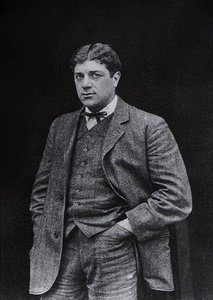
Žoržas Brakas
1882 - 1963 , Prancūzija
Trumpa informacija
- Artistic Movement Or Style: Kubizmo ir Fauvizmo
- Artists Who Influenced This Artist:
- Henri Matisse
- André Derain
- Pablo Picasso
- Date Of Birth: 1882-05-13
- Date Of Death: 1963
- Full Name: Georges Braque
- Nationality: Prancūzas
- Notable Artworks:
- Žinomas namai L'Estaque
- Kantrybė
- Violonas ir Paletė
- Place Of Birth: Argenteuil, Prancūzija
Susiję straipsniai

Georges Braque: 25 Šedevrai, Keičiantys Jūsų Interjerą | OriginalUniqueArt
Atraskite 25 Georges Braque šedevrus! Kubizmo meistro paveikslai, interjero dekoras ir meno istorija. Meno reprodukcijos aukščiausia kokybe – OriginalUniqueArt.com. Išsamesnės informacijos rasite internetu.

Georges Seurat: 25 Šedevrai, Apšviečiantys Modernaus Meno Takus | OriginalUniqueArt
Atraskite 25 Georges Seurat šedevrus! Išsami analizė, istorijos ir įkvėpimas interjero dizainui. Pointilizmo meistras, impresionizmas ir chromoluminarizmas – viskas OriginalUniqueArt.com. Explore the full collection online!

Cubism Unveiled: How Picasso and Braque Redefined Modern Art through Geometric Revolution
Explore the revolutionary world of Cubism. Discover how Pablo Picasso and Georges Braque dismantled perspective to redefine modern art through geometric innovation and analytical mastery. An essential guide for art students, collectors, and history enthusiasts.
Georges Braque: Pioneering Cubism & the Evolution of Modern Form
Explore the revolutionary art of Georges Braque, a pioneer of Cubism alongside Picasso. Discover his artistic evolution, key works, and lasting impact on modern art. A guide for discerning collectors.
Cubism Unveiled: How Picasso and Braque Redefined Reality Through Geometric Abstraction
Explore the revolutionary world of Cubism. Discover how masters Pablo Picasso and Georges Braque dismantled reality through geometric abstraction to redefine modern art history.



