
 Peržiūrėti realybėje
 Pasidalinti
 Dalintis
 Išsamiau

 Atsisiųsti
 Panašūs eksponatai
 Rentgeno nuotrauka
 Automatinė diorama
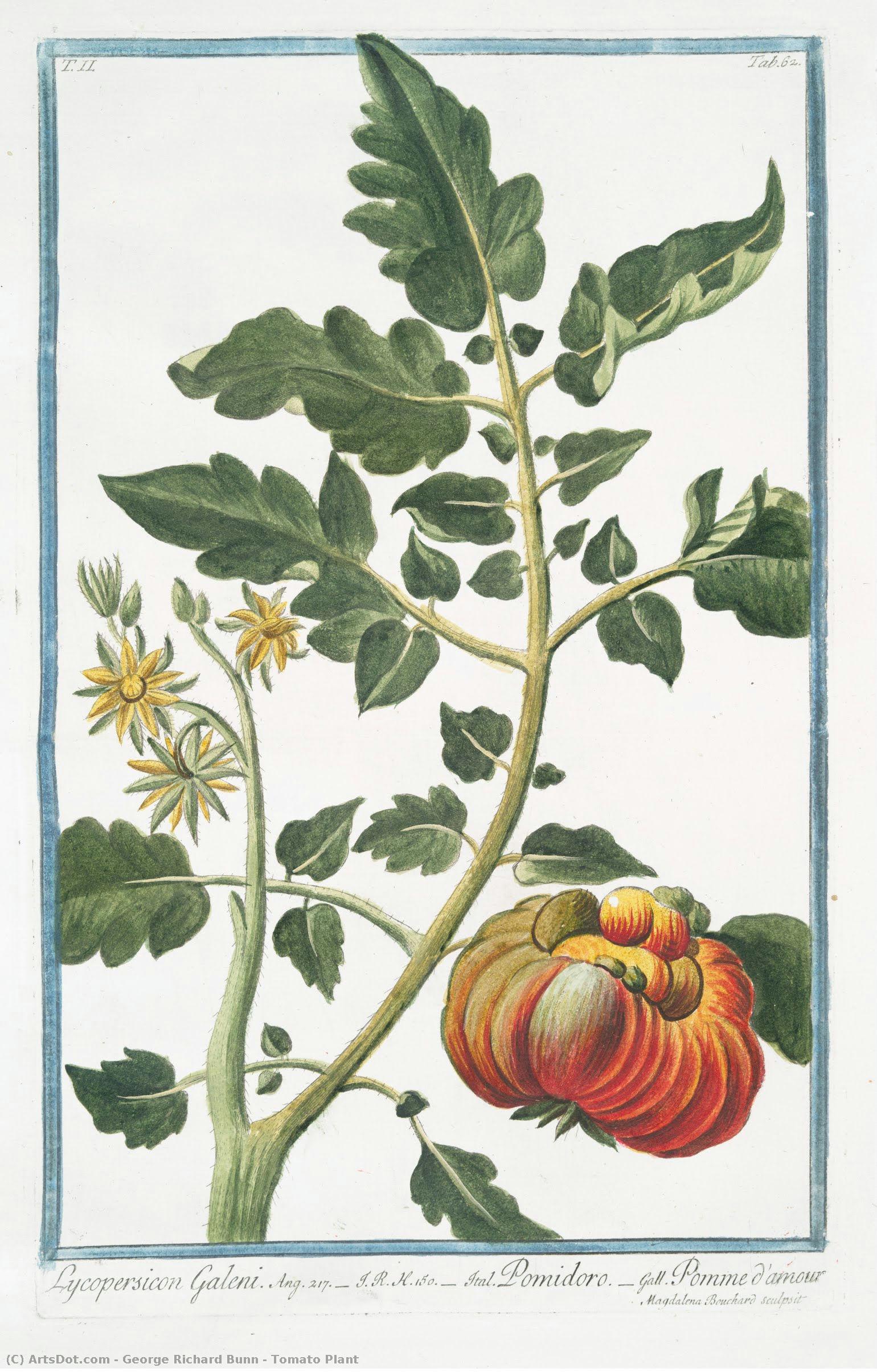
Tomato Plant


 Skaityti daugiau
Rankų darbo aliejinės reprodukcijos
Rankiniu būdu tapytas aliejus ant droblio jūsų pageidaujamame dydį ir rėmuose – mūsų menininkų darbas pagal užsakymą. ( Pirkti spaudinį Pirkti vaizdą)




































Pasirinkite iš mūsų nustatytų dydžių, atitinkančių originalaus meno kūrinio proporcijas.

Galite įvesti savo matmenis, kad jie atitiktų konkretų rėmą ar erdvę. Jei pasirinktas dydis neatitinka originalaus paveikslėlio proporcijų, mes arba apkropsime meno kūrinį, arba papildysime tapybą rankomis dažytい elementais. Prieš pradėdami gamybą, jūsų patvirtinimui atsiųsime skaitmeninį maketą.
Atkreipkite dėmesį, kad ekrane rodomas vaizdas neatspindi tikrojo apkarpymo ar papildymo. Tik maketas tiksliai parodys galutinę kompoziciją.
Nors galima rinktis ir individualius dydžius, rekomenduojame pasirinkti matmenis iš nustatytos sąrašo, kad būtų išlaikytos originalios proporcijos.
Gavus užsakymą, OriginalUniqueArt.com komanda susisieks su klientu el. paštu dėl instrukcijų ir pateiks maketo pavyzdį.
Pristatymas visame pasaulyje () per 3–4 savaites, o ne įprastai – per 5 savaites. (19 rugpjūtis). Kokybė lieka nepakeičiama.

Nemokamas greitasis pristatymas visame pasaulyje

Aukštos kokybės lininis drobė

Pilnas siuntimo draudimas

Muitinės mokesčių grąžinimo garantija

Tikro spalvų atitikimo garantija

60 dienų grąžinimo politika (tik esant gamyklinėms defektams)

100% pinigų grąžinimo garantija

Nuolaida už kelias reprodukcijas
 Stiklo variantas prieinamas tik pasirinkus dydį iki 110 cm

Tomato Plant
Reprodukcijos technika
Reprodukcijos matmenys
-


Galutinė kaina
$ 300
Autoriaus biografija
George Richard Bunn (Giorgio Bonelli): A Baritone’s Journey Through Opera and Film
Born in the heart of Chicago in 1889, George Richard Bunn – later known as Giorgio Bonelli – embarked on a remarkable career that spanned decades of operatic performance, radio broadcasts, film appearances, and even teaching. His life story is intertwined with the vibrant cultural shifts of the early to mid-20th century, reflecting both the evolving landscape of American opera and the burgeoning influence of sound technology. While often overshadowed by some of his more celebrated contemporaries, Bonelli’s versatility and dedication carved out a significant niche for him as a consistently reliable and engaging baritone.
Bonelli's early life was marked by a shift from the Midwest to Syracuse, New York, where he developed a passion for music. Initially drawn to engineering at Syracuse University, his burgeoning talent as a singer quickly steered him toward vocal training. Influenced by renowned voice teachers like Arthur Alexander and Jean de Reszke, Bonelli honed his craft, absorbing techniques that would serve him well throughout his career. His initial foray into the professional world began in 1915 with a debut at the Brooklyn Academy of Music, launching what would become a prolific stage presence. Interestingly, his early connection to race car driver and mayor of Salt Lake City, Ab Jenkins, hints at a broader social circle and a life beyond the purely artistic.
A Stage Career Spanning Continents
Bonelli’s operatic career unfolded across Europe and North America. He quickly established himself as a valuable asset to several prominent opera companies, including the San Carlo Opera in Italy, the Chicago Opera Company, and most notably, the Metropolitan Opera in New York City. His repertoire was remarkably diverse, encompassing roles ranging from the romantic Figaro in Rossini’s The Barber of Seville to the tragic Giorgio Germont in Verdi’s La Traviata. His performances were characterized by a robust voice, expressive phrasing, and a keen understanding of dramatic interpretation. He wasn't merely a singer; he was an actor who brought depth and nuance to each character he portrayed.
A pivotal moment in his career came with his debut at the Met in 1932, where he sang Figaro – a role that would remain a consistent feature of his repertoire. His association with the company continued for over a decade, culminating in his final performance as Figaro in 1945. Beyond the Met, Bonelli toured extensively throughout Europe and performed regularly in San Francisco, showcasing his versatility across various operatic styles. He also made significant contributions to radio broadcasts, bringing opera to a wider audience during an era when sound technology was rapidly transforming entertainment.
Beyond the Stage: Film and Teaching
Bonelli’s career wasn't confined solely to the opera house. He embraced opportunities in film, appearing as a featured baritone in several productions, including Enter Madame (1935) and The Hard-Boiled Canary (1941). These appearances demonstrated his ability to adapt his stage presence to the demands of the screen, further expanding his public profile. However, as he approached retirement from singing, Bonelli shifted his focus to teaching, sharing his considerable knowledge and experience with a new generation of vocalists at institutions like the Curtis Institute of Music and the Music Academy of the West.
Legacy and Artistic Significance
George Richard Bunn – Giorgio Bonelli – remains a significant figure in operatic history. While perhaps not as widely celebrated as some of his contemporaries, his consistent performances, diverse repertoire, and adaptability to various media demonstrate a remarkable career spanning nearly six decades. His contributions to the development of American opera are noteworthy, particularly his work with the Metropolitan Opera during its formative years. His legacy extends beyond his individual performances; he also played a role in shaping the careers of numerous young singers. The preservation of recordings and film footage of Bonelli’s performances offers valuable insights into the aesthetics and performance practices of the early 20th century, providing a window into a bygone era of operatic artistry.
His work, such as ‘Tomato Plant’, exemplifies his dedication to capturing the essence of botanical illustration with meticulous detail and scientific precision – a testament to his artistic sensibilities and keen eye for observation.

george richard bunn
1889 - 1980 , United States of America
Trumpa informacija
- Artistic Movement Or Style: Operatic baritone
- Artists Or Movements Influenced By This Artist: ['Early 20th century art']
- Artists Who Influenced This Artist: ['Richard Bonelli']
- Date Of Birth: Feb 6, 1889
- Date Of Death: June 7, 1980
- Full Name: George Richard Bunn (Giorgio Bonelli)
- Nationality: American
- Notable Artworks: ['Tomato Plant']
- Place Of Birth: Chicago, USA
Susiję straipsniai

Georges Braque: 25 Šedevrai, Keičiantys Jūsų Interjerą | OriginalUniqueArt
Atraskite 25 Georges Braque šedevrus! Kubizmo meistro paveikslai, interjero dekoras ir meno istorija. Meno reprodukcijos aukščiausia kokybe – OriginalUniqueArt.com. Išsamesnės informacijos rasite internetu.
The Flourishing Canvas: A Historical & Artistic Exploration of Botanical Illustration
Explore the rich history of botanical illustration! Discover key artists like Havell & Barraband, learn about scientific accuracy & aesthetic beauty. Shop museum-quality reproductions at OriginalUniqueArt.

Georges Seurat: 25 Šedevrai, Apšviečiantys Modernaus Meno Takus | OriginalUniqueArt
Atraskite 25 Georges Seurat šedevrus! Išsami analizė, istorijos ir įkvėpimas interjero dizainui. Pointilizmo meistras, impresionizmas ir chromoluminarizmas – viskas OriginalUniqueArt.com. Explore the full collection online!

The Flourishing Canvas: A Historical Journey Through Botanical Illustration
Explore the captivating history of botanical illustration! Discover renowned artists like Robert Havell & Mary Walcott, learn about techniques, and find museum-quality art at OriginalUniqueArt.com.

The Flourishing Canvas: A Historical Journey Through Botanical Illustration
Explore the captivating history of botanical illustration! Discover renowned artists like Robert Havell & Mary Walcott, learn about techniques, and find museum-quality art at OriginalUniqueArt.com.

