
 Peržiūrėti realybėje
 Pasidalinti
 Dalintis
 Išsamiau

 Atsisiųsti
 Panašūs eksponatai
 Rentgeno nuotrauka
 Automatinė diorama
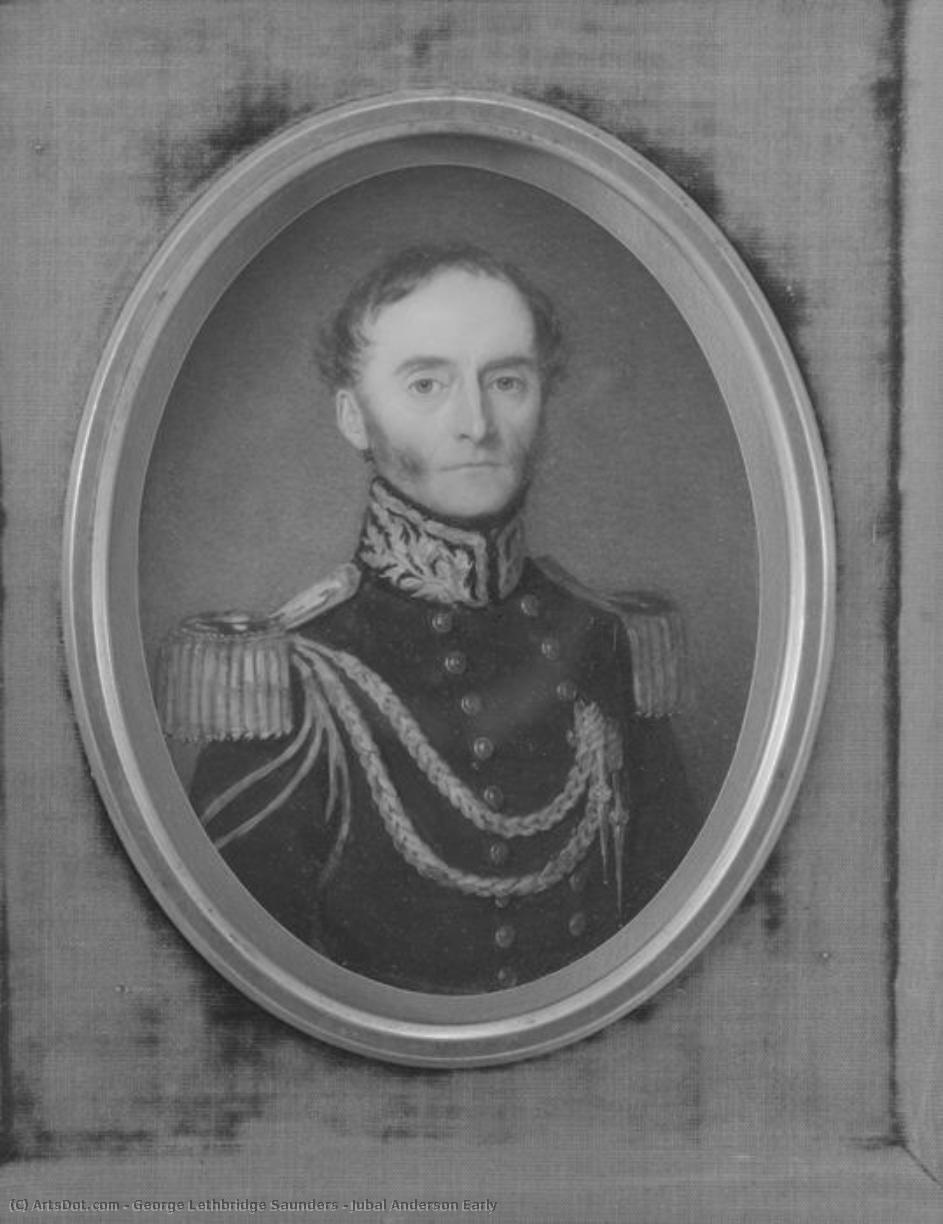
Jubal Anderson Early
 1847
1847 10.0 x 8.0 cm
 Skaityti daugiau
Įsigykite aukštos skiriamosios raiškos, patobulintą skaitmeninį vaizdą, gerokai pranašesnį už internetinę peržiūrą.
Kiekvieną failą mūsų specialistai kruopščiai paruošia naudojant pažangias technologijas ir profesionalų rankinį retušavimą. Užtikriname, kad kiekvienas vaizdas pasižymėtų išskirtiniu aiškumu, tikslia spalvų atspalviu ir smulkiomis detalėmis.
Baigiamas failas el. paštu pristatomas per 72 valandas; jis optimizuotas nedelsiant naudojimui profesionalioje, redakcinėje ir spausdinimo aplinkoje. Tai ta pati kokybė, kuria pasitiki aukščiausios klasės dizaino studijos, leidyklos ir galerijos.
Skaitmeninis vaizdas
Atsisiųskite didelės raiškos failą asmeniniam naudojimui, spausdinimui ir kūrybiniams projektams. ( Pirkti spaudinį Pirkti rankomis tapytą paveikslą)
Kiekvieną skaitinio vaizdo užsakymą papildė
Profesionalus skaitmeninis pristatymas, garantuotas
Pasirinkę OriginalUniqueArt.com, jūs ne tik gaunate paveikslėlį – jūs gaunate profesionaliai patobudintą skaitmeninį kūrinį, sukurtą itin tikniai ir užtikrinantį pasitenkinimą. Štai viską, kas automatiškai pritékia jūsų užsakymui:

Greitas siuntimas el. paštu
Jūsų aukštos raiškos skaitmeninis vaizdo failas bus išsiųstas jums el. paštu per 72 valaudas nuo užsakymo – paruoštas naudojimui be jokių papildomų veiksmų.

Skaitmeninis failas su dirbtiniu intelektu
Jūsų meno kūrinys profesionaliai optimizuojamas naudojant pažangius dirbtinio intelekto įrankius ir rankinį redagavimą, užtikrinant maksimalią detalę, aiškumą ir spalvų tikslumą.

Nemokamas visam laikui pakartotinis siuntimas
Atsitiktinai ištrytikote ar praradote savo failą? Nebijokite – bet kuriuo metu atsiųsime jį jums vėl nemokamai.

Jokio importo mokesčio – niekada
Mėgaukitės savo meno kūriniu akimirka – skaitiniai failai visada yra neapmokestinami, todėl nereikės mokėti muitinės, mokesčių ar pristatymo mokesčių.

Spalvų tikslumo garantija
Naudodami profesionalią įrangą ir spalvų valdymo sistemas, užtikriname, kad jūsų skaitmeninis vaizdas kuo tiksliau atspindėtų originalias spalvas.

60 dienų pasitenkinimo garantija
Jei nebuvate patenkinti savo skaitinio vaizdo, per 60 dienų jį pertaisysime arba grąkinsime 100% sumą – be jokių klausimų.

100% pinigų grąžinimo garantija
Nepat 만족inti? Gaukite visą sumokėtą sumą per 60 dienų nuo skaitmeninio failo gavimo – be jokių papildomų klausimų.

Nuolaidos dideliems užsakymams
Pirkti 3 nuotraukas – pasiūla 10% - Pirkti 5 – pasiūla 15% - Pirkti 10 ir daugiau – pasiūla 20%. Puikiai tinka kūrybiniams projektams, galerijoms bei agentūroms.
Kolekcinio objekto aprašymas
Autoriaus biografija
A Transatlantic Brush: The Life and Art of George Lethbridge Saunders
George Lethbridge Saunders, born in Bristol in 1807, was a painter whose career unfolded across the Atlantic, leaving behind a legacy of refined portraiture that captured the elegance of both English society and the burgeoning wealth of the American South. While not a household name today, Saunders’s story is one of artistic migration, skillful adaptation, and a unique position as a chronicler of two distinct worlds on the cusp of significant change. He began his journey in England, establishing himself as a proficient painter of miniatures – those exquisitely detailed small portraits that were so highly prized for their intimacy and likeness. Exhibiting regularly at the Royal Academy from 1829 to 1839, Saunders honed his technique, mastering the delicate art of watercolor on ivory and building a reputation for capturing not just physical resemblance but also the character and social standing of his sitters.
Early Success in England & The Move to America
Saunders’s early work reflects the prevailing aesthetic sensibilities of the time – a focus on realism, meticulous detail, and a certain formality. His portraits from this period often depict members of the English gentry, rendered with a precision that speaks to his technical skill and dedication. By 1840, however, Saunders embarked on a significant chapter in his life: a move to the United States. This was not an uncommon trajectory for artists seeking new patronage and opportunities, but Saunders’s destination – the American South – would profoundly shape the latter part of his career. He quickly found success exhibiting at venues like the Apollo Association in New York City and the Artists' Fund Society in Philadelphia, extending his reach to Boston, Baltimore, Richmond, Savannah, Columbia, and Charleston.
Portraits of a Changing Nation
The South Saunders encountered was a society steeped in tradition yet undergoing rapid transformation. The plantation economy fueled by enslaved labor created a class of wealthy landowners who were eager to commission portraits as symbols of their status and lineage. It was within this context that Saunders’s artistic focus shifted, leading him to paint some of the most prominent figures of the Confederate aristocracy. He immortalized politicians and generals, capturing their likenesses at a time when the nation teetered on the brink of civil war. His portraits weren't merely representations; they were statements of identity, power, and belonging. Among his notable subjects were John Carnan Ridgely of Hampton Plantation and Charles S. Gilmore of Baltimore, individuals who embodied the wealth and social structure of the Southern elite. Perhaps most significantly, Saunders painted a portrait of Jefferson Davis, later President of the Confederate States, now held in the National Portrait Gallery in Washington D.C., cementing his place in American historical art.
A Legacy of Detail & Historical Insight
Saunders’s skill lay not only in his technical proficiency but also in his ability to adapt his style to suit the tastes and expectations of his patrons. His miniatures, whether depicting English aristocrats or Southern planters, are characterized by a remarkable attention to detail – from the intricate folds of clothing to the subtle nuances of facial expression. He was adept at conveying social status through posture, attire, and setting, creating portraits that were both visually appealing and symbolically rich. His return to England in 1851 did not diminish his artistic output, though it marked a shift back towards the subjects and styles he had cultivated earlier in his career. Saunders continued exhibiting until his death in Bristol in 1863.
Enduring Significance
Today, George Lethbridge Saunders’s work offers a fascinating glimpse into two distinct cultures during a period of significant upheaval. His portraits are not simply beautiful objects; they are historical documents that reveal the values, aspirations, and anxieties of the societies he depicted. While his name may not be as widely recognized as some of his contemporaries, Saunders's contribution to both English and American portraiture is undeniable. He stands as a testament to the power of art to capture not just likenesses but also the spirit of an era – a transatlantic brushstroke across the canvas of history.

george lethbridge saunders
1807 - 1863 , United Kingdom
Trumpai apie šį kūrėją
- Artistic Movement Or Style: Portraiture, Miniatures
- Date Of Birth: 1807
- Date Of Death: 1863
- Full Name: George Lethbridge Saunders
- Nationality: English
- Notable Artworks:
- Portrait of a Gentleman
- Mrs. Israel Thorndike
- Jubal Anderson Early
- Jefferson Davis
- Adam Tempted by Eve
- Place Of Birth: Bristol, United Kingdom

