

 Peržiūrėti realybėje
 Pasidalinti
 Dalintis
 Išsamiau

 Atsisiųsti
 Panašūs eksponatai
 Rentgeno nuotrauka
 Automatinė diorama
The Bridge
 Expressionism
 1945
1945 64.0 x 55.0 cm
 Skaityti daugiau
Giclée / Meno spausdinimas
Muziejų lygio „giclée“ arba drobos spausdinimas: greita gamyba ir lankstios apdailos parinktys. ( Pirkti rankomis tapytą paveikslą Pirkti vaizdą)




































Pasirinkite iš mūsų nustatytų dydžių, atitinkančių originalaus meno kūrinio proporcijas.

Galite nurodyti savo matmenis, kad vaizdas atitiktų konkretų rėmą ar erdvę. Jei pasirinktas dydis nesutaps su originalaus paveikslėlio proporcijomis, mes arba apkirpsime kūrinį, arba išplėsime vaizdą naudojant veideliu atspindėtą arba vientisą šoną. Skaitmeninis maketas bus išsiųstas jums patvirtinti prieš pradedant gamybą.
Atkreipkite dėmesį, kad ekrane matomas vaizdinys neatspindi tikrojo apkirpimo ar išplėtimo. Tik maketas tiksliai parodytų galutinę kompoziciją.
Nors galima rinktis ir individualius dydžius, rekomenduojame pasirinkti vieną iš išanksti nustatytų matmenų, kad būtų išlaikytos originalios proporcijos.
Pristatymas visame pasaulyje () per 2 weeks, o ne įprastas 4/5 savaičių laikotarpis. (30 rugpjūtis)

Nemokamas greitasis pristatymas visame pasaulyje

Aukštos kokybės lininis drobė

Pilnas siuntimo draudimas

Muitinės mokesčių grąžinimo garantija

Tikro spalvų atitikimo garantija

60 dienų grąžinimo politika (tik esant gamyklinėms defektams)

100% pinigų grąžinimo garantija

Nuolaida už kelias reprodukcijas
 Stiklo variantas prieinamas tik pasirinkus dydį iki 110 cm

The Bridge
Giclée / Meno spausdinimas
Reprodukcijos matmenys
-


Galutinė kaina
$ 80
Autoriaus biografija
The Architect of Fragments: The Life and Legacy of George Hannah
Born in 1904 amidst the intellectual ferment of Berlin, Germany, George Hannah entered a world where the boundaries of reality were being aggressively redrawn. As the son of Wilhelm Hannah, a renowned architect, the young artist was raised in an environment that prioritized spatial design and the structural integrity of visual representation. This early exposure to the precision of architecture would later serve as a profound, albeit subversive, foundation for his work. While his father built permanent structures of stone and steel, George sought to deconstruct the very fabric of modern perception, eventually establishing himself as a pivotal figure within the radical movements of the Weimar Republic.
Hannah’s artistic journey was deeply intertwined with the turbulent socio-political landscape of early 20th-century Germany. His formal training at the Kunstgewerbeschule Berlin (School of Applied Arts) provided him with a rigorous command of painting and printmaking, yet his spirit gravitated toward the avant-garde rebellions of his era. By 1920, he had joined the legendary Berlin Dada group, finding common cause with visionaries such as Otto Dix, Kurt Schwitters, and Hannah Höch. Within this collective, Hannah embraced the concept of absurdity as a potent political weapon, utilizing the chaotic energy of the era to challenge bourgeois stability and the rising tide of nationalism.
The Revolution of the Cut: Technique and Symbolism
It was through the medium of photomontage that Hannah truly found his voice, transforming the artist's role from a creator of images to an editor of reality. By meticulously sourcing photographic prints from newspapers and magazines, he practiced a form of visual alchemy—fragmenting the polished propaganda of the day to reveal the underlying anxieties of a fractured society. His technique relied on the jarring juxtaposition of disparate elements, where a single composition could simultaneously evoke the mechanical coldness of industrialization and the visceral human struggle for identity.
< p>His work often functioned as a profound feminist critique and a commentary on gender roles, mirroring the explorations of his contemporary, Hannah Höch. Through the strategic layering of textures and perspectives, Hannah explored how societal structures imposed rigid identities upon the individual. His compositions were never merely aesthetic exercises; they were complex dialogues between the seen and the unseen, utilizing the following elements to convey meaning:- Fragmented Perspectives: The use of broken imagery to mirror the psychological fragmentation of post-war Europe.
- Juxtaposed Textures: Blending the smooth surfaces of mass-media photography with the raw, tactile qualities of printmaking.
- Symbolic Depth: Integrating architectural motifs and industrial shapes to represent the encroaching weight of modern civilization.
A Lasting Impression on Modernity
As the decades progressed and the political climate of Europe shifted, Hannah’s work continued to evolve, moving between the radical deconstruction of Dadaism and more expressive, singular explorations of form. His later works, such as the dramatic 1945 oil painting The Bridge, demonstrate a transition toward an expressionist depth, where heavy textures and stark contrasts evoke a sense of mystery and existential weight. This ability to pivot from the satirical sharpness of collage to the atmospheric intensity of oil painting highlights his versatility as a master of visual narrative.
Though he passed away in 1978, George Hannah’s contribution to the history of modern art remains indelible. He did not merely document his era; he dismantled it, piece by piece, and reassembled it into a mirror that forced viewers to confront the complexities of gender, politics, and the human condition. Today, his legacy lives on in the lineage of contemporary collage and political art, serving as a reminder that even in a world of fragments, there is profound truth to be found in the way we piece our reality together.

george hannah
1904 - 1978
Trumpa informacija
- Artistic Movement Or Style: Photomontage Art
- Artists Or Movements Influenced By This Artist: ['Dada']
- Artists Who Influenced This Artist: ['Hannah Höch']
- Date Of Death: 1978
- Full Name: George Hannah
- Nationality: German
- Notable Artworks:
- The Bridge
- Figure in an Interior (recto)
- Two Girls Sitting at the Foot of a Flight of Stairs
- Place Of Birth: Germany
Susiję straipsniai

Georges Braque: 25 Šedevrai, Keičiantys Jūsų Interjerą | OriginalUniqueArt
Atraskite 25 Georges Braque šedevrus! Kubizmo meistro paveikslai, interjero dekoras ir meno istorija. Meno reprodukcijos aukščiausia kokybe – OriginalUniqueArt.com. Išsamesnės informacijos rasite internetu.

Georges Seurat: 25 Šedevrai, Apšviečiantys Modernaus Meno Takus | OriginalUniqueArt
Atraskite 25 Georges Seurat šedevrus! Išsami analizė, istorijos ir įkvėpimas interjero dizainui. Pointilizmo meistras, impresionizmas ir chromoluminarizmas – viskas OriginalUniqueArt.com. Explore the full collection online!
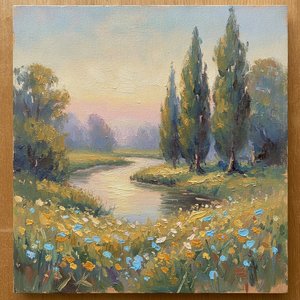
The Timeless Charm of Oil on Board: Reimagining Texture and Light through the Impressionist Lens
Discover the profound intimacy of oil on panel. Explore how Impressionist masters used rigid supports to capture light, texture, and impasto depth through exquisite, handmade oil reproductions for discerning collectors.
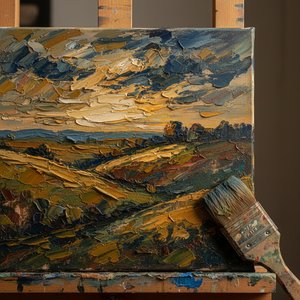
The Timeless Beauty of Oil on Canvas: A Masterclass in Texture, Impasto, and Artistic Mastery
Discover the profound allure of oil on canvas. Explore the mastery of impasto textures, the science of pigment longevity, and expert guides to selecting museum-quality reproductions that elevate your collection with timeless elegance and tactile depth.
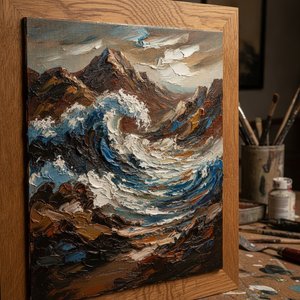
Oil on Panel: The Ultimate Guide to Bold, High-Impact Texture & Depth
Master the art of impact with our expert guide to oil on panel. Discover how impasto textures and heavy-body pigments create 3D depth and bold visual energy for modern interiors. Elevate your space with high-impact, hand-painted masterpieces designed for maximum aesthetic punch.

