

 Peržiūrėti realybėje
 Pasidalinti
 Dalintis
 Išsamiau

 Atsisiųsti
 Panašūs eksponatai
 Rentgeno nuotrauka
 Automatinė diorama
 Statistika
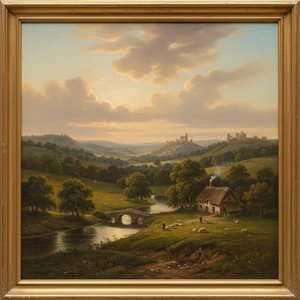
Kedleston Hall from the North


 Skaityti daugiau
Rankų darbo aliejinės reprodukcijos
Rankiniu būdu tapytas aliejus ant droblio jūsų pageidaujamame dydį ir rėmuose – mūsų menininkų darbas pagal užsakymą. ( Perejti prie spausdinimo Perejti prie skaitmeninio vaizdo)




































Pasirinkite iš mūsų nustatytų dydžių, atitinkančių originalaus meno kūrinio proporcijas.

Galite įvesti savo matmenis, kad jie atitiktų konkretų rėmą ar erdvę. Jei pasirinktas dydis neatitinka originalaus paveikslėlio proporcijų, mes arba apkropsime meno kūrinį, arba papildysime tapybą rankomis dažytい elementais. Prieš pradėdami gamybą, jūsų patvirtinimui atsiųsime skaitmeninį maketą.
Atkreipkite dėmesį, kad ekrane rodomas vaizdas neatspindi tikrojo apkarpymo ar papildymo. Tik maketas tiksliai parodys galutinę kompoziciją.
Nors galima rinktis ir individualius dydžius, rekomenduojame pasirinkti matmenis iš nustatytos sąrašo, kad būtų išlaikytos originalios proporcijos.
Gavus užsakymą, OriginalUniqueArt.com komanda susisieks su klientu el. paštu dėl instrukcijų ir pateiks maketo pavyzdį.
Pristatymas visame pasaulyje () per 3–4 savaites, o ne įprastai – per 5 savaites. (9 rugsėjis). Kokybė lieka nepakeičiama.

Nemokamas greitasis pristatymas visame pasaulyje

Aukštos kokybės lininis drobė

Pilnas siuntimo draudimas

Muitinės mokesčių grąžinimo garantija

Tikro spalvų atitikimo garantija

100 dienų grąžinimo politika (tik esant įtaigoms)

100% pinigų grąžinimo garantija

Nuolaida už kelias reprodukcijas
 Stiklo variantas prieinamas tik pasirinkus dydį iki 110 cm

Kedleston Hall from the North
Reprodukcijos technika
Reprodukcijos matmenys
-


Galutinė kaina
$ 300
Autoriaus biografija
Early Life and Artistic Foundations
George Cuitt the Elder, born in the quaint Yorkshire village of Moulton in 1743, possessed a natural inclination towards artistic expression from a young age. This early talent did not go unnoticed; Sir Lawrence Dundas, recognizing the budding artist’s potential, generously sponsored Cuitt's education in Italy. For six formative years, Cuitt immersed himself in the vibrant art scene of Rome, diligently honing his skills and absorbing the classical traditions that would profoundly shape his aesthetic sensibilities. While initially focused on portraiture, it was landscape painting that truly captured his imagination, resonating with a deeper personal connection to the natural world. This period laid the groundwork for a career defined by meticulous detail, harmonious compositions, and an evocative portrayal of both human subjects and the English countryside.A Career Blossoming: Portraits and Landscapes
Upon returning to England in 1775, Cuitt quickly established himself within the artistic community, exhibiting his work at the prestigious Royal Academy in 1776 with *The Infant Jupiter fed with goat's milk and honey*. This early success signaled a promising trajectory. Throughout the late 18th century, he consistently presented both portraits and landscapes, demonstrating versatility and technical mastery. However, frequent bouts of low fever compelled him to seek refuge from the bustling London art world, leading him to settle in Richmond, Yorkshire. It was here, amidst the serene beauty of his surroundings, that Cuitt truly flourished. The local gentry eagerly commissioned him to paint their estates—grand homes nestled within picturesque parks and gardens—providing a steady stream of work and allowing him to fully indulge his passion for capturing the essence of the English landscape.Style and Technique: A Master of Realism
Cuitt’s artistic style is characterized by an exquisite attention to detail, particularly evident in his portraits which are known for their elaborately finished surfaces despite being executed with relatively thin layers of paint. This meticulous approach reflects a dedication to capturing not merely likeness but also the personality and social standing of his sitters. His landscapes, especially those from his earlier period, reveal a remarkable ability to convey both technical skill and emotional depth. He wasn’t simply recording scenes; he was interpreting them through a lens of personal feeling, imbuing his work with a sense of harmony and tranquility. While often categorized within the broader scope of 18th-century British art, Cuitt's paintings stand out for their refined execution and subtle emotional resonance—qualities that align him closely with the principles of American Realism, despite his primarily British focus.Legacy and Historical Significance
George Cuitt the Elder’s contribution to 18th-century art lies in his ability to seamlessly blend portraiture and landscape painting, creating works that offer a compelling glimpse into the lives and surroundings of the English gentry. His paintings are not merely decorative; they serve as historical documents, preserving images of stately homes like Marske Hall and Kedleston Hall, alongside portraits of prominent figures such as Francis Blackburne. His son, George Cuitt the Younger, also followed in his artistic footsteps, continuing the family tradition. While perhaps not a household name today, Cuitt’s work remains highly valued for its technical brilliance, historical significance, and evocative portrayal of a bygone era—a testament to a life dedicated to capturing beauty and preserving it on canvas. His paintings offer a window into the aesthetic values and social structures of 18th-century England, solidifying his place as a significant figure in British artistic history.
Trumpa informacija
- Artistic Movement Or Style: American Realism
- Date Of Birth: 1743
- Date Of Death: 1818
- Full Name: George Cuitt the Elder
- Nationality: British
- Notable Artworks:
- Kedleston Hall from the North
- Marske Hall, Yorkshire
- Francis Blackburne portrait
- Place Of Birth: Moulton, England
Susiję straipsniai

Džono Konsteblio Šedevrai: 25 Išskirtiniai Darbai Jūsų Interjerui | OriginalUniqueArt
Atraskite 25 įspūdingiausius Džono Konsteblio paveikslus! Romantizmo meistro gamtos vaizdai, Dedham Vale peizažai ir meno istorijos šedevrai. Meno reprodukcijos jūsų interjerui – OriginalUniqueArt.com

Georges Seurat: 25 Šedevrai, Apšviečiantys Modernaus Meno Takus | OriginalUniqueArt
Atraskite 25 Georges Seurat šedevrus! Išsami analizė, istorijos ir įkvėpimas interjero dizainui. Pointilizmo meistras, impresionizmas ir chromoluminarizmas – viskas OriginalUniqueArt.com. Explore the full collection online!
George Barret the Elder: Pioneering British Pastoral Painting & Landscape's Rise
Explore the life & art of George Barret Sr., a pioneer of British pastoral painting. Discover his influence on Romantic landscape art, patronage, and collecting tips from OriginalUniqueArt.

10 Romantinių Peizažų Simbolių: Tapybos Majestatės Viršūnės
Atraskite 10 legendinių romantinio peizažo kūrinių! Pasinerkite į Claude Lorrain, Caspar David Friedrich ir J.M.W. Turner genijaus pasaulį. Išmokite apie tapybos meistriškumą bei gamtos grožį. Aukščiausios kokybės meno reprodukcijos – OriginalUniqueArt.com. Tyrinėkite kolekciją!

Georges Braque: 25 Šedevrai, Keičiantys Jūsų Interjerą | OriginalUniqueArt
Atraskite 25 Georges Braque šedevrus! Kubizmo meistro paveikslai, interjero dekoras ir meno istorija. Meno reprodukcijos aukščiausia kokybe – OriginalUniqueArt.com. Išsamesnės informacijos rasite internetu.