
 Peržiūrėti realaus dydžio版
 Pasidalinti
 Dalintis
 Išsamiau
 Vadovas

 Atsisiųsti
 Panašūs eksponatai
 Rentgeno spindulių nuotrauka
 Automatinė diorama
 问答
问答 Statistika
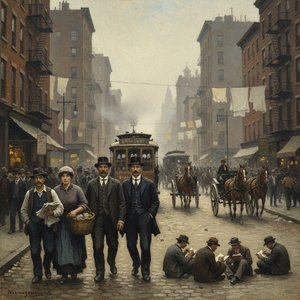
Noontime, St. Botolph Street, Boston


 Skaityti daugiau
Giclée / Meno spausdinimas
Muziejų lygio „giclée“ arba drobos spausdinimas: greita gamyba ir lankstios apdailos parinktys. ( Pirkti rankų darbo tapybą Perejti prie skaitmeninių vaizdų)




P118B €10

P118H €10

P118W €10

P438Z €10

P508JH €12

P508YH €12

P805H €10

P805Z €10

P919BZ €10

P919G €10

P919XJ €10

P959ZH €10

P968JZ €12

W106C €8

W218G €10

W218JH €8

W218Y €10

W307PJ €10

W316G €10

W316PJ €8

W316Y €10

W398PJ €8

W4111J €10

W500HY €15

W500JH €15

W692G €12

W849H €8

W940BG €15

W953PJ €8




Pasirinkite iš mūsų nustatytų dydžių, atitinkančių originalaus meno kūrinio proporcijas.

Įveskite jums reikiamą plotį ir aukštį, kad atvaizdas derėtų prie jūsų rėmo ar sienos. Spausdiną galima tik sumažinti, bet nepadidinti virš originalaus paveikslėlio dydžio, todėl keičiant proporcijas, dalis vaizdo prarandama. Prieš spausdinimą atsiųsime jums skaitmeninį maketą patvirtinimui. Šioje puslapio nuotraukoje matomas pjūvis nėra tikslus – jį rodo tik maketas.
Pristatymas visame pasaulyje () per 2 weeks, o ne įprastas 4/5 savaičių laikotarpis. (5 lapkritis)

Nemokamas greitasis pristatymas visame pasaulyje

Aukštos kokybės lininis drobė

Pilnas siuntimo draudimas

Muitinės mokesčių grąžinimo garantija

Tikro spalvų atitikimo garantija

100 dienų grąžinimo politika (tik esant įtaigoms)

100% pinigų grąžinimo garantija

Nuolaida dideliems užsakymams
 Stiklo variantas prieinamas tik pasirinkus dydį iki 110 cm

Noontime, St. Botolph Street, Boston
Giclée / Meno spausdinimas
Reprodukcijos matmenys
-


Bendroji kaina
€ 72
Noontime in Boston: A Study of Urban Life by George Benjamin Luks
George Benjamin Luks’s “Noontime, St. Botolph Street, Boston,” painted in 1923, isn't merely a depiction of a rainy afternoon; it’s a poignant snapshot of American urban life at the cusp of modernity. Housed within the Museum of Fine Arts, Boston, this oil on canvas offers a rare glimpse into the everyday rhythms and quiet dramas unfolding amidst the bustling streets of early 20th-century Boston. Luks, a key figure in the Ashcan School movement, rejected the idealized portrayals favored by the National Academy of Design, instead choosing to capture the gritty reality of working-class life with unflinching honesty and remarkable empathy.
The painting immediately draws the eye to its central figure – a man navigating the rain-slicked sidewalk, clutching an umbrella and a worn suitcase. His posture suggests both weariness and determination, hinting at a journey, perhaps a temporary escape or a return home. Around him, a carefully constructed tableau of ordinary individuals unfolds: a woman hurrying past with her own umbrella, a group pausing beneath awnings, and the subtle suggestion of activity in the background – a bench occupied by a solitary figure, a chair leaning against a building. These aren’t grand historical scenes or heroic narratives; they are fragments of human experience, rendered with remarkable detail and psychological insight.
A Masterclass in Realist Technique
Luks's distinctive style is immediately apparent in the painting’s bold brushstrokes and vibrant color palette. He masterfully employs a technique that blends elements of realism and impressionism, capturing not just the visual appearance of the scene but also its atmosphere—the dampness, the muted light filtering through the clouds, and the sense of movement inherent in a busy street. The use of loose, expressive brushwork creates a dynamic energy, contrasting with the carefully observed details of the figures and their surroundings. Note particularly how he uses color to evoke the feeling of rain – subtle blues, grays, and greens dominate, punctuated by the brighter tones of umbrellas and clothing.
The artist’s attention to light and shadow is equally impressive. The wet pavement reflects the diffused sunlight, creating a shimmering effect that adds depth and realism to the scene. Luks skillfully uses chiaroscuro – the contrast between light and dark – to sculpt the figures and define their forms, drawing the viewer's eye to key elements within the composition. The subtle play of light on the wet pavement is particularly evocative, suggesting both the discomfort of the rain and the beauty of its reflection.
Contextualizing a Moment in Time
“Noontime, St. Botolph Street, Boston” was created during a period of significant social and economic change in America. The early 20th century witnessed rapid industrialization, urbanization, and immigration, leading to the growth of densely populated cities like Boston and the emergence of new working-class communities. Luks’s painting reflects this reality, portraying the lives of ordinary people struggling to make a living in an increasingly complex world. The inclusion of the suitcase suggests themes of migration and displacement – common experiences for many immigrants arriving in America at the time.
Furthermore, understanding the context of Boston itself is crucial. St. Botolph Street was a vibrant, working-class neighborhood during this period, a microcosm of the larger urban landscape. The painting’s location within the city's historical fabric adds another layer of meaning to the scene, reminding us of the rich and often overlooked history of everyday life in America.
Symbolism and Emotional Resonance
Beyond its realistic depiction of urban life, “Noontime, St. Botolph Street, Boston” carries a subtle emotional resonance. The solitary figure with the suitcase embodies themes of loneliness, uncertainty, and the challenges of navigating an unfamiliar city. The rain itself can be interpreted as a symbol of cleansing or renewal, suggesting that even in difficult circumstances, there is always the possibility for hope. Luks’s ability to capture these nuanced emotions through his masterful technique and keen observation makes this painting a truly enduring work of art.
OriginalUniqueArt offers meticulously crafted hand-painted reproductions of “Noontime, St. Botolph Street, Boston,” allowing you to bring this captivating scene into your home or office. Each reproduction is created by skilled artists using archival quality materials, ensuring that the beauty and detail of Luks’s original work are faithfully preserved for generations to come.
Klausimai ir atsakymai
Iš ko ir kokiu stiliumi sukurta „Noontime, St. Botolph Street, Boston“?
„Noontime, St. Botolph Street, Boston“ sukurta naudojant Oil On Canvas, Ashcan School stiliuje.
Kas yra „Noontime, St. Botolph Street, Boston“ autorius ir kokia kūrinio data?
Džordžas Luksas sukūrė „Noontime, St. Botolph Street, Boston“, nufiksavęs/usi nufiksavęs/usi 1923 m.
Kokia spalvų ryškumas ir intensyvumas pasižymi „Noontime, St. Botolph Street, Boston“ – Džordžas Luksas?
Kūrinys „Noontime, St. Botolph Street, Boston“ – Džordžas Luksas pasižymi Balanced Soft nasyginimu ir Balanced intensyvumu.
Autoriaus biografija
Ankstyvieji Metai ir Formavimasis
Džordžas Benjaminas Luksas, gimęs 1867 metais Viljamsporte, Pensilvanijoje, buvo daugiau nei tapytojas – jis buvo savo laiko kronikininkas. Augdamas imigrantų šeimoje – tėvas lenkų gydytojas, motina vokiečių muzikantė – Luksas anksti pajuto empatiją kasdienio gyvenimo kovoms ir triumfams. Šis jautrumas tapo pagrindine jo artistinės vizijos savybe. Jo jaunystė nebuvo įprasta; prieš atsidavęs drobei ir teptukui, jis su broliu vaidino vodevilyje, ugdydamas stebėjimo įgūdžius ir supratimą apie žmogaus charakterį, kurie vėliau pasirodė nenusvertos vertės. Tai buvo trumpalaikių akimirkų, padidintų gestų ir žalių emocijų pasaulis – treniruočių aikštelė tikrosios gyvenimo esmės užfiksavimui. Šis laikotarpis įskiepijo jam meilę pasirodymams ir spektakliams, elementus subtiliai įpainiotus į jo tapybos dinamiškas kompozicijas.Nuotraukų Studijos ir Aškanų Mokykla
Luksas formalų meninį išsilavinimą pradėjo Pensilvanijos meno akademijoje, tačiau vėlesnės kelionės į Europą išties formavo jo estetinį jautrumą. Jis pasinėrė į Senųjų Meistrų darbus – ypač rezonavo Velaskesas ir Halsas – įsisavindamas jų šviesos, šešėlio ir charakterizacijos meistriškumą. Tačiau jis tiesiog nekopijavo; jis sintetino šias įtakas į kažką unikaliaus savo pačio. Grįžęs į Ameriką, Luksas dirbo laikraščio iliustratoriumi, pirmiausia Filadelfijoje, o vėliau Niujorke. Ši patirtis pasirodė esanti lemtinga. Ji atvėrė jam galimybę susipažinti su judriomis gatvėmis, įvairiais gyventojais ir griežtomis miesto gyvenimo realijomis – temomis, kurios daugelį metų dominavo jo artistinėje kūryboje. Jis susibūrė su panašiamą manančių menininkų ratu – Robertas Henri, John Sloan, William Glackens – kurie dalijoosi atsisakymą nuo akademinės konvencijos ir norą vaizduoti pasaulį taip, kaip jie jį matė, sąžiningai ir be pretenzijos. Ši kolektyvinė dvasia davė pradžią tai, kas tapo žinoma kaip Aškanų mokykla, judėjimui, kuris iššūkiojo vyraujančias artistines normas ir šventė grožį kasdienybėje.Miesto Gyvenimo Pulsas
Luksso paveikslai pasižymi energingu teptuko darbu, drąsiomis kompozicijomis ir atviru miesto gyvenimo vaizdavimu. Jis neslėpė skurdo, sunkumų ir socialinės nelygybės, kamiavusių ankstyvojo 20-ojo amžiaus Ameriką. Jo objektai dažnai buvo paimti iš Niujorko gatvių – taksistai, gatvės atlikėjai, darbininkai ir paprasti žmonės, einantys savo kasdienį gyvenimą. Pavyzdžiui, Taksistas yra galingas vaizdavimas dirbančio žmogaus, jo veidas išraiškingas nuovargiu, tačiau spinduliuojantis ramus orumas. Panašiai, Nusivylęs berniukas užfiksuoja jaunystės pažeidžiamumą ir introspekciją nepaprastu jautrumu. Luksso technika buvo tokia pat išskirtinė kaip ir jo temų pasirinkimas. Jis naudojo storą impasto stilių, gausiai tepdamas dažus ant drobės, sukuriant tekstūruotą paviršių, kuris atrodė vibruojantis energija. Jo spalvų naudojimas dažnai buvo prislopintas, atspindintis grimztelėjusias miesto gyvenimo realijas, tačiau akcentuotas ryškių blyksnių, prikaustančių žiūrovo akį.Balsas Atstovaujamiems ir Ilgalaikis Palikimas
Kaip „Aštuonių“ narys, Luksas vaidino lemiamą vaidmenį iššukiant įsitvirtinusiame meno pasaulyje ir klodamas kelią Amerikos modernizmui. Grupės nepriklausoma paroda 1908 metais buvo lūžio momentas, sukeliantis kontroversijas, tačiau taip pat pritraukęs dėmesį dėl jų novatoriško požiūrio į tapybą. Luksui nebuvo pakanka tik dokumentuoti realybę; jis siekė perteikti jos emocinį svorį, jos įgimtą dramą. Jis norėjo, kad jo paveikslai būtų pajaučiami tiek pat, kiek ir matomi. Be savo artistinių pasiekimų, Luksas taip pat buvo aštrius Amerikos meno ir menininkų šalininkas. Jis dėstė Meno studentų lygoje, įkvėpdamas jaunųjų tapytojų kartoms priimti savitą balsą ir perspektyvą. Jo įtaka matoma daugelio vėlesnių artistų darbuose, kurie siekė užfiksuoti miesto patirties dvasią. Džordžas Benjaminas Luksas mirė 1933 metais, palikęs kūrinių rinkinį, kuris ir šiandien rezonuoja su žiūrovais. Jo paveikslai nėra tik istoriniai dokumentai; jie yra galingi liudijimai apie žmogaus būklę, priminimai apie kovas ir triumfus tų, kurių istorijos galėjo būti pamirštos. Jis išlieka gyvybinga figūra Amerikos meno istorijoje, realizmo čempionas ir atstovaujamųjų balsas.
Džordžas Luksas
1867 - 1933 , JAV
Trumpa informacija
- Artistic Movement Or Style: Aškanų mokykla, realizmas
- Artists Or Movements Influenced By This Artist: ['Amerikietis modernizmas']
- Artists Who Influenced This Artist:
- Velázquez
- Hals
- Manet
- Date Of Birth: 1867
- Date Of Death: 1933
- Full Name: George Benjamin Luks
- Nationality: Amerikietis
- Notable Artworks:
- The Cabby
- Sulky Boy
- Coal Mining Town
- Place Of Birth (City And Country): Williamsport, USA
Susiję straipsniai
The Ashcan School: Realism, Urban Life & the Democratization of American Art
Explore the revolutionary Ashcan School! Discover how artists like Henri & Sloan challenged tradition with gritty realism, capturing urban life in early 20th-century America. Learn about their impact on American art history.

Romantic Realism's Finest: 10 Masterpieces for Your Home | OriginalUniqueArt
Explore 10 defining masterpieces of Romantic Realism! Discover Courbet, Millet & Daumier's powerful paintings—capturing emotion and social realities. Find museum-quality reproductions for your home at OriginalUniqueArt.com.

Georges Braque: 25 Šedevrai, Keičiantys Jūsų Interjerą | OriginalUniqueArt
Atraskite 25 Georges Braque šedevrus! Kubizmo meistro paveikslai, interjero dekoras ir meno istorija. Meno reprodukcijos aukščiausia kokybe – OriginalUniqueArt.com. Išsamesnės informacijos rasite internetu.

Georges Seurat: 25 Šedevrai, Apšviečiantys Modernaus Meno Takus | OriginalUniqueArt
Atraskite 25 Georges Seurat šedevrus! Išsami analizė, istorijos ir įkvėpimas interjero dizainui. Pointilizmo meistras, impresionizmas ir chromoluminarizmas – viskas OriginalUniqueArt.com. Explore the full collection online!

Concrete Visions: Exploring the Urban Landscape in Painting – From Realism to Contemporary Art
Explore the evolution of cityscape painting from Realism to contemporary art with OriginalUniqueArt. Discover key artists & invest in timeless urban visions. Expert guidance, museum-quality reproductions.
