
 Peržiūrėti realaus dydžio版
 Pasidalinti
 Dalintis
 Išsamiau
 Vadovas

 Atsisiųsti
 Panašūs eksponatai
 Rentgeno spindulių nuotrauka
 Automatinė diorama
 问答
问答 Statistika
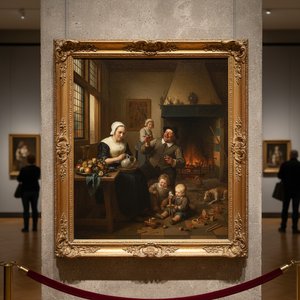
The Poultry Woman

- 61.0 x 45.0 cm


 Skaityti daugiau
Giclée / Meno spausdinimas
Muziejų lygio „giclée“ arba drobos spausdinimas: greita gamyba ir lankstios apdailos parinktys. ( Pirkti rankų darbo tapybą Perejti prie skaitmeninių vaizdų)




P118B €10

P118H €10

P118W €10

P438Z €10

P508JH €12

P508YH €12

P805H €10

P805Z €10

P919BZ €10

P919G €10

P919XJ €10

P959ZH €10

P968JZ €12

W106C €8

W218G €10

W218JH €8

W218Y €10

W307PJ €10

W316G €10

W316PJ €8

W316Y €10

W398PJ €8

W4111J €10

W500HY €15

W500JH €15

W692G €12

W849H €8

W940BG €15

W953PJ €8




Pasirinkite iš mūsų nustatytų dydžių, atitinkančių originalaus meno kūrinio proporcijas.

Įveskite jums reikiamą plotį ir aukštį, kad atvaizdas derėtų prie jūsų rėmo ar sienos. Spausdiną galima tik sumažinti, bet nepadidinti virš originalaus paveikslėlio dydžio, todėl keičiant proporcijas, dalis vaizdo prarandama. Prieš spausdinimą atsiųsime jums skaitmeninį maketą patvirtinimui. Šioje puslapio nuotraukoje matomas pjūvis nėra tikslus – jį rodo tik maketas.
Pristatymas visame pasaulyje () per 2 weeks, o ne įprastas 4/5 savaičių laikotarpis. (5 lapkritis)

Nemokamas greitasis pristatymas visame pasaulyje

Aukštos kokybės lininis drobė

Pilnas siuntimo draudimas

Muitinės mokesčių grąžinimo garantija

Tikro spalvų atitikimo garantija

100 dienų grąžinimo politika (tik esant įtaigoms)

100% pinigų grąžinimo garantija

Nuolaida dideliems užsakymams
 Stiklo variantas prieinamas tik pasirinkus dydį iki 110 cm

The Poultry Woman
Giclée / Meno spausdinimas
Reprodukcijos matmenys
-


Bendroji kaina
€ 72
A Moment Frozen in Time: The Story of *The Poultry Woman*
Gabriel Metsu’s *The Poultry Woman*, painted in 1662, isn't merely a depiction of a market scene; it’s a carefully constructed tableau brimming with quiet drama and subtle symbolism. Within the confines of a modest courtyard, bathed in the dramatic chiaroscuro characteristic of Dutch Golden Age painting, Metsu captures an intimate exchange between a nun offering fish, a woman presenting a bird – likely a chicken or duck – and two men engaged in conversation. The scene unfolds with remarkable realism, yet possesses an almost dreamlike quality, inviting viewers to contemplate the unspoken narratives woven into its composition. It’s a painting that whispers of prosperity, trade, and the delicate balance between human interaction and the natural world, all rendered with Metsu's signature meticulous detail and profound understanding of light and shadow.
- Historical Context: Painted during the height of the Dutch Golden Age, *The Poultry Woman* reflects a society experiencing unprecedented economic growth and artistic flourishing. Metsu’s work aligns with the broader trend of genre painting – scenes from everyday life – which gained prominence as a means of capturing the spirit of the era.
- Artist's Biography: Gabriel Metsu was an enigmatic figure, known for his eclectic style and relatively small body of work. His life remains somewhat shrouded in mystery, adding to the allure of his paintings. He worked primarily in Leiden and Amsterdam, developing a distinctive approach that blended realism with a subtle emotional depth.
The Language of Light and Shadow: Technique and Style
Metsu’s mastery lies not just in his ability to depict realistic figures and objects but also in his masterful manipulation of light and shadow – a technique known as chiaroscuro, deeply influenced by Rembrandt. Notice how the strong contrasts between light and dark sculpt the forms, creating a sense of volume and depth. The lighting isn't uniform; it highlights specific elements—the woman’s face, the bird she presents, the textures of clothing and feathers—drawing the viewer’s eye to key focal points. The painting is executed in oil on canvas with meticulous layering, building up texture and color through numerous thin glazes. This technique allows Metsu to achieve a remarkable level of detail, from the intricate folds of fabric to the individual strands of hair.
Key stylistic elements include:- Realism: Metsu’s commitment to accurate representation is evident in every detail, from the weathered faces of the figures to the realistic depiction of the poultry.
- Chiaroscuro: The dramatic use of light and shadow creates a sense of depth and atmosphere.
- Composition: The balanced composition draws the eye through the scene, guiding the viewer’s attention to the central interaction between the figures.
Symbolism and Interpretation: Unpacking the Scene
Beyond its surface realism, *The Poultry Woman* is rich in symbolic meaning. The offering of fish by the nun suggests charity and religious devotion, while the presentation of the bird represents abundance and prosperity – a common motif in Dutch art during this period. The two men conversing could symbolize commerce or social interaction, reflecting the bustling atmosphere of the market. Interestingly, Metsu often incorporated emblems from emblem books into his paintings, adding layers of meaning to his compositions. In *The Poultry Woman*, the bird itself might represent fertility and new beginnings, while the gesture of offering suggests a reciprocal exchange – a transaction not just of goods but also of goodwill.
A Timeless Masterpiece: Reproduction and Legacy
Gabriel Metsu’s *The Poultry Woman* remains one of the most captivating works of the Dutch Golden Age. Its intimate portrayal of everyday life, combined with its masterful technique and subtle symbolism, continues to resonate with viewers today. Reproductions offer a remarkable opportunity to bring this extraordinary painting into your home or office, allowing you to appreciate Metsu’s artistry and immerse yourself in the atmosphere of 17th-century Holland. Consider a high-quality print or canvas reproduction to capture the richness of color and detail that define this iconic masterpiece.
Klausimai ir atsakymai
Kokią emociją sukelia „The Poultry Woman“ – Gabrielis Mecsu spalvos?
Darbe „The Poultry Woman“ Earthy spalvos sukuria Nostalgic nuotaiką.
Ar „The Poultry Woman“ liko savo kūrėjo tėvynėje?
Ne – kūrinys saugomas užsienyje. Gabrielis Mecsu gimė Nyderlandai, o originalus kūrinys „The Poultry Woman“ saugomas muziejuje, esančiame Deutschland.
Kokie yra „The Poultry Woman“ – Gabrielis Mecsu realūs matmenys?
Originalaus kūrinio „The Poultry Woman“ – Gabrielis Mecsu matmenys yra 61 x 45 cm.
Autoriaus biografija
**gyvenimas meneinėms paieškoms**
gabriël metsu, olandų dailininkas iš Nyderlandų, gyveno ypatingą gyvenimą, pasižymintį menine kūrybiškumu ir inovacijomis. Gimęs 1629 metais, Metsu kūrinys įkūnijo olandų aukso amžiaus dvasią – laikotarpį, garsėjantį neįtikėtinu meniniu gausumu. Ši biografija kviečia prisijungti prie naratyvo apie šią paslaptingą asmenybę, kurios indėlis į meno pasaulį iki šiaurės dieną kelia susižavėjimą.**ankstyvasis gyvenimas ir įtakos**
Metsu gimė 1629 metais, kaip Jacques Metso – taperių meistro ir dailininko, kilusio iš Hainault, sūnus. Ši įvairiapusis kilmės istorija tikriausiai paskatino Gabrielį anksti susidomėti įvairiais meniniais technikos elementais. Persikėlimas į Leiden, kur suaugė Metsu, atvėrė jam duris į įvairias kultūrinsio pasaulio įtminas.**meninė karjera**
Metsu kūrybinė kelionė pasižymėjo atmetimu bet kokios vienos stiliaus ar technikos; tai pelnino jam „labai eklektiško dailininko“ titulą. Jo darbai apėmė istorinius paveikslus, stillifonus, portretus ir žanrinę tapybą. Įspūdingas yra tas faktas, kad tik 14 iš 133 jo darbų turi datą, todėl daug ko dar lieka nežinoma apie jo kūrybinį procesą.- rembrand van rijn įtaka Metsu ankstyvojo kūrybos laikotarpiui yra akivaizdi, ypač tai jautama jo taikuose šviesos ir spalvos naudojime.
- Metsu persikėlimas į Amsterdamą 1655 metais pažymėjo esminį stiliaus lūžį, kai kūryboje daugiau dėmesio pradėta skirti buitiniams interjerams ir žanrinėms scenoms.
- Jo mokymasis pas Michiel van Musscher ir Joost van Geel atspindi jo ryšį su tuo samtos meno bendruomente.
**pastebimiausi darbai ir palikimas**
Metsu paveiksluose dažnai matomos jaunos moterys, rinkinio scenos bei seniai žmonės, kur kūrinys remiasi populiariais emblematiniais prasmėmis. Ryškus pavyzdys yra skrupūčiai pardavėja, kuri demonstruoja jo gebėjimą naudoti simbolizmą. pagrindiniai darbai:- sergantis vaikas (apie 1664 m.), atspindintis Metsu susižavėjimą Vermeerio kūryba.
- hinlopen šeimos portretas – meistriškas darbas, sujungiantis žanrinę ir portretinę tapybą.
**muziejai ir kolekcijos**
Metsu kūriniai galima rasti įvairiuose muziejuose, įskaitant Amsterdamo Rijksmuseum. Norėdami sužinoti daugiau apie jo meną ir pažinti kitus olandų aukso amžiaus dailininkus, apsilankykite /lt/art/show/art-d3c627-lt/ ir pasikraustykite išsamią apžvalgą. Išvada: Gabriel Metsu gyvenimas ir menas yra olandų aukso amžiaus inovacijų dvasios įrodymas. Jo eklektiškas stilius, nors kartais ir paslaptingas, paliko neištriniamą žymę meno pasaulyje. Toliej atskleisdami daugiau apie jo gyvenimą ir kūrybą, mes vėl prisimename gilią įtaką, kurią jis turėjo Vakarų meno vystymui.- Gilesniam olandų aukso amžiaus supratimui kreipkitės į [https://en.wikipedia.org/wiki/dutch_golden_age_painting](https://en.wikipedia.org/wiki/dutch_golden_age_painting).
- Tyrinėkite daugiau Metsu darbų ir jo samtvorių darbus adresu [https://OriginalUniqueArt.com/@/gabriel-metsu](https://OriginalUniqueArt.com/@/gabriel-metsu).
**šaltiniai:**
- the house of orange-nassau historic collection trust (Haga, Nyderlandai), [https://OriginalUniqueArt.com/@@/a@d3ccx5](https://OriginalUniqueArt.com/@@/a@d3ccx5).
- Van Gogh muziejus (Nyderlandai) – ramybės uostas meilės menui, [https://OriginalUniqueArt.com/@@/a@d3c8x3](https://OriginalUniqueArt.com/@@/a@d3c8x3).
- olandų aukso amžiaus tapyba, [https://en.wikipedia.org/wiki/dutch_golden_age_painting](https://en.wikipedia.org/wiki/dutch_golden_age_painting).

Gabrielis Mecsu
1629 - 1667 , Nyderlandai
Trumpa informacija
- Gimimo Data: 1629
- Gimimo Vieta: Leiden, Nyderlandai
- Menininkai, Kuriuos Įtakojo:
- Michiel van Musscher
- Joost van Geel
- Meninis Stilius: Nyderlandų aukso amžius
- Mirties Data: 1667
- Pilietybė: Olandietis
- Pilnas Vardas: Gabriel Metsu
- Įtakoję Menininkai:
- Rembrandt van Rijn
- Johannes Vermeer
- Žymiausi Darbai:
- The Sick Child
- Poultry Seller
- Portrait of the Hinlopen Family
Susiję straipsniai

Olandijos Aukso Amžius: 10 Šedevrų, Apibrėžiančių Meną ir Stilių
Atraskite Olandijos Aukso Amži\u017us meninius šedevrus! 10 legendin\u017iŴ paveikslžiai – Rembrandto, Vermeerio ir kt. darbai. Sužnkitę j\u016ungo namus aukso amži\u017us grožiu! Āukrai, interjero dizainas – viskas OriginalUniqueArt.com. Ižirkite kolekciją internete!

Golden Light & Dutch Skies: The Timeless Magic of Dutch Golden Age Landscapes
Discover the breathtaking beauty of Dutch Golden Age landscapes. Explore the mastery of light, chiaroscuro, and 17th-century realism through an expert art history lens, celebrating the enduring legacy of the Dutch Masters for discerning collectors and art lovers.

Gabriel Metsu: Illuminating Dutch Daily Life with Exquisite Detail
Explore the captivating world of Gabriel Metsu, a leading Dutch Golden Age painter. Discover his exquisite genre scenes, masterful realism, and insightful social commentary. Learn about key works & his lasting legacy.

Illuminating Innovation: Exploring the Dutch Golden Age of Painting
Explore the Dutch Golden Age of painting with OriginalUniqueArt. Discover Rembrandt, Vermeer & other Masters. Learn about key characteristics, iconic artworks, and lasting influence. Expert insights for collectors & enthusiasts.
Genre Painting: A Window into Daily Life & Societal Values of the Dutch Golden Age
Explore the captivating world of Dutch Golden Age genre painting! Discover realistic depictions of daily life, masterful artists like Ostade & Metsu, and hidden symbolism. Learn about this influential art movement with OriginalUniqueArt.
