

 Peržiūrėti realaus dydžio版
 Siųsti
 Dalintis
 Išsamiau
 Vadovas

 Atsisiųsti
 Panašūs eksponatai
 Rentgeno spindulių nuotrauka
 Diaporama
 Statistika
The new city is built on labour... (Design for competition Dresden)
 Acrylic
- WallArt
- German Expressionism
 1952
1952- Modern
 46.0 x 47.0 cm
 Bauhaus Dessau Fondacija
 Rodyti daugiau
Giclée / Meno spausdinimas
Muziejų lygio „giclée“ arba drobos spausdinimas: greita gamyba ir lankstios apdailos parinktys. ( Pirkti rankomis tapytą reprodukciją Perejti prie skaitmeninių vaizdų)




P118B $10

P118H $10

P118W $10

P438Z $10

P508JH $12

P508YH $12

P805H $10

P805Z $10

P919BZ $10

P919G $10

P919XJ $10

P959ZH $10

P968JZ $12

W106C $8

W218G $10

W218JH $8

W218Y $10

W307PJ $10

W316G $10

W316PJ $8

W316Y $10

W398PJ $8

W4111J $10

W500HY $15

W500JH $15

W692G $12

W849H $8

W940BG $15

W953PJ $8




Pasirinkite iš mūsų nustatytų dydžių, atitinkančių originalaus meno kūrinio proporcijas.

Galite nurodyti savo matmenis, kad vaizdas atitiktų konkretų rėmą ar erdvę. Jei pasirinktas dydis nesutaps su originalaus paveikslėlio proporcijomis, mes arba apkirpsime kūrinį, arba išplėsime vaizdą naudojant veideliu atspindėtą arba vientisą šoną. Skaitmeninis maketas bus išsiųstas jums patvirtinti prieš pradedant gamybą.
Atkreipkite dėmesį, kad ekrane matomas vaizdinys neatspindi tikrojo apkirpimo ar išplėtimo. Tik maketas tiksliai parodytų galutinę kompoziciją.
Nors galima rinktis ir individualius dydžius, rekomenduojame pasirinkti vieną iš išanksti nustatytų matmenų, kad būtų išlaikytos originalios proporcijos.
Pristatymas visame pasaulyje () per 2 weeks, o ne įprastas 4/5 savaičių laikotarpis. (25 rugsėjis)

Nemokamas greitasis pristatymas visame pasaulyje

Aukštos kokybės lininis drobė

Pilnas siuntimo draudimas

Muitinės mokesčių grąžinimo garantija

Tikro spalvų atitikimo garantija

100 dienų grąžinimo politika (tik esant įtaigoms)

100% pinigų grąžinimo garantija

Nuolaida dideliems užsakymams
 Stiklo variantas prieinamas tik pasirinkus dydį iki 110 cm

The new city is built on labour... (Design for competition Dresden)
Giclée / Meno spausdinimas
Reprodukcijos dydis
-


Visų pasirinktų variantų kaina
$ 80
A Vision Forged in Labor: Franz Ehrlich’s “The New City is Built on Labour…”
Franz Ehrlich's 1952 sketch, "The New City is Built on Labour...", isn’t merely a design proposal for a competition in Dresden; it’s a poignant testament to post-war reconstruction and the enduring spirit of a city striving to rebuild itself. Captured with a restrained graphite palette against aged paper, the image possesses an immediate intimacy – as if we've stumbled upon a forgotten blueprint, imbued with the hopes and anxieties of a nation grappling with its past. The drawing depicts a meticulously planned urban landscape, dominated by a central train station flanked by buildings rising towards a clear sky, all anchored by a network of roads and pathways. A prominent locomotive suggests progress and connectivity, while figures – rendered subtly within the composition – hint at the human effort underpinning this ambitious vision.
Ehrlich’s work is deeply rooted in the Bauhaus movement, yet transcends its formal tenets. The influence of geometric precision is evident in the simplified forms of the buildings, reminiscent of Walter Gropius' designs. However, there’s a distinct emotionality present, a sense of melancholy and quiet determination that speaks to the challenges faced by Germany following World War II. The muted tones – primarily shades of grey, accented with hints of brown and ochre – evoke the somber atmosphere of a city scarred by conflict, while simultaneously conveying a profound respect for the materials and the process of construction.
A Master’s Hand: Technique and Materials
Examining the drawing closely reveals Ehrlich's masterful technique. He employs a sophisticated range of hatching and cross-hatching to build up tonal values and create a remarkable sense of depth and texture. The varying line weights – from delicate, almost imperceptible strokes defining fine details to bolder lines delineating larger forms – contribute significantly to the image’s dynamism. The paper itself bears witness to the artist's hand; subtle creases and discoloration suggest years spent in careful consideration and execution. It’s a tangible connection to the creative process, reminding us that art is not simply about finished products but also about the journey of creation.
The choice of graphite as the medium is particularly significant. Graphite offers a remarkable degree of control, allowing Ehrlich to capture both the sharp edges of architectural forms and the softer nuances of human figures. Its ability to create subtle gradations of tone lends itself perfectly to conveying mood and atmosphere – essential elements in this evocative composition. The drawing’s scale—46 x 47 cm— invites close scrutiny, encouraging viewers to appreciate the intricate details and the artist's deliberate choices.
Historical Context: Reconstruction and Remembrance
To fully understand “The New City is Built on Labour…”, it’s crucial to consider its historical context. Created in 1952, shortly after World War II, the drawing reflects Dresden’s arduous process of rebuilding. The city had been almost entirely destroyed by Allied bombing raids, leaving behind a devastated landscape and a shattered population. Ehrlich's design wasn’t just about creating a new urban space; it was about symbolizing hope and renewal – a deliberate act of defiance against the destruction that had ravaged his homeland.
The title itself is profoundly symbolic, underscoring the central role of labor in this reconstruction effort. It speaks to the countless hours spent by workers rebuilding homes, infrastructure, and lives. Furthermore, the inclusion of a train station highlights Dresden’s reconnection with the wider world – a vital step towards economic recovery and cultural exchange. The drawing serves as a powerful reminder of the resilience of the human spirit in the face of adversity.
A Legacy of Vision: Symbolism and Emotional Resonance
Beyond its technical merits, “The New City is Built on Labour…” resonates deeply with viewers due to its inherent symbolism. The train station represents progress and connection, while the figures within the composition embody the collective effort required for rebuilding. The overall mood is one of quiet determination – a sense that despite the devastation, Dresden was determined to forge a new future.
Ehrlich’s work transcends mere architectural design; it's a visual meditation on memory, loss, and hope. It invites us to contemplate the challenges faced by communities rebuilding after conflict and to appreciate the enduring power of human creativity in shaping our world. Reproductions of this compelling sketch offer a valuable window into a pivotal moment in German history, allowing us to connect with the past while celebrating the spirit of innovation and resilience that continues to define Dresden today.
Autoriaus biografija
ankstyvasis gyvenimas ir išsilavinimas
Franz Ehrlich, žinomąs vokiečių architektas, kaligrafas ir grafikos dizaineris, gimė 1907 metais. Jo formavimosi metus pažymėjo natūralus polinkis į meną, kuris leido jam 1ngis nuo 1927 iki 1930 metų studijuoti prestižinėje Desau Bauhause. Ši iškilminga institucija su игра lemingą vaidmenį formuojant Ehrlicho meninę perspektyvą, atversdama jam duris į to meto avangardines veiklas.meninė karjera ir komunistų priklausomybė
Ehrlicho ryšys su komunistų partija turėjo gilią įtaką jo gyvenimui ir karjerai. 1935 metais jis buvo suimtas ir įkalintas naci režimo, įvykis, kuris dramatiškai pakeitė jo meninių siekių kryptį. Nepaisant šių sunkių išbandymų, Ehrlichas niekada nenustojo prisidėti prie meno pasaulio kūrybai, palikdamas paveldą, kuris yra tiek įkvepiantis, tiek skatinantis mąstyti.pastebimiausi darbai
tarp ryškiausių Ehrlicho kūrinių galima išskirti:- „800 yrs. das buch“ [knyga]. planas ir vaizdai (eksponavimo stelažai, Leipzigo kooperacijos metológos paroda), kuris yra tiesioginis jo inovatyvaus požiūrio į dizainą ir architektūrą įrodymas.
- prof. dr. Baumann namo projektas (požemio planas), demonstruojantis jo meistriškumą architektūrinio planavimo srityje.
- 1933 m. (fotografijos ir skulptūros reklaminiu projektas), unikali fotografijos bei skulptūros sinergija,于 išryškinanti jo eksperimentinį kūrybinį prigimtį.
muziejai ir kolekcijos, kuriose saugomi Ehrlicho darbai
OriginalUniqueArt.com didžiuojasi plačia Ehrlicho kūrinių kolekcija, apimanti tiek aukščiau minėtus, tiek kitus jo meno pėdsakus. Taip pat svarbus jo meninės veiklos saugotojas yra Bauhauso Desau fondas (Dessau-Roßlau, Vokietija).paveldas ir įtaka
Franz Ehrlich prisidėlimas prie meno pasaulio yra daugiasluoksnis, atspindintis platų jo interesų ir talentų spektrą. Jo patirtys, tiek kūrybinės, tiek asmeninės, suteikia vertingų įžvalgų apie meno ir politikos susipynimą kritiniu metu Vokietijos istorijoje.- peržiūrėti daugiau Ehrlicho darbų galite https://OriginalUniqueArt.com/@/franz-ehrlich
- išnagrinėti Bauhauso Desau fondo ir jo kolekcijos darbus Bauhaus Dessau Foundation (Dessau-Roßlau, Vokietija)
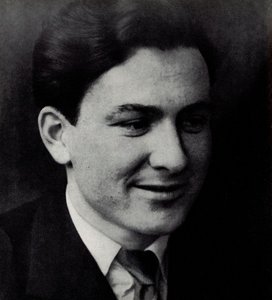
Francas Ehrlichas
1907 - 1984 , Vokietija
Trumpa informacija apie kūrėją
- Gimimo Data: 1907
- Gimimo Vieta: Reutas, Vokietija
- Menininkai, Kurie Paveikė Šį Artistą:
- Walter Gropius
- Moholy-Nagy
- Klee
- Joost Schmidt
- Menų Kryptis Ar Stilius: Bauhausas, ekspresionizmas
- Mirties Data: 1984
- Tautybė: vokietis
- Vardas Ir Pavardė: Franz Ehrlich
- Šį Artistą Įkvėlusios Menų Kryptys Arba Menininkai:
- Bauhausas
- Jaudasis komunistinės partijos sąjungos
- Žinomos Kūriniai:
- 800 YRS. FRAMEWORK WALL 3
- Be pavadinimo (HKB I arba II)
- Spalva su smuiku
Susiję straipsniai
Urban Visions: A Historical & Artistic Exploration of the Cityscape in Painting
Explore the evolution of cityscape painting from historical maps to Impressionist masterpieces. Discover artists like Caillebotte & Utrillo. Find museum-quality reproductions at OriginalUniqueArt.
Concrete Visions: Exploring Representations of Urban Life in Modern & Contemporary Art
Explore the evolution of cityscape painting from Realism to contemporary art. Discover key artists & invest in timeless urban visions with OriginalUniqueArt's expert guidance and museum-quality reproductions.

Concrete Visions: Exploring the Urban Landscape in Painting – From Realism to Contemporary Art
Explore the evolution of cityscape painting from Realism to contemporary art with OriginalUniqueArt. Discover key artists & invest in timeless urban visions. Expert guidance, museum-quality reproductions.
Concrete Narratives: Exploring Urban Life in Modern & Contemporary Art
Explore the evolution of cityscape painting with OriginalUniqueArt. Discover key artists from Realism to contemporary movements & invest in timeless urban visions. Expert guidance, museum-quality reproductions.
The Eloquent Line: Exploring the Artistic Significance of Sketches Across Movements and Media
Explore the profound artistic significance of sketches throughout history. From Renaissance masters to modern innovators like Van Gogh & Guston, discover how these foundational works reveal technique, emotion, and vision. Learn more at OriginalUniqueArt.