() ·

A painting made for you, by hand

The Cloth Shop

Rankų darbo aliejinės reprodukcijos

Rankiniu būdu tapytas aliejus ant droblio jūsų pageidaujamame dydį ir rėmuose – tai mūsų menininkų pagal užsakymą sukurtas darbas. ( Perjungti į spausdinamus版作品 Perejti prie skaitmeninių vaizdų)

Kolekcinio objekto aprašas

This captivating genre painting depicts an opulent interior featuring a gentleman engaging in conversation with a woman amidst a display of luxurious fabrics. The artist's meticulous technique, influenced by Gerrit Dou and Adam Frans van der Meulen, conveys subtle nuances of social interaction and wealth.

Autoriaus biografija

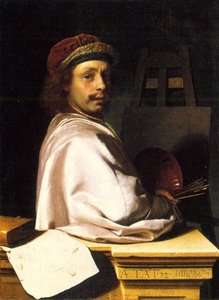
Frans van Mieris the Elder (1635-1681): Olandų Aukso amžiaus „fijnschilder“ žanro scenų ir portretų meistras, garsėjantis neįtikėtinu detaliu ir prabangaus XVII a. gyvenimo vaizdais.

from ·

Chapter 1

How large should it be?

Slide to change the size; the picture on the left shows the frame at its real width. The proportions of the original are kept.

Standartinis dydis
pagal užsakymą
CM
INCH

Pasirinkite iš mūsų nustatytų dydžių, atitinkančių originalaus meno kūrinio proporcijas.

plotis
aukštis

Įveskite jums reikiamą plotį ir aukštį, kad paveikslas atitiktų jūsų rėmą ar sieną. Kadangi šis darbas yra rankinio darbo, siekiant išgauti kitokios formos dydį, paveikslas gali būti šiek tiek didesnis (nuo kraštų bus palikta daugiau erdvės) arba mažesnis – pasirinkite jums patogiausią variantą. Prieš pradedant tapyti, atsiųsime jums skaitmeninį maketą patvirtinimui. Šioje puslapio nuotraukoje matomas vaizdas nėra galutinis rezultatas – jį parodys tik sukurtas maketas.

Chapter 2

How should it arrive?

Choose the edges of the stretched canvas

Choose your frame

Corner sample of the WhiteWrap canvas edge finish, stretched on solidus medžio

**Improved version:**
solidus medis bars
White €1
Corner sample of the BlurSideWrap canvas edge finish, stretched on solidus medžio

**Improved version:**
solidus medis bars
Blurside €1
Corner sample of the ExtendedWrap canvas edge finish, stretched on solidus medžio

**Improved version:**
solidus medis bars
Extended €1
Corner sample of the P118B picture frame: lieto polistirolo detalės, 5 cm wide and 3 cm thick
P118B €10
Corner sample of the P118H picture frame: lieto polistirolo detalės, 5 cm wide and 3 cm thick
P118H €10
Corner sample of the P118W picture frame: lieto polistirolo detalės, 5 cm wide and 3 cm thick
P118W €10
Corner sample of the P438Z picture frame: lieto polistirolo detalės, 5.5 cm wide and 3.5 cm thick
P438Z €10
Corner sample of the P508JH picture frame: lieto polistirolo detalės, 7 cm wide and 3.5 cm thick
P508JH €12
Corner sample of the P508YH picture frame: lieto polistirolo detalės, 7 cm wide and 3.5 cm thick
P508YH €12
Corner sample of the P805H picture frame: lieto polistirolo detalės, 5 cm wide and 3.5 cm thick
P805H €10
Corner sample of the P805Z picture frame: lieto polistirolo detalės, 5 cm wide and 3.5 cm thick
P805Z €10
Corner sample of the P919BZ picture frame: lieto polistirolo detalės, 7 cm wide and 3.5 cm thick
P919BZ €10
Corner sample of the P919G picture frame: lieto polistirolo detalės, 7 cm wide and 3.5 cm thick
P919G €10
Corner sample of the P919XJ picture frame: lieto polistirolo detalės, 7 cm wide and 3.5 cm thick
P919XJ €10
Corner sample of the P959ZH picture frame: lieto polistirolo detalės, 5 cm wide and 3 cm thick
P959ZH €10
Corner sample of the P968JZ picture frame: lieto polistirolo detalės, 6 cm wide and 4 cm thick
P968JZ €12
Corner sample of the W106C picture frame: solidus medžio

**Improved version:**
solidus medis, 5 cm wide and 3 cm thick
W106C €8
Corner sample of the W218G picture frame: solidus medžio

**Improved version:**
solidus medis, 5 cm wide and 3 cm thick
W218G €10
Corner sample of the W218JH picture frame: solidus medžio

**Improved version:**
solidus medis, 5 cm wide and 3 cm thick
W218JH €8
Corner sample of the W218Y picture frame: solidus medžio

**Improved version:**
solidus medis, 5 cm wide and 3 cm thick
W218Y €10
Corner sample of the W307PJ picture frame: solidus medžio

**Improved version:**
solidus medis, 6 cm wide and 3 cm thick
W307PJ €10
Corner sample of the W316G picture frame: solidus medžio

**Improved version:**
solidus medis, 6 cm wide and 3 cm thick
W316G €10
Corner sample of the W316PJ picture frame: solidus medžio

**Improved version:**
solidus medis, 6 cm wide and 3 cm thick
W316PJ €8
Corner sample of the W316Y picture frame: solidus medžio

**Improved version:**
solidus medis, 6 cm wide and 3 cm thick
W316Y €10
Corner sample of the W398PJ picture frame: solidus medžio

**Improved version:**
solidus medis, 5 cm wide and 3 cm thick
W398PJ €8
Corner sample of the W4111J picture frame: solidus medžio

**Improved version:**
solidus medis, 6.5 cm wide and 3.5 cm thick
W4111J €10
Corner sample of the W500HY picture frame: solidus medžio

**Improved version:**
solidus medis, 7 cm wide and 5 cm thick
W500HY €15
Corner sample of the W500JH picture frame: solidus medžio

**Improved version:**
solidus medis, 7 cm wide and 5 cm thick
W500JH €15
Corner sample of the W692G picture frame: solidus medžio

**Improved version:**
solidus medis, 8 cm wide and 4 cm thick
W692G €12
Corner sample of the W849H picture frame: solidus medžio

**Improved version:**
solidus medis, 5 cm wide and 3 cm thick
W849H €8
Corner sample of the W940BG picture frame: solidus medžio

**Improved version:**
solidus medis, 7.5 cm wide and 4.5 cm thick
W940BG €15
Corner sample of the W953PJ picture frame: solidus medžio

**Improved version:**
solidus medis, 6 cm wide and 3.5 cm thick
W953PJ €8
Corner sample of the H24-GOLD picture frame: medžio skulptūra su gipso sluosniu, 10 cm wide and 6 cm thick
H24-GOLD €30
Corner sample of the H24-SILVER picture frame: medžio skulptūra su gipso sluosniu, 10 cm wide and 6 cm thick
H24-SILVER €30
Corner sample of the H36-GOLD picture frame: medžio skulptūra su gipso sluosniu, 15 cm wide and 6.5 cm thick
H36-GOLD €45
Corner sample of the H36-SILVER picture frame: medžio skulptūra su gipso sluosniu, 15 cm wide and 6.5 cm thick
H36-SILVER €45
Rėmo peržiūra
Įrėmintas

Moulding: . Overall size with the frame: .

Chapter 3

Who paints it, and should anything change?

Examples of what can be changed: Replace face with customer photo; Add pet (e.g., replace cat with dog); Include hidden message in background; Change background landscape or elements.
After order, OriginalUniqueArt.com team will email client for instructions and provide a mockup preview

Pristatymas visame pasaulyje () per 3–4 savaites, o ne įprastai – per 5 savaites. (31 spalis). Kokybė lieka nepakeičiama.

Chapter 4

The finishing touches

A nameplate, as in a museum?

Išgraviruotos bronzinės plokštelės detalės

This elegant plaque features the artist's name and the title of the artwork, finely engraved for a timeless presentation.

It is made from bronze with a refined, elegant finish. The text is precisely laser-engraved for a sharp and permanent result. Measuring 9x2 cm, the plaque is compact yet easy to read. It's built to be durable and scratch-resistant, offering a professional, museum-quality look. Mounting is simple thanks to the included adhesive backing.

Skaidrios akrilo plokštelės informacija

The plaque includes essential engraved details such as the artist's name, the title of the artwork, the date it was created, the type of media used-like oil on canvas or watercolor-a brief description of the piece, and a QR code that links to the complete artwork information.

It is crafted from clear acrylic, offering a sleek, modern appearance. The text is UV-engraved in black to ensure strong visual contrast. With a size of 10x15 cm, it ensures optimal readability. It comes equipped with two metal hooks for secure wall mounting. The plaque is designed to be weather-resistant, making it suitable for various environments, and it includes interactive features that work seamlessly with smartphone scanning.

Juodos akrilo plokštelės informacija

This elegant plaque includes engraved information such as the artist's name, the title of the artwork, the date it was created, the type of media used (like oil on canvas or watercolor), a short description of the artwork, and a QR code for quick access to more information.

The plaque itself is made from refined black acrylic with a premium finish. The text is laser-engraved in white for high contrast and readability. Its size is 10x15 cm, designed to be easy to read. It comes with two metal hooks for professional mounting. The design is sleek and fits any interior style. It is also weather-resistant and durable, with built-in digital integration for mobile compatibility.

A protective varnish?

When do you need it?

Chapter 5

Your painting, as you ordered it

The Cloth Shop

Reprodukcijos technika

Reprodukcijos matmenys

-

Aukščiausios klasės meistras

Daugiau detalių, meistriškumo ir papildomo gamybos laiko

-

Reprodukcijos rėmėjimo parinktys

-

-

Dėl meno kūrinių ar reprodukcijų, kurių bet kuri pusė yra didesnė nei 105 cm (apie 41 inch), rėmas bus siunčiamas kaip išskaidytas surinkimo rinkinys. Šis metodas užtikrina saugų pristatymą ir apsaugo nuo transportavimo metu galimos žalos.

Reikalingas profesionalus surinkimas – tai nėra „pasidaryk pats“ (DIY) produktas.
Rinkinys turi būti surinktas, o drobė išplėsta naudojant patyrį profesionalų rėmininką, medžio klijus (nėra įtraukti į rinkinį), drobės plėšimo kleslę bei presas, kad rėmo rėžiai išliktų tiesūs, kol klijai išdžiūvus. Netinkamas surinkimas arba netolydus drobės įtampa gali negrįžtamai sugadinti meno kūrinį, todėl šie atvejai nėra užtraukiami mūsų garantijos.

  • Į komplektą įeina visi vientisos medienos elementai, tiksliai išpjauti pagal dydį.

  • Surmontinama naudojant pridėtus varžtus bei papildomai reikalingą medžio kliją kampų jungtims, kuris nėra pridėtas ir turi būti parinktas rėmininkui.

  • Reikalingi profesionalūs įrankiai, kurie nėra įtraukti į rinkinį: drobės kėlimo plytelės (stiprintuvai) ir klemiai, laikantys rėmo strygius tiesiu kampu, kol džiūsta lipas.

Svarbu:
Kampų jungtims reikalingi medžio klijai, barams reikia laikyti naudojant presas, kol klijai visiškai išdžiūvės, o surinktam rėmui įtempiamai privilgti būtinos drobės įtempimo plytযুক্ত. Šios priemonės į rinkinį neįtrauktos. Prieš užsakydami šio dydžio rinkinį, rekomenduojame pasimalkoti patyrusiu rėmų meistru.

Pavadinimo lentelė

-

-

Apsauginis lakas

Blizgus lakas (ryškina spalvas, saugo nuo šviesos ir drėgmės)

-

Personalizuoti kūrinį

Ką galima pakeisti (pavyzdžiui): pakeisti veidą klientui skirta nuotrauka; pridėti augintinį (pvz., katę pakeisti šuniu); įtraukti paslėptą žinutę fone; pakeisti fono kraštovaizdį ar elementus.

-

Skubiai

Pristatymas visame pasaulyje () per 3–4 savaites, o ne įprastai – per 5 savaites. (31 spalis). Kokybė lieka nepakeičiama.

-

Skubus pristatymas

Pristatymas visame pasaulyje () per 5 weeks. (7 lapkritis).

Įskaičiuota

Bendroji kaina

€ 267

Visos kainos suma € 267

Stiklo variantas prieinamas tik pasirinkus dydį iki 110 cm

Included with every order

  • Nemokamas greitasis pristatymas visame pasaulyje
  • Aukštos kokybės lininis drobė
  • Pilnas siuntimo draudimas
  • Muitinės mokesčių grąžinimo garantija
  • Tikro spalvų atitikimo garantija
  • 100 dienų grąžinimo politika (tik esant įtaigoms)
  • 100% pinigų grąžinimo garantija
  • Nuolaida dideliems užsakymams

A Masterpiece of Meticulous Detail

In the quiet, luminous world of the Dutch Golden Age, few artists captured the intimate textures of life with as much reverence as Frans van Mieris the Elder. His 1660 masterpiece, The Cloth Shop, is not merely a depiction of commerce; it is a breathtaking window into the soul of seventeenth-century Leiden. Executed on a gilt copper panel—a surface that allows for an almost supernatural level of precision—the painting serves as a pinnacle of the fijnschilder movement. This "fine painter" technique, characterized by incredibly smooth brushwork and microscopic detail, transforms a simple retail setting into a shimmering, tactile experience where every thread of fabric and every glint of light feels tangibly real.

The scene unfolds within a room that breathes with a warm, atmospheric glow. A large chandelier hangs suspended from the ceiling, acting as the primary source of illumination that dances across the polished surfaces of the shop. As the eye wanders through the composition, one is struck by the artist's masterful use of chiaroscuro. The dramatic interplay between deep, velvety shadows and brilliant highlights does more than just create depth; it sculpts the figures, lending them a monumental presence within their modest surroundings. For the discerning collector or interior designer, this play of light offers a sophisticated focal point that can imbue any space with a sense of historical grandeur and quiet drama.

Symbolism and the Social Fabric

Beyond its technical brilliance, The Cloth Shop is a complex narrative tableau rich with social commentary and subtle psychological tension. At the heart of the composition, an elderly gentleman, draped in opulent, heavy robes, engages with a younger man. The positioning of these figures is far from accidental; the elevation of the elder figure subtly reinforces the rigid social hierarchies of the era. Yet, Van Mieris introduces a layer of human intimacy that transcends mere transaction. A subtle, almost fleeting gesture—the gentleman’s hand brushing near his companion—hints at an unspoken connection, perhaps even a touch of eroticism or hidden desire, tucked away within the mundane act of inspecting fabric bolts.

The very subject matter—the cloth itself—serves as a powerful metaphor. The bolts of silk, satin, and wool displayed on the shelves are not just commodities; they represent wealth, status, and the interconnectedness of the Dutch Republic's global trade. To gaze upon this painting is to witness the intersection of private emotion and public prosperity. The meticulous rendering of these textiles invites the viewer to reach out and touch the canvas, making the artwork an immersive sensory experience that bridges the gap between the seventeenth century and the modern day.

An Eternal Inspiration for the Modern Interior

For those looking to curate a collection or design a room of distinction, a high-quality reproduction of The Cloth Shop offers much more than mere decoration. It brings with it an aura of intellectual depth and classical elegance. The painting’s warm palette and rich textures harmonize beautifully with both traditional period furnishings and contemporary minimalist settings, providing a sophisticated anchor for a well-curated interior. It is a piece that rewards repeated viewing, revealing new details—the glint of a brass fixture, the soft fold of a sleeve, or the quiet intensity in a subject's gaze—each time the light hits it differently.

Owning a reproduction of such a significant work allows one to celebrate the legacy of the Dutch masters. It is an invitation to surround oneself with the beauty of the fijnschilder tradition, bringing a sense of history, storytelling, and unparalleled craftsmanship into the home. Whether placed in a sunlit study or a moody dining room, this artwork remains a timeless testament to the power of art to capture the fleeting, beautiful moments of human existence.

Klausimai ir atsakymai

Kokia technika panaudota kūriniui „The Cloth Shop"]?

Franas Van Mierisas kūriniui „The Cloth Shop“ panaudojo Oil On Copper techniką. Ši technika apibrėžė originalaus kūrinio medžiaginę prigimtį.

Kokia erdvė rekomenduojama kūriniui „The Cloth Shop“ – Franas Van Mierisas?

Rekomenduojama erdvė kūriniui „The Cloth Shop“ – Franas Van Mierisas yra Living Room. Šią rekomendaciją, žinoma, galima pritaikyti prie jūsų interjero.

Kuriem metais buvo sukurta „The Cloth Shop“ – Franas Van Mierisas?

„The Cloth Shop“ – Franas Van Mierisas sukurtas 1660 m.

More about this painting

Peržiūrėti realaus dydžio版 Peržiūrėti AR realybėje Perjungti į spausdinamus版作品 Perejti prie skaitmeninių vaizdų Pasidalinti
Išsamiau Vadovas Pridėti į mėgstamiausius Atsisiųsti Panašūs eksponatai Rentgeno spindulių nuotrauka Automatinė diorama Q&A Statistika

In numbers

  • 1660the year it was painted
  • 29frames to choose from
  • standard sizes, in its own proportions
  • 5weeks to paint and deliver it
Franas Van Mierisas

Franas Van Mierisas

1635 - 1681, Nyderlandai

Quick facts about Franas Van Mierisas

  • Artistic Movement Or Style: Fijnschilder, žanrinė tapyba
  • Artists Or Movements Influenced By This Artist:
    • Willem van Mieris
    • Frans van Mieris jaunesysis
    • A. D. Snaphaan
  • Artists Who Influenced This Artist:
    • Gerrit Dou
    • Abraham van den Tempel
  • Date Of Birth: 1635
  • Date Of Death: 1681
  • Full Name: Frans van Mieris vyresnysis
  • Nationality: olandas
  • Notable Artworks:
    • Gydytojo apsilankymas
    • Saviportretas su citra
    • Muzikinė kompanija
    • Duetas
  • Place Of Birth: Leidenas, Nyderlandai

Autoriaus biografija

Gyvenimas detalėse: Franco van Mieriso vy elderio pasaulis

Frans van Mieris the Elder – vardas, tapęs sinonimu kruopščiam detalėms ir aukštingai meistriškumui – užima itin svarią vietą olandų Aukso amžiaus istorijoje. 1635 metais Leidene gimęs menininkas savo gyvenimo kelią nukreipė atokiau nuo šeimos auksozdžių amato, kuriuo dirbo jo tėvas Jan Bastiaensz van Mieris, link užburėjančio tapybos pasaulio. Ši ankstyva polinkio į piešimą linkme paruošė舞台 karjerai, kuri vėliau apibrėžė „fijnschilder“ stilių ir suteikė intymią žvalgą į XVII amžiaus olandų visuomenę. Pradinės mokslai pas Abrahamą Toorenvlietą, o vėliau – lemiamos pamokos pas gerbiamą Gerrit Dou, sukūrė tvirtą pagrindą, ant kurio jis išaugino savo išskirtinį meninį balsą. Šie formavimo metai jam įsidėmėjo ne tik techniniu meistriškumu, bet ir gebėjimu pajusti naratyvinį niuansą bei subtilaus stebėjimo galią.

„Fijnschilder“ kilimas

Van Mieris greitai tapo šlovės vardu kaip *fijnschilder* – olandiško termino, reišiančio „smulkią tapybą“ – meistras. Šį techniką pasižymėjo beveik obsesinis dėmesys detalėms, sklandūs ir poliuoti traukės bei pirmenybė mažo formato plėslams. Tai nebuvo tik realybės atspindėjimas; tai buvo realybės išaukštinimas per neįtikėtiną tikslumą. Jo paveiksluose paviršiai atrodo, tarsi švytėtų gyvybe – blizgus satino spindesys, delikatūs velniuko tekstūros pojūtis, metalo švytėjimas – viskas atvaizduota stulbinančiu tikslumu. Jis ne tiesiog tapė kambarį; jis kūrė patyrįs atmosferą, kviečdamas žiūrovus į buities ir prabangos scenas. Jo tematos dažnai sukauptos aplink turtingųjų gyvenimą: elegantiški susibūrimai, sudėtingi interjerai, portretai, fiksuojantys ne tik išorės panašumą, bet ir charakterį. Dažnai pasikartojantys motyvai, tokie kaip strielės pietūs, gydytojai prie pacientų ar moterys, užsiimdamos kasdieniais reikalais, tapo langais į aukščiausiosios klasės įpročius ir socialinius ritualus. Nors iš pradžių buvo stipriai paveiktas Gerrit Dou stiliaus, Van Mieris palaipsniui išрабоjo savo unikalų požiūrį. Jis nuėjavo nuo detalės gausos link didesnio dėmesio figūrų sąveikai ir naratyvui, vystančiam kompozicijose. Vėlesni darbai kartais demonstruoja tamsesnes tonines savybes lyginant su ryškesne ankstyvųjų paveikslų paleta, atspindėdami augantį brandą ir meninę paiešką.

Svarbiausi darbai ir neišnyksančias palikimas

Keletas pagrindinių kūrinių stovi kaip Van Mieris meistriškumo ir evoliucionės įrodai. Gydytojo apsilankymas (1657), laikomas vienu jo ankstyviausių ir svarbiausių darbų, parodo jo pradinį nepriklausomybę nuo Dou įtakos. Šis paveikslas yra tikras meistriškumo pamokos pavyzdys, vaizduojant tylią medicininio tyrimo įtampą su neįtikėtinu realizmu. Jo Autoportretas su citra yra taip pat įtraukiantis, demonstruojantis gebėjimą vaizduoti prabangius aprangos elementus kartu perteikiant asmenybės ir introspekcijos pojūtį. Karo menininko žmonos, Cunera van der Cock, portretas yra portretavimo meistriškumo pavyzdys, pabrėžiantis tiek techninį įgūdį, tiek supratimą apie *chiaroscuro* – dramatišką šviesos ir šešėlio žaidimą. Be žanrinės scenų ir portretų, Van Mieris taip pat lankėsi alegorinėje tapyboje, pavyzdžiui, vaizduodamas tokias vizes kaip girtumas, rūkymas ar lošimai, taip demonstruodamas savo meninių galimybių platumą. Franco van Mieriso įtaka išsiplėtė daug ilgiau nei jo gyvenimo laikotarpis. Jo įtarmus veikiu buvo šeimoje; jo sūnus Willem van Mieris (1662–1747) ir grandsonas Frans van Mieris the Younger (1689–1763) abu tapo sėkmingais žanriniais paveikslautojais, tęsdami meninę tradiciją. Jo stiliaus populiarumas sukėlė ir daugybę imitatorių, ypač pastebinant A. D. Snaphaan, kuris dirbo Leipcige ir sulaukė Anhalt-Dessau dvaro globos.

Nuolatinis indėlis į olandų meną

Frans van Mieris playing lemingi vaidmenį formuojant *fijnschilder* judėjimą olandų Aukso amžiaus tapybėje. Jo atsidavimas kruopščiai atpasakomoms detalėms, realistiškas kasdienio gyvenimo ir aukščiausios klasės visuomenės vaizdymas bei techninis švytėjimas reikšmingai prisidėjo prie erai, kuri ir taip žinoma dėl savo meninio inovatyvumo. Jis sulaukė globos iš žinomų asmenų, įskaitant arkidievelį Leopoldą ir Cosimo III de' Medici, kas yra įrodymas apie jo talento tarptautinį pripažinimą. Net ir šiandien jo darbai toliau užburia auditoriją savo neįtikėtinu meistriškumu ir įžvalgiu 17 शतकlio kultūros vaizdavimu. Autoportreto pavargimas Sidneyje, iš Naujosios Pietų Valijos meno galerijos, tarnauja kaip jautrus priminimas apie neblėstantį jo meno vertinimą ir prasmę – palikimą, kuris toliau įkvepia ir intriguoja kolekcionerius bei meno entuziastus. Jo paveikslai nėra tik istoriniai artefaktai; jie yra langai į praeitį, kruopščiai sukurti ir prisipildyti amžiną grynumą.

Trumpa informacija

  • Notable elements or techniques: Detailed rendering; Shiny finish
  • Title: The Cloth Shop
  • Influences: Gerrit Dou
  • Year: 1660
  • Location: Kunsthistorisches Museum, Vienna
  • Dimensions: 54.5 x 42.7 cm

Karo viktorina

Kiekviename klausime yra tik vienas teisingas atsakymas.

Klausimas 1:
What is the primary subject matter depicted in ‘The Cloth Shop’?
Klausimas 2:
Which artistic style is ‘The Cloth Shop’ associated with?
Klausimas 3:
What technique is prominently employed in the painting to achieve its distinctive visual effect?
Klausimas 4:
According to Gerrit Dou, what distinguishes Frans van Mieris’s artistic approach?
Klausimas 5:
What is the symbolic significance of the phrase ‘comparare’ inscribed on the fabric swatch in ‘The Cloth Shop’?