Peržiūrėti realaus dydžio版
 Siųsti
 Dalintis
 Išsamiau
 Vadovas

 Atsisiųsti
 Panašūs eksponatai
 Rentgeno spindulių nuotrauka
 Diaporama
 Statistika
Stephanus Geraerdts
 Oil On Canvas
- WallArt
- Dutch Golden Age Portraiture
 1650
1650- Early Modern
 115.0 x 87.0 cm
 Koninklijk Museum voor Schone Kunsten
 Rodyti daugiau
Giclée / Meno spausdinimas
Muziejų lygio „giclée“ arba drobos spausdinimas: greita gamyba ir lankstios apdailos parinktys. ( Pirkti rankomis tapytą reprodukciją Perejti prie skaitmeninių vaizdų)




P118B €10

P118H €10

P118W €10

P438Z €10

P508JH €12

P508YH €12

P805H €10

P805Z €10

P919BZ €10

P919G €10

P919XJ €10

P959ZH €10

P968JZ €12

W106C €8

W218G €10

W218JH €8

W218Y €10

W307PJ €10

W316G €10

W316PJ €8

W316Y €10

W398PJ €8

W4111J €10

W500HY €15

W500JH €15

W692G €12

W849H €8

W940BG €15

W953PJ €8




Pasirinkite iš mūsų nustatytų dydžių, atitinkančių originalaus meno kūrinio proporcijas.

Įveskite jums reikiamą plotį ir aukštį, kad atvaizdas derėtų prie jūsų rėmo ar sienos. Spausdiną galima tik sumažinti, bet nepadidinti virš originalaus paveikslėlio dydžio, todėl keičiant proporcijas, dalis vaizdo prarandama. Prieš spausdinimą atsiųsime jums skaitmeninį maketą patvirtinimui. Šioje puslapio nuotraukoje matomas pjūvis nėra tikslus – jį rodo tik maketas.
Pristatymas visame pasaulyje () per 2 weeks, o ne įprastas 4/5 savaičių laikotarpis. (23 spalis)

Nemokamas greitasis pristatymas visame pasaulyje

Aukštos kokybės lininis drobė

Pilnas siuntimo draudimas

Muitinės mokesčių grąžinimo garantija

Tikro spalvų atitikimo garantija

100 dienų grąžinimo politika (tik esant įtaigoms)

100% pinigų grąžinimo garantija

Nuolaida dideliems užsakymams
 Stiklo variantas prieinamas tik pasirinkus dydį iki 110 cm

Stephanus Geraerdts
Giclée / Meno spausdinimas
Reprodukcijos dydis
-


Visų pasirinktų variantų kaina
€ 70
A Glimpse into the Dutch Golden Age Portraiture
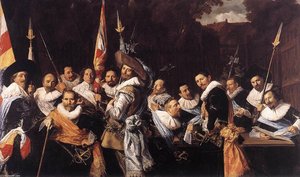
To stand before a portrait such as Stephanus Geraerdts is to step directly across the threshold of the 17th century, into the vibrant, complex world of the Dutch Golden Age. This painting, executed around 1650, is far more than a mere likeness; it is a carefully constructed tableau vivant, capturing not just the man himself, but the very atmosphere of his time—an era marked by burgeoning mercantile wealth, intellectual curiosity, and profound social ritual.
The subject, Stephanus Geraerdts, commands attention with an air of distinguished composure. His attire, particularly the crisp white shirt with its delicate ruffles, speaks to a certain level of bourgeois refinement. Yet, it is his gaze—direct, engaging, and seemingly knowing—that truly connects him across the centuries. He seems caught in a moment of quiet contemplation, perhaps pausing mid-conversation, allowing the viewer an intimate, almost conspiratorial look into his soul.
Mastery of Brushwork and Dramatic Composition
The technical brilliance evident in this work is breathtaking. While Frans Hals I, the presumed hand behind this masterpiece, was celebrated for his spontaneous energy, here we see that characteristic looseness applied with remarkable control. The brushstrokes do not merely describe form; they imbue it with life itself. Observe how the dark background serves to push the figures forward, creating an immediate sense of depth and drama. This dramatic chiaroscuro effect focuses all emotional weight onto the faces and gestures in the foreground.
The inclusion of secondary elements—the clock hanging above, perhaps symbolizing the relentless march of time, and the enigmatic object held in his hand, be it a skull or an ornate piece of jewelry—adds layers of narrative complexity. These props invite scholarly speculation, prompting us to question the man's status, his preoccupations, and the philosophical undercurrents that permeated daily life.
Symbolism and Social Context
The portrait functions as a rich tapestry of symbolism common to Dutch genre painting. The presence of other figures flanking Geraerdts suggests a social gathering or an important commission, grounding the individual within his community structure. In this era, portraits were statements of identity, wealth, and virtue. The juxtaposition of the living man against symbols of mortality (if the object is indeed a skull) speaks to the pervasive *memento mori* theme—a constant reminder of life's fleeting nature set against the backdrop of earthly success.
For the modern collector or designer, this piece offers an unparalleled opportunity to integrate historical gravitas into contemporary décor. It whispers tales of Dutch merchant culture and artistic zenith, lending any space a patina of cultivated history and intellectual depth.
An Emotional Resonance for the Modern Home
Owning a reproduction of Stephanus Geraerdts is not simply acquiring art; it is curating an atmosphere. The emotional impact of this painting lies in its masterful balance: the formality required by portraiture meeting the raw, spontaneous energy captured by Hals’s technique. It possesses a quiet power—a sense of enduring presence that elevates any room from merely decorated to truly inhabited with character and narrative weight. It is a conversation starter, an object that demands contemplation, inviting every passerby to pause and wonder about the life lived within its painted frame.
问答 (or more naturally for a website heading): Klausimai ir atsakymai
Kokie yra originalaus „Stephanus Geraerdts“, autorius – Fransas Halsas I matmenys?
Originalaus kūrinio „Stephanus Geraerdts“, autorius – Fransas Halsas I matmenys yra 115 x 87 cm.
Kokią nuotaiką „Stephanus Geraerdts“, autorius – Fransas Halsas I išreiškia Dutch Golden Age Portraiture kontekste?
Dutch Golden Age Portraiture stiliaus metu „Stephanus Geraerdts“ užfiksuotas Reflective tonu.
Kokios spalvų paletės naudojama darbe „Stephanus Geraerdts“, autorius – Fransas Halsas I?
„Stephanus Geraerdts“ spalvos sudaro Earthy paletę. Ši klasifikacija aprašo dominuojančias spalvų grupes.
Autoriaus biografija
Fransas Halsas I: Gyvenimo ir tapybos meistras
Fransas Halsas I, gimęs apie 1580 metus Antverpyje, Belgijoje, buvo olandų dailininkas, kuris netrukus iškilo kaip vienas svarbiausių Nyderlandų Aukso amžiaus atstovų. Nors ankstyvieji jo gyvenimo metai apgaubti tam tikra paslaptimi, jis įgijo didelį pripažinimą dėl savo novatoriškos portretinės tapybos ir buitinės scenų kūrinių. Halsas nebuvo tiesiog dailininkas – jis buvo stebėtojas, psichologas, gebantis užfiksuoti žmogaus esmę drobėje.
Ankstyvieji metai ir mokymasis
Išsami informacija apie Halso jaunystę yra skurdi. Manoma, kad jis gavo pirmuosius meno pamokų Antverpyje, kuris tuo metu buvo žinomas kaip svarbus tapybos centras. Tačiau dėl religinių ir politinių neramumų jo šeima persikėlė į Harlemą Nyderlanduose. 1610 metais jis įstojo į Harlemo Šv. Liudviko gildiją, oficialiai pradėdamas savo profesinę karjerą. Būtent Harleme Halsas suformavo savo unikalų stilių ir tapo žymiu portretistu.
Kūrybinis kelias ir savitas braižas
Halsas išsiskyrė nepaprastai šviežiu ir spontanišku stiliumi. Skirtingai nuo daugelio jo bendraamžių, kurie teikė pirmenybę kruopščiai detalėms, Halsas naudojo laisvą ir ekspresyvią potepų techniką. Ši technika suteikdavo jo paveikslams didelį gyvybingumą, užfiksuodavo subjekto asmenybę ir charakterį taip, kaip tai buvo revoliuciškai nauja tuo metu. Jo portretai nebuvo tik fizinis panašumas – jie atspindėjo žmogaus vidinį pasaulį, emocijas ir mintis.
- Jo portretai nebuvo tiesiog atvaizdai; tai buvo psichologiniai tyrimai.
- Jis puikiai perteikdavo trumpalaikes akimirkas – juoką, pokalbį ar apmąstymus.
- Halso šviesos ir šešėlių naudojimas suteikdavo jo kompozicijoms gilumo ir dramatiškumo.
Svarbiausi darbai
Nors Halsas sukūrė daugybę darbų, jis labiausiai žinomas dėl savo portretų. Kai kurie garsiausi jo paveikslai apima:
- Juokiantis kavalierius (1624) – puikus pavyzdys, demonstruojantis Halso gebėjimą užfiksuoti charakterį ir judesį.
- Malle Babbe (apie 1633–1635) – įspūdingas senos moters portretas, rodantis Halso talentą perteikti amžių ir asmenybę.
- Harlemo Senų Namų Regento Portretai (1664) - demonstruojantys jo meistriškumą grupiniuose portretuose.
Jis taip pat sukūrė įtraukių buitinių scenų – kasdienio gyvenimo vaizdus – kurios atskleidė Nyderlandų visuomenę.
Įtaka ir palikimas
Nustatyti Halso tiesiogines įtakas yra sudėtinga, nes jis sukūrė labai individualų stilių. Tačiau greičiausiai jis žinojo ankstesnių flamandų tapytojų, tokių kaip Piteris Bruegelis Vyresnysis, darbus. Jo novatoriškas portretinės tapybos požiūris turėjo didelį poveikį vėlesnės kartos menininkams.
- Jis įkvėpė tokius menininkus kaip Adriaenas Brouweris ir Johannes Vermeeris.
- Jo pabrėžimas asmenybės užfiksavimui pavedė kelią intymesniems ir psichologiškesniems portretams.
- Vėliau menininkai, įskaitant Impresionistus, gyrė jo laisvus potepus ir dėmesį šviesai.
Istorinė reikšmė
Fransas Halsas I suvaidino lemiamą vaidmenį formuojant olandų tapybą Aukso amžiuje. Jo darbai atspindi klestėjantį Nyderlandų turtą ir individualizmą tuo metu. Jis nuėjo nuo griežto formalumo link natūralesnio ir ekspresyvesnio stiliaus, palikęs nesunaikinamą pėdsaką meno pasaulyje.
Šiandien jo paveikslai labai paklausūs ir juos galima rasti pagrindiniuose muziejuose visame pasaulyje, įskaitant Franso Halso muziejų Harleme, kuriame saugoma didžiausia jo darbų kolekcija. Jo indėlis tebeįkvepia menininkus ir žavi publiką jau šimtmečius.

Fransas Halsas I
1580 - 1585 , Belgija
Trumpa informacija apie kūrėją
- Gimimo Data: apie 1580
- Gimimo Vieta (Miestas Ir Šalis): Antverpenas, Belgija
- Meninis Judėjimas/Stilius: Olandų aukso amžius
- Mirties Data: apie 1585
- Pilietybė: Olandietis
- Pilnas Vardas: Frans Hals I
- Įtakoti Menininkai:
- Adriaen Brouwer
- Johannes Vermeer
- Žymiausi Darbai:
- Juokiantis kavalierius
- Malle Babbe
Susiję straipsniai
Illuminating Innovation: Exploring the Dutch Golden Age of Painting
Explore the Dutch Golden Age of painting with OriginalUniqueArt. Discover Rembrandt, Vermeer & other Masters. Learn about key characteristics, iconic artworks, and lasting influence. Expert insights for collectors & enthusiasts.

Golden Age Reflections: Dutch Baroque Painting & Cultural Innovation
Explore the Dutch Golden Age of painting! Discover key artists like Vermeer & ter Borch, their innovative techniques, and the rich cultural context behind these Baroque masterpieces. Learn about collecting & appreciating this iconic art period.

Frans Hals I: Innovation, Intimacy & the Dutch Golden Age Portrait
Explore the revolutionary portraiture of Frans Hals I, a master of the Dutch Golden Age. Discover his innovative techniques, captivating character studies & lasting impact on art history. Learn more at OriginalUniqueArt.

Olandijos Aukso Amžius: 10 Šedevrų, Apibrėžiančių Meną ir Stilių
Atraskite Olandijos Aukso Amži\u017us meninius šedevrus! 10 legendin\u017iŴ paveikslžiai – Rembrandto, Vermeerio ir kt. darbai. Sužnkitę j\u016ungo namus aukso amži\u017us grožiu! Āukrai, interjero dizainas – viskas OriginalUniqueArt.com. Ižirkite kolekciją internete!

Golden Light & Dutch Skies: The Timeless Magic of Dutch Golden Age Landscapes
Discover the breathtaking beauty of Dutch Golden Age landscapes. Explore the mastery of light, chiaroscuro, and 17th-century realism through an expert art history lens, celebrating the enduring legacy of the Dutch Masters for discerning collectors and art lovers.