Peržiūrėti realaus dydžio版
 Pasidalinti
 Dalintis
 Išsamiau
 Vadovas

 Atsisiųsti
 Panašūs eksponatai
 Rentgeno spindulių nuotrauka
 Automatinė diorama
 问答
问答 Statistika
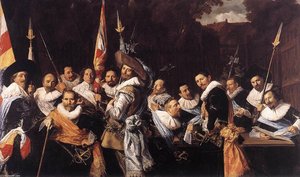
Shrovetide Revellers

- 131.0 x 100.0 cm


 Skaityti daugiau
Giclée / Meno spausdinimas
Muziejų lygio „giclée“ arba drobos spausdinimas: greita gamyba ir lankstios apdailos parinktys. ( Pirkti rankų darbo tapybą Perejti prie skaitmeninių vaizdų)




P118B €10

P118H €10

P118W €10

P438Z €10

P508JH €12

P508YH €12

P805H €10

P805Z €10

P919BZ €10

P919G €10

P919XJ €10

P959ZH €10

P968JZ €12

W106C €8

W218G €10

W218JH €8

W218Y €10

W307PJ €10

W316G €10

W316PJ €8

W316Y €10

W398PJ €8

W4111J €10

W500HY €15

W500JH €15

W692G €12

W849H €8

W940BG €15

W953PJ €8




Pasirinkite iš mūsų nustatytų dydžių, atitinkančių originalaus meno kūrinio proporcijas.

Įveskite jums reikiamą plotį ir aukštį, kad atvaizdas derėtų prie jūsų rėmo ar sienos. Spausdiną galima tik sumažinti, bet nepadidinti virš originalaus paveikslėlio dydžio, todėl keičiant proporcijas, dalis vaizdo prarandama. Prieš spausdinimą atsiųsime jums skaitmeninį maketą patvirtinimui. Šioje puslapio nuotraukoje matomas pjūvis nėra tikslus – jį rodo tik maketas.
Pristatymas visame pasaulyje () per 2 weeks, o ne įprastas 4/5 savaičių laikotarpis. (7 lapkritis)

Nemokamas greitasis pristatymas visame pasaulyje

Aukštos kokybės lininis drobė

Pilnas siuntimo draudimas

Muitinės mokesčių grąžinimo garantija

Tikro spalvų atitikimo garantija

100 dienų grąžinimo politika (tik esant įtaigoms)

100% pinigų grąžinimo garantija

Nuolaida dideliems užsakymams
 Stiklo variantas prieinamas tik pasirinkus dydį iki 110 cm

Shrovetide Revellers
Giclée / Meno spausdinimas
Reprodukcijos matmenys
-


Bendroji kaina
€ 72
A Glimpse into Merriment: The Spirit of Shrovetide Revellers
To stand before this depiction of Shrovetide Revellers is to be instantly transported across the centuries, right into the warm, intoxicating glow of a communal celebration. This large oil on canvas captures not merely a gathering, but a palpable moment of shared humanity—a vibrant tableau where gaiety and camaraderie are the central subjects. The scene pulses with life; one can almost hear the laughter echoing off the unseen walls and smell the mingled scents of wine and good company. It is an intimate portrait of revelry, masterfully composed to draw the viewer into the very heart of the festivities.
The Brushwork of Spontaneity: Technique and Style
What elevates this work beyond a mere snapshot in time is the breathtaking technical skill displayed by its creator. The artist, Frans Hals I, was renowned for his ability to capture life in motion, eschewing rigid formality for something far more immediate and spontaneous. Observe the brushwork; it is loose, energetic, and utterly alive. Hals employs these expressive strokes not as mere decoration, but as carriers of emotion itself. This technique grants the figures a remarkable sense of immediacy, making their interactions feel unposed and deeply genuine. The way the light catches on the objects—the bowl resting nearby, the gleam off the cups, the presence of those scattered knives—is handled with an effortless dexterity that speaks to a master at work.
Historical Echoes: Life in 17th-Century Haarlem
Dating from 1615, this painting anchors us firmly within the rich tapestry of the Dutch Golden Age. The subject matter itself—a Shrovetide celebration—speaks volumes about the social customs and seasonal rhythms of the time. These festivals were crucial moments for community bonding, a temporary suspension of daily routine where merriment reigned supreme. While the specific details surrounding the gathering are wonderfully ambiguous, this ambiguity is its strength; it allows every viewer to project their own cherished memories of celebration onto the canvas. It is a historical document filtered through an artist's profound understanding of human joy.
Symbolism and Emotional Resonance for the Modern Collector
For the contemporary admirer or designer seeking art that breathes life into a space, this piece offers more than just decoration; it offers an emotional anchor. The gathering itself symbolizes connection—the enduring power of friendship and family bonds. The objects scattered throughout—the vessels, the implements—are not incidental clutter but subtle props in a narrative of shared experience. Owning a reproduction of Shrovetide Revellers is to invite that same feeling of warmth, conviviality, and spirited abandon into your own home or gallery. It suggests that even amidst the formality of modern life, moments of unbridled joy are always within reach.
Klausimai ir atsakymai
Kas sukūrė „Shrovetide Revellers“ ir kokiu stiliumi tai atlikta?
Kūrinį „Shrovetide Revellers“ sukūrė Fransas Halsas I, pasižymintis Dutch Golden Age stiliumi.
Kaip aprašoma „Shrovetide Revellers“ – Fransas Halsas I spalvų paletė?
„Shrovetide Revellers“ – Fransas Halsas I kūryboje naudojama Earthy spalvų paletė, kuri apibūdina bendrą viso kūrinio spalvų charakterį.
Ar „Shrovetide Revellers“ yra būdingas tam, ką Fransas Halsas I paprastai kūrė?
„Shrovetide Revellers“ vaizduoja portraiture, social gathering, celebration, dutch painting, genre scene, oil canvas, renaissance influence, o įrašytos Fransas Halsas I temos yra renaissance realism, baroque style, social customs, festive spirit, religious patronage, aristocratic status, haarlem guild, portrait mastery. Šių dviejų lyginimas parodo, kaip šis kūrinys susijęs su įprastais šio kūrybinio veiksmo objektais.
Autoriaus biografija
Fransas Halsas I: Gyvenimo ir tapybos meistras
Fransas Halsas I, gimęs apie 1580 metus Antverpyje, Belgijoje, buvo olandų dailininkas, kuris netrukus iškilo kaip vienas svarbiausių Nyderlandų Aukso amžiaus atstovų. Nors ankstyvieji jo gyvenimo metai apgaubti tam tikra paslaptimi, jis įgijo didelį pripažinimą dėl savo novatoriškos portretinės tapybos ir buitinės scenų kūrinių. Halsas nebuvo tiesiog dailininkas – jis buvo stebėtojas, psichologas, gebantis užfiksuoti žmogaus esmę drobėje.
Ankstyvieji metai ir mokymasis
Išsami informacija apie Halso jaunystę yra skurdi. Manoma, kad jis gavo pirmuosius meno pamokų Antverpyje, kuris tuo metu buvo žinomas kaip svarbus tapybos centras. Tačiau dėl religinių ir politinių neramumų jo šeima persikėlė į Harlemą Nyderlanduose. 1610 metais jis įstojo į Harlemo Šv. Liudviko gildiją, oficialiai pradėdamas savo profesinę karjerą. Būtent Harleme Halsas suformavo savo unikalų stilių ir tapo žymiu portretistu.
Kūrybinis kelias ir savitas braižas
Halsas išsiskyrė nepaprastai šviežiu ir spontanišku stiliumi. Skirtingai nuo daugelio jo bendraamžių, kurie teikė pirmenybę kruopščiai detalėms, Halsas naudojo laisvą ir ekspresyvią potepų techniką. Ši technika suteikdavo jo paveikslams didelį gyvybingumą, užfiksuodavo subjekto asmenybę ir charakterį taip, kaip tai buvo revoliuciškai nauja tuo metu. Jo portretai nebuvo tik fizinis panašumas – jie atspindėjo žmogaus vidinį pasaulį, emocijas ir mintis.
- Jo portretai nebuvo tiesiog atvaizdai; tai buvo psichologiniai tyrimai.
- Jis puikiai perteikdavo trumpalaikes akimirkas – juoką, pokalbį ar apmąstymus.
- Halso šviesos ir šešėlių naudojimas suteikdavo jo kompozicijoms gilumo ir dramatiškumo.
Svarbiausi darbai
Nors Halsas sukūrė daugybę darbų, jis labiausiai žinomas dėl savo portretų. Kai kurie garsiausi jo paveikslai apima:
- Juokiantis kavalierius (1624) – puikus pavyzdys, demonstruojantis Halso gebėjimą užfiksuoti charakterį ir judesį.
- Malle Babbe (apie 1633–1635) – įspūdingas senos moters portretas, rodantis Halso talentą perteikti amžių ir asmenybę.
- Harlemo Senų Namų Regento Portretai (1664) - demonstruojantys jo meistriškumą grupiniuose portretuose.
Jis taip pat sukūrė įtraukių buitinių scenų – kasdienio gyvenimo vaizdus – kurios atskleidė Nyderlandų visuomenę.
Įtaka ir palikimas
Nustatyti Halso tiesiogines įtakas yra sudėtinga, nes jis sukūrė labai individualų stilių. Tačiau greičiausiai jis žinojo ankstesnių flamandų tapytojų, tokių kaip Piteris Bruegelis Vyresnysis, darbus. Jo novatoriškas portretinės tapybos požiūris turėjo didelį poveikį vėlesnės kartos menininkams.
- Jis įkvėpė tokius menininkus kaip Adriaenas Brouweris ir Johannes Vermeeris.
- Jo pabrėžimas asmenybės užfiksavimui pavedė kelią intymesniems ir psichologiškesniems portretams.
- Vėliau menininkai, įskaitant Impresionistus, gyrė jo laisvus potepus ir dėmesį šviesai.
Istorinė reikšmė
Fransas Halsas I suvaidino lemiamą vaidmenį formuojant olandų tapybą Aukso amžiuje. Jo darbai atspindi klestėjantį Nyderlandų turtą ir individualizmą tuo metu. Jis nuėjo nuo griežto formalumo link natūralesnio ir ekspresyvesnio stiliaus, palikęs nesunaikinamą pėdsaką meno pasaulyje.
Šiandien jo paveikslai labai paklausūs ir juos galima rasti pagrindiniuose muziejuose visame pasaulyje, įskaitant Franso Halso muziejų Harleme, kuriame saugoma didžiausia jo darbų kolekcija. Jo indėlis tebeįkvepia menininkus ir žavi publiką jau šimtmečius.

Fransas Halsas I
1580 - 1585 , Belgija
Trumpa informacija
- Gimimo Data: apie 1580
- Gimimo Vieta (Miestas Ir Šalis): Antverpenas, Belgija
- Meninis Judėjimas/Stilius: Olandų aukso amžius
- Mirties Data: apie 1585
- Pilietybė: Olandietis
- Pilnas Vardas: Frans Hals I
- Įtakoti Menininkai:
- Adriaen Brouwer
- Johannes Vermeer
- Žymiausi Darbai:
- Juokiantis kavalierius
- Malle Babbe
Susiję straipsniai

Frans Hals I: Innovation, Intimacy & the Dutch Golden Age Portrait
Explore the revolutionary portraiture of Frans Hals I, a master of the Dutch Golden Age. Discover his innovative techniques, captivating character studies & lasting impact on art history. Learn more at OriginalUniqueArt.
Samuel Luke Fildes: Capturing Victorian Life Through Narrative & Social Realism
Explore the poignant world of Samuel Luke Fildes, a master of Victorian Social Realism. Discover his iconic paintings like 'The Doctor' and delve into his artistic journey with OriginalUniqueArt.

Giotto di Bondone: 25 Šedevrai, Įkvėpę Renesansą | Tapyba Jūsų Interjerui
Atraskite 25 įspūdingiausius Giotto di Bondone šedevrus! Sužinokite apie Renesanso tapybą, freskas ir meno istoriją. Meno reprodukcijos jūsų interjerui – OriginalUniqueArt.com.

El Greco Šedevrai: Top 25 Darbai, Įkvėpę Meną ir Interjerus
Atraskite 25 įspūdingiausius El Greco kūrinius! Išsami analizė, meno istorija ir technikos paslaptys. Renesanso meistro paveikslai jūsų interjerui – aukštos kokybės reprodukcijos OriginalUniqueArt.com. Explore the full collection online!

Dutch Baroque Masters: 10 Paintings That Shaped an Era | OriginalUniqueArt
Journey through the Golden Age with our guide to the Top 10 Dutch Baroque masterpieces! Explore iconic paintings by Rembrandt, Vermeer & Frans Hals. Find museum-quality art reproductions and elevate your home decor at OriginalUniqueArt.com.