

 Peržiūrėti realaus dydžio版
 Siųsti
 Dalintis
 Išsamiau
 Vadovas

 Atsisiųsti
 Panašūs eksponatai
 Rentgeno spindulių nuotrauka
 Diaporama
 Statistika
Family Portrait
 Acrylic On Canvas
- WallArt
- Rococo
 1756
1756 244.0 x 195.0 cm
 Nacionalinės dailės galerija
 Rodyti daugiau
Rankų darbo aliejinės reprodukcijos
Rankiniu būdu tapytas aliejus ant droblio jūsų pageidaujamame dydį ir rėmuose – mūsų menininkų darbas pagal užsakymą. ( Perjungti į spausdinimą Perejti prie skaitmeninių vaizdų)




P118B €10

P118H €10

P118W €10

P438Z €10

P508JH €12

P508YH €12

P805H €10

P805Z €10

P919BZ €10

P919G €10

P919XJ €10

P959ZH €10

P968JZ €12

W106C €8

W218G €10

W218JH €8

W218Y €10

W307PJ €10

W316G €10

W316PJ €8

W316Y €10

W398PJ €8

W4111J €10

W500HY €15

W500JH €15

W692G €12

W849H €8

W940BG €15

W953PJ €8




Pasirinkite iš mūsų nustatytų dydžių, atitinkančių originalaus meno kūrinio proporcijas.

Galite įvesti savo matmenis, kad jie atitiktų konkretų rėmą ar erdvę. Jei pasirinktas dydis neatitinka originalaus paveikslėlio proporcijų, mes arba apkropsime meno kūrinį, arba papildysime tapybą rankomis dažytい elementais. Prieš pradėdami gamybą, jūsų patvirtinimui atsiųsime skaitmeninį maketą.
Atkreipkite dėmesį, kad ekrane rodomas vaizdas neatspindi tikrojo apkarpymo ar papildymo. Tik maketas tiksliai parodys galutinę kompoziciją.
Nors galima rinktis ir individualius dydžius, rekomenduojame pasirinkti matmenis iš nustatytos sąrašo, kad būtų išlaikytos originalios proporcijos.
Gavus užsakymą, OriginalUniqueArt.com komanda susisieks su klientu el. paštu dėl instrukcijų ir pateiks maketo pavyzdį
Pristatymas visame pasaulyje () per 3–4 savaites, o ne įprastai – per 5 savaites. (13 spalis). Kokybė lieka nepakeičiama.

Nemokamas greitasis pristatymas visame pasaulyje

Aukštos kokybės lininis drobė

Pilnas siuntimo draudimas

Muitinės mokesčių grąžinimo garantija

Tikro spalvų atitikimo garantija

100 dienų grąžinimo politika (tik esant įtaigoms)

100% pinigų grąžinimo garantija

Nuolaida dideliems užsakymams
 Stiklo variantas prieinamas tik pasirinkus dydį iki 110 cm

Family Portrait
Reprodukcijos technika
Reprodukcijos dydis
-


Visų pasirinktų variantų kaina
€ 259
A Window into 18th Century Domesticity: François-Hubert Drouais’s “Family Portrait”
François-Hubert Drouais's "Family Portrait," painted in 1756, isn’t merely a depiction of a family; it’s a meticulously crafted tableau offering a rare glimpse into the refined domesticity of late 18th-century France. Executed with the delicate precision characteristic of the Rococo style, this painting transcends simple portraiture to become a study in social status, familial affection, and the subtle language of visual symbolism. The work, now housed within the National Gallery of Art’s collection, invites us to step back in time and observe a scene frozen in a moment of quiet intimacy – a world of powdered wigs, elegant gowns, and carefully orchestrated appearances.
Drouais, a prominent painter during his era, skillfully employed techniques honed through apprenticeships with masters like Boucher and Van Loo. His brushwork is remarkably smooth, creating an illusion of depth and texture that draws the viewer into the scene. The use of light – diffused and flattering – highlights the faces and clothing, emphasizing their beauty and status. Note particularly the subtle gradations in tone, achieved through layering thin glazes of paint, a hallmark of Drouais’s style. The composition itself is carefully balanced; the seated woman and child form a central focus, while the standing figure adds dynamism and a sense of movement to the otherwise static arrangement.
The Language of Gesture and Ornament
Beyond the technical mastery, “Family Portrait” reveals a wealth of information through its nuanced portrayal of gesture and detail. The seated woman’s hand gently resting on her child's head speaks volumes about maternal affection – a sentiment carefully conveyed without overt sentimentality. Observe how she turns slightly towards her child, creating a visual connection that anchors the scene. The man standing beside them offers a more formal pose, reflecting his role as patriarch and protector. The inclusion of the two other figures—a seated gentleman and a woman—further reinforces the family unit, subtly suggesting lineage and social connections.
The painting’s opulent setting is equally significant. The richly decorated walls, adorned with a clock and a book, speak to the family's wealth and education. The presence of two vases, filled with flowers, adds a touch of natural beauty and elegance – a common motif in Rococo art. These seemingly decorative elements are not merely embellishments; they contribute to the overall sense of refinement and prosperity that defines this particular household.
Symbolism and Social Context
“Family Portrait” is deeply rooted in the social conventions of its time. The arrangement of figures, the clothing styles, and even the objects within the scene all carry symbolic weight. The family’s attire—particularly the woman's gown—indicates her status and position within society. The presence of a clock suggests an awareness of time and the importance of maintaining appearances. Drouais was commissioned by members of the French aristocracy, and his paintings served as both personal mementos and symbols of social standing.
Further research reveals that this particular portrait was created during a period of significant artistic and political change in France. The reign of Louis XV was marked by lavish court life, intricate social rituals, and growing tensions between the monarchy and the aristocracy. Drouais’s work reflects these complexities, offering a glimpse into a world of privilege, formality, and carefully constructed identities. The provenance of the painting—from Wertheimer in London to Samuel Cunliffe-Lister at Swinton Park—indicates its journey through aristocratic collections over centuries.
A Timeless Appeal: Reproduction and Interior Design
Today, “Family Portrait” continues to resonate with viewers thanks to its timeless appeal. Its depiction of familial love, social grace, and the beauty of domestic life transcends historical boundaries. Reproductions offer a wonderful opportunity to bring this exquisite painting into your own home, adding a touch of elegance and sophistication to any space. Consider framing it in a classic style that complements its Rococo aesthetic – perhaps a simple gold frame or a more ornate baroque design.
The painting’s rich colors and intricate details make it an ideal choice for creating a warm and inviting atmosphere. Its subtle symbolism invites contemplation and adds depth to the visual experience. Whether you are an art enthusiast, a collector, or simply seeking inspiration for your interior design, “Family Portrait” by François-Hubert Drouais remains a captivating masterpiece of 18th-century French painting.
问答 (or more naturally for a website heading): Klausimai ir atsakymai
Kas sukūrė „Family Portrait“?
„Family Portrait“ kūrybinį darbą sukūrė Françoise Hubert Drouais. Šioje puslapio informacijoje aprašomas Françoise Hubert Drouais originalus kūrinys.
Kokio tipo kūrinys yra „Family Portrait“, autorius – Françoise Hubert Drouais?
„Family Portrait“ yra WallArt kūrinys.
Ar galiu pamatyti „Family Portrait“, autorius – Françoise Hubert Drouais rentgeno nuotrauką?
„Family Portrait“, autorius – Françoise Hubert Drouais rentginio vaizdas (X-Ray) galima rasti puslapio Rentgenas puslapėje: tai interaktyvus vaizdo tyrimas per vienuolika optinių sluoksnių.
Kokia yra „Family Portrait“, autorius – Françoise Hubert Drouais kūrybos data?
„Family Portrait“, autorius – Françoise Hubert Drouais kūrybos metai – 1756.
Kas sukūrė „Family Portrait“ ir kokia metais?
„Family Portrait“ autorius yra Françoise Hubert Drouais, o kūrinys datuojamas 1756 m.
Iš kur renkasi „Family Portrait“, autorius – Françoise Hubert Drouais lankytojai?
Eksistuoja Statistika puslapis kūriniui „Family Portrait“. Jame pateikiama mėnesio apžiūrų diagrama, apimanti šį kūrinį bei kitus šio kūrybinio veikėjo darbus, su skirstymu pagal šalis ir kalbas.
Ar „Family Portrait“ yra garsus Rococo kūrinys?
„Family Portrait“, autorius – Françoise Hubert Drouais priskiriamas Recognized kategorijai ir priklauso Rococo stiliui.
Ar galima įsigyti „Family Portrait“ aukštos raiškos skaitmeninį vaizdą?
„Family Portrait“ galima įsigyti kaip aukštos raiškos skaitmeninio vaizdo atsisiuntimas, perkant tiesiogiai ši ši puslapį.
Susiję straipsniai

The Enduring Legacy of Formal Portraiture: Power, Identity & Artistic Exploration
Explore the rich history of formal portraiture & its enduring power to capture identity and shape perception. Discover investment-worthy artworks, expert appraisals, and custom reproduction services at OriginalUniqueArt.
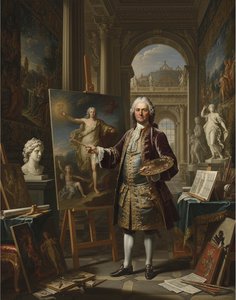
Charles Le Brun: Master of French Baroque Classicism & His Enduring Legacy
Explore the life & art of Charles Le Brun, master of French Baroque Classicism. Discover his royal commissions, influence on Versailles, and enduring legacy through detailed analysis & stunning artworks.

The Enduring Legacy of Family Portraiture: A Historical & Artistic Exploration
Explore the rich history of family portraiture with OriginalUniqueArt. Discover artistic styles, symbolism & collecting insights. Commission a custom oil painting or appraise your existing artwork today!
The Enduring Legacy of Classical Portraiture: Tradition, Innovation & Identity
Explore the rich history of classical portraiture with OriginalUniqueArt. Discover symbolism, techniques & enduring influence on art collecting. Expert appraisals & custom reproductions available.
Neo-Classicism's Greatest Hits: 10 Masterpieces for Your Home |
Journey through Neo-Classicism's finest! Explore 10 iconic masterpieces by David, Ingres & Canova. Discover art history, techniques & timeless beauty – perfect for inspiring your home decor. Find museum-quality reproductions at