
 Peržiūrėti realaus dydžio版
 Siųsti
 Dalintis
 Išsamiau
 Vadovas

 Atsisiųsti
 Panašūs eksponatai
 Rentgeno spindulių nuotrauka
 Diaporama
 Statistika
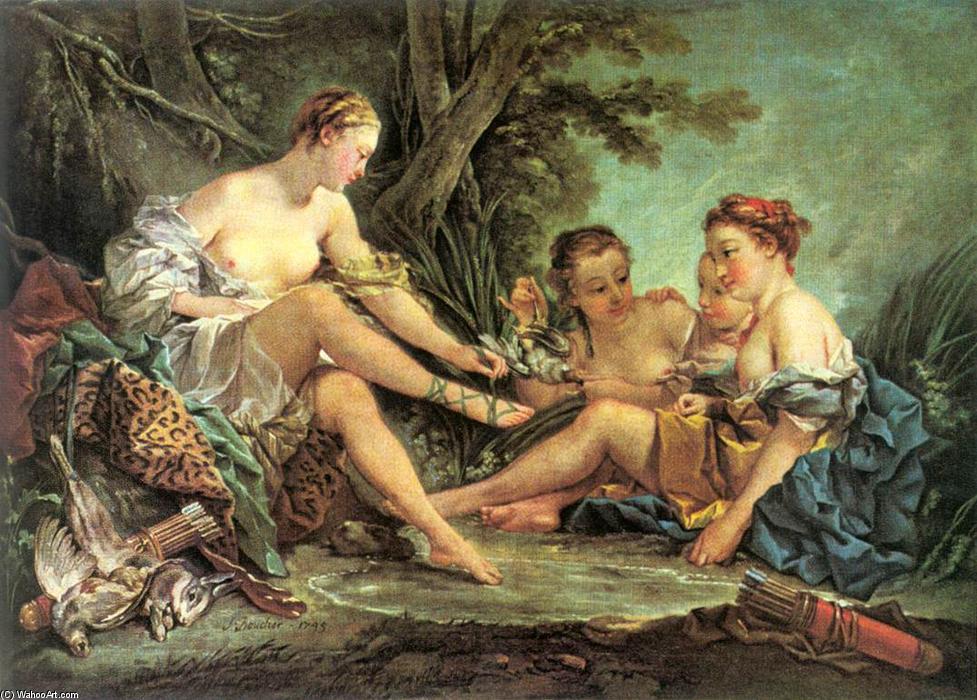
Diana after the Hunt
 Oil On Canvas
- WallArt
- Rococo Style
 37.0 x 52.0 cm
 Musée Cognacq-Jay
 Rodyti daugiau
Rankų darbo aliejinės reprodukcijos
Rankiniu būdu tapytas aliejus ant droblio jūsų pageidaujamame dydį ir rėmuose – mūsų menininkų darbas pagal užsakymą. ( Perjungti į spausdinimą Perejti prie skaitmeninių vaizdų)




P118B €10

P118H €10

P118W €10

P438Z €10

P508JH €12

P508YH €12

P805H €10

P805Z €10

P919BZ €10

P919G €10

P919XJ €10

P959ZH €10

P968JZ €12

W106C €8

W218G €10

W218JH €8

W218Y €10

W307PJ €10

W316G €10

W316PJ €8

W316Y €10

W398PJ €8

W4111J €10

W500HY €15

W500JH €15

W692G €12

W849H €8

W940BG €15

W953PJ €8




Pasirinkite iš mūsų nustatytų dydžių, atitinkančių originalaus meno kūrinio proporcijas.

Įveskite jums reikiamą plotį ir aukštį, kad paveikslas atitiktų jūsų rėmą ar sieną. Kadangi šis darbas yra rankinio darbo, siekiant išgauti kitokio formos dydį, paveikslas gali būti šiek tiek didesnis (nuo kraštų bus palikta daugiau erdvės) arba mažesnis – pasirinkite jums patogiausią variantą. Prieš pradedant tapyti, atsiųsime jums skaitmeninį maketą patvirtinimui. Šioje puslapio nuotraukoje matomas vaizdas nėra galutinis rezultatas – jį parodys tik sukurtas maketas.
Gavus užsakymą, OriginalUniqueArt.com komanda susisieks su klientu el. paštu dėl instrukcijų ir pateiks maketo pavyzdį
Pristatymas visame pasaulyje () per 3–4 savaites, o ne įprastai – per 5 savaites. (23 spalis). Kokybė lieka nepakeičiama.

Nemokamas greitasis pristatymas visame pasaulyje

Aukštos kokybės lininis drobė

Pilnas siuntimo draudimas

Muitinės mokesčių grąžinimo garantija

Tikro spalvų atitikimo garantija

100 dienų grąžinimo politika (tik esant įtaigoms)

100% pinigų grąžinimo garantija

Nuolaida dideliems užsakymams
 Stiklo variantas prieinamas tik pasirinkus dydį iki 110 cm

Diana after the Hunt
Reprodukcijos technika
Reprodukcijos dydis
-


Visų pasirinktų variantų kaina
€ 263
A Moment of Grace and Renewal: Exploring François Boucher’s “Diana After the Hunt”
François Boucher's "Diana After the Hunt," painted around 1745 and currently residing in the Musée Cognacq-Jay in Paris, is more than just a depiction of a woodland scene; it’s a shimmering embodiment of Rococo elegance, sensual grace, and the very spirit of the era. This oil on canvas work invites us into a world of delicate beauty, where the goddess Diana, mistress of the hunt, shares a tranquil moment with her companions after a day spent pursuing prey. Boucher masterfully captures not just the visual splendor but also an underlying sense of serenity and shared pleasure – a rare stillness within the vibrant dynamism of his style.
The painting immediately draws the eye to its foreground: three elegantly posed women seated upon the ground, engaged in conversation or perhaps simply enjoying the restorative effects of their day. Each figure is rendered with exquisite detail, showcasing Boucher’s remarkable skill in capturing texture and form. The woman on the left, adorned in a light blue garment embellished with delicate white flowers, exudes an air of quiet contemplation. Her counterpart in yellow and red embodies playful vivacity, while the third, clad in dark blue with gold accents, projects an aura of sophisticated reserve. These carefully chosen colors contribute significantly to the painting’s overall harmony and visual richness.
The Language of Rococo: Style, Technique, and Symbolism
“Diana After the Hunt” is a quintessential example of the Rococo style – a movement characterized by its emphasis on lightness, ornamentation, and sensuality. Boucher's brushwork is remarkably fluid and loose, creating an atmosphere of airy grace. He employs a technique known as *sfumato*, subtly blurring outlines and softening edges to achieve a dreamlike quality. The background landscape—a verdant forest punctuated by a meandering stream—is painted with meticulous attention to detail, yet retains a sense of idealized beauty. Notice the dappled sunlight filtering through the trees, adding depth and luminosity to the scene.
Symbolism plays a crucial role in understanding the painting’s deeper meaning. Diana, as the Roman goddess of the hunt, represents not just skill and prowess but also independence, fertility, and the wildness of nature. Her companions are often interpreted as nymphs or young women, symbolizing beauty, innocence, and the pleasures of leisure. The hunting implements scattered on the ground—arrows, bows, and quivers—serve as a reminder of Diana’s role as a hunter, yet they are presented in a context that prioritizes rest and companionship over active pursuit. The presence of water further reinforces this theme of renewal and tranquility.
A Window into 18th-Century France: Context and Legacy
To fully appreciate “Diana After the Hunt,” it’s essential to consider its historical context. Painted during the reign of Louis XV, the work reflects the opulent tastes and refined sensibilities of the French court. Boucher was a favored artist of Madame de Pompadour, the influential mistress of the king, who championed his talent and helped elevate him to prominence. His paintings were highly sought after by wealthy patrons and adorned the interiors of grand palaces throughout France.
Boucher’s influence on subsequent generations of artists is undeniable. He established a new standard for decorative painting, blending classical mythology with contemporary themes and embracing a distinctly sensual style. Works like “Diana After the Hunt” continue to captivate viewers today, offering a glimpse into a world of beauty, grace, and timeless elegance. Reproductions by OriginalUniqueArt.com allow you to bring this masterpiece into your own space, experiencing its charm and sophistication firsthand.
- Artist: François Boucher (1703-1770)
- Date: Unknown (circa 1745)
- Location: Musée Cognacq-Jay, Paris, France
- Medium: Oil on Canvas
问答 (or more naturally for a website heading): Klausimai ir atsakymai
Kokia „Diana after the Hunt“, autorius – François Bušė orientacija?
„Diana after the Hunt“, autorius – François Bušė yra Landscape kompozicija. Prieš renkantis spausdinimo dydį, verta patikrinti proporcijas.
Kaip rasti panašių kūrinių kaip „Diana after the Hunt“, autorius – François Bušė?
Darbai, panašūs į „Diana after the Hunt“, yra pateikti kūrinio Panašūs kūriniai puslapyje.
Ar „Diana after the Hunt“, autorius – François Bušė spalvos yra ryškios ar išblukusios?
Kūrinys „Diana after the Hunt“, autorius – François Bušė užfiksuotas su Balanced Soft nasyginimu.
Autoriaus biografija
François Boucher: Rokoko Eraus Šviesuolis
François Boucher (1703–1770) buvo iškili XVIII amžiaus prancūzų meno figūra, garsėjusi kaip vienas žymiausių rokokinio stiliaus tapytojų. Jo kūryba įkūnija eleganciją, jausmingumą ir žaismingą dvasią, apibrėžusias šį įtakingą stilių. Boucher’io darbai – tai ne tik dailės kūriniai, bet ir atspindys prancūzų aristokratijos gyvenimo būdo, pomėgio malonumams bei mitologinių istorijų interpretacijos. Jo paveikslai spinduliuoja šviesos ir spalvų harmoniją, o personažai – lengvumo ir išskirtinio grožio įvaizdį.
Ankstyvieji Metai Ir Ugdymas
Gimęs 1703 metų rugsėjo 29 dieną Paryžiuje, Prancūzijoje, François Boucher’io meninis kelias prasidėjo tėvo Žano Bušė, kuris irgi buvo tapytojas, globodamas. Sulaukęs septyniolikos metų jis patraukė François Lemoyne dėmesį, todėl turėjo galimybę trumpai bet reikšmingai pasimokyti jo dirbtuvėje. Vėliau jis tobulino savo įgūdžius su graviūros meistru Jean-François Cars prieš pasiekdamas svarbų etapą: laimėdamas prestižinį Grand Prix de Rome apdovanojimą 1720 metais. Šis prizas atvėrė jam duris į Italiją, kur jis galėjo gilinti savo žinias ir patirti naujų meno srovių.
Pakilimas Į Viršūnę Ir Meno Kūrinių Raida
Boucher’io laikas Italijoje, po apdovanojimo Grand Prix de Rome, buvo labai svarbus jo formavimuisi. Grįžęs į Prancūziją, 1731 metais jis buvo priimtas į Académie Royale de Peinture et de Sculpture akademiją. Jo *morceau de réception*, “Rinaldo ir Armida” (1734), nedelsiant įtvirtino jį kaip rokokinio stiliaus meistrą. Šiuo laikotarpiu Boucher’io meninė vizija visiškai išsiskleidė, pasižymėdama subtiliomis spalvomis, pasteliniais atspalviais ir mitologinių bei pastoralių temų pabrėžimu. Jo paveikslai tapo vis populiaresni tarp aristokratijos, o jo vardas ėmė sklisti po Prancūzijos dvarus.
Pagrindiniai Kūriniai Ir Temos
Boucher’io kūryba yra nepaprastai įvairi, apimanti mitologiją, portretus, buitines scenas ir dekoratyvinį meną. Kai kurie žymiausi jo darbai:
- “Pusryčiai” (1739): Žavingas namų gyvenimo vaizdas, kuriame pavaizduota jo žmona ir vaikai.
- “Veneros triumfas” (1740–1751): Paveikslų ciklas, demonstruojantis Boucher’io meistriškumą mitologinėse istorijose.
- Daugybė portretų Madame de Pompadour, įtakingos Liudviko XV karalaitės, sustiprinusios jo pozicijas dvare.
- Peizažai, tokie kaip “Saulėlydis”, rodantys lyrinį ir idilišką gamtos vaizdą.
Meilė, grožis, laisvalaikis ir idealizuotas mitologijos pasaulis – tai dažnai pasikartojančios temos Boucher’io darbuose. Jo paveikslai dažnai sukelia žaismingo erotizmo ir rafinuoto elegancijos jausmą.
Įtaka Ir Palikimas
Boucher’io įtaka apėmė ne tik tapybą. Jis kūrė kostiumus ir dekoracijas teatrui, sukūrė gobelenus Beauvais dirbtuvėms ir bendradarbiavo su Gobelins Manufactory manufaktūra. Jo paskyrimas *Premier Peintre du Roi* (Karaliaus pirmasis tapytojas) 1765 metais įtvirtino jo statusą kaip prancūzų rokokinio meno lyderį. Vėliau kritikai užginčijo rokokinio meno paviršiniškumą, tačiau Boucher’io poveikis vėlesnėms kartoms yra neabejotinas. Jis turėjo įtakos tokiesiems menininkams kaip Jean-Honoré Fragonard ir prisidėjo prie neoklasicizmo plėtros per savo mokinius.
François Boucher’io darbai suteikia vertingą įžvalgą apie XVIII amžiaus prancūzų visuomenės skonį ir vertybes. Jo paveikslai atspindi aristokratišką kultūrą, pasižyminčią prabanga, rafinuotumu ir malonumo siekimu. Jis išlieka reikšminga figūra meno istorijoje, garsėdamas savo techniniu įgūdžiu, menine inovacija ir nuolatiniu indėliu į rokokinį stilių.

François Bušė
1703 - 1770 , Prancūzija
Trumpa informacija apie kūrėją
- Gimimo Data: 1703 rugsėjo 29 d.
- Gimimo Vieta: Paryžius, Prancūzija
- Meninis Stilius: Rokokas
- Mirties Data: 1770 m.
- Pilnas Vardas: François Boucher
- Tautybė: Prancūzas
- Įtakoję Menininkai:
- François Lemoyne
- Jean-François Cars
- Įtakoti Menininkai: ['Jean-Honoré Fragonard']
- Žymiausi Darbai:
- Rinaldo ir Armida
- Pusryčiai
- Madame Boucher
- Saulėlydis
- Vulkanas Venusai
Susiję straipsniai
The Rococo Style: Aristocratic Leisure & the Pursuit of Delight in 18th-Century Art
Explore the opulent world of Rococo art! Discover Watteau, Boucher & Nattier's masterpieces. Expert insights for collectors seeking museum-quality reproductions and custom portraits at OriginalUniqueArt.

The Allure of Elegance in Art: A Historical & Aesthetic Exploration of Refinement & Grace
Explore the exquisite world of Rococo art! Discover its history, masters (Watteau, Boucher & more), and defining elegance. Expert insights for collectors seeking museum-quality reproductions & custom portraits.

The Rococo Aesthetic: Opulence, Rebellion & the Pursuit of Pleasure in 18th-Century Art
Explore the opulent world of Rococo art! Discover its origins, key artists like Watteau & Boucher, and lasting influence on design. Expert insights for collectors & enthusiasts.

Rožinio Amžius: 10 Šedevrų Apibrėžiančių Rokoko Stilių
Atraskite 10 rokokoko šedevrų, apibrėžiančių prabangą ir grožį! Sužinokite apie žymius dailininkus, spalvotus motyvus bei istorijas. Puikios meno reprodukcijos jūsų namams – OriginalUniqueArt.com.
François Boucher: Rococo Master of Myth, Sensuality, and the French Court
Explore the captivating world of François Boucher, master of Rococo painting! Discover his iconic works, aristocratic patronage, and lasting influence on French art history. Learn more at OriginalUniqueArt.