
 Peržiūrėti realaus dydžio版
 Pasidalinti
 Dalintis
 Išsamiau
 Vadovas

 Atsisiųsti
 Panašūs eksponatai
 Rentgeno spindulių nuotrauka
 Automatinė diorama
 问答
问答 Statistika
A Lady on Her Day Bed

- 57.0 x 68.0 cm


 Skaityti daugiau
Giclée / Meno spausdinimas
Muziejų lygio „giclée“ arba drobos spausdinimas: greita gamyba ir lankstios apdailos parinktys. ( Pirkti rankų darbo tapybą Perejti prie skaitmeninių vaizdų)




P118B €10

P118H €10

P118W €10

P438Z €10

P508JH €12

P508YH €12

P805H €10

P805Z €10

P919BZ €10

P919G €10

P919XJ €10

P959ZH €10

P968JZ €12

W106C €8

W218G €10

W218JH €8

W218Y €10

W307PJ €10

W316G €10

W316PJ €8

W316Y €10

W398PJ €8

W4111J €10

W500HY €15

W500JH €15

W692G €12

W849H €8

W940BG €15

W953PJ €8




Pasirinkite iš mūsų nustatytų dydžių, atitinkančių originalaus meno kūrinio proporcijas.

Įveskite jums reikiamą plotį ir aukštį, kad atvaizdas derėtų prie jūsų rėmo ar sienos. Spausdiną galima tik sumažinti, bet nepadidinti virš originalaus paveikslėlio dydžio, todėl keičiant proporcijas, dalis vaizdo prarandama. Prieš spausdinimą atsiųsime jums skaitmeninį maketą patvirtinimui. Šioje puslapio nuotraukoje matomas pjūvis nėra tikslus – jį rodo tik maketas.
Pristatymas visame pasaulyje () per 2 weeks, o ne įprastas 4/5 savaičių laikotarpis. (9 lapkritis)

Nemokamas greitasis pristatymas visame pasaulyje

Aukštos kokybės lininis drobė

Pilnas siuntimo draudimas

Muitinės mokesčių grąžinimo garantija

Tikro spalvų atitikimo garantija

100 dienų grąžinimo politika (tik esant įtaigoms)

100% pinigų grąžinimo garantija

Nuolaida dideliems užsakymams
 Stiklo variantas prieinamas tik pasirinkus dydį iki 110 cm

A Lady on Her Day Bed
Giclée / Meno spausdinimas
Reprodukcijos matmenys
-


Bendroji kaina
€ 72
The Portrait’s Genesis: François Boucher and the Dawn of Rococo
François Boucher's "A Lady on Her Day Bed," painted in 1743, isn’t merely a portrait; it’s a carefully constructed tableau vivant—a snapshot of an era. Born into a family already touched by artistic talent, Boucher’s journey began humbly, apprenticed to François Lemoyne before securing the prestigious Grand Prix de Rome, a gateway to the heart of French art. This early success paved the way for his appointment to the Académie Royale de Peinture et de Sculpture and ultimately, to the role of Premier Peintre du Roi – a position that solidified his status as one of the most influential figures in the burgeoning Rococo style. The painting itself emerged from Boucher’s close collaboration with Madame de Pompadour, the influential mistress of Louis XV, reflecting the refined tastes and opulent sensibilities of the French court. It's a testament to the era’s fascination with pleasure, beauty, and the delicate balance between intimacy and public display.
- Rococo Roots: Boucher masterfully embodies the Rococo movement – characterized by its graceful curves, pastel palettes, and playful subject matter.
- Courtly Patronage: The painting’s creation was intrinsically linked to the patronage system of the French court, shaping both its aesthetic and its narrative.
- A Window into a World: The room depicted offers a glimpse into Boucher's own apartment, revealing his personal style and reflecting the trends of the time – particularly the embrace of Oriental influences.
An Intimate Scene: Marie-Jeanne Buzeau and the Model’s Role
At the heart of "A Lady on Her Day Bed" is Marie-Jeanne Buzeau, a woman whose identity remains somewhat shrouded in history but who nonetheless emerges as a captivating presence. Boucher frequently employed his wife as a model, capturing her likeness in numerous paintings and engravings – a practice that speaks to both their personal relationship and the artist’s desire to portray authentic beauty. The portrait isn't simply a representation of Buzeau; it’s an exploration of femininity, leisure, and the quiet dignity of domestic life. Her pose—relaxed yet poised, her legs crossed with effortless grace—suggests a moment of contemplation, perhaps a stolen respite from the demands of motherhood and household duties. The painting subtly challenges conventional representations of women in art, presenting a figure of serene beauty rather than one defined solely by her role as wife or mother.
Note: Historians believe Buzeau’s pose was deliberately inspired by Titian's Venus of Urbino, creating a witty commentary on classical ideals within the context of Rococo aesthetics.Symbolism and Detail: A Symphony of Refinement
Beyond its immediate beauty, "A Lady on Her Day Bed" is rich in symbolic detail. The porcelain figurine and tea service adorning the hanging étagère—a feature of Boucher’s apartment—are emblems of luxury and Oriental influence, reflecting the fashionable taste for exotic objects during the 18th century. The clock above the bed serves as a subtle reminder of time's passage, while the books suggest an appreciation for learning and intellectual pursuits. The carefully arranged flowers – likely roses and lilies – represent love and purity, further reinforcing the painting’s themes of domestic harmony and refined sensibility. Even the pink hue of the room contributes to the overall atmosphere of tranquility and indulgence.
Key Elements:- Porcelain Figurine: Symbolizes luxury and Oriental influence.
- Tea Service: Represents social status and refined taste.
- Clock: A reminder of time and the importance of leisure.
- Flowers: Represent love, purity, and beauty.
Emotional Resonance: A Moment Frozen in Time
“A Lady on Her Day Bed” transcends its status as a mere portrait; it evokes a profound sense of intimacy and nostalgia. The painting’s soft light, delicate brushstrokes, and carefully composed details create an atmosphere of serene beauty—a world removed from the pressures and anxieties of everyday life. It invites us to step into this private moment, to imagine the quiet pleasures of a leisurely afternoon, and to appreciate the artistry with which Boucher captured a fleeting glimpse of domestic tranquility. The painting’s enduring appeal lies in its ability to transport us back to a bygone era—a time of elegance, refinement, and an appreciation for the simple joys of life. It remains a powerful testament to Boucher's mastery and his profound understanding of human emotion.
Klausimai ir atsakymai
Ar „A Lady on Her Day Bed“ – François Bušė spalvos yra ryškios ar blėdžios?
„A Lady on Her Day Bed“ spalvų nasyginimas yra Balanced Soft, o intensyvumas – Balanced.
Kaip emocijos ir dovanojimo proga susilieja su kūryiniu darbu „A Lady on Her Day Bed“ – François Bušė?
Savo Nostalgic emociniu tonu „A Lady on Her Day Bed“ – François Bušė rekomenduojamas kaip dovana Wedding.
Kokios yra „A Lady on Her Day Bed“ – François Bušė proporcijų ir kokio dydžio?
„A Lady on Her Day Bed“ formatas yra Landscape, o originalo matmenys – 57 x 68 cm. Šie duomenys yra naudingi planuojant reprodukciją.
Autoriaus biografija
François Boucher: Rokoko Eraus Šviesuolis
François Boucher (1703–1770) buvo iškili XVIII amžiaus prancūzų meno figūra, garsėjusi kaip vienas žymiausių rokokinio stiliaus tapytojų. Jo kūryba įkūnija eleganciją, jausmingumą ir žaismingą dvasią, apibrėžusias šį įtakingą stilių. Boucher’io darbai – tai ne tik dailės kūriniai, bet ir atspindys prancūzų aristokratijos gyvenimo būdo, pomėgio malonumams bei mitologinių istorijų interpretacijos. Jo paveikslai spinduliuoja šviesos ir spalvų harmoniją, o personažai – lengvumo ir išskirtinio grožio įvaizdį.
Ankstyvieji Metai Ir Ugdymas
Gimęs 1703 metų rugsėjo 29 dieną Paryžiuje, Prancūzijoje, François Boucher’io meninis kelias prasidėjo tėvo Žano Bušė, kuris irgi buvo tapytojas, globodamas. Sulaukęs septyniolikos metų jis patraukė François Lemoyne dėmesį, todėl turėjo galimybę trumpai bet reikšmingai pasimokyti jo dirbtuvėje. Vėliau jis tobulino savo įgūdžius su graviūros meistru Jean-François Cars prieš pasiekdamas svarbų etapą: laimėdamas prestižinį Grand Prix de Rome apdovanojimą 1720 metais. Šis prizas atvėrė jam duris į Italiją, kur jis galėjo gilinti savo žinias ir patirti naujų meno srovių.
Pakilimas Į Viršūnę Ir Meno Kūrinių Raida
Boucher’io laikas Italijoje, po apdovanojimo Grand Prix de Rome, buvo labai svarbus jo formavimuisi. Grįžęs į Prancūziją, 1731 metais jis buvo priimtas į Académie Royale de Peinture et de Sculpture akademiją. Jo *morceau de réception*, “Rinaldo ir Armida” (1734), nedelsiant įtvirtino jį kaip rokokinio stiliaus meistrą. Šiuo laikotarpiu Boucher’io meninė vizija visiškai išsiskleidė, pasižymėdama subtiliomis spalvomis, pasteliniais atspalviais ir mitologinių bei pastoralių temų pabrėžimu. Jo paveikslai tapo vis populiaresni tarp aristokratijos, o jo vardas ėmė sklisti po Prancūzijos dvarus.
Pagrindiniai Kūriniai Ir Temos
Boucher’io kūryba yra nepaprastai įvairi, apimanti mitologiją, portretus, buitines scenas ir dekoratyvinį meną. Kai kurie žymiausi jo darbai:
- “Pusryčiai” (1739): Žavingas namų gyvenimo vaizdas, kuriame pavaizduota jo žmona ir vaikai.
- “Veneros triumfas” (1740–1751): Paveikslų ciklas, demonstruojantis Boucher’io meistriškumą mitologinėse istorijose.
- Daugybė portretų Madame de Pompadour, įtakingos Liudviko XV karalaitės, sustiprinusios jo pozicijas dvare.
- Peizažai, tokie kaip “Saulėlydis”, rodantys lyrinį ir idilišką gamtos vaizdą.
Meilė, grožis, laisvalaikis ir idealizuotas mitologijos pasaulis – tai dažnai pasikartojančios temos Boucher’io darbuose. Jo paveikslai dažnai sukelia žaismingo erotizmo ir rafinuoto elegancijos jausmą.
Įtaka Ir Palikimas
Boucher’io įtaka apėmė ne tik tapybą. Jis kūrė kostiumus ir dekoracijas teatrui, sukūrė gobelenus Beauvais dirbtuvėms ir bendradarbiavo su Gobelins Manufactory manufaktūra. Jo paskyrimas *Premier Peintre du Roi* (Karaliaus pirmasis tapytojas) 1765 metais įtvirtino jo statusą kaip prancūzų rokokinio meno lyderį. Vėliau kritikai užginčijo rokokinio meno paviršiniškumą, tačiau Boucher’io poveikis vėlesnėms kartoms yra neabejotinas. Jis turėjo įtakos tokiesiems menininkams kaip Jean-Honoré Fragonard ir prisidėjo prie neoklasicizmo plėtros per savo mokinius.
François Boucher’io darbai suteikia vertingą įžvalgą apie XVIII amžiaus prancūzų visuomenės skonį ir vertybes. Jo paveikslai atspindi aristokratišką kultūrą, pasižyminčią prabanga, rafinuotumu ir malonumo siekimu. Jis išlieka reikšminga figūra meno istorijoje, garsėdamas savo techniniu įgūdžiu, menine inovacija ir nuolatiniu indėliu į rokokinį stilių.

François Bušė
1703 - 1770 , Prancūzija
Trumpa informacija
- Gimimo Data: 1703 rugsėjo 29 d.
- Gimimo Vieta: Paryžius, Prancūzija
- Meninis Stilius: Rokokas
- Mirties Data: 1770 m.
- Pilnas Vardas: François Boucher
- Tautybė: Prancūzas
- Įtakoję Menininkai:
- François Lemoyne
- Jean-François Cars
- Įtakoti Menininkai: ['Jean-Honoré Fragonard']
- Žymiausi Darbai:
- Rinaldo ir Armida
- Pusryčiai
- Madame Boucher
- Saulėlydis
- Vulkanas Venusai
Susiję straipsniai
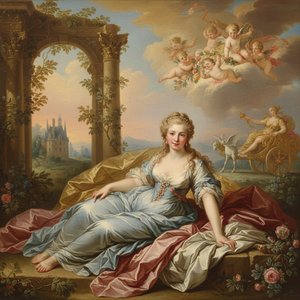
François Boucher: Rococo Master of Myth, Sensuality, and the French Court
Explore the captivating world of François Boucher, master of Rococo painting! Discover his iconic works, aristocratic patronage, and lasting influence on French art history. Learn more at OriginalUniqueArt.

The Rococo Aesthetic: Opulence, Rebellion & the Pursuit of Pleasure in 18th-Century Art
Explore the opulent world of Rococo art! Discover its origins, key artists like Watteau & Boucher, and lasting influence on design. Expert insights for collectors & enthusiasts.
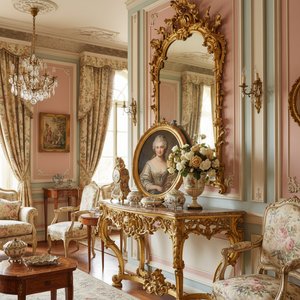
Rožinio Amžius: 10 Šedevrų Apibrėžiančių Rokoko Stilių
Atraskite 10 rokokoko šedevrų, apibrėžiančių prabangą ir grožį! Sužinokite apie žymius dailininkus, spalvotus motyvus bei istorijas. Puikios meno reprodukcijos jūsų namams – OriginalUniqueArt.com.

The Allure of Elegance in Art: A Historical & Aesthetic Exploration of Refinement & Grace
Explore the exquisite world of Rococo art! Discover its history, masters (Watteau, Boucher & more), and defining elegance. Expert insights for collectors seeking museum-quality reproductions & custom portraits.
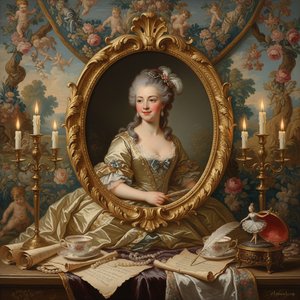
Elegance & Opulence: A Definitive Guide to the Grace and Grandeur of Rococo Portraiture
Discover the breathtaking elegance of Rococo portraiture. Explore an expert guide to 18th-century mastery, from pastel palettes to aristocratic grandeur, and learn how to bring this era of opulence into your home through museum-quality oil reproductions.
