
() ·
A painting made for you, by hand
Rankų darbo aliejinės reprodukcijos
Rankiniu būdu tapytas aliejus ant droblio jūsų pageidaujamame dydį ir rėmuose – tai mūsų menininkų pagal užsakymą sukurtas darbas. ( Perjungti į spausdinamus版作品 Perejti prie skaitmeninių vaizdų)
Kolekcinio objekto aprašas
Experience 'In the Harem' by François Auguste Biard – a dramatic Orientalist painting of luxury & intrigue. Explore rich textures, chiaroscuro lighting & evocative scenes.
Autoriaus biografija
Explore the adventurous world of François-Auguste Biard! Witness his captivating genre paintings & early depictions of Brazilian natives, a unique blend of travel & art.
 Skaityti daugiau
from ·
Chapter 1
How large should it be?
Slide to change the size; the picture on the left shows the frame at its real width. The proportions of the original are kept.
Pasirinkite iš mūsų nustatytų dydžių, atitinkančių originalaus meno kūrinio proporcijas.

Įveskite jums reikiamą plotį ir aukštį, kad paveikslas atitiktų jūsų rėmą ar sieną. Kadangi šis darbas yra rankinio darbo, siekiant išgauti kitokios formos dydį, paveikslas gali būti šiek tiek didesnis (nuo kraštų bus palikta daugiau erdvės) arba mažesnis – pasirinkite jums patogiausią variantą. Prieš pradedant tapyti, atsiųsime jums skaitmeninį maketą patvirtinimui. Šioje puslapio nuotraukoje matomas vaizdas nėra galutinis rezultatas – jį parodys tik sukurtas maketas.
Chapter 2
How should it arrive?
Choose the edges of the stretched canvas
Choose your frame

White €1

Blurside €1

Extended €1

P118B €10

P118H €10

P118W €10

P438Z €10

P508JH €12

P508YH €12

P805H €10

P805Z €10

P919BZ €10

P919G €10

P919XJ €10

P959ZH €10

P968JZ €12

W106C €8

W218G €10

W218JH €8

W218Y €10

W307PJ €10

W316G €10

W316PJ €8

W316Y €10

W398PJ €8

W4111J €10

W500HY €15

W500JH €15

W692G €12

W849H €8

W940BG €15

W953PJ €8

H24-GOLD €30

H24-SILVER €30

H36-GOLD €45

H36-SILVER €45
Įrėmintas
Moulding: . Overall size with the frame: .
Chapter 3
Who paints it, and should anything change?
After order, OriginalUniqueArt.com team will email client for instructions and provide a mockup preview
Pristatymas visame pasaulyje () per 3–4 savaites, o ne įprastai – per 5 savaites. (31 spalis). Kokybė lieka nepakeičiama.
Chapter 4
The finishing touches
A nameplate, as in a museum?
Išgraviruotos bronzinės plokštelės detalės
This elegant plaque features the artist's name and the title of the artwork, finely engraved for a timeless presentation.
It is made from bronze with a refined, elegant finish. The text is precisely laser-engraved for a sharp and permanent result. Measuring 9x2 cm, the plaque is compact yet easy to read. It's built to be durable and scratch-resistant, offering a professional, museum-quality look. Mounting is simple thanks to the included adhesive backing.
Skaidrios akrilo plokštelės informacija
The plaque includes essential engraved details such as the artist's name, the title of the artwork, the date it was created, the type of media used-like oil on canvas or watercolor-a brief description of the piece, and a QR code that links to the complete artwork information.
It is crafted from clear acrylic, offering a sleek, modern appearance. The text is UV-engraved in black to ensure strong visual contrast. With a size of 10x15 cm, it ensures optimal readability. It comes equipped with two metal hooks for secure wall mounting. The plaque is designed to be weather-resistant, making it suitable for various environments, and it includes interactive features that work seamlessly with smartphone scanning.
Juodos akrilo plokštelės informacija
This elegant plaque includes engraved information such as the artist's name, the title of the artwork, the date it was created, the type of media used (like oil on canvas or watercolor), a short description of the artwork, and a QR code for quick access to more information.
The plaque itself is made from refined black acrylic with a premium finish. The text is laser-engraved in white for high contrast and readability. Its size is 10x15 cm, designed to be easy to read. It comes with two metal hooks for professional mounting. The design is sleek and fits any interior style. It is also weather-resistant and durable, with built-in digital integration for mobile compatibility.
A protective varnish?
When do you need it?
Chapter 5
Your painting, as you ordered it

In the Harem
Reprodukcijos technika
Reprodukcijos matmenys
-

Aukščiausios klasės meistras
Daugiau detalių, meistriškumo ir papildomo gamybos laiko
-

Reprodukcijos rėmėjimo parinktys
-
-
Dėl meno kūrinių ar reprodukcijų, kurių bet kuri pusė yra didesnė nei 105 cm (apie 41 inch), rėmas bus siunčiamas kaip išskaidytas surinkimo rinkinys. Šis metodas užtikrina saugų pristatymą ir apsaugo nuo transportavimo metu galimos žalos.
Reikalingas profesionalus surinkimas – tai nėra „pasidaryk pats“ (DIY) produktas.
Rinkinys turi būti surinktas, o drobė išplėsta naudojant patyrį profesionalų rėmininką, medžio klijus (nėra įtraukti į rinkinį), drobės plėšimo kleslę bei presas, kad rėmo rėžiai išliktų tiesūs, kol klijai išdžiūvus. Netinkamas surinkimas arba netolydus drobės įtampa gali negrįžtamai sugadinti meno kūrinį, todėl šie atvejai nėra užtraukiami mūsų garantijos.
 Dėl meno kūrinių ar reprodukcijų, kurių bet kuri pusė yra didesnė nei 105 cm (apie 41 inch), rėmas bus siunčiamas kaip išskaidytas surinkimo rinkinys. Šis metodas užtikrina saugų pristatymą ir apsaugo nuo transportavimo metu galimos žalos.
Į komplektą įeina visi vientisos medienos elementai, tiksliai išpjauti pagal dydį.
Surmontinama naudojant pridėtus varžtus bei papildomai reikalingą medžio kliją kampų jungtims, kuris nėra pridėtas ir turi būti parinktas rėmininkui.
Reikalingi profesionalūs įrankiai, kurie nėra įtraukti į rinkinį: drobės kėlimo plytelės (stiprintuvai) ir klemiai, laikantys rėmo strygius tiesiu kampu, kol džiūsta lipas.
Svarbu:
Kampų jungtims reikalingi medžio klijai, barams reikia laikyti naudojant presas, kol klijai visiškai išdžiūvės, o surinktam rėmui įtempiamai privilgti būtinos drobės įtempimo plytযুক্ত. Šios priemonės į rinkinį neįtrauktos. Prieš užsakydami šio dydžio rinkinį, rekomenduojame pasimalkoti patyrusiu rėmų meistru.

Pavadinimo lentelė
-
-

Apsauginis lakas
Blizgus lakas (ryškina spalvas, saugo nuo šviesos ir drėgmės)
-

Personalizuoti kūrinį
Ką galima pakeisti (pavyzdžiui): pakeisti veidą klientui skirta nuotrauka; pridėti augintinį (pvz., katę pakeisti šuniu); įtraukti paslėptą žinutę fone; pakeisti fono kraštovaizdį ar elementus.
-

Skubiai
Pristatymas visame pasaulyje () per 3–4 savaites, o ne įprastai – per 5 savaites. (31 spalis). Kokybė lieka nepakeičiama.
-
Skubus pristatymas
Pristatymas visame pasaulyje () per 5 weeks. (7 lapkritis).
Įskaičiuota
Bendroji kaina
€ 333
Stiklo variantas prieinamas tik pasirinkus dydį iki 110 cm
Included with every order
- Nemokamas greitasis pristatymas visame pasaulyje
- Aukštos kokybės lininis drobė
- Pilnas siuntimo draudimas
- Muitinės mokesčių grąžinimo garantija
- Tikro spalvų atitikimo garantija
- 100 dienų grąžinimo politika (tik esant įtaigoms)
- 100% pinigų grąžinimo garantija
- Nuolaida dideliems užsakymams


 Peržiūrėti realaus dydžio版
 Pasidalinti
 Dalintis
 Išsamiau
 Vadovas

 Atsisiųsti
 Panašūs eksponatai
 Rentgeno spindulių nuotrauka
 Automatinė diorama
 Q&A
Q&A Statistika
In numbers
- 29frames to choose from
- standard sizes, in its own proportions
- 5weeks to paint and deliver it
About the original


Francois Auguste Biard
1799 - 1882
Quick facts about Francois Auguste Biard
- Full Name: François Auguste Biard
- Nationality: French
- Date Of Birth: 1799
- Date Of Death: 1882
- Place Of Birth: Lyon, France
- Notable Artworks:
- Abordage d
- Fight with Polar Bears
- Untitled
- Artistic Movement Or Style: Romanticism
- Artists Who Influenced This Artist:
- Pierre Révoil
- Fleury François Richard
- Artists Or Movements Influenced By This Artist: ['Théophile Gautier']
Autoriaus biografija
The Adventurous Spirit of François Auguste Biard
François Auguste Biard stands as a singular figure in 19th-century French art, distinguished not merely by his prolific output but also by an audacious spirit—a willingness to embrace adventure and challenge conventional artistic norms. Born in Lyon in 1799 as François Thérèse Biard, he lived a life that defied the expectations of his clergyman father. Rather than pursuing the pulpit, Biard embraced a passion for painting that would propel him through Europe and beyond, shaping an oeuvre enriched by experiences gleaned from diverse cultures and landscapes. His legacy resides not only in his celebrated genre scenes but also in his pioneering role as one of the first European painters to document encounters with indigenous populations, a bold undertaking that foreshadowed developments in ethnographic art decades later.
Biard’s formative years were marked by a deliberate rejection of clerical ambitions, fueled by an innate artistic inclination. His early training began in the practical world of a wallpaper factory in Lyon, providing him with a foundational understanding of color and texture. Eventually, his talent led him to the prestigious École des Beaux-Arts, where he honed his skills under the tutelage of Pierre Révolet and later Fleury François Richard. These mentors championed a style rooted in keen observation and psychological insight. Unlike many of his contemporaries who were preoccupied with grand historical narratives or idealized mythological subjects, Biard focused on capturing the nuances of everyday life and portraying human emotions with an unflinching honesty that became a hallmark of his artistic identity.
A Journey Through Light and Landscape
Biard’s wanderlust propelled him across Italy, Greece, and the Middle East, each destination enriching his visual vocabulary and providing him with an unparalleled trove of material. However, it was his expedition to Spitzbergen and Lapland in 1839—accompanied by Léonie d’Aunet—that irrevocably transformed his artistic trajectory. This journey into the Arctic wilderness yielded hundreds of landscape sketches and portraits that captured the raw, biting heart of the North. In works such as Sami Camp, the viewer is transported far from the polished salons of Paris into a world defined by resilience and the elemental struggle for survival. Through the flickering glow of a central fire pit within a nomadic tent, Biard masterfully captures the intimacy of life in extreme environments.
His travels also allowed him to explore themes of maritime history and colonial encounters. As an official marine painter, he created powerful history paintings dedicated to famous sailors, such as Abordage d'un vaisseau, which depicts the intense confusion and drama of a naval battle involving Captain Jean Bart. His ability to balance warm and cold colors, combined with angled composition lines, allowed him to accentuate the kinetic energy of combat. This versatility—moving from the quiet, frozen landscapes of the Arctic to the high-stakes drama of the sea—demonstrates a technical range that few of his peers could match.
Legacy of Observation and Realism
The historical significance of Biard lies in his ability to blend the Romantic movement's emphasis on emotion and imagination with a burgeoning interest in realism. His paintings often feature opulent gatherings, such as Le salon de M. le comte de Nieuwerkerke, where he utilizes an academic style and rich colors to document the social strata of his time. Yet, even within these formal settings, there is a sense of authenticity and attention to detail that prevents the work from becoming mere decoration. Whether depicting the grand chandeliers of a French salon or the humble dwellings of indigenous tribes, Biard maintained a commitment to documenting the world as he saw it.
Ultimately, François Auguste Biard’s contribution to art history is defined by his role as an observer-explorer. His life's work serves as a visual bridge between the traditional European academic style and the modern era of ethnographic documentation. By bringing the distant corners of the globe into the view of the French public, he expanded the boundaries of what genre painting could achieve, leaving behind a body of work that remains as captivating and adventurous as the man himself.
Susiję straipsniai

The Alluring Gaze: Orientalism in 19th-Century Art – Representation, Reception & Construction of the 'Orient'
Explore the complex history of Orientalism in 19th-century art. Discover how Western artists depicted the 'Orient,' its cultural impact, and Edward Said's critical analysis. A deep dive for art lovers & historians.
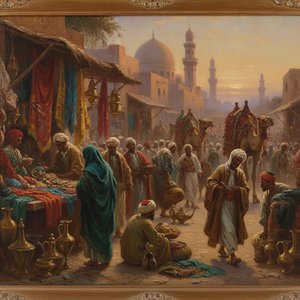
Orientalist Art Unveiled: The Breathtaking Color and Intense Detail of 19th-Century Masterpieces
Experience the breathtaking visual impact of Orientalist art. Our museum-quality, hand-painted oil reproductions capture the bold colors and intense detail of 19th-century masterpieces. Elevate your space with premium, bespoke historical art reimagined for the modern collector.

19th Century Masterpieces: 10 Paintings That Defined an Era | OriginalUniqueArt
Journey through 19th century art with OriginalUniqueArt! Explore 10 iconic paintings – from Monet & Renoir to Courbet – and discover the stories behind Romanticism, Realism & Impressionism. Find museum-quality reproductions for your home decor. Explore the full collection online!
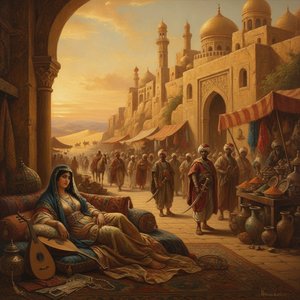
Orientalism: Exploring the Exotic Allure and Complex Legacy of 19th-Century Masterpieces
Explore the captivating world of 19th-century Orientalist painting. Discover the history, academic mastery, and complex legacy of artists like Gérôme and Lewis through our expert art history guide. Find museum-quality oil reproductions for your collection at OriginalUniqueArt.com.