

 Peržiūrėti realybėje
 Pasidalinti
 Dalintis
 Išsamiau

 Atsisiųsti
 Panašūs eksponatai
 Rentgeno nuotrauka
 Automatinė diorama
La Banda


 Skaityti daugiau
Giclée / Meno spausdinimas
Muziejų lygio „giclée“ arba drobos spausdinimas: greita gamyba ir lankstios apdailos parinktys. ( Pirkti rankomis tapytą paveikslą Pirkti vaizdą)




































Pasirinkite iš mūsų nustatytų dydžių, atitinkančių originalaus meno kūrinio proporcijas.

Galite nurodyti savo matmenis, kad vaizdas atitiktų konkretų rėmą ar erdvę. Jei pasirinktas dydis nesutaps su originalaus paveikslėlio proporcijomis, mes arba apkirpsime kūrinį, arba išplėsime vaizdą naudojant veideliu atspindėtą arba vientisą šoną. Skaitmeninis maketas bus išsiųstas jums patvirtinti prieš pradedant gamybą.
Atkreipkite dėmesį, kad ekrane matomas vaizdinys neatspindi tikrojo apkirpimo ar išplėtimo. Tik maketas tiksliai parodytų galutinę kompoziciją.
Nors galima rinktis ir individualius dydžius, rekomenduojame pasirinkti vieną iš išanksti nustatytų matmenų, kad būtų išlaikytos originalios proporcijos.
Pristatymas visame pasaulyje () per 2 weeks, o ne įprastas 4/5 savaičių laikotarpis. (20 rugpjūtis)

Nemokamas greitasis pristatymas visame pasaulyje

Aukštos kokybės lininis drobė

Pilnas siuntimo draudimas

Muitinės mokesčių grąžinimo garantija

Tikro spalvų atitikimo garantija

60 dienų grąžinimo politika (tik esant gamyklinėms defektams)

100% pinigų grąžinimo garantija

Nuolaida už kelias reprodukcijas
 Stiklo variantas prieinamas tik pasirinkus dydį iki 110 cm

La Banda
Giclée / Meno spausdinimas
Reprodukcijos matmenys
-


Galutinė kaina
$ 80
Kolekcinio eksponato aprašymas
The Pulse of the Urban Canvas
In the heart of São Paulo’s sprawling metropolis, where the concrete jungle meets the raw energy of human expression, Francisco Rodrigues da Silva—the artist known globally as Nunca—captures a moment of profound transformation. His work, La Banda, serves as more than just a mural; it is a living dialogue between the artist and the architecture of the city. The piece presents a mesmerizing interplay of abstract patterns and geometric shapes that dance across a textured surface. As one observes the process of its creation, there is an undeniable sense of movement, where the application of paint feels less like decoration and more like an organic growth emerging from the very skin of the wall. The stark contrast of black and white elements creates a visual rhythm that commands attention, pulling the viewer into a world where the boundaries between street culture and fine art dissolve.
The technique employed in La Banda is a masterful testament to the evolution of contemporary street art. Drawing from his roots in pichação—the cryptic, vertical calligraphy of Brazil—Nunca utilizes a sophisticated approach to texture and depth. The mural showcases a striking use of impasto, where layers of paint are applied with such vigor that they create a three-dimensional topography on the wall. This tactile quality is complemented by the strategic use of spray paint and brushwork, allowing for both sharp, defined lines and soft, bleeding edges. In certain areas, the intentional appearance of peeling or weathered surfaces adds a layer of temporal depth, suggesting that the artwork is a breathing entity, subject to the same decay and rebirth as the urban environment surrounding it.
A Symphony of Symbolism and Spirit
Beyond its visual strikingness, La Banda is steeped in a rich tapestry of cultural symbolism. The artist weaves together the ancestral echoes of Brazilian Indigenous art with the frenetic pace of modern urban life. The geometric forms and intricate patterns are not merely decorative; they act as a visual language that speaks to the interconnectedness of all things—the ancient and the contemporary, the natural and the man-made. There is an inherent musicality in the composition, a rhythmic flow that mirrors the "band" suggested by its title, evoking the collective energy of a community united through art. The use of bold, contrasting tones serves to highlight this tension, creating a spectacle that is both intellectually stimulating and emotionally resonant.
For the discerning collector or interior designer, a reproduction of La Banda offers an unparalleled opportunity to introduce a piece of high-octane contemporary history into a curated space. It brings with it the raw, unbridled spirit of São Paulo, making it an ideal centerpiece for modern, industrial, or avant-garde interiors. The artwork does not merely sit upon a wall; it activates the room, providing a focal point that invites contemplation and sparks conversation. To possess such a piece is to hold a fragment of the urban revolution, a testament to the power of art to transform the mundane into the magnificent.
Autoriaus biografija
The Urban Genesis of Nunca
In the sprawling, concrete heart of São Paulo, where the raw energy of the metropolis meets the grit of the streets, a unique visual language was born. Francisco Rodrigues da Silva, known to the world as Nunca, began his journey not in the quiet halls of an academy, but amidst the cryptic, vertical calligraphy of pichação. At just twelve years old, navigating the streets of Itaquera, he was part of a movement that used the city's architecture as a canvas for rebellion and identity. This early immersion in the shadows of the urban landscape provided the foundation for an artist who would eventually transform the very skin of the city into a vibrant, breathing archive of Brazilian heritage.As his style evolved, Nunca moved beyond the initial simplicity of tagging to develop a sophisticated aesthetic that bridges the gap between street culture and fine art. His work captures the pulse of the urban canvas, turning the decay and rebirth of the environment into a profound dialogue between the past and the present.
A Synthesis of Ancestral Spirit and Modern Texture
The hallmark of Nunca’s technique is a bold use of impasto, where thick, energetic layers of paint create a three-dimensional topography on the wall. This tactile approach allows his murals to possess an almost sculptural quality, capturing the dynamism and movement of São Paulo's streets. Yet, beneath this modern, urban surface lies a profound reverence for Brazil’s indigenous roots. His canvases are a mesmerizing interplay of:- The vibrant, expressive colors of Indigenous Brazilian art
- Geometric abstractions that echo ancient cosmology and spirituality
- Techniques that mimic the antique etchings used by early conquistadors to document the New World
Global Resonance and Lasting Legacy
The impact of Nunca’s work extends far beyond the borders of Brazil, reaching the prestigious galleries of Europe and North America. His ascent to international prominence was marked by a significant milestone in 2008, when he became one of the youngest artists featured in a major exhibition at the Tate Modern in London. This recognition helped catalyze a global re-evaluation of street art, positioning it not merely as urban decoration, but as a sophisticated medium for complex historical and cultural narratives.Through his collaborations with legendary figures like Os Gêmeos and his unwavering gaze toward the intersection of history and modernity, Nunca continues to weave a visual dialogue that challenges the boundaries of contemporary art. His work remains a powerful testament to the ability of street art to confront urban realities while honoring the ancestral roots that define a nation's soul.

francisco rodrigues da silva
1983 - , Brazil
Trumpa informacija
- Artistic Movement Or Style: Street Art / Pichação
- Date Of Birth: 1983
- Full Name: Francisco Rodrigues da Silva
- Nationality: Brazilian
- Notable Artworks: ['La Banda']
- Place Of Birth: São Paulo, Brazil
Susiję straipsniai

Interjero Transformacija: Sienų Tapybos Menas Virtuvėse ir Vonios Kambariuose – Estetinis Pokytis ir Funkcionalus Dizainas
Transformuokite virtuvę ir vonios kambarį su sienų tapyba! Patarimai, stiliai, technikos bei profesionalūs dailininkai. Sukurkite unikalų interjerą kartu su mumis. Ekspertų konsultacijos nemokamai!

Šiuolaikinės sienų tapybos tendencijos: nuo geometrinių formų iki aukso lapelių ir džiunglių motyvų interjeruose
Atraskite naujausias sienų tapybos tendencijas! Ekspertai pataria dėl geometrinių formų, aukso lapelių ir džiunglių motyvų. Kokybiškas interjero dizainas Jūsų namams – nuo idėjų iki profesionalios įgyvendinimo.
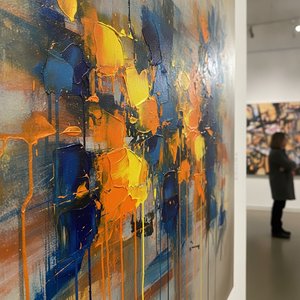
Beyond the Lines: Mastering the High-Impact World of Contemporary Abstraction
Master the high-impact world of contemporary abstraction. Discover how bold colors, textures, and modern movements like Abstract Expressionism can transform your space with premium, high-energy art curated for the design-conscious professional.
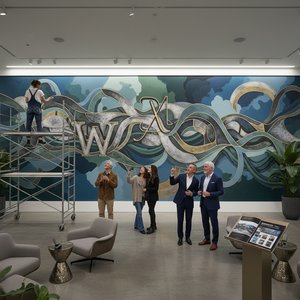
Vizualinės tapatybės kūrimas: kaip individualūs sienų tapybos projektai stiprina prekės ženklą ir pagerina klientų patirtį
Sienų tapyba viešbučiams – sustiprinkite prekės ženklą ir pagerinkite klientų patirtį! Profesionalūs interjero dizaino sprendimai, individualus požiūris, aukšta kokybė. Konsultacijos nemokamai!

Kandinsky's Masterpieces: 25 Paintings That Define Abstract Art | OriginalUniqueArt
Journey through Wassily Kandinsky's 25 most iconic abstract paintings. Explore his revolutionary use of color, form & spiritual expressionism. Find museum-quality Kandinsky reproductions and elevate your home decor with OriginalUniqueArt.com. Discover all masterpieces on OriginalUniqueArt.com!

