Peržiūrėti realaus dydžio版
 Siųsti
 Dalintis
 Išsamiau
 Vadovas

 Atsisiųsti
 Panašūs eksponatai
 Rentgeno spindulių nuotrauka
 Diaporama
 Statistika
Bodegón de membrillos

 Rodyti daugiau
Giclée / Meno spausdinimas
Muziejų lygio „giclée“ arba drobos spausdinimas: greita gamyba ir lankstios apdailos parinktys. ( Pirkti rankomis tapytą reprodukciją Perejti prie skaitmeninių vaizdų)




P118B €10

P118H €10

P118W €10

P438Z €10

P508JH €12

P508YH €12

P805H €10

P805Z €10

P919BZ €10

P919G €10

P919XJ €10

P959ZH €10

P968JZ €12

W106C €8

W218G €10

W218JH €8

W218Y €10

W307PJ €10

W316G €10

W316PJ €8

W316Y €10

W398PJ €8

W4111J €10

W500HY €15

W500JH €15

W692G €12

W849H €8

W940BG €15

W953PJ €8




Pasirinkite iš mūsų nustatytų dydžių, atitinkančių originalaus meno kūrinio proporcijas.

Įveskite jums reikiamą plotį ir aukštį, kad atvaizdas derėtų prie jūsų rėmo ar sienos. Spausdiną galima tik sumažinti, bet nepadidinti virš originalaus paveikslėlio dydžio, todėl keičiant proporcijas, dalis vaizdo prarandama. Prieš spausdinimą atsiųsime jums skaitmeninį maketą patvirtinimui. Šioje puslapio nuotraukoje matomas pjūvis nėra tikslus – jį rodo tik maketas.
Pristatymas visame pasaulyje () per 2 weeks, o ne įprastas 4/5 savaičių laikotarpis. (24 spalis)

Nemokamas greitasis pristatymas visame pasaulyje

Aukštos kokybės lininis drobė

Pilnas siuntimo draudimas

Muitinės mokesčių grąžinimo garantija

Tikro spalvų atitikimo garantija

100 dienų grąžinimo politika (tik esant įtaigoms)

100% pinigų grąžinimo garantija

Nuolaida dideliems užsakymams
 Stiklo variantas prieinamas tik pasirinkus dydį iki 110 cm

Bodegón de membrillos
Giclée / Meno spausdinimas
Reprodukcijos dydis
-


Visų pasirinktų variantų kaina
€ 70
A Still Life of Profound Simplicity: Exploring Zurbarán’s *Bodegón de Membrillos*
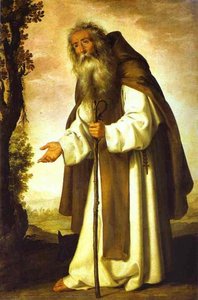
Francisco de Zurbarán's *Bodegón de Membrillos*, a deceptively simple composition featuring three apples resting upon a rustic plate, is far more than a mere depiction of fruit. It’s a window into the deeply spiritual world of one of Spain’s most significant Baroque artists, offering a glimpse into his meticulous observation of nature and his profound understanding of light and shadow – hallmarks of his distinctive style. Painted likely around 1630, this work exemplifies Zurbarán's mastery of *tenebrism*, a dramatic technique where strong contrasts between light and dark heighten the emotional impact of the scene. The muted palette—dominated by browns, ochres, and the pale yellows of the apples—creates an atmosphere of solemnity and quiet contemplation, drawing the viewer into a space both earthly and ethereal.

The Roots of Austerity: Context and Influences
To fully appreciate *Bodegón de Membrillos*, it’s crucial to understand the artistic and religious context in which it was created. Born in Fuente de Cantos, Extremadura, in 1598, Zurbarán's upbringing instilled within him a reverence for simplicity and austerity – qualities deeply rooted in the region’s Catholic traditions. His early training with Alejandro de la Mina and later under Alonso de Najera exposed him to the burgeoning Baroque style, but he quickly developed his own unique voice, prioritizing realism and spiritual depth over elaborate ornamentation. The stark landscapes of Extremadura, characterized by their rugged beauty and devout atmosphere, profoundly shaped his artistic sensibility. Interestingly, Zurbarán’s work reflects influences from both Dutch still life painting – particularly in its meticulous detail and focus on everyday objects – and Italian tenebrism, most notably the dramatic lighting employed by Caravaggio. However, unlike Caravaggio's often theatrical compositions, Zurbarán’s works possess a quiet dignity and introspective quality.
Symbolic Resonance: Apples, Light, and Mortality
The choice of subject matter—three apples—is laden with symbolic meaning. In Christian iconography, the apple frequently represents temptation, sin, and mortality. Here, however, the apples are presented not as symbols of transgression but rather as emblems of earthly beauty and fleeting existence. The way Zurbarán renders their surfaces – capturing every subtle variation in color and texture – emphasizes their vulnerability and fragility. Crucially, the light itself is a key element of the composition. It originates from an unseen source, bathing the apples in a golden glow while simultaneously casting deep shadows that accentuate their form and create a sense of depth. This interplay of light and dark not only enhances the visual drama but also serves to evoke a feeling of spiritual illumination – suggesting that even in the most mundane objects, one can find evidence of God’s presence.
A Legacy of Dramatic Realism: Zurbarán's Enduring Influence
Francisco de Zurbarán remains a pivotal figure in Spanish art history, often referred to as the “Spanish Caravaggio” for his masterful use of *tenebrism*. His works—including this evocative still life—continue to captivate viewers with their profound sense of realism, spiritual intensity, and technical brilliance. His influence can be seen in the work of subsequent generations of Spanish painters, particularly Juan de Zurbarán, his son, who further developed his father’s distinctive style. Reproductions like this offer a remarkable opportunity to experience the power and beauty of Zurbarán's art firsthand, bringing a touch of timeless elegance and contemplative serenity to any space.
问答 (or more naturally for a website heading): Klausimai ir atsakymai
Kokia yra „Bodegón de membrillos“, autorius – Franciskas De Surbaranas švytėjimo intensyvumas?
„Bodegón de membrillos“ spalvos pasižymi Dark šviesos intensyvumu.
Ar „Bodegón de membrillos“, autorius – Franciskas De Surbaranas yra portretinė, peisžinio tipo ar kvadratinė kompozicija?
„Bodegón de membrillos“, autorius – Franciskas De Surbaranas kūrinio formatas yra Landscape. Formatas aprašo kompozicijos proporcijas.
Ar studentams skirtas informacinis lapelis apie „Bodegón de membrillos“, autorius – Franciskas De Surbaranas yra prieinamas?
„Bodegón de membrillos“, autorius – Franciskas De Surbaranas Gidas puslapioje galima rasti spausdinamą dviejų lapų informacinę lentelę: kūrinį su jo tapatybės lentele, dešimtmečių juostą, nurodančią laikotarpį, kuriame gyveno paveikslas, kitus šio kūrinio autoriaus darbus, išmatuotą spalvų paletę bei keturiomis stiliais paruoštus citavimo pavyzdžius.
Autoriaus biografija
Early Life and Formation in Extremadura
Franciskas de Surbaranas gimė Fuentė de Kantoso miestelyje Estremaduroje, Šiaurės vakarų Ispanijoje, 1598 m. lapkričio 7 d. Jis anksti parodė polinkį piešimui ir tėvai, kurie buvo smulkių pirklių šeima, nusiuntė jį apie 1614-15 m. mokintis į Sevilijos dailininko Pedro Díaz de Villanueva dirbtuves. Spėjama, kad piligrimavimo kelionės metu Surbaranas galėjo pabūvoti Italijoje. Jis buvo gimęs iš šeimos, kuri užsiimdavo smulkiais pirkliniais darbais.
The Seville Period: Establishing a Singular Style
By 1614, Zurbarán had established himself in Seville, Šiaurės vakarų Ispanijos kultūros centru ir Didžiosios Italijos vartelį į Šiaurės Ameriką – į Estremaduro regione šiek tiek mažiau iššūkį keliantį kraštą. Jis greitai užsitrinko pirmąją vietą, įsikūrė į savo dailininko darbų kūrimo mokyklę ir įtraukė daug klientų, kuriuos pagrindė religiniai paveikslai – skirti Šventųjų katedrai, vienuolynams ir privatiems šventėms. Šis laikotarpis užtikrino jo išskirtinio stiliaus pilną išsipildymą – įspūdingą mišinį šiaurės vakarų Ispanijos meno tradicijų ir dramatiškos religinės simbolikos.
Master of Tenebrism and Religious Devotion
Zurbarán’s artistic prowess lay in his ability to transform religious narratives into powerfully moving visual experiences. He became renowned for his depictions of monks, nuns, martyrs, and saints—figures often portrayed in moments of profound contemplation or suffering. His *Immaculate Conception* (c. 1635), kuri buvo įsikūrusi Bilbao Švietės meno muziejuje, išliko įspūdinga jo meistriška gebėjimu užtikrinti šventąją simboliką ir dramą – jis ne tik atspindėjo savo laikotarpį, bet ir kvietė žiūrovą į gilų emocinį atsakinimą. Taip pat jo *Agnus Dei* (c. 1640), kuri buvo eksponuojama Metropoliteno muziejuje Niujorke Šiaurės Amerikoje – Šventųjų Jėzus Kristus kaip aukščiausiai šventas žvyrą išliko įspūdinga jo meistriška gebėjimu užtikrinti šventąją simboliką ir dramą.
Royal Patronage and Lasting Legacy
Around 1630, Zurbarán pasiekė reikšmingą švietės meno istorijoje žygį – jis įsidiegė Šiaurės Amerikos kultūros centrą Seviliją Šiaurės vakarų Ispanijoje. Šis įvykis padėjo jam išauginti pagarbą ir aksesą karališkoms užsakymams, kuriuos sustiprino jo reputaciją kaip vieno iš Šiaurės Amerikos švietės meno meistrų – dailininkas, kuris ne tik įspūdingai naudojosi šviesos ir šešėlių techniką, bet ir dėmesį atkreipė į religinę simboliką. Jo įvairovė įkvietė pasaulio žymius dailinius meistrus įgyvendinti savo viziją.
- Notable Works: Immaculate Conception (c. 1635), Agnus Dei (c. 1640), Sudarium of St Veronica, St Francis Receiving the Stigmata
Zurbarán’s influence on Šiaurės Amerikos švietės meno istorijoje yra nepriekaištinga; jo naudojimas šviesos ir šešėlių techniką bei dėmesys religinei simbolikai įkvietė pasaulio žymius dailinius meistrus įgyvendinti savo viziją.

Franciskas De Surbaranas
1598 - 1664 , Ispanija
Trumpa informacija apie kūrėją
- Artistic Movement Or Style: Baroko
- Artists Or Movements Influenced By This Artist: ['Tenebrism circle']
- Artists Who Influenced This Artist: ['Juan Sánchez Cotán']
- Date Of Birth: 1598 m.
- Date Of Death: 1664 m.
- Full Name: Francisco de Zurbarán
- Nationality: Ispanų
- Notable Artworks:
- Immaculate Conception
- Agnus Dei
- St Francis Receiving Stigmata
- Place Of Birth: Fuente de Cantos, Espanija
Susiję straipsniai

Baroko Šedevrai: 10 Menų Simbolių, Apibūdinusių Epoką | OriginalUniqueArt
Atraskite 10 baroko šedevrų, kurie apibrėžė epoką! Karolis Rubenzas, Berninis ir kiti meistrai – jų kūriniai, istorijos bei spalvos. Aukščiausios kokybės dailės reprodukcijos ir interjero įkvėpimas OriginalUniqueArt.com. Išnagrinėkite visą kolekciją internete!

The Golden Age Reforged: Dramatic Realism & Religious Zeal in Spanish Baroque Art
Explore the dramatic world of Spanish Baroque art! Discover masters like Zurbarán & the powerful influence of religious zeal on painting techniques – a guide for collectors and enthusiasts.
The Dramatic Flourish: Exploring Themes of Power, Faith & Emotion in Baroque Artworks
Explore the dramatic world of Baroque art! Discover masters like Zurbarán & the powerful influence of religious zeal on painting techniques. Expert insights for collectors and enthusiasts.

Francisco de Zurbarán: Mysticism, Realism & the Golden Age of Spanish Painting
Explore the captivating world of Francisco de Zurbarán, a master of Spanish Baroque painting. Discover his dramatic tenebrism, religious masterpieces like 'La Porciúncula,' and lasting influence on art history.

The Dramatic Flourish: Exploring the Baroque Movement's Enduring Legacy in Art History
Explore the dramatic world of Baroque art! Discover iconic artists like Caravaggio & Rubens, defining techniques, and its lasting impact on art history. Expert insights for collectors & enthusiasts at OriginalUniqueArt.