

 Peržiūrėti realybėje
 Pasidalinti
 Dalintis
 Išsamiau

 Atsisiųsti
 Panašūs eksponatai
 Rentgeno nuotrauka
 Automatinė diorama
The Three Fates
 Mannerist
 1550
1550 61.0 x 83.0 cm
 Piti rūmai
 Skaityti daugiau
Rankų darbo aliejinės reprodukcijos
Rankiniu būdu tapytas aliejus ant droblio jūsų pageidaujamame dydį ir rėmuose – mūsų menininkų darbas pagal užsakymą. ( Pirkti spaudinį Pirkti vaizdą)




































Pasirinkite iš mūsų nustatytų dydžių, atitinkančių originalaus meno kūrinio proporcijas.

Galite įvesti savo matmenis, kad jie atitiktų konkretų rėmą ar erdvę. Jei pasirinktas dydis neatitinka originalaus paveikslėlio proporcijų, mes arba apkropsime meno kūrinį, arba papildysime tapybą rankomis dažytい elementais. Prieš pradėdami gamybą, jūsų patvirtinimui atsiųsime skaitmeninį maketą.
Atkreipkite dėmesį, kad ekrane rodomas vaizdas neatspindi tikrojo apkarpymo ar papildymo. Tik maketas tiksliai parodys galutinę kompoziciją.
Nors galima rinktis ir individualius dydžius, rekomenduojame pasirinkti matmenis iš nustatytos sąrašo, kad būtų išlaikytos originalios proporcijos.
Gavus užsakymą, OriginalUniqueArt.com komanda susisieks su klientu el. paštu dėl instrukcijų ir pateiks maketo pavyzdį.
Pristatymas visame pasaulyje () per 3–4 savaites, o ne įprastai – per 5 savaites. (19 rugpjūtis). Kokybė lieka nepakeičiama.

Nemokamas greitasis pristatymas visame pasaulyje

Aukštos kokybės lininis drobė

Pilnas siuntimo draudimas

Muitinės mokesčių grąžinimo garantija

Tikro spalvų atitikimo garantija

60 dienų grąžinimo politika (tik esant gamyklinėms defektams)

100% pinigų grąžinimo garantija

Nuolaida už kelias reprodukcijas
 Stiklo variantas prieinamas tik pasirinkus dydį iki 110 cm

The Three Fates
Reprodukcijos technika
Reprodukcijos matmenys
-


Galutinė kaina
$ 350
Kūrinio aprašymas
Artistic Style and Influences
Francesco De' Rossi's work is characterized by its use of Mannerist techniques, which emphasize distorted proportions, unusual perspectives, and a sense of tension. The painting The Three Fates showcases the artist's ability to create complex and intriguing compositions. The influence of other artists, such as Andrea del Sarto and Giulio Romano, can also be seen in his work.Notable Works and Legacy
Some of Francesco De' Rossi's notable works include Annunciation and Holy Family with Saint John the Baptist. His paintings can be found in various museums, including the Uffizi Gallery and the Pitti Palace Museum. For art enthusiasts and collectors, OriginalUniqueArt.com offers handmade oil painting reproductions of Francesco De' Rossi's works, including The Three Fates.- Handmade oil painting reproductions available on OriginalUniqueArt.com
- Learn more about Francesco De' Rossi on Wikipedia
The painting's significance extends beyond its artistic value, as it provides insight into the cultural and historical context of 16th-century Italy. As a masterpiece of Mannerist art, The Three Fates continues to inspire and fascinate audiences today.
Autoriaus biografija
The Architect of Mannerist Drama
Francesco de' Rossi, known to history by the more evocative name Francesco Salviati, was a master weaver of dreams and shadows who stood at the precipultice of the High Renaissance and the burgeoning Baroque. Born in the vibrant cradle of Florence around 1510, his life was an odyssey through the most prestigious artistic circles of 16th-century Italy. To understand Salviati is to understand the very essence of Mannerism—a movement that sought to transcend the balanced harmony of the previous era in favor of tension, artifice, and psychological depth. He did not merely paint scenes; he engineered visual experiences, meticulously crafting compositions that breathed with a sense of theatricality and restless energy.
His artistic journey began within the prestigious workshops of Florence, where his lineage as the son of a sculptor and architect provided him with an innate understanding of form and structure. His early training was a rigorous immersion into the masters of disegno. Under the watchful eye of Andrea del Sarto, Salviati mastered the classical principles of anatomical precision and graceful representation. However, his spirit was too restless for mere imitation. The monumental presence of Michelangelo and the rhythmic elegance of Raphael acted as catalysts, pushing him to explore more exaggerated, elongated, and complex arrangements. This period of apprenticeship was not merely about learning technique, but about absorbing the foundational language of the Renaissance so that he might eventually learn how to deconstruct it.
A Journey Through Rome and the Mastery of Style
The year 1531 marked a transformative epoch in Salviati's career when his relocation to Rome turned a promising Florentine apprentice into a dynamic force within the papal artistic scene. In the shadow of the Vatican, he encountered the burgeoning Mannerist style in its most potent form. His work began to reflect the characteristic hallmarks of this new aesthetic: distorted perspectives, unusual anatomical proportions, and an unsettling sense of movement. This was a period where his ability to synthesize classical grandeur with modern complexity truly flourished. His frescoes, such as those found in the Oratory of San Giovanni Battista Decollato, showcased a mastery of swirling drapery and exaggerated gestures that left viewers breathless.
As his reputation grew, so did the scale of his ambitions. Salviati became an architect of visual narrative, capable of handling massive fresco cycles that demanded both technical stamina and intellectual depth. His ability to navigate the complex political and religious landscapes of the time allowed him to secure prestigious commissions from the most powerful patrons in Italy, including the Medici family and various high-ranking Cardinals. Whether he was depicting the History of Paul III or creating allegorical triumphs like the English Allegory of Peace Burning Arms, his work always maintained a signature tension—a deliberate rejection of serene beauty in favor of a more profound, often unsettling, emotional truth.
Legacy and the Bridge to the Baroque
The significance of Francesco de' Rossi extends far beyond the borders of his era. While he is celebrated as a titan of Mannerism, his true historical importance lies in his role as a stylistic bridge. By pushing the boundaries of composition and color, he laid the groundwork for the dramatic intensity and emotional exuberance that would define the Baroque period. His use of bold lines and vibrant, often acidic palettes challenged the viewer to look beyond the surface of the canvas, inviting an engagement with the psychological complexities of the human condition.
Even today, his works remain captivating studies in movement and light. To gaze upon The Three Fates or his intricate depictions of biblical triumphs is to witness a mind that refused to be bound by the constraints of naturalism. His legacy is preserved in the great museums of the world, from the Uffizi Gallery to the Pitti Palace, serving as a testament to an artist who dared to transform the stability of the Renaissance into the magnificent, swirling drama of a new age.

francesco de' rossi
1510 - 1562
Trumpa informacija
- Artistic Movement Or Style: Mannerist Painting
- Artists Or Movements Influenced By This Artist: ['Caravaggio']
- Artists Who Influenced This Artist: ['Andrea Palladio']
- Date Of Death: 1562
- Full Name: Francesco Salviati
- Nationality: Italian
- Notable Artworks:
- The Martyrdom of Saint Cecilia
- The Visitation
- The Triumph of Saint Peter
- Place Of Birth: Florence, Italy
Susiję straipsniai

Demandes Commerciales
APS ofrece reproducciones de bellas artes y encargos personalizados desde 2004. Confían en nosotros corporaciones, hoteles y coleccionistas selectos para obras de arte de calidad museística, servicio discreto y soluciones artísticas completas. ¡Póngase en contacto con nosotros para obtener un presupuesto personalizado!

Francisco Goya Šedevrai: 25 Išskirtiniai Darbai Jūsų Interjerui | OriginalUniqueArt
Atraskite 25 įspūdingiausius Francisco Goya šedevrus! Ispanų romantizmo meistro paveikslai, portretai ir juodoji tapyba. Įkvėpkite interjerui su aukštos kokybės Goya reprodukcijomis | OriginalUniqueArt.com

A riguardo di noi
Découvrez notre histoire ! Nous apportons l'art de classe mondiale dans votre vie grâce à une sélection experte, des créations personnalisées et des aperçus gratuits. Approuvé par les particuliers et les entreprises depuis 2000.
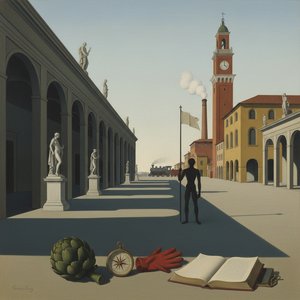
Giorgio de Chirico: Metaphysical Realities & the Poetics of Absence
Explore the captivating world of Giorgio de Chirico and his groundbreaking Metaphysical painting movement. Discover the philosophical depths & surreal imagery that influenced generations of artists. Learn more at OriginalUniqueArt.
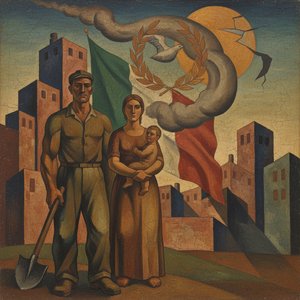
Mario Sironi: A Poetic of Modern Italian Identity Through Symbolism & Social Commentary
Explore the profound works of Mario Sironi, a key figure in Italian Modernism. Discover his evolution from Futurism to Metaphysical painting and his powerful social commentary. Learn about his legacy at OriginalUniqueArt.

