Early Renaissance · 1442
The Annunciation (Fra Angelico, 1442)
Fra Angelico (1395–1455) sukūrė The Annunciation. Šis kūrinys datuojamas 1442 m. Šis kūrinys priklaulo Early Renaissance kieruliui. Pagaminta naudojant Fresco. Eksponatas saugomas San Marko vienuolynas Firena, इटली. Dimensijos – 230 × 321 cm.
- 1442
- Fresco
- 230 × 321 cm
- San Marko vienuolynas, Firena

 Rankinio darbo aliejinės imitacijos paveikslas
 Pasidalinti
 Dalintis
 Informacinė l lapelė


 Atsisiųsti
 Panašūs eksponatai
 Automatinė diorama
 问答

 Statistika
The Annunciation, trumpai
- Pavadinimas
- The Annunciation
- Autorius
- Fra Angelico (1395–1455)
- Dizainere/is gimęs
- Rupesana, Italija
- Data
- 1442
- Mediumas
- Fresco
- Matmenys
- 230 × 321 cm
- Kur galima pamatyti
- San Marko vienuolynas, Firena, इटली
- Judėjimas
- Early Renaissance
- Laikotarpis
- Renaissance
- Tema
- annunciation, mary, gabriel, angel, fresco, medieval
Ką vaizduoja The Annunciation?
A Moment of Divine Revelation: Fra Angelico’s “The Annunciation”
Fra Angelico's "The Annunciation," painted in 1442, is more than just a depiction of a pivotal biblical event; it’s an immersion into a realm of serene spirituality and exquisite detail. This fresco, housed within the walls of a Dominican monastery (though its exact location has shifted over time), captures the profound moment when the Archangel Gabriel announces to Mary that she will conceive and bear the son of God. The painting immediately draws the viewer in with its carefully orchestrated composition – a sense of quiet grandeur achieved through the strategic placement of arches, benches, and the central figures themselves.
The scene unfolds within a room bathed in a soft, diffused light, characteristic of Fra Angelico’s signature style. Earth tones dominate the palette—ochres, siennas, and umbers—creating an aged, almost timeless quality that speaks to the enduring nature of faith. This deliberate use of color isn't merely decorative; it evokes the atmosphere of a monastic setting, reflecting the contemplative life of the Dominican order. Notice how the artist masterfully employs *sfumato*, a technique borrowed from Leonardo da Vinci, softening edges and creating an ethereal haze that contributes to the overall sense of otherworldly beauty.
The Dance of Figures: Composition and Symbolism
At the heart of the composition are Mary and Gabriel. Mary, kneeling in humble reverence, gazes upwards with a mixture of surprise and acceptance. Her posture is graceful yet grounded, embodying both vulnerability and strength. The angel, rendered with delicate wings outstretched, presents the news with an air of solemnity and divine authority. The subtle shift in their gestures—Mary’s downward tilt of her head versus Gabriel's raised hand—creates a dynamic interplay between them, illustrating the exchange of this momentous revelation.
Beyond the central figures, details abound that enrich the narrative. The two benches flanking the scene aren’t merely architectural elements; they represent the earthly realm and the setting for this divine encounter. The presence of a third figure, partially obscured within the architecture – often interpreted as John the Baptist or even an attendant – adds to the sense of a sacred space unfolding before our eyes. The lilies held by Gabriel are a potent symbol of purity and virginity, directly referencing Mary’s role in salvation history.
A Masterclass in Early Renaissance Technique
Fra Angelico's skill as a painter is immediately apparent in the meticulous detail of "The Annunciation." He was renowned for his painstaking preparation – often sketching numerous studies before committing to fresco. This dedication is evident in the rendering of Mary’s garments, the folds of her veil, and the intricate details of Gabriel’s wings. The artist's use of *tempera* on gesso—a technique common at the time—allowed for layering colors and achieving remarkable luminosity.
- Layered Fresco Technique: Fra Angelico employed a meticulous process, starting with a rough ground (gesso) and building up layers of color to create depth and vibrancy.
- Sfumato Effect: The subtle blurring of lines and edges, particularly around the figures’ faces, contributes to the painting's ethereal quality.
- Symbolic Color Palette: The earth tones evoke a sense of monastic austerity and spiritual contemplation.
Emotional Resonance and Timeless Beauty
"The Annunciation" transcends its biblical subject matter, offering a profound meditation on faith, humility, and divine grace. It’s a painting that invites quiet reflection, prompting viewers to consider the transformative power of belief. Fra Angelico's ability to capture such intense emotion with such understated elegance is what secures this work’s place as one of the most beloved and enduring images of the Early Renaissance. OriginalUniqueArt offers exceptional reproductions of this masterpiece, allowing you to bring its serene beauty into your home or office – a testament to the timeless artistry of Fra Angelico.
Kuriame muziejuje eksponuojamas karya The Annunciation?
San Marko vienuolynas
Firena, इटली
Tikėjimo ir meno šventovė San Marko vienuolynas stovi kaip ypatingas Florencijos meno paveldas – vieta, kurioje Renesanso dvasia susipina su giliu religiniu atsidavimu. Tai ne tik šedevrą namai, bet ir įtraukianti kelionė atgal į XV amžių, kviečianti lankytojus apmąstyti Fra Angelico ir Girolamo Savonarola paliktį gražiausiai išlaikytų dominikanų vienuolyno sienomis. Pradinai XIII amžiuje į kuruluş as piligrimų vienuolynas, San Marko transformacija į gyvybingą humanizmo mąstymo ir meno inovacijų centrą prasidėjo nuo Cosimo de' Medici globos – tai buvo leiamas momentas, užtikrinęs reformuoto dominikanų ordino atvykimą ir įvedęs nepanašaus kūrybiškumo erą.


The Annunciation dididraudžios kokybės vaizdai

Viešoji domenė: suregalis mirė 1455 m.
Kiti dydžiai, iškarai ir citavimo informacija →Fra Angelico, The Annunciation (1442), San Marko vienuolynas. Viešoji domenė.
Atsakimai į klausimus apie The Annunciation
Kuriam muziejui priklauso originalus „The Annunciation“?
Originalus „The Annunciation“ – Fra Angelico saugomas San Marko vienuolynas, Firena, इटली. Kopija leidžia šį kūrinį eksponuoti namuose.
Kada buvo sukurta „The Annunciation“?
„The Annunciation“ sukurta 1442 m. Ši data leidžia įvardyti kūrinį Fra Angelico kūrybinėje karjeroje bei jo epochoje.
Kokia technika panaudota kūriniui „The Annunciation"]?
„The Annunciation“ – Fra Angelico technika – Fresco. Kopijos siekia atkartoti šios technikos vaizdą.
Kokie yra originalaus „The Annunciation“ matmenys?
Originalaus dydžio kūrinys „The Annunciation“ yra 230 x 321 cm. Originalūs matmenys padeda lengviau išsirinkti tinkamą reprodukcijos dydį.
Kokios temos atsispindi kūrynioje „The Annunciation“ – Fra Angelico?
„The Annunciation“ – Fra Angelico vaizdeletas: annunciation, mary, gabriel, angel, fresco, medieval, spirituality, tuscan.
Ar „The Annunciation“ – Fra Angelico priklauso viešosios teisės domenui?
„The Annunciation“ – Fra Angelico yra yra viešosios erdvės dalis – jo autorinė teisė pasibaigusi. Šis statusas nustato, kaip galima reprodukcijaus šio kūrinio vaizdą.
Kas sukūrė „The Annunciation“?
„The Annunciation“ kūrybinį darbą sukūrė Fra Angelico. Šioje puslapio informacijoje aprašomas Fra Angelico originalus kūrinys.
Kokiam stiliui priklauso „The Annunciation“?
„The Annunciation“ – Fra Angelico priklauso Early Renaissance stiliui. Ši dailės kryptis suteikia kūriniui stilistinį kontekstą.
Kokio Fra Angelico kūrybos etapo dalis yra „The Annunciation“?
„The Annunciation“ atspindi Fra Angelico kūrybinį laikotarpį Early Renaissance.
Apie šį menininką, Fra Angelico
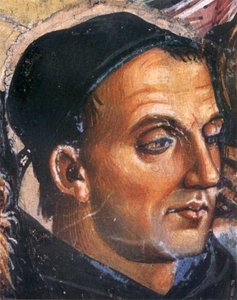
1395–1455, Italija
Fra Angelico
Pradinis gyvenimas ir dvasinis formavimas Gimęs Mugello regione Guido di Pietro, žmogus, kuris vėliau tapo Fra Angelico, pradėjo savo gyvenimą Toskanos kalnuose netoli Florencijos. Maždaug 1395 metais jis buvo žinomas kaip Giovanni da Fiesole. Jo ankstyvoji vaikystė buvo lemia rami šio regiono aplinkybė. Galiausiai jaunasis Giovanni stājosi į Dominikonų vienuoliją Fiezolėje.
Taip pat Fra Angelico darbai
 Pranešimas1430
 Madonna su Imglaiku, Šventuys ir Kryžiaus Smūtis
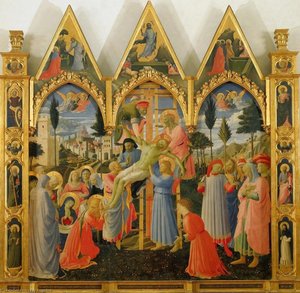 Pokyliaus Atsisėdimas
 Paskutinis teisių pagrindas1431
Esdai apie The Annunciation
 Divine Beauty: The 25 Most Iconic Masterpieces by Fra AngelicoJourney through the divine beauty of Fra Angelico's finest works. Explore 25 iconic Renaissance masterpieces, from ethereal frescoes to sac…
 The Enduring Legacy of Fresco: Technique, History & Artistic ExpressionExplore the rich history & enduring artistry of fresco painting. Discover techniques from Giotto to Michelangelo, conservation efforts, & m…
 Sacred Narratives: Decoding the Iconography and Artistry of the AnnunciationExplore the profound symbolism and mastery behind Renaissance Annunciation paintings. Discover the secrets of these sacred masterpieces now.