

 Peržiūrėti realaus dydžio版
 Siųsti
 Dalintis
 Išsamiau
 Vadovas

 Atsisiųsti
 Panašūs eksponatai
 Rentgeno spindulių nuotrauka
 Diaporama
 Statistika
Lantern on the Duomo


 Rodyti daugiau
Giclée / Meno spausdinimas
Muziejų lygio „giclée“ arba drobos spausdinimas: greita gamyba ir lankstios apdailos parinktys. ( Pirkti rankomis tapytą reprodukciją Perejti prie skaitmeninių vaizdų)




P118B €10

P118H €10

P118W €10

P438Z €10

P508JH €12

P508YH €12

P805H €10

P805Z €10

P919BZ €10

P919G €10

P919XJ €10

P959ZH €10

P968JZ €12

W106C €8

W218G €10

W218JH €8

W218Y €10

W307PJ €10

W316G €10

W316PJ €8

W316Y €10

W398PJ €8

W4111J €10

W500HY €15

W500JH €15

W692G €12

W849H €8

W940BG €15

W953PJ €8




Pasirinkite iš mūsų nustatytų dydžių, atitinkančių originalaus meno kūrinio proporcijas.

Įveskite jums reikiamą plotį ir aukštį, kad atvaizdas derėtų prie jūsų rėmo ar sienos. Spausdiną galima tik sumažinti, bet nepadidinti virš originalaus paveikslėlio dydžio, todėl keičiant proporcijas, dalis vaizdo prarandama. Prieš spausdinimą atsiųsime jums skaitmeninį maketą patvirtinimui. Šioje puslapio nuotraukoje matomas pjūvis nėra tikslus – jį rodo tik maketas.
Pristatymas visame pasaulyje () per 2 weeks, o ne įprastas 4/5 savaičių laikotarpis. (27 spalis)

Nemokamas greitasis pristatymas visame pasaulyje

Aukštos kokybės lininis drobė

Pilnas siuntimo draudimas

Muitinės mokesčių grąžinimo garantija

Tikro spalvų atitikimo garantija

100 dienų grąžinimo politika (tik esant įtaigoms)

100% pinigų grąžinimo garantija

Nuolaida dideliems užsakymams
 Stiklo variantas prieinamas tik pasirinkus dydį iki 110 cm

Lantern on the Duomo
Giclée / Meno spausdinimas
Reprodukcijos dydis
-


Visų pasirinktų variantų kaina
€ 70
The Majesty of Brunelleschi’s Lantern
Perched atop Florence's iconic Duomo, or Cathedral of Santa Maria del Fiore, stands a beacon of Renaissance ingenuity – Filippo Brunelleschi’s lantern. More than just a decorative element, it represents the culmination of a daring engineering feat and embodies the spirit of innovation that defined the era. This meticulously crafted structure isn’t merely a light source; it's a testament to Brunelleschi’s genius, a harmonious blend of mathematics, artistry, and structural brilliance.
The lantern itself is a complex, octagonal marvel. At its apex, a gleaming golden cross pierces the azure sky, signifying divine guidance and anchoring the structure to the heavens. Below, a massive golden sphere – a deliberate echo of the dome beneath – radiates an aura of grandeur and stability. The base, a robust square framework adorned with intricate carvings of mythical creatures and gargoyles, speaks to the enduring power of classical Roman motifs, subtly integrated into the burgeoning Renaissance style. These figures, often interpreted as allegorical representations of virtue and strength, add layers of symbolic depth to the overall composition.
A Revolutionary Design: Engineering and Innovation
Brunelleschi’s design wasn't simply aesthetically pleasing; it was fundamentally revolutionary for its time. He faced a daunting challenge: how to support the immense weight of the lantern atop the soaring dome without compromising its structural integrity. His solution involved a sophisticated system of counterweights, meticulously calculated and precisely engineered – a testament to his mastery of mathematics and mechanics. This innovative approach wasn’t just about building; it was about understanding the very principles of gravity and balance.
The lantern's construction itself was a remarkable undertaking, completed in 1470 after years of painstaking work. It stands as a symbol of Florence’s ambition and its willingness to embrace groundbreaking ideas. Brunelleschi’s success not only transformed the appearance of the Duomo but also established him as a pioneer in architectural engineering – a legacy that continues to inspire architects and engineers today.
Historical Context: The Renaissance at its Peak
To fully appreciate the lantern, one must understand the context of the Florentine Renaissance. The 15th century was a period of unprecedented artistic and intellectual flourishing, fueled by a renewed interest in classical antiquity and a spirit of humanism. Brunelleschi’s work embodies this spirit perfectly – a celebration of human ingenuity and a rejection of the rigid conventions of the Middle Ages.
Commissioned during the reign of Lorenzo de' Medici, the “Magnificent,” the lantern became a powerful symbol of Florence’s wealth, power, and cultural prestige. The Duomo itself, with its magnificent dome designed by Brunelleschi, was intended to be a visible declaration of Florence’s status as a leading European city.
Symbolism and Emotional Impact
Beyond its technical brilliance, the lantern is rich in symbolism. The golden cross represents faith and divine authority, while the sphere symbolizes unity and completeness. The intricate carvings evoke classical ideals of beauty, harmony, and order. Standing beneath this illuminated structure, one can’t help but feel a sense of awe and wonder – a connection to centuries of artistic achievement and human aspiration.
The lantern on the Duomo is more than just an architectural element; it's a powerful emblem of Florence’s enduring legacy. It represents the city’s commitment to innovation, its embrace of beauty, and its unwavering belief in the potential of human creativity. It remains a source of inspiration for artists, architects, and anyone who appreciates the majesty of human endeavor.
问答 (or more naturally for a website heading): Klausimai ir atsakymai
Ar galėčiau pamatyti „Lantern on the Duomo“, autorius – Filipo Bruneleski ant savo sienos prieš pirkdama/pirkdamas?
„Lantern on the Duomo“, autorius – Filipo Bruneleski puslapio AR peržiūra naudojasi papildytoji realybe, kad suderinamame įrenginyje parodytų kūrinį jūsų erdvėje.
Kokią vietą Filipo Bruneleski pasikartojančių temų tarėje užima „Lantern on the Duomo“?
Tarp užfiksuotų Filipo Bruneleski temų – classical roman architecture, religious symbolism, civic pride, medici patronage, florentine identity, brunelleschi’s engineering genius, symbol of florence's ambition – kūrinys „Lantern on the Duomo“ akcentuoja florence cathedral, dome, brunelleschi, italy, architecture, renaissance, sculpture, lantern.
Kiek harmoningai dera „Lantern on the Duomo“, autorius – Filipo Bruneleski spalvos?
„Lantern on the Duomo“, autorius – Filipo Bruneleski pasižymi Strong Color Unity spalvų harmonija.
Autoriaus biografija
Renesanso pionierius: Filippo Brunelleschi gyvenimas ir palikimas
Filippo Brunelleschi, gimęs Florencijoje 1377 metais, yra monumentali figūra, sujungusi viduramžemio pasaulį ir pradinę Renesanso epochą. Nors pradinai jam buvo numatyotas gyvenimas, siekiantis su tėvo teisinės profesijos sferomis, jaunasis Filippo meninės nuolinkės greitai iš 드러ė savo prigimtinę jėgą. Jis dirbo auksininko mokiniu – ši premeslė lavino itin kruopštų dėmesį detalėms ir meistriškumą dirbant su medžiagomis, kuris vėliau tapo neįkainojamas jo architektūrinėje veikloje. Šis ankstyvasis mokymasis nebuvo ribotas tik techniniu įgūdžiu; jis skatino suvokimą apie formą, proporcijas ir išraiškos potencialą, slypantį manipuliuojant fizinėmis medžiagomis. Jo dalyvavimas 1401 metais vyknomiose Florencijos krikštyklų durų konkursuose, nors ir nesėkmingas prieš Lorenzo Ghiberti, atskleidė augantį talentą ir drąsią meninę viziją. Ši patirtis, nors iš pradžių ir nusivylusi, tapo tvirtu pagrindu, nukreipiant jo energiją link architektūros – srities, kurioje jis negrįženai pakečia Vakarų meno ir inžinerijos kelią.Architektūrinės inovacijos ir klasikinio idealumo atgimimas
Brunelleschi architektūriniai pasiekimai yra nieko mazgta nei revoliūciniai. Jis nedirbo tiesiog statydamas konstrukcijas; jis sprendė neįtikėtinai sudėtingas problemas, plečiant ribas to, kas tuo metu buvo laikoma įmanoma. Jo didžiausias triumfas be jokios abejonės yra Florencijos katedros kupolas – pasiekimas, kuris dešimtmečius版 kietai kietino architektų mintis. Projektu mastai ir sudėtingumas reikalavo novatoriškų sprendimų, ir Brunelleschi juos pateikė su gausumu. Atmetęs tradicinius skambavimo metodus, jis sukurė savikeliantį dvigubą apvalkalą, panaudodamas ingeniškas kėlimo mechanizmus ir susipynčius plyčių dėsningus dėjimus svorio paskirstymui ir stabilumą užtikrinimui. Tai nebuvo tik inžinerinis stebuklas; tai buvo žmogaus išminties įrodymas ir Florencijos ambicijų simbolis. Be kupolo, Brunelleschi savo projektuose skatino grįžimą prie klasikos principų. Jis kruopščiai studijavo romėnų griuvles, įsisavinęs jų proporcijų, harmonijos ir erdvės organizacijos pojūtį. Šis įtampas aiškiai matomas tokiuose darbuose kaip San Lorenzo senoji sakristija, kur jis panaudojo simetriškus planus, suapvalintus arkas ir klasikinį ornamentą, kad sukurtų ramybe ir pusiausvyra atspindinčias erdvės. Kiti pastebiminti projektai – Spedale degli Innocenti, Palazzo Rucellai ir Basilica di San Lorenzo – visi neša jo išskirtinio stiliaus žymą: harmoningą klasikinę įkvėpimą ir inovatyvius struktūrinius sprendimus.Linearijos perspektyvos aušra
Brunelleschi įtaka išsiekia daug toli už architektūros ribų; jam priskiriamas linearijos perspektyvos principų atradimas ir formalizavimas – technika, kuri fundamentaliai pakeitė meno istorijos eigą. Prieš Brunelleschį erdvės vaizdymas neturėjo nuosekliaus sistemos gylio ir realizmo atvaizdavimui. Jo kruopščios tyrimai optikos ir geometrijos srityse paskatino jį išvystyti metodą, leidžiantį sukurti tr dimensionsinio erdvės iliuziją dvimensionalėje paviršių plokštėje. Tai apėmė tašką praimantį pranykimą – vieną tašką horizonto linijoje, į kurį visos lygiagrečios linijos susilieja – ir matematinę skaičiavimą, skirtą tiksliai atvaizduoti erdvinius santykius. Pasiūlyti pokyčiai buvo gili. Linearijos perspektyvos įrankis suteikė menininkams galimybę pasiekti didesnį realizmą ir emocinį poveikį savo darbuose, įkvepiant daugybę gavybų bei skulptorių kartų. Tai nebuvo tik techninis tikslumas; tai buvo naujo, įtraukiantys ir patikinti vizualinio patirties kūrimas žiūrėtojui.Įtampos ir ilgalaikė istorinė reikšmė
Brunelleschi genijus neatsirado vakuumo sąlygose. Jis įkvėpimą traukė iš įvairių šaltinių, sujungdamas juos į kažką visiškai naujo. Studijuota senoji romėnų architektūra suteikė klasikinio principų pagrindą, o susidavimas su gotikos struktūromis įdiegė supratimą apie konstrukcinę sudėtingumą ir inovatyvias statybos technikas. Svarbiausia, pradedantisjo Renesanso humanizmo judėjimas – su jo pabrėžimu žmogaus potencialui ir pasiekimams – giliai rezonavo su pačio Brunelleschi inovatyviuoju dvasia. Jis tikėjo proto, stebėjimo ir eksperimentavimo galia – savybėmis, kurios tapo jo revoliucinės veiklos pagrindu. Jo palikimas yra milžiniškas. Jis teisėtai laikomas vienu Renesanso kūrybos tėvų, gyvybiškai svarbiu veikėju, atvėręsiu naują meno ir intelektualinio žydėjimo erą. Jo inžineriniai išradimai ir šiandien informuoja šiuolaikines statybų praktikas, o jo sukurtas linearijos perspektyvos metodas išlieka vaizduojamojo meno pamatu. Tačiau, galbūt svarbiausia, Brunelleschi įkūnijo naują mąstymo būdą – tikėjimą žmogaus išmintimi, atsidavimą racionaliam tyrinėjimui ir natūralios pasaulio grožio bei tvarkos šventimą. Jis ne tik pakeitė Florencijos skylės liniją; jis pakeitė tai, kaip mes matome pasaulį.
Filipo Bruneleski
1377 - 1446 , इटalija
Trumpa informacija apie kūrėją
- Artistic Movement Or Style: Renesanso ankstyvasis etapas
- Artists Or Movements Influenced By This Artist:
- Renesanso architektūra
- Linearinės perspektyvos menininkai
- Artists Who Influenced This Artist: ['Senovės Romos architektai']
- Date Of Birth: 1377
- Date Of Death: 1446
- Full Name: Filippo Brunelleschi
- Nationality: Italių
- Notable Artworks:
- Firencijos katedros kupolas
- San Lorenzo senoji sakristija
- Spedale degli Innocenti
- Palazzo Rucellai
- Place Of Birth: Firencija, Italija
Susiję straipsniai
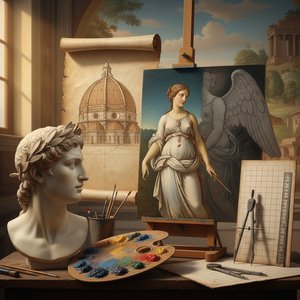
The Dawn of a New Vision: Exploring the Artistic Innovations of the Early Renaissance
Explore the groundbreaking innovations of the Early Renaissance! Discover the art, history, and humanist ideals that shaped a new era in painting, sculpture & architecture. Learn about Masaccio, Florence, and more.
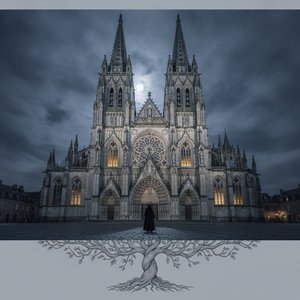
Shadows & Splendor: A Journey Through the Soul of Gothic Art and Architectural Grandeur
Embark on a profound journey through the spiritual intensity of Gothic art. Explore the architectural marvels, luminous stained glass, and sacred sculptures that define this era of grandeur and human devotion.
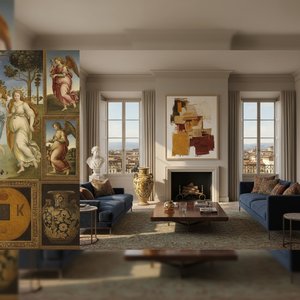
Uffizi Galerijos Šedevrai: 25 Renesanso Perlai Jūsų Interjerui
Atraskite 25 įspūdingiausius Uffizi galerijos šedevrus Florencijoje! Leonardo da Vinci, Botticelli ir Mikelandželo kūriniai – meno istorija jūsų namams. Kokybiškos reprodukcijos ir interjero dekoravimo idėjos OriginalUniqueArt.com.

The Dawn of a New Aesthetic: Exploring Artistic Innovation in 15th-Century European Painting
Explore the groundbreaking artistic innovations of 15th-century European painting! Discover how Humanism & masters like Masaccio redefined art with perspective, realism & classical influence. Learn more at OriginalUniqueArt.

The Shadow of Faith: Exploring Gothic Art's Spiritual Intensity & Architectural Innovation
Explore the spiritual intensity & architectural innovation of Gothic art! Discover the symbolism behind cathedrals, stained glass & master artists like Giotto and Monet. A deep dive into medieval history & artistic expression.