
 Peržiūrėti realaus dydžio版
 Pasidalinti
 Dalintis
 Išsamiau
 Vadovas

 Atsisiųsti
 Panašūs eksponatai
 Rentgeno spindulių nuotrauka
 Automatinė diorama
 Q&A
Q&A Statistika
The Penitent St Jerome

- 47.0 x 34.0 cm


 Skaityti daugiau
Giclée / Meno spausdinimas
Muziejų lygio „giclée“ arba drobos spausdinimas: greita gamyba ir lankstios apdailos parinktys. ( Pirkti rankų darbo tapybą Perejti prie skaitmeninių vaizdų)




P118B €10

P118H €10

P118W €10

P438Z €10

P508JH €12

P508YH €12

P805H €10

P805Z €10

P919BZ €10

P919G €10

P919XJ €10

P959ZH €10

P968JZ €12

W106C €8

W218G €10

W218JH €8

W218Y €10

W307PJ €10

W316G €10

W316PJ €8

W316Y €10

W398PJ €8

W4111J €10

W500HY €15

W500JH €15

W692G €12

W849H €8

W940BG €15

W953PJ €8




Pasirinkite iš mūsų nustatytų dydžių, atitinkančių originalaus meno kūrinio proporcijas.

Įveskite jums reikiamą plotį ir aukštį, kad atvaizdas derėtų prie jūsų rėmo ar sienos. Spausdiną galima tik sumažinti, bet nepadidinti virš originalaus paveikslėlio dydžio, todėl keičiant proporcijas, dalis vaizdo prarandama. Prieš spausdinimą atsiųsime jums skaitmeninį maketą patvirtinimui. Šioje puslapio nuotraukoje matomas pjūvis nėra tikslus – jį rodo tik maketas.
Pristatymas visame pasaulyje () per 2 weeks, o ne įprastas 4/5 savaičių laikotarpis. (2 lapkritis)

Nemokamas greitasis pristatymas visame pasaulyje

Aukštos kokybės lininis drobė

Pilnas siuntimo draudimas

Muitinės mokesčių grąžinimo garantija

Tikro spalvų atitikimo garantija

100 dienų grąžinimo politika (tik esant įtaigoms)

100% pinigų grąžinimo garantija

Nuolaida dideliems užsakymams
 Stiklo variantas prieinamas tik pasirinkus dydį iki 110 cm

The Penitent St Jerome
Giclée / Meno spausdinimas
Reprodukcijos matmenys
-


Bendroji kaina
€ 71
The Penitent St Jerome: A Renaissance Echo of Spiritual Struggle
Filippino Lippi’s “The Penitent St Jerome,” painted in 1485, is more than just a depiction of a biblical figure; it's a profound meditation on faith, remorse, and the arduous path to redemption. The painting immediately draws the viewer into a world of stark contrasts – the cool, shadowed depths of the cave against the warm glow emanating from the central figure, the rough texture of the stone juxtaposed with the delicate folds of his robe. It’s a scene steeped in emotional intensity, rendered with the meticulous detail and psychological insight characteristic of the Florentine Renaissance.
Lippi masterfully employs perspective to create an immersive experience. The viewer is positioned as if observing St Jerome from a slightly elevated vantage point, peering into the darkness of his refuge. The receding cityscape in the background—a hazy, almost dreamlike vision of Florence—suggests both earthly constraints and the promise of spiritual transcendence. This architectural backdrop isn’t merely decorative; it subtly reinforces the theme of isolation and the struggle between the material world and divine grace.
A Masterclass in Renaissance Technique
The painting is executed primarily in oil on panel, a medium that allowed Lippi to achieve an extraordinary level of realism and luminosity. Note the subtle gradations of color – the deep blues and purples of the shadows, the earthy browns and ochres of the stone, and the rich crimson of the saint’s robe. Lippi's brushwork is remarkably controlled, yet imbued with a sense of movement and dynamism. The texture of the rock face is rendered with astonishing accuracy, inviting the viewer to almost feel its rough surface beneath their fingertips. This attention to detail extends to the folds of the fabric, which appear both weighty and fluid, conveying the saint’s physical suffering.
The pyramidal composition—a hallmark of Renaissance art—anchors the scene and directs the eye towards St Jerome. The figure dominates the center, radiating a quiet intensity that speaks volumes about his inner turmoil. The use of chiaroscuro – the dramatic interplay of light and shadow – further emphasizes this sense of drama and psychological depth. Lippi doesn’t simply depict a saint; he captures the very essence of his struggle.
Symbolism and Spiritual Resonance
“The Penitent St Jerome” is rich in symbolic meaning. The cave itself represents both physical isolation and spiritual retreat, a place where the saint can confront his past sins and seek forgiveness. The stone he uses to beat his chest is a potent symbol of self-flagellation – a practice associated with penance and repentance. The small lion, traditionally an attribute of St Jerome, is barely visible in the background, perhaps suggesting the fading power of earthly dominion and the triumph of spiritual authority.
The presence of the crucifix—a subtle but crucial element—underscores the central theme of redemption through sacrifice. St Jerome’s posture – hunched over, his face etched with sorrow – conveys a profound sense of humility and devotion. The painting isn't merely about suffering; it’s about transformation, about the possibility of finding solace and grace amidst pain and regret.
A Timeless Meditation on Faith
“The Penitent St Jerome” remains a powerfully evocative work of art, offering viewers a glimpse into the complexities of faith, repentance, and the human condition. It’s a testament to Lippi's artistic skill and his profound understanding of the spiritual themes he explored. Reproductions of this masterpiece capture not only its visual beauty but also the emotional weight and timeless resonance of its message – a reminder that even in our darkest moments, redemption is always within reach.
Klausimai ir atsakymai
Kokio spalvų ryškumo turi „The Penitent St Jerome“ – Filipinas Lipis?
„The Penitent St Jerome“ spalvų intensyvumas yra Monochromatic. Intensyvumas apibūdina, koks spalvų ryškumas yra suvokiamas.
Ar galiu pamatyti „The Penitent St Jerome“ – Filipinas Lipis skirtingame apšvietime?
„The Penitent St Jerome“ – Filipinas Lipis rentginio vaizdas (X-Ray) galima rasti šio kūrinio Rentgeninis vaizdas puslapio: tai interaktyvus vaizdo tyrimas per vienuolika optinių sluoksnių.
Kokia bendra „The Penitent St Jerome“ – Filipinas Lipis nuotauda?
„The Penitent St Jerome“ dvelkia Dramatic atmosfera.
Autoriaus biografija
Ankstyvas gyvenimas ir mokymasis
Filippino Lippi (gimęs 1457 m. balandžio mėnesį Prato mieste, Italijoje) buvo garsaus tapytojo sūnus neteisėtas vaikas. Jo tėvas – Fra Filippo Lippi, vienas iš ankstyvojo Renesanso meistrų. Augdamas jis turėjo galimybę stebėti savo tėvo darbą ir įsisavinti meno pagrindus. Jaunystėje Filippo mokėsi pas tėvą, kuris padėjo jam suformuoti artistinę viziją ir techniką. Šis ankstyvas mokymasis buvo esminis jo vėlesnės karjeros pamatas. Tėvo įtaka buvo gili, tačiau Filippo netrukus ėmė kurti savo unikalų stilių.Kūrybinis kelias ir raida
Filippino Lippi kūrybinis kelias gali būti skirstomas į keletą etapų. Ankstyvuoju laikotarpiu (1475–1480 m.) jo darbai, tokie kaip Madonos paveikslai, pasižymėjo mažesniu rafinuotumu ir dažnai buvo priskiriami anoniminiam menininkui, žinomam kaip „Sandro draugas“. Šis periodas atspindėjo mokymosi etapą, kuriame Filippo bandė įsisavinti tėvo stilių. Evoliucijos laikotarpiu (1480–1485 m.) jo darbuose ėmė ryškėti asmeniškesnis ir efektyvesnis požiūris, ypač pastebimas *Tobijo kelionės* paveiksluose. Brandos periodas (1485–1504 m.) atnešė meistriškumą aukštojo Renesanso stiliaus srityje, puikiai iliustruotą tokiais kūriniais kaip *Kristaus pasirodymas Mergelei Marijai*. Šis darbas parodė Filippo Lippi gebėjimą sujungti emocinį gilumą ir techninę virtuoziškumą.Pagrindiniai darbai ir bendradarbiavimas
Filippino Lippi aktyviai dalyvavo Florencijos meno gyvenime, bendradarbiaudamas su kitais žymiais menininkais. Jis dirbo kartu su Perugino, Ghirlandaio ir Botticelli freskų projektuose Lorenco de’ Medici viloje. Be to, Filippo užbaigė Masaccio pradėtą dekoraciją Brancacci koplyčioje kartu su Masolino. Jo svarbiausi darbai apima: *Mergelei Marijai vainikuojant*, *Tobijas ir Angelas*, *Šv. Jeronimas* ir *Scenos iš Šv. Tomo Akviniečio gyvenimo*. Bendradarbiavimas su kitais menininkais turėjo didelės įtakos Filippo Lippi kūrybai, o jo darbuose atsispindi įvairių stilių derinys.Įtaka ir artistinis stilius
Filippino Lippi patyrė ankstyvosios Renesanso meno įtaką, ypač Sandro Botticelli ir Fra Filippo Lippi darbų. Jo stiliaus bruožai apima gyvybingas formas ir linijas, šiltą kolorizmą, detalius kraštovaizdžius, ekspresyvias figūras bei perspektyvinės geometrijos derinį su intymiais interjerais. Romėnų antikvarinių dirbinių studijos, kuriomis jis užsiėmė Romoje, turėjo įtakos jo darbams, įtraukiant antikinius motyvus į meną. Filippo Lippi gebėjimas sujungti šiuos elementus sukūrė unikalų ir atpažįstamą stilių, kuris išskyrė jį tarp kitų Renesanso menininkų. Jo paveikslai pasižymi emociniu gilumu ir subtiliais spalvų derinimais.Istorinė reikšmė ir palikimas
Filippino Lippi buvo vienas iš svarbiausių Florencijos freskų tradicijos atstovų. Jo įtaka aukštajam Renesansui yra neabejotina. Jo darbai saugomi muziejuose visame pasaulyje, įskaitant Uffizi galeriją Florencijoje. Filippo Lippi žinomas kaip menininkas, sujungęs ankstesnius Renesanso stilius ir naująjį aukštojo Renesanso estetiką. Jo darbai atspindi perėjimo laikotarpį meno istorijoje, o jo palikimas tebėra aktualus iki šiol. Jo kūryba įkvėpė daugelį vėlesnių menininkų ir prisidėjo prie Renesanso meno plėtros.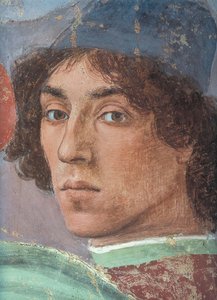
Filipinas Lipis
1457 - 1504 , Italija
Trumpa informacija
- Gimimo Data: 1457 m. balandis
- Gimimo Vieta: Prato, Italija
- Menininkų Įtaka: ['Raffaellino del Garbo']
- Meninis Stilius: Aukštasis Renesansas
- Mirties Data: 1504 m. balandis
- Pilietybė: Italas
- Pilnas Vardas: Filippino Lippi
- Įtakoję Menininkai:
- Fra Filippo Lippi
- Sandro Botticelli
- Žymiausi Darbai:
- Švč. Mergelės vainikavimas
- Tobijo kelionės
- Šv. Jeronimo scena
Susiję straipsniai

Filippino Lippi: Renaissance Innovation Bridging Faith & Humanism
Explore the captivating world of Filippino Lippi, a Renaissance master bridging faith & humanism through innovative art. Discover his key works, influences, and lasting legacy with OriginalUniqueArt.

Oil on Canvas: A Historical & Technical Exploration of a Timeless Artistic Medium
Explore the rich history & enduring techniques of oil painting on canvas. Discover the science behind its longevity, conservation practices, and contemporary relevance. Expert insights for art enthusiasts.

The Enduring Power of Painting: A Historical & Contemporary Exploration of Form and Emotion
Explore the rich history & enduring techniques of oil painting with OriginalUniqueArt. Discover masterpieces, learn about art collecting, and find authentic handmade reproductions crafted by skilled artists.
Filippo Lippi: Bridging Renaissance Devotion & Artistic Innovation
Explore the life & revolutionary art of Filippo Lippi, a pivotal Renaissance painter. Discover his masterpieces, influence on Botticelli, and investment potential. Expert analysis at OriginalUniqueArt.

The Enduring Legacy of Oil on Canvas: Technique, History & Aesthetic Impact
Explore the rich history & techniques of oil painting – from Renaissance masters to Impressionism. Discover pigments, layering methods, and why this timeless medium endures. Expert insights for artists & art enthusiasts.