

 Peržiūrėti realaus dydžio版
 Siųsti
 Dalintis
 Išsamiau
 Vadovas

 Atsisiųsti
 Panašūs eksponatai
 Rentgeno spindulių nuotrauka
 Diaporama
 Statistika
St Jerome
 Oil On Canvas
- WallArt
- Renaissance Art
 1490
1490- Renaissance
 136.0 x 71.0 cm
 Uffizi galerija
 Rodyti daugiau
Giclée / Meno spausdinimas
Muziejų lygio „giclée“ arba drobos spausdinimas: greita gamyba ir lankstios apdailos parinktys. ( Pirkti rankomis tapytą reprodukciją Perejti prie skaitmeninių vaizdų)




P118B €10

P118H €10

P118W €10

P438Z €10

P508JH €12

P508YH €12

P805H €10

P805Z €10

P919BZ €10

P919G €10

P919XJ €10

P959ZH €10

P968JZ €12

W106C €8

W218G €10

W218JH €8

W218Y €10

W307PJ €10

W316G €10

W316PJ €8

W316Y €10

W398PJ €8

W4111J €10

W500HY €15

W500JH €15

W692G €12

W849H €8

W940BG €15

W953PJ €8




Pasirinkite iš mūsų nustatytų dydžių, atitinkančių originalaus meno kūrinio proporcijas.

Įveskite jums reikiamą plotį ir aukštį, kad atvaizdas derėtų prie jūsų rėmo ar sienos. Spausdiną galima tik sumažinti, bet nepadidinti virš originalaus paveikslėlio dydžio, todėl keičiant proporcijas, dalis vaizdo prarandama. Prieš spausdinimą atsiųsime jums skaitmeninį maketą patvirtinimui. Šioje puslapio nuotraukoje matomas pjūvis nėra tikslus – jį rodo tik maketas.
Pristatymas visame pasaulyje () per 2 weeks, o ne įprastas 4/5 savaičių laikotarpis. (22 spalis)

Nemokamas greitasis pristatymas visame pasaulyje

Aukštos kokybės lininis drobė

Pilnas siuntimo draudimas

Muitinės mokesčių grąžinimo garantija

Tikro spalvų atitikimo garantija

100 dienų grąžinimo politika (tik esant įtaigoms)

100% pinigų grąžinimo garantija

Nuolaida dideliems užsakymams
 Stiklo variantas prieinamas tik pasirinkus dydį iki 110 cm

St Jerome
Giclée / Meno spausdinimas
Reprodukcijos dydis
-


Visų pasirinktų variantų kaina
€ 70
A Sanctuary of Silence: The Soul of Filippino Lippi’s St Jerome
In the quiet corners of the Galleria degli Uffizi, there exists a window into a world of profound stillness. Filippino Lippi’s St Jerome, executed around 1490, is not merely a portrait of a saint; it is an invitation to pause. As one gazes upon this oil on canvas masterpiece, the frantic pace of the modern world seems to dissolve, replaced by the heavy, sacred atmosphere of the High Renaissance. Lippi, the talented son of Fra Filippo Lippi, possessed a rare ability to bridge the gap between the divine and the human. In this work, he captures the essence of spiritual contemplation, presenting a figure that feels as much a part of our shared humanity as he is a vessel for the divine.
The composition draws the viewer into a moment of deep, internal dialogue. St Jerome is depicted in his characteristic state of scholarly devotion, seated against the rugged textures of a stone wall or rock. His posture—leaning forward with a hand pressed thoughtfully to his forehead—suggests a mind caught in the labyrinth of scripture and prayer. The light in the painting does not strike with harshness; rather, it is a diffused, natural glow that bathes the saint, highlighting the delicate folds of his simple robe and the weathered lines of his face. This masterful use of chiaroscuro creates a palpable sense of three-dimensionality, making the saint’s presence feel almost tangible within the frame.
Symbolism and the Natural World
Lippi weaves a rich tapestry of symbolism into the very landscape that surrounds his subject. The background is far from a mere backdrop; it is a living, breathing extension of Jerome's inner state. Mature trees and lush foliage frame the scene, suggesting the vitality of creation even amidst the saint's solitary asceticism. Perhaps most poignant is the subtle presence of the lion, tucked into the upper corner of the composition. This small but significant detail serves as a powerful nod to the hagiography of St Jerome, recalling the legend of the saint taming the wild beast by removing a thorn from its paw—a metaphor for the power of compassion to subdue even the most ferocious impulses.
The color palette is intentionally subdued, favoring earthy tones and soft shadows that reinforce the mood of penitence and peace. This restraint allows the viewer to focus on the subtle nuances of emotion: the slight furrow of a brow, the weight of a hand, the quiet dignity of age. For the collector or the lover of fine art, this painting offers more than visual beauty; it offers a psychological depth that resonates across centuries. It is a study in how light and shadow can be used to sculpt not just form, but feeling.
An Eternal Inspiration for the Modern Interior
For the discerning interior designer or the dedicated art enthusiast, a high-quality reproduction of St Jerome serves as a profound focal point. This is an artwork that demands a space of reflection—a study, a library, or a quiet corner of a living room where one might seek respite from the day's labors. The painting’s classical elegance and its mastery of Renaissance technique bring a sense of historical weight and intellectual sophistication to any environment.
Integrating such a piece into a contemporary setting allows for a beautiful tension between the old and the new. Whether paired with minimalist modern furniture or nestled within a more traditional, ornate decor, the emotive power of Lippi’s brushwork remains undiminished. To possess a reproduction of this work is to bring a fragment of the Florentine Renaissance into one's own home, ensuring that the spirit of contemplation and the beauty of classical humanism continue to inspire generations to come.
问答 (or more naturally for a website heading): Klausimai ir atsakymai
Ar galiu pamatyti „St Jerome“, autorius – Filipinas Lipis rentgeno nuotrauką?
„St Jerome“, autorius – Filipinas Lipis rentginio vaizdas (X-Ray) galima rasti puslapio Rentgenas puslapėje: tai interaktyvus vaizdo tyrimas per vienuolika optinių sluoksnių.
Kaip galiu peržiūrėti „St Jerome“, autorius – Filipinas Lipis reprodukciją?
„St Jerome“ Peržiūra puslapio funkcija leidžia peržiūrėti kūrinį prieš užsakant.
Kokio vietos išdėstymo formatas „St Jerome“, autorius – Filipinas Lipis tinka?
Savo Tall forma „St Jerome“ reprodukcija siūloma Living Room kambariui.
Autoriaus biografija
Ankstyvas gyvenimas ir mokymasis
Filippino Lippi (gimęs 1457 m. balandžio mėnesį Prato mieste, Italijoje) buvo garsaus tapytojo sūnus neteisėtas vaikas. Jo tėvas – Fra Filippo Lippi, vienas iš ankstyvojo Renesanso meistrų. Augdamas jis turėjo galimybę stebėti savo tėvo darbą ir įsisavinti meno pagrindus. Jaunystėje Filippo mokėsi pas tėvą, kuris padėjo jam suformuoti artistinę viziją ir techniką. Šis ankstyvas mokymasis buvo esminis jo vėlesnės karjeros pamatas. Tėvo įtaka buvo gili, tačiau Filippo netrukus ėmė kurti savo unikalų stilių.Kūrybinis kelias ir raida
Filippino Lippi kūrybinis kelias gali būti skirstomas į keletą etapų. Ankstyvuoju laikotarpiu (1475–1480 m.) jo darbai, tokie kaip Madonos paveikslai, pasižymėjo mažesniu rafinuotumu ir dažnai buvo priskiriami anoniminiam menininkui, žinomam kaip „Sandro draugas“. Šis periodas atspindėjo mokymosi etapą, kuriame Filippo bandė įsisavinti tėvo stilių. Evoliucijos laikotarpiu (1480–1485 m.) jo darbuose ėmė ryškėti asmeniškesnis ir efektyvesnis požiūris, ypač pastebimas *Tobijo kelionės* paveiksluose. Brandos periodas (1485–1504 m.) atnešė meistriškumą aukštojo Renesanso stiliaus srityje, puikiai iliustruotą tokiais kūriniais kaip *Kristaus pasirodymas Mergelei Marijai*. Šis darbas parodė Filippo Lippi gebėjimą sujungti emocinį gilumą ir techninę virtuoziškumą.Pagrindiniai darbai ir bendradarbiavimas
Filippino Lippi aktyviai dalyvavo Florencijos meno gyvenime, bendradarbiaudamas su kitais žymiais menininkais. Jis dirbo kartu su Perugino, Ghirlandaio ir Botticelli freskų projektuose Lorenco de’ Medici viloje. Be to, Filippo užbaigė Masaccio pradėtą dekoraciją Brancacci koplyčioje kartu su Masolino. Jo svarbiausi darbai apima: *Mergelei Marijai vainikuojant*, *Tobijas ir Angelas*, *Šv. Jeronimas* ir *Scenos iš Šv. Tomo Akviniečio gyvenimo*. Bendradarbiavimas su kitais menininkais turėjo didelės įtakos Filippo Lippi kūrybai, o jo darbuose atsispindi įvairių stilių derinys.Įtaka ir artistinis stilius
Filippino Lippi patyrė ankstyvosios Renesanso meno įtaką, ypač Sandro Botticelli ir Fra Filippo Lippi darbų. Jo stiliaus bruožai apima gyvybingas formas ir linijas, šiltą kolorizmą, detalius kraštovaizdžius, ekspresyvias figūras bei perspektyvinės geometrijos derinį su intymiais interjerais. Romėnų antikvarinių dirbinių studijos, kuriomis jis užsiėmė Romoje, turėjo įtakos jo darbams, įtraukiant antikinius motyvus į meną. Filippo Lippi gebėjimas sujungti šiuos elementus sukūrė unikalų ir atpažįstamą stilių, kuris išskyrė jį tarp kitų Renesanso menininkų. Jo paveikslai pasižymi emociniu gilumu ir subtiliais spalvų derinimais.Istorinė reikšmė ir palikimas
Filippino Lippi buvo vienas iš svarbiausių Florencijos freskų tradicijos atstovų. Jo įtaka aukštajam Renesansui yra neabejotina. Jo darbai saugomi muziejuose visame pasaulyje, įskaitant Uffizi galeriją Florencijoje. Filippo Lippi žinomas kaip menininkas, sujungęs ankstesnius Renesanso stilius ir naująjį aukštojo Renesanso estetiką. Jo darbai atspindi perėjimo laikotarpį meno istorijoje, o jo palikimas tebėra aktualus iki šiol. Jo kūryba įkvėpė daugelį vėlesnių menininkų ir prisidėjo prie Renesanso meno plėtros.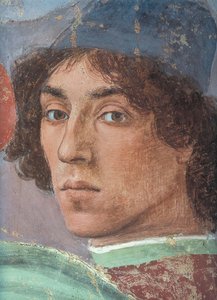
Filipinas Lipis
1457 - 1504 , Italija
Trumpa informacija apie kūrėją
- Gimimo Data: 1457 m. balandis
- Gimimo Vieta: Prato, Italija
- Menininkų Įtaka: ['Raffaellino del Garbo']
- Meninis Stilius: Aukštasis Renesansas
- Mirties Data: 1504 m. balandis
- Pilietybė: Italas
- Pilnas Vardas: Filippino Lippi
- Įtakoję Menininkai:
- Fra Filippo Lippi
- Sandro Botticelli
- Žymiausi Darbai:
- Švč. Mergelės vainikavimas
- Tobijo kelionės
- Šv. Jeronimo scena
Susiję straipsniai
Uffizi Galerijos Šedevrai: 25 Renesanso Perlai Jūsų Interjerui
Atraskite 25 įspūdingiausius Uffizi galerijos šedevrus Florencijoje! Leonardo da Vinci, Botticelli ir Mikelandželo kūriniai – meno istorija jūsų namams. Kokybiškos reprodukcijos ir interjero dekoravimo idėjos OriginalUniqueArt.com.
Nacionalinės galerijos meno perlas: 25 paveikslai, įkvėpę kartas | OriginalUniqueArt.com
Atraskite 25 Nacionalinės galerijos meno perlus! Išsami istorija apie Monet, Picasso ir kitų žymiausių dailininkų kūrinius. Įkvėpimo interjerui ir aukštos kokybės meno reprodukcijos – OriginalUniqueArt.com
Filippo Lippi: Bridging Renaissance Devotion & Artistic Innovation
Explore the life & revolutionary art of Filippo Lippi, a pivotal Renaissance painter. Discover his masterpieces, influence on Botticelli, and investment potential. Expert analysis at OriginalUniqueArt.
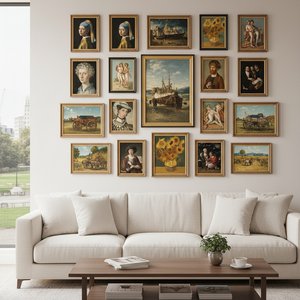
Nacionalinės galerijos perlai: 25 paveikslai, įkvėpę meno istoriją | OriginalUniqueArt.lt
Atraskite 25 Nacionalinės galerijos (Londonas) šedevrus! Išsami istorija apie Van Gogho, Moneto ir kitų genijų kūrinius. Meno reprodukcijos interjerui – įkvėpkite klasika su OriginalUniqueArt.com.

Filippino Lippi: Renaissance Innovation Bridging Faith & Humanism
Explore the captivating world of Filippino Lippi, a Renaissance master bridging faith & humanism through innovative art. Discover his key works, influences, and lasting legacy with OriginalUniqueArt.