 Perjungti į spausdinamus版作品
 Skaityti daugiau







































 Dėl meno kūrinių ar reprodukcijų, kurių bet kuri pusė yra didesnė nei 105 cm (apie 41 inch), rėmas bus siunčiamas kaip išskaidytas surinkimo rinkinys. Šis metodas užtikrina saugų pristatymą ir apsaugo nuo transportavimo metu galimos žalos.


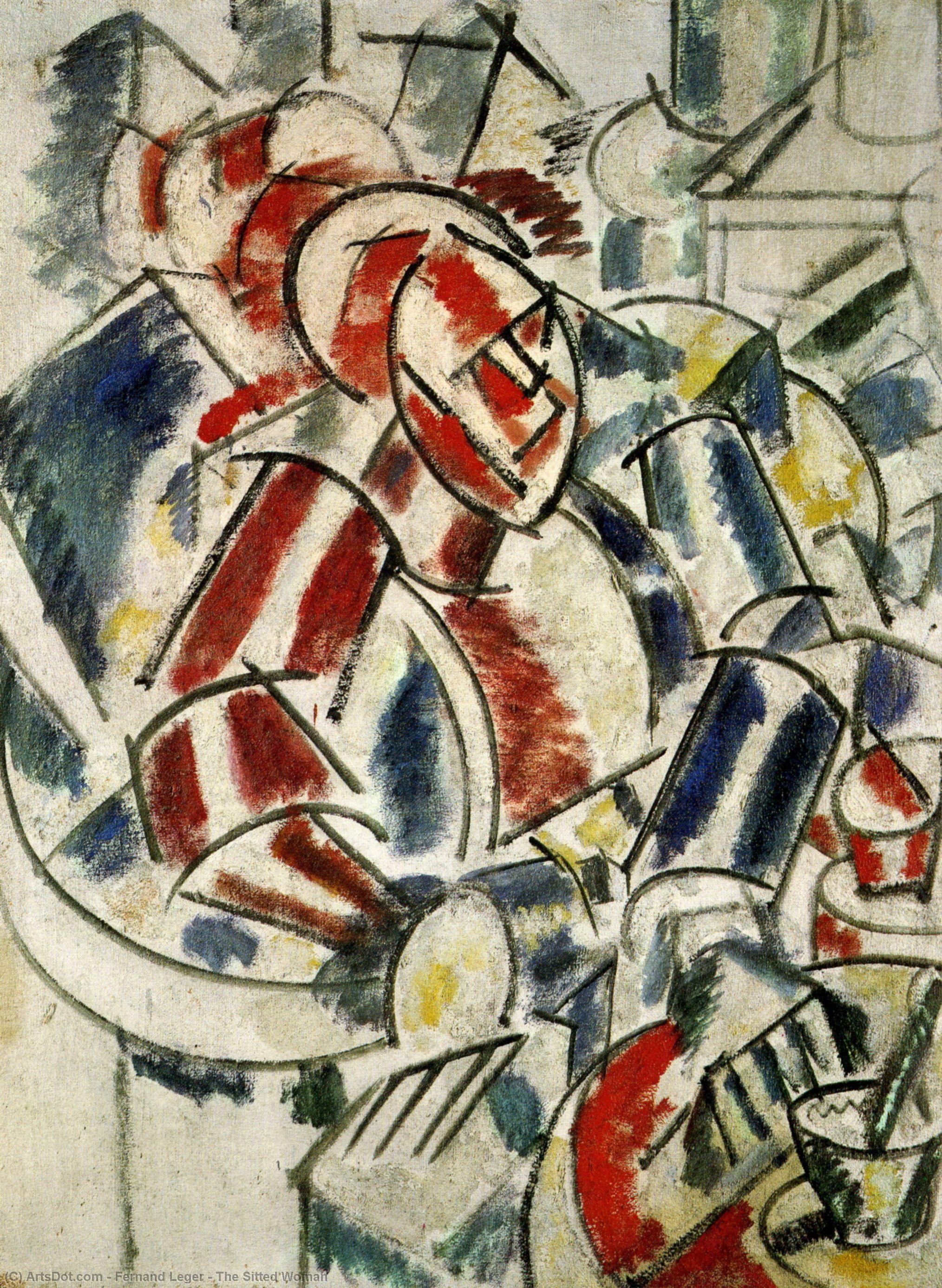
The Sitted Woman: A Pioneering Vision of Modern Form
Fernand Léger’s “The Sitted Woman,” painted in 1914, stands as a cornerstone of Tubism – Léger's distinctive artistic approach that fused Cubism and Futurism into a singular aesthetic. More than just a portrait, it embodies the spirit of an era grappling with industrialization and redefining notions of beauty through simplification and geometric abstraction.
- Artist: Fernand Léger (1881-1955) – A French painter, sculptor, and filmmaker who revolutionized artistic expression by rejecting traditional representation in favor of exploring the dynamism of the machine age.
- Year Created: 1914 – Captured during a pivotal moment in art history, coinciding with the burgeoning influence of Cubism and Futurism on European artists.
- Dimensions: 100 x 81 cm – A substantial canvas size that allows for detailed exploration of Léger’s innovative stylistic choices.
Tubism: Embracing Mechanization Through Geometric Forms
Léger's Tubism isn’t about replicating reality; it’s about distilling it down to its essential components – cylinders, cubes, and planes – mirroring the repetitive patterns of industrial production. The painting abandons naturalistic detail for bold geometric shapes rendered in vibrant hues: reds, blues, greens, and yellows. These colors aren't merely decorative; they contribute to a sense of depth and movement, guiding the viewer’s gaze across the composition.
"The Sitted Woman" exemplifies this approach perfectly. The woman herself is depicted as fragmented cylinders and planes, conveying her posture and form without resorting to conventional anatomical accuracy. Scattered cups in the background serve as visual anchors, punctuating the geometric rhythm of the artwork and subtly referencing the pervasive presence of machinery within Léger’s worldview.
Symbolism Beyond Representation
While seemingly devoid of recognizable imagery, “The Sitted Woman” carries profound symbolic weight. Léger deliberately rejected sentimental depictions of human subjects, prioritizing instead an exploration of the human figure as a vessel for conveying ideas about progress and transformation. The simplified forms represent not just physical appearance but also psychological states – resilience, stillness amidst change.
Furthermore, the repetition of geometric shapes speaks to the influence of Futurism’s obsession with speed and dynamism. Léger sought to capture the energy of the modern world, presenting it in a visually arresting manner that challenged artistic conventions.
A Legacy of Innovation
“The Sitted Woman” remains a testament to Fernand Léger's groundbreaking vision—a precursor to Pop Art’s embrace of everyday subjects and its celebration of industrial aesthetics. Its enduring appeal lies in its ability to provoke contemplation about the relationship between art and technology, beauty and function. Reproductions from OriginalUniqueArt offer an opportunity to experience this masterpiece firsthand, preserving its distinctive style and conveying its emotional impact for generations to come.
Klausimai ir atsakymai
Ar „The Sitted Woman“ – Fernandas Ležė priklauso labiausiai siekiamų Cubism Tubism kūrybos veikalų?
Cubism Tubism kryptėje kūrinys „The Sitted Woman“ pasižymi Iconic populiarumumo lygio.
Kokio Fernandas Ležė kūrybos etapo dalis yra „The Sitted Woman“?
Fernandas Ležė kūrybos enceklopedijoje kūrinys „The Sitted Woman“ priskiriamas Early Tubism laikotarpiui. Šis etapas leidžia palyginti jį su kitais šio autoriaus kūriniais.
Kas sukūrė „The Sitted Woman“ ir kada?
„The Sitted Woman“ autorius yra Fernandas Ležė, o kūrinys datuojamas 1914 m.
Daugiau informacijos apie šį paveikslą
 Peržiūrėti realaus dydžio版
 Pasidalinti
 Dalintis
 Išsamiau
 Vadovas

 Atsisiųsti
 Panašūs eksponatai
 Rentgeno spindulių nuotrauka
 Automatinė diorama
 问答
问答 Statistika





