Meniu

() ·

A painting made for you, by hand

The Baluster

Rankų darbo aliejinės reprodukcijos

Rankiniu būdu tapytas aliejus ant droblio jūsų pageidaujamame dydį ir rėmuose – tai mūsų menininkų pagal užsakymą sukurtas darbas. ( Perjungti į spausdinamus版作品 Perejti prie skaitmeninių vaizdų)

Kolekcinio objekto aprašas

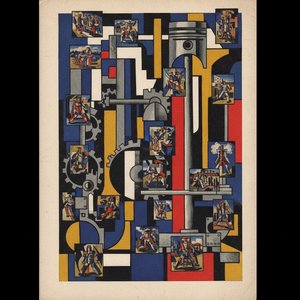
Fernand Léger's 'The Baluster' (1925) is a seminal Cubist painting featuring bold geometric forms, vibrant colors, and a dynamic composition—a masterpiece of modern art.

Autoriaus biografija

Atraskite Fernand Léger (1881–1955) – kubizmo ir „tubizmo“ pionieriaus kūrybą! Tyrinėkite drąsius paveikslus, apdainuojančius modernų gyvenimą, mašinas ir žmogaus formą – pop art pranašą.

from ·

Chapter 1

How large should it be?

Slide to change the size; the picture on the left shows the frame at its real width. The proportions of the original are kept.

Standartinis dydis
pagal užsakymą
CM
INCH

Pasirinkite iš mūsų nustatytų dydžių, atitinkančių originalaus meno kūrinio proporcijas.

plotis
aukštis

Įveskite jums reikiamą plotį ir aukštį, kad paveikslas atitiktų jūsų rėmą ar sieną. Kadangi šis darbas yra rankinio darbo, siekiant išgauti kitokios formos dydį, paveikslas gali būti šiek tiek didesnis (nuo kraštų bus palikta daugiau erdvės) arba mažesnis – pasirinkite jums patogiausią variantą. Prieš pradedant tapyti, atsiųsime jums skaitmeninį maketą patvirtinimui. Šioje puslapio nuotraukoje matomas vaizdas nėra galutinis rezultatas – jį parodys tik sukurtas maketas.

Chapter 2

How should it arrive?

Choose the edges of the stretched canvas

Choose your frame

Corner sample of the WhiteWrap canvas edge finish, stretched on solidus medžio

**Improved version:**
solidus medis bars
White €1
Corner sample of the BlurSideWrap canvas edge finish, stretched on solidus medžio

**Improved version:**
solidus medis bars
Blurside €1
Corner sample of the ExtendedWrap canvas edge finish, stretched on solidus medžio

**Improved version:**
solidus medis bars
Extended €1
Corner sample of the P118B picture frame: lieto polistirolo detalės, 5 cm wide and 3 cm thick
P118B €10
Corner sample of the P118H picture frame: lieto polistirolo detalės, 5 cm wide and 3 cm thick
P118H €10
Corner sample of the P118W picture frame: lieto polistirolo detalės, 5 cm wide and 3 cm thick
P118W €10
Corner sample of the P438Z picture frame: lieto polistirolo detalės, 5.5 cm wide and 3.5 cm thick
P438Z €10
Corner sample of the P508JH picture frame: lieto polistirolo detalės, 7 cm wide and 3.5 cm thick
P508JH €12
Corner sample of the P508YH picture frame: lieto polistirolo detalės, 7 cm wide and 3.5 cm thick
P508YH €12
Corner sample of the P805H picture frame: lieto polistirolo detalės, 5 cm wide and 3.5 cm thick
P805H €10
Corner sample of the P805Z picture frame: lieto polistirolo detalės, 5 cm wide and 3.5 cm thick
P805Z €10
Corner sample of the P919BZ picture frame: lieto polistirolo detalės, 7 cm wide and 3.5 cm thick
P919BZ €10
Corner sample of the P919G picture frame: lieto polistirolo detalės, 7 cm wide and 3.5 cm thick
P919G €10
Corner sample of the P919XJ picture frame: lieto polistirolo detalės, 7 cm wide and 3.5 cm thick
P919XJ €10
Corner sample of the P959ZH picture frame: lieto polistirolo detalės, 5 cm wide and 3 cm thick
P959ZH €10
Corner sample of the P968JZ picture frame: lieto polistirolo detalės, 6 cm wide and 4 cm thick
P968JZ €12
Corner sample of the W106C picture frame: solidus medžio

**Improved version:**
solidus medis, 5 cm wide and 3 cm thick
W106C €8
Corner sample of the W218G picture frame: solidus medžio

**Improved version:**
solidus medis, 5 cm wide and 3 cm thick
W218G €10
Corner sample of the W218JH picture frame: solidus medžio

**Improved version:**
solidus medis, 5 cm wide and 3 cm thick
W218JH €8
Corner sample of the W218Y picture frame: solidus medžio

**Improved version:**
solidus medis, 5 cm wide and 3 cm thick
W218Y €10
Corner sample of the W307PJ picture frame: solidus medžio

**Improved version:**
solidus medis, 6 cm wide and 3 cm thick
W307PJ €10
Corner sample of the W316G picture frame: solidus medžio

**Improved version:**
solidus medis, 6 cm wide and 3 cm thick
W316G €10
Corner sample of the W316PJ picture frame: solidus medžio

**Improved version:**
solidus medis, 6 cm wide and 3 cm thick
W316PJ €8
Corner sample of the W316Y picture frame: solidus medžio

**Improved version:**
solidus medis, 6 cm wide and 3 cm thick
W316Y €10
Corner sample of the W398PJ picture frame: solidus medžio

**Improved version:**
solidus medis, 5 cm wide and 3 cm thick
W398PJ €8
Corner sample of the W4111J picture frame: solidus medžio

**Improved version:**
solidus medis, 6.5 cm wide and 3.5 cm thick
W4111J €10
Corner sample of the W500HY picture frame: solidus medžio

**Improved version:**
solidus medis, 7 cm wide and 5 cm thick
W500HY €15
Corner sample of the W500JH picture frame: solidus medžio

**Improved version:**
solidus medis, 7 cm wide and 5 cm thick
W500JH €15
Corner sample of the W692G picture frame: solidus medžio

**Improved version:**
solidus medis, 8 cm wide and 4 cm thick
W692G €12
Corner sample of the W849H picture frame: solidus medžio

**Improved version:**
solidus medis, 5 cm wide and 3 cm thick
W849H €8
Corner sample of the W940BG picture frame: solidus medžio

**Improved version:**
solidus medis, 7.5 cm wide and 4.5 cm thick
W940BG €15
Corner sample of the W953PJ picture frame: solidus medžio

**Improved version:**
solidus medis, 6 cm wide and 3.5 cm thick
W953PJ €8
Corner sample of the H24-GOLD picture frame: medžio skulptūra su gipso sluosniu, 10 cm wide and 6 cm thick
H24-GOLD €30
Corner sample of the H24-SILVER picture frame: medžio skulptūra su gipso sluosniu, 10 cm wide and 6 cm thick
H24-SILVER €30
Corner sample of the H36-GOLD picture frame: medžio skulptūra su gipso sluosniu, 15 cm wide and 6.5 cm thick
H36-GOLD €45
Corner sample of the H36-SILVER picture frame: medžio skulptūra su gipso sluosniu, 15 cm wide and 6.5 cm thick
H36-SILVER €45
Rėmo peržiūra
Įrėmintas

Moulding: . Overall size with the frame: .

Chapter 3

Who paints it, and should anything change?

Examples of what can be changed: Replace face with customer photo; Add pet (e.g., replace cat with dog); Include hidden message in background; Change background landscape or elements.
After order, OriginalUniqueArt.com team will email client for instructions and provide a mockup preview

Pristatymas visame pasaulyje () per 3–4 savaites, o ne įprastai – per 5 savaites. (29 spalis). Kokybė lieka nepakeičiama.

Chapter 4

The finishing touches

A nameplate, as in a museum?

Išgraviruotos bronzinės plokštelės detalės

This elegant plaque features the artist's name and the title of the artwork, finely engraved for a timeless presentation.

It is made from bronze with a refined, elegant finish. The text is precisely laser-engraved for a sharp and permanent result. Measuring 9x2 cm, the plaque is compact yet easy to read. It's built to be durable and scratch-resistant, offering a professional, museum-quality look. Mounting is simple thanks to the included adhesive backing.

Skaidrios akrilo plokštelės informacija

The plaque includes essential engraved details such as the artist's name, the title of the artwork, the date it was created, the type of media used-like oil on canvas or watercolor-a brief description of the piece, and a QR code that links to the complete artwork information.

It is crafted from clear acrylic, offering a sleek, modern appearance. The text is UV-engraved in black to ensure strong visual contrast. With a size of 10x15 cm, it ensures optimal readability. It comes equipped with two metal hooks for secure wall mounting. The plaque is designed to be weather-resistant, making it suitable for various environments, and it includes interactive features that work seamlessly with smartphone scanning.

Juodos akrilo plokštelės informacija

This elegant plaque includes engraved information such as the artist's name, the title of the artwork, the date it was created, the type of media used (like oil on canvas or watercolor), a short description of the artwork, and a QR code for quick access to more information.

The plaque itself is made from refined black acrylic with a premium finish. The text is laser-engraved in white for high contrast and readability. Its size is 10x15 cm, designed to be easy to read. It comes with two metal hooks for professional mounting. The design is sleek and fits any interior style. It is also weather-resistant and durable, with built-in digital integration for mobile compatibility.

A protective varnish?

When do you need it?

Chapter 5

Your painting, as you ordered it

The Baluster

Reprodukcijos technika

Reprodukcijos matmenys

-

Aukščiausios klasės meistras

Daugiau detalių, meistriškumo ir papildomo gamybos laiko

-

Reprodukcijos rėmėjimo parinktys

-

-

Dėl meno kūrinių ar reprodukcijų, kurių bet kuri pusė yra didesnė nei 105 cm (apie 41 inch), rėmas bus siunčiamas kaip išskaidytas surinkimo rinkinys. Šis metodas užtikrina saugų pristatymą ir apsaugo nuo transportavimo metu galimos žalos.

Reikalingas profesionalus surinkimas – tai nėra „pasidaryk pats“ (DIY) produktas.
Rinkinys turi būti surinktas, o drobė išplėsta naudojant patyrį profesionalų rėmininką, medžio klijus (nėra įtraukti į rinkinį), drobės plėšimo kleslę bei presas, kad rėmo rėžiai išliktų tiesūs, kol klijai išdžiūvus. Netinkamas surinkimas arba netolydus drobės įtampa gali negrįžtamai sugadinti meno kūrinį, todėl šie atvejai nėra užtraukiami mūsų garantijos.

  • Į komplektą įeina visi vientisos medienos elementai, tiksliai išpjauti pagal dydį.

  • Surmontinama naudojant pridėtus varžtus bei papildomai reikalingą medžio kliją kampų jungtims, kuris nėra pridėtas ir turi būti parinktas rėmininkui.

  • Reikalingi profesionalūs įrankiai, kurie nėra įtraukti į rinkinį: drobės kėlimo plytelės (stiprintuvai) ir klemiai, laikantys rėmo strygius tiesiu kampu, kol džiūsta lipas.

Svarbu:
Kampų jungtims reikalingi medžio klijai, barams reikia laikyti naudojant presas, kol klijai visiškai išdžiūvės, o surinktam rėmui įtempiamai privilgti būtinos drobės įtempimo plytযুক্ত. Šios priemonės į rinkinį neįtrauktos. Prieš užsakydami šio dydžio rinkinį, rekomenduojame pasimalkoti patyrusiu rėmų meistru.

Pavadinimo lentelė

-

-

Apsauginis lakas

Blizgus lakas (ryškina spalvas, saugo nuo šviesos ir drėgmės)

-

Personalizuoti kūrinį

Ką galima pakeisti (pavyzdžiui): pakeisti veidą klientui skirta nuotrauka; pridėti augintinį (pvz., katę pakeisti šuniu); įtraukti paslėptą žinutę fone; pakeisti fono kraštovaizdį ar elementus.

-

Skubiai

Pristatymas visame pasaulyje () per 3–4 savaites, o ne įprastai – per 5 savaites. (29 spalis). Kokybė lieka nepakeičiama.

-

Skubus pristatymas

Pristatymas visame pasaulyje () per 5 weeks. (5 lapkritis).

Įskaičiuota

Bendroji kaina

€ 265

Visos kainos suma € 265

Stiklo variantas prieinamas tik pasirinkus dydį iki 110 cm

Included with every order

  • Nemokamas greitasis pristatymas visame pasaulyje
  • Aukštos kokybės lininis drobė
  • Pilnas siuntimo draudimas
  • Muitinės mokesčių grąžinimo garantija
  • Tikro spalvų atitikimo garantija
  • 100 dienų grąžinimo politika (tik esant įtaigoms)
  • 100% pinigų grąžinimo garantija
  • Nuolaida dideliems užsakymams

Fernand Léger’s “The Baluster”: A Mechanical Dance of Form and Color

Fernand Léger's "The Baluster," painted in 1925, isn’t merely a depiction of an architectural element; it’s a vibrant manifesto of Cubism’s embrace of the modern world. This oil on canvas, currently residing within the esteemed collection of the Museum of Modern Art (MoMA) in New York City, pulsates with a dynamic energy born from the artist's unique synthesis of geometric abstraction and a fascination with industrial forms. Léger, a pivotal figure in the early 20th century’s artistic revolution, sought to translate the rhythms of the machine age – its angularity, its repetitive patterns, its sense of relentless motion – into a visual language that was both intellectually stimulating and emotionally resonant.

The painting immediately commands attention with its bold palette. A dominant blue background provides a striking contrast to the fiery reds, yellows, and oranges that dominate the central composition. This interplay of cool and warm tones isn’t simply decorative; it establishes a visual tension, mirroring the inherent dynamism within the artwork itself. Léger masterfully employs simplified geometric shapes – interlocking circles, rectangles, and stylized cylinders – to construct the balustrade, the very subject of the piece. These forms aren't rendered with meticulous detail but rather are presented in a deliberately abstracted manner, emphasizing their essential qualities over realistic representation.

The Roots of Cubism: Fragmentation and Multiple Perspectives

“The Baluster” firmly situates itself within the broader context of Cubism, a movement pioneered by Pablo Picasso and Georges Braque. Unlike earlier representational art that prioritized illusionistic depth and perspective, Cubism sought to dismantle traditional notions of space and representation. Léger’s approach, often referred to as “Tubism,” further developed this concept by reducing objects to their fundamental geometric components – cylinders, cones, and spheres – and presenting them from multiple viewpoints simultaneously. This fragmentation creates a sense of disorientation and invites the viewer to actively engage with the artwork, piecing together its meaning through observation.

The influence of Futurism is also palpable in Léger’s work. Like the Italian Futurist movement, which celebrated speed, technology, and dynamism, Léger sought to capture the essence of modern life – particularly the impact of industrialization on human experience. The painting's angular forms and sense of movement evoke the imagery of factories, trains, and other symbols of the machine age. However, unlike the often-aggressive aesthetic of Futurism, Léger’s approach is more restrained and contemplative, suggesting a nuanced understanding of both the promise and the potential anxieties associated with modernity.

Decoding the Symbolism: The Balustrade as Focal Point

The title itself – “The Baluster” – immediately draws our attention to the central element of the composition. Léger doesn’t simply depict a balustrade; he elevates it to a symbolic representation of stability, structure, and order within an increasingly chaotic world. The balustrade, traditionally associated with safety and protection, becomes a visual anchor amidst the swirling forms and vibrant colors. It represents a point of reference, a grounding element that provides a sense of equilibrium in the midst of dynamic energy.

Interestingly, Léger’s choice to depict a balustrade – a relatively mundane architectural feature – is itself significant. By focusing on an everyday object, he invites us to reconsider our perceptions of beauty and value. The painting suggests that even the most ordinary elements of our environment can be transformed into works of art through careful observation and creative interpretation.

A Legacy of Modernism: Léger’s Enduring Influence

“The Baluster” stands as a testament to Fernand Léger's innovative spirit and his profound impact on the development of modern art. His bold use of color, simplified forms, and exploration of industrial themes paved the way for subsequent generations of artists, including Pop Art pioneers like Andy Warhol. The painting’s enduring appeal lies in its ability to capture the energy and dynamism of the 20th century while simultaneously inviting viewers to contemplate the fundamental questions about perception, representation, and the relationship between art and life.

Reproductions of “The Baluster” continue to be highly sought after by collectors and interior designers alike. Its vibrant colors and dynamic composition make it a striking addition to any space, while its historical significance offers a glimpse into the artistic currents that shaped the modern world. A piece like this speaks volumes about the artist's vision and his place in art history.

Klausimai ir atsakymai

Kuriame namų kambaryje gerai tiktų „The Baluster“ reprodukcija?

Rekomenduojama erdvė kūriniui „The Baluster“ – Fernanas Ležė yra Living Room. Šią rekomendaciją, žinoma, galima pritaikyti prie jūsų interjero.

Kokią emociją perteikia „The Baluster“ – Fernanas Ležė?

„The Baluster“ siejama su Energetic jausmu. Emocinis tonas aprašo įspūdį, kurį sukelia kūrinys.

Kaip galiu įsigyti „The Baluster“ – Fernanas Ležė skaitmeninį vaizdą?

„The Baluster“ galima įsigyti kaip aukštos raiškos skaitmeninio vaizdo atsisiuntimas, tiesiogiai savo Skaitmeninis vaizdas puslapio.

More about this painting

Peržiūrėti realaus dydžio版 Peržiūrėti AR realybėje Perjungti į spausdinamus版作品 Perejti prie skaitmeninių vaizdų Pasidalinti
Išsamiau Vadovas Pridėti į mėgstamiausius Atsisiųsti Panašūs eksponatai Rentgeno spindulių nuotrauka Automatinė diorama Q&A Statistika

In numbers

  • 1925the year it was painted
  • 29frames to choose from
  • standard sizes, in its own proportions
  • 5weeks to paint and deliver it
Fernanas Ležė

Fernanas Ležė

1881 - 1955, Prancūzija

Quick facts about Fernanas Ležė

  • Gimimo Data: 1881 m. vasario 4 d.
  • Gimimo Vieta: Argentan, Prancūzija
  • Meninis Stilius: Kubizmas, Tubizmas
  • Mirties Data: 1955 m. rugpjūčio 17 d.
  • Pilnas Vardas: Fernand Léger
  • Poveikį Darė: ['Paul Cézanne']
  • Tautybė: Prancūzas
  • Įtaką Patyrė: ['Pop Art']
  • Žymūs Kūriniai:
    • Trys moterys
    • Didžioji paradas

Autoriaus biografija

Fernand Léger: Mašinos Amžius Ant Drobelės

Josefas Fernanas Anri Ležė, gimęs 1881 m. vasario 4 d. nuošaliame Argentano miestelyje Normandijoje, Prancūzijoje, buvo menininkas, kurio kūryba atspindi ir apibūdina modernumo erą – mechanizacijos, industrializacijos ir naujų technologijų triumfo laikotarpį. Jo kelionė nuo kaimo vaikystės iki Paryžiaus avangardo sūnaus yra įkvepiantis pasakojimas apie meninę viziją ir neprilygstančią norą užfiksuoti šiuolaikinio pasaulio esmę. Skirtingai nuo daugelio savo to laikmečio kolegų, kurie abstrakciją suprato kaip pabėgimą nuo realybės, Ležė siekė integruoti modernumą – jo dinamiką, mechaninius motyvus ir pačią širdį – į naują vizualinę kalbą, kuri būtų kartu stipriai abstrakti ir giliai įsišakniusi pastebimame pasaulyje. Jo ankstyvieji metai, praleisti dirbant ūkininkų darbus, suteikė jam tvirtą pagrindą, kontrastuodami su industrializuota ateitimi, kurią jis taip aistringai vaizdavo. Ležės ankstyvoji karjera buvo pažymėta tradiciniu akademiniu lavinimu, tačiau tik susidūrus su Paulio Sezano darbais prasidėjo tikras transformacijos procesas. Sezanas išlaisvino Ležę nuo įprastos reprezentacijos ir paskatino jį labiau geometriniu ir struktūriniu požiūriu. Jis pradėjo demontuoti formas, analizuodamas jų vidinę struktūrą ir vėliau jas atstatydamas ant drobės su nauja dėmesio tvirtumui ir tūriui. Šis tyrimas greitai įtraukė jį į kubizmo orbitą, tačiau Ležė nenusprendė tiesiog kopijuoti Pikaso ar Brako stilių. Jis sukūrė savo unikalų stiliumi – asmeninę kubizmo formą, kurią kritikai juokais pavadino „tubizmu“. Pasižymintis cilindrinėmis formomis, plokščiais paviršiais ir ryškiais spalvų kontrastais, tubizmas šventė mechanikos estetiką dar prieš tai tapus plačiai paplitusia menine tendencija. Tai buvo meno kūrimas, įkvėptas besivystančio pramoninio pasaulio, atrandantis grožį jo funkcinėse formose ir mechaniniuose ritmuose. Šis laikotarpis parodė Ležės aktyvų dalyvavimą avangardinėje scenoje, susijungiant su tokiais menininkais kaip Žanas Metzingeris, Enri Le Fokonjė, Fransua Pikabija ir Marcelis Diušanas Puteaux grupėje, žinomą kaip Aukso skyrius. Grupė tyrė matematikos harmonijos ir proporcijų principus, siekdama įkvėpti savo menui tvarkos ir racionalumo jausmą.

Pasaulinis Karas, Mechanizmas ir Nauja Estetika

Pasaulio Pirmojo karo protrūkis giliai paveikė Ležės gyvenimą ir kūrybą. Tarnybos fronte nuo 1914 iki 1916 metų atvėrė jam brutalios modernaus karo realybės – artilerijos apšaudų, oro mūšių ir mechanizuoto konflikto dezumanizavimo – akis. Ši patirtis nevedė prie nusivylimo ar atsisakymo nuo modernumo; priešingai, ji sustiprino jo susidomėjimą mašinomis ir jų galia. Egzaminai, sukaupti tarnybos metu, dokumentavo šiuolaikinės technologijos lakonišką grožį, paversdami sunaikinimo prietaisus meninės kontempliacijos objektais. Grįžęs į civilinę gyvybę, Ležės estetika patyrė dar vieną evoliuciją. Jo paveikslai pradėjo atspindėti srautines mechanines nuotaikas, švenčiant pramoninio pasaulio dinamiką ir efektyvumą. *Karas su rūku* (1916) puikiai iliustruoja šį poslinkį, parodydamas supaprastintas formas ir ryškias spalvas, kurios sukelia mechaninės tikslumo jausmą. Tai nebuvo tiesiog estetinio pasirinkimo klausimas; tai buvo filosofinis pareiškimas – patvirtinimas modernumo potencialo progresui ir atsinaujinimui net po žiaurios konfrontacijos.

Palikimas ir Pastovi Poveikis

Vėlesniais metais Ležė toliau tyrė meno ir pramonės sankirtą, sukūręs darbus, kurie šventė modernų gyvenimą su unikalus abstrakcijos ir figūratyvumo derinimu. Jo *Animuoti kraštovaizdyčiai* (1921) serijoje figūrėlės ir gyvūnai sklandžiai integruojami į srautines kompozicijas, sutepdamos ribas tarp organinių ir neorganinių formų. Jis taip pat eksperimentavo su skulptūra ir kino kūrimu, išplėsdamas savo meninę praktiką už tradicinio tapymo ribų. Ležės poveikis paskesnėms kartoms menininkų yra neatsiejamas. Jo ryški formų supaprastinimas, pramoninių vaizdų priėmimas ir populiariosios kultūros šventimas anksčiau nei kiti numatė Pop Art atsiradimą dešimtmečius vėliau. Tokie menininkai kaip Roy Lichtenstein ir Andy Warhol aiškiai skolingis Ležės pionieriškam darbui. Jis užpildė tarpą tarp abstraktaus meno ir figūratyvios reprezentacijos, parodydamas, kad galima sukurti darbus, kurie yra tiek intelektualiai griežti, tiek vizualiai patrauklūs. Šiandien Ležės paveikslai saugomi didžiausiuose muziejuose visame pasaulyje, įskaitant Musée d'Art et d'Histoire Prancūzijoje ir Musée National Fernand Léger, skirtą tik jo darbams. Jis išlieka 20-ojo amžiaus meno titanu – vizionieriumi, kuris drįso rasti grožį mašinos amžiuje ir perkelti jo energiją ant drobės nepriekaištingu ryžtu ir originalumu. Jo palikimas yra ne tik kaip tapytojo, bet ir modernumo pranašo. Tiesą sakant, pionierius, kurio darbai iki šiol sužadina auditoriją visame pasaulyje.

Trumpa informacija

  • Title: The Baluster
  • Movement: Cubism
  • Influences:
    • Picasso
    • Braque
  • Artistic style: Abstract, Mechanistic
  • Artist: Fernand Léger
  • Dimensions: 51 x 38 1/4"

Karo viktorina

Kiekviename klausime yra tik vienas teisingas atsakymas.

Klausimas 1:
What artistic movement is most closely associated with Fernand Léger’s ‘The Baluster’?
Klausimas 2:
In ‘The Baluster’, what is the primary color of the background?
Klausimas 3:
Which of the following best describes Fernand Léger’s approach to Cubism?
Klausimas 4:
The title ‘The Baluster’ refers specifically to:
Klausimas 5:
Fernand Léger was born in which city?