 Perjungti į spausdinamus版作品
 Skaityti daugiau







































 Dėl meno kūrinių ar reprodukcijų, kurių bet kuri pusė yra didesnė nei 105 cm (apie 41 inch), rėmas bus siunčiamas kaip išskaidytas surinkimo rinkinys. Šis metodas užtikrina saugų pristatymą ir apsaugo nuo transportavimo metu galimos žalos.


Fernand Léger’s “Walking Flower”: A Symphony of Color and Form Against Industrial Backdrop
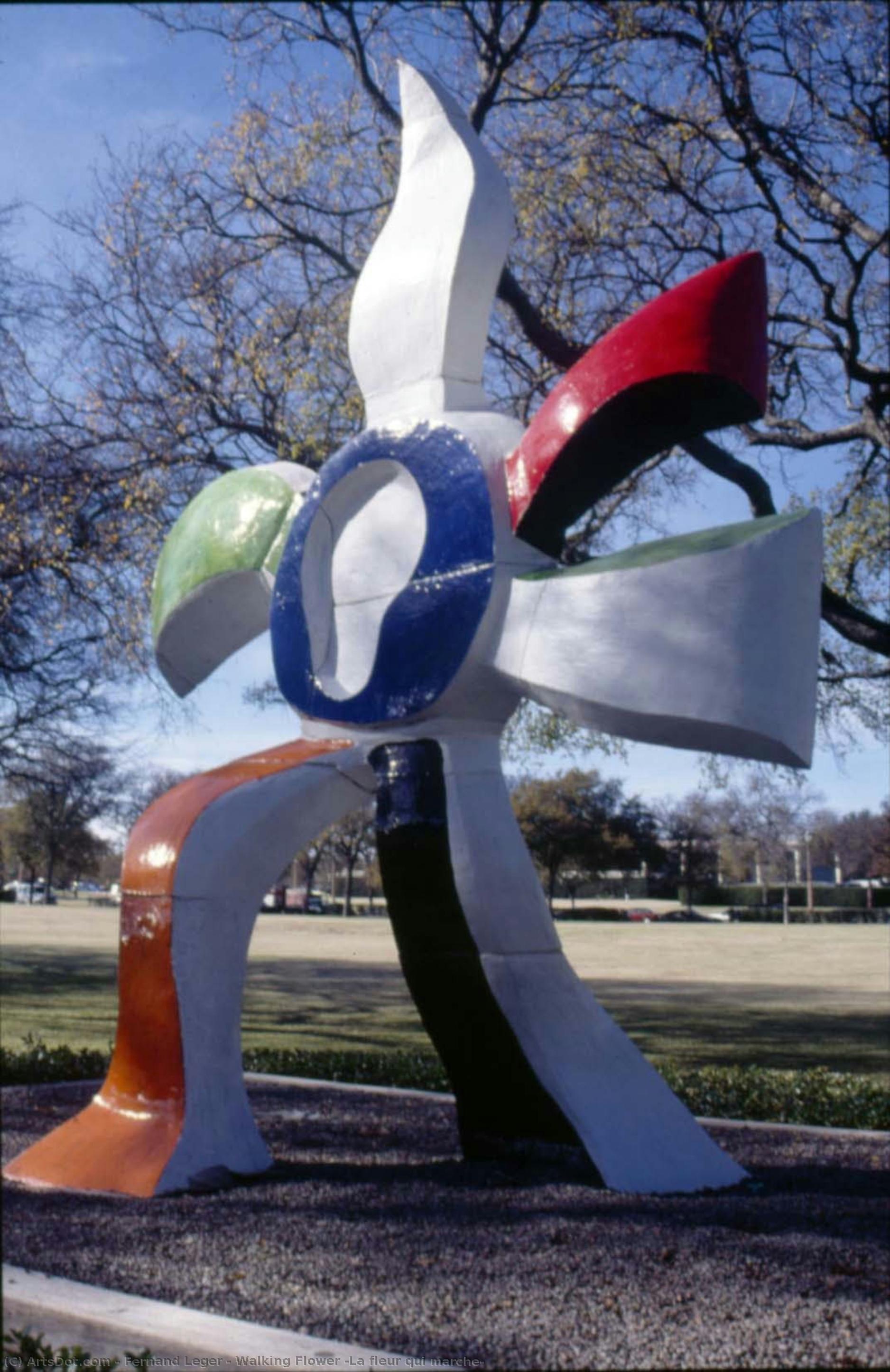
The ceramic sculpture "Walking Flower (La fleur qui marche)" by Fernand Léger, completed in 1952, stands as a remarkable testament to the artist's enduring fascination with reconciling nature’s beauty with the burgeoning influence of industrial modernity. More than just an aesthetically pleasing object—though undeniably striking—it embodies Léger’s philosophical quest to capture the dynamism and spirit of his time, transforming organic forms into expressions of technological progress. This piece exemplifies Léger’s signature style: a bold departure from purely abstract explorations that nonetheless retains a palpable connection to the natural world.- Subject Matter & Style: Léger deliberately juxtaposes the delicate curve of a flower—a symbol of resilience and rebirth—with the angularity of industrial machinery, represented subtly in the sculpture’s base and surrounding environment. This duality isn't merely decorative; it reflects Léger’s belief that art could illuminate the complexities of the 20th century without abandoning its fundamental appreciation for organic life.
- Technique: Crafted from ceramic material, the sculpture utilizes a technique rooted in Léger’s earlier experimentation with low-relief murals and later embraced fully rounded sculptural forms. The artist employed a masterful blend of color and texture—primarily vibrant hues of red, green, yellow, and blue—applied to one face of the sculpture while maintaining a monochrome palette on the other. This dual approach underscores Léger's desire to convey both visual richness and conceptual depth.
Historical Context: Embracing Modernity Amidst Wartime Uncertainty
Created in 1952, “Walking Flower” emerged from a period of significant artistic upheaval following World War II. Léger’s return to France coincided with an expanding interest in public art and new mediums—mosaic, textiles, and stained glass—reflecting the broader cultural optimism of the postwar era. However, Léger's work also carries echoes of the anxieties surrounding the Cold War and the pervasive influence of industrialization on daily life. The sculpture serves as a visual counterpoint to these concerns, asserting the enduring power of natural beauty and symbolizing hope for a harmonious coexistence between humanity and technology.Symbolism & Emotional Impact: Humor, Joyfulness, and the Spirit of Play
Léger’s artistic vision extended beyond mere representation; he sought to infuse his sculptures with emotion. The “Walking Flower” embodies Léger's characteristic playful spirit—a deliberate rejection of solemn seriousness—expressed through its bold colors and simplified forms. Critics have noted that Léger aimed to evoke feelings of joyfulness and humor, mirroring the optimism prevalent in post-war France. He believed art should inspire contemplation and delight, reminding viewers of the fundamental beauty inherent in the natural world.Conclusion: A Legacy of Innovation
“Walking Flower” remains a captivating example of Léger’s artistic legacy—a fusion of abstraction and organic form that continues to resonate with audiences today. Its striking visual impact, coupled with its profound philosophical underpinning, cements Léger's place as one of the most influential artists of his generation. Reproductions of this masterpiece offer an opportunity to appreciate not only Léger’s technical prowess but also his enduring belief in art’s capacity to illuminate the human spirit and celebrate the wonders of both nature and progress.Klausimai ir atsakymai
Kaip medžiaga ir judėjimas susilieja darbe „Esianti gėlė (La fleur qui marche)“?
„Esianti gėlė (La fleur qui marche)“ – Fernanas Ležė sujungia Keramika techniką su Kubizmas stiliumi. Technika ir stilius apibūdina kūrinio gamybos būdą bei jo estetinį iš Ausdrucką.
Kokia yra „Esianti gėlė (La fleur qui marche)“ istorinė padėtis?
„Esianti gėlė (La fleur qui marche)“ – Fernanas Ležė priklauso Kubizmas stiliui, Modernizmas laikotarpiui. Kartu jie suteikia šiam kūriniui vietą meno istorijoje.
Kokio Fernanas Ležė kūrybos etapo dalis yra „Esianti gėlė (La fleur qui marche)“?
Fernanas Ležė kūrybos enceklopedijoje kūrinys „Esianti gėlė (La fleur qui marche)“ priskiriamas Vėlyvasis laikotarpis laikotarpiui. Šis etapas leidžia palyginti jį su kitais šio autoriaus kūriniais.
 Pasidalinti
 Dalintis
 Išsamiau
 Vadovas

 Atsisiųsti
 Panašūs eksponatai
 Automatinė diorama
 Q&A
Q&A Statistika








