
 Peržiūrėti realaus dydžio版
 Siųsti
 Dalintis
 Išsamiau
 Vadovas

 Atsisiųsti
 Panašūs eksponatai
 Rentgeno spindulių nuotrauka
 Diaporama
 Statistika
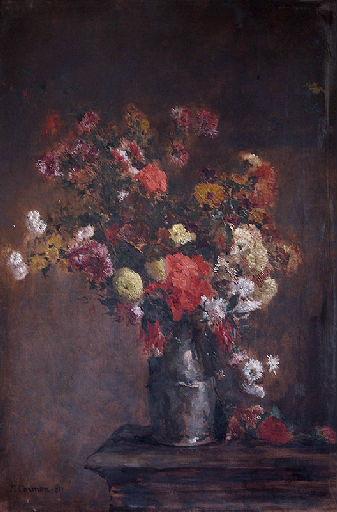
Fleurs

 Rodyti daugiau
Įsigykite aukštos skiriamosios raiškos, patobulintą skaitmeninį vaizdą, gerokai pranašesnį už internetinę peržiūrą.
Kiekvieną failą mūsų specialistai kruopščiai paruošia naudojant pažangias technologijas ir profesionalų rankinį retušavimą. Užtikriname, kad kiekvienas vaizdas pasižymėtų išskirtiniu aiškumu, tikslia spalvų atspalviu ir smulkiomis detalėmis.
Baigiamas failas el. paštu pristatomas per 72 valandas; jis optimizuotas nedelsiant naudojimui profesionalioje, redakcinėje ir spausdinimo aplinkoje. Tai ta pati kokybė, kuria pasitiki aukščiausios klasės dizaino studijos, leidyklos ir galerijos.
Skaitmeninis vaizdas
Atsisiųskite didelės raiškos failą asmeniniam naudojimui, spausdinimui ir kūrybiniams projektams. ( Perjungti į spausdinimą Pirkti rankomis tapytą reprodukciją)
Kiekvieną skaitinio vaizdo užsakymą papildė
Profesionalus skaitmeninis vaizdų pristatymas, garantuotas
Pasirinkę OriginalUniqueArt.com, jūs ne tik gaunate paveikslėlį – jūs gaunate profesionaliai patobudintą skaitmeninį kūrinį, sukurtą itin tikniai ir užtikrinantį pasitenkinimą. Štai viską, kas automatiškai pritékia jūsų užsakymui:

Greitas nuotraukų gavimas el. paštu
Jūsų aukštos raiškos skaitmeninis vaizdo failas bus išsiųstas el. paštu per 72 valandas nuo užsakymo – jis bus paruoštas naudoti be jokių papildomų veiksmų.

Skaitmeninis failas su dirbtiniu intelektu
Jūsų meno kūrinys profesionaliai optimizuojamas naudojant pažangius dirbtinio intelekto įrankius ir rankinį redagavimą, užtikrinant maksimalią detalę, aiškumą ir spalvų tikslumą.

Nemokamas visam laikui pakartotinis siuntimas
Atsitiktinai ištrytikote ar praradote savo failą? Nebijokite – bet kuriuo metu atsiųsime jį jums vėl nemokamai.

Jokio importo mokesčio – niekada
Mėgaukitės savo meno kūriniu akimirka – skaitiniai failai visada yra neapmokestinami, todėl nereikės mokėti muitinės, mokesčių ar pristatymo mokesčių.

Spalvų tikslumo garantija
Naudodami profesionalią įrangą ir spalvų valdymo sistemas, užtikriname, kad jūsų skaitmeninis vaizdas kuo tiksliau atspindėtų originalias spalvas.

100 dienų patikimumo garantija
Jei nebuvosite patenkinti įsigyto skaitmeninio vaizdo, mes jį tališkai koreguosime arba grąžinsime 100% sumą per 100 dienų – be jokių klausimų.

100% pinigų grąžinimo garantija
Nesitenkinate? Gaukite visą sumokėtą sumą per 100 dienų nuo skaitmeninio failo gavimo – be jokių papildomų klausimų.

Nuolaidos dideliems užsakymams
Pirkti 3 nuotraukas – 10% nuolaida – Pirkti 5 – 15% nuolaida – Pirkti 10 ir daugiau – 20% nuolaida. Puikiai tinka kūrybiniams projektams, galerijoms bei agentūroms.
Autoriaus biografija
Fernand Cormon: A Painter of Myth, History, and the Human Spirit
Fernand Cormon (1845-1924) wasn’t merely a painter; he was a chronicler of humanity's journey through time, a master of dramatic storytelling rendered in rich color and evocative detail. Born into an artistic milieu – his father, Eugène Cormon, was a celebrated playwright, and his mother, Charlotte Furais, a renowned actress – Fernand inherited a deep appreciation for performance and narrative. This theatrical sensibility profoundly shaped his approach to art, imbuing his historical scenes with a palpable sense of drama and immediacy. His early training at the studios of Alexandre Cabanel, Eugène Fromentin, and Jean-François Portaels provided him with a solid foundation in academic technique, but it was Cormon’s own distinctive vision that ultimately defined his legacy.
Cormon's artistic trajectory began with a fascination for the sensational. Early works like “Murder in the Seraglio” (1868) and “The Death of Ravana” (1875), depicting scenes of violence and bloodshed, garnered attention – some critical acclaim, but also controversy for their graphic realism. These pieces established his reputation as an artist unafraid to confront difficult subjects, a characteristic that would continue to inform his work throughout his career. However, Cormon’s artistic interests soon broadened beyond mere spectacle. He demonstrated a keen interest in mythology and the grand narratives of history, seeking to capture not just events but also the emotions and human dramas inherent within them.
The Salon Years and Artistic Development
Cormon's rise to prominence was inextricably linked to the prestigious Paris Salon, the dominant art exhibition of its time. He consistently exhibited at the Salon from 1863 onwards, gaining recognition for his powerful compositions and masterful brushwork. The Salon’s emphasis on historical painting provided Cormon with a vital platform to showcase his abilities and establish himself as one of France's leading historical artists. His early successes – medals in 1870 and 1873 – solidified his position within the artistic establishment.
A pivotal moment in Cormon’s career arrived with the commission for “Cain Fleeing Before Jehovah’s Curse” (1880), a monumental work that cemented his reputation for dramatic intensity. This painting, depicting the biblical story of Cain and Abel, demonstrated Cormon's ability to convey profound emotion through gesture, color, and composition. The sheer scale and emotional power of “Cain” established him as a major force in French art. He continued to explore themes of mythology and history, producing iconic works such as "A Forge" (1894) and "Anticipation," each imbued with his characteristic dramatic flair.
Beyond the Salon: Portraits and Institutional Commissions
While Cormon remained a committed participant in the Salon system, he also expanded his artistic practice beyond traditional historical painting. He became increasingly sought after as a portraitist, capturing the likenesses of prominent figures from Parisian society. His portraits were notable for their psychological depth and ability to reveal the inner lives of his subjects. He was particularly known for his evocative depictions of women.
A significant commission during this period came from the Musée de l'Homme (now part of the Natural History Museum), where he created a series of panels illustrating key stages of human development – birth, death, marriage, war, and peace. These grisaille murals, executed with remarkable skill and detail, offered a visual narrative of humanity’s journey through time and demonstrated Cormon’s versatility as an artist. His work on the museum's prehistoric collections, particularly his depictions of Stone Age life, showcased his commitment to exploring themes of human origins and evolution.
Legacy and Influence
Fernand Cormon’s career spanned several decades, witnessing significant shifts in the art world. Despite experiencing a period of relative obscurity after World War I, he remained a respected figure within the artistic community. His influence can be seen in the work of numerous artists who studied at his atelier, including Henri de Toulouse-Lautrec, Louis Anquetin, and Vincent van Gogh (who visited Cormon’s studio in 1888). Cormon's emphasis on dramatic storytelling, expressive brushwork, and a deep engagement with historical and mythological themes left an enduring mark on French painting.
His untimely death in 1924 – struck down by a taxi outside his studio – cut short a remarkable career. Today, Cormon’s paintings are housed in major museums across France and beyond, testament to the lasting power of his artistic vision. He remains a compelling figure in French art history, celebrated for his ability to capture the drama, emotion, and enduring spirit of humanity.

fernand-anne piestre dit cormon
1845 - 1924
Pagrindinė informacija
- Artistic Movement Or Style: Historical painting
- Artists Or Movements Influenced By This Artist:
- Van Gogh
- Lautrec
- Artists Who Influenced This Artist:
- Cabanel
- Fromentin
- Portaels
- Date Of Birth: 1845
- Date Of Death: 1924
- Full Name: Fernand-Anne Piestre dit Cormon
- Nationality: French
- Notable Artworks:
- Murder in Sereglio
- Death of Ravana
- Cain fleeing Jehovah
- Place Of Birth: Paris, France