

 Peržiūrėti realaus dydžio版
 Siųsti
 Dalintis
 Išsamiau
 Vadovas

 Atsisiųsti
 Panašūs eksponatai
 Rentgeno spindulių nuotrauka
 Diaporama
 Statistika
The Seine at Charenton


 Rodyti daugiau
Giclée / Meno spausdinimas
Muziejų lygio „giclée“ arba drobos spausdinimas: greita gamyba ir lankstios apdailos parinktys. ( Pirkti rankomis tapytą reprodukciją Perejti prie skaitmeninių vaizdų)




P118B €10

P118H €10

P118W €10

P438Z €10

P508JH €12

P508YH €12

P805H €10

P805Z €10

P919BZ €10

P919G €10

P919XJ €10

P959ZH €10

P968JZ €12

W106C €8

W218G €10

W218JH €8

W218Y €10

W307PJ €10

W316G €10

W316PJ €8

W316Y €10

W398PJ €8

W4111J €10

W500HY €15

W500JH €15

W692G €12

W849H €8

W940BG €15

W953PJ €8




Pasirinkite iš mūsų nustatytų dydžių, atitinkančių originalaus meno kūrinio proporcijas.

Įveskite jums reikiamą plotį ir aukštį, kad atvaizdas derėtų prie jūsų rėmo ar sienos. Spausdiną galima tik sumažinti, bet nepadidinti virš originalaus paveikslėlio dydžio, todėl keičiant proporcijas, dalis vaizdo prarandama. Prieš spausdinimą atsiųsime jums skaitmeninį maketą patvirtinimui. Šioje puslapio nuotraukoje matomas pjūvis nėra tikslus – jį rodo tik maketas.
Pristatymas visame pasaulyje () per 2 weeks, o ne įprastas 4/5 savaičių laikotarpis. (25 spalis)

Nemokamas greitasis pristatymas visame pasaulyje

Aukštos kokybės lininis drobė

Pilnas siuntimo draudimas

Muitinės mokesčių grąžinimo garantija

Tikro spalvų atitikimo garantija

100 dienų grąžinimo politika (tik esant įtaigoms)

100% pinigų grąžinimo garantija

Nuolaida dideliems užsakymams
 Stiklo variantas prieinamas tik pasirinkus dydį iki 110 cm

The Seine at Charenton
Giclée / Meno spausdinimas
Reprodukcijos dydis
-


Visų pasirinktų variantų kaina
€ 70
A Moment on the Seine: Ferdinand Guillaumin’s “The Seine at Charenton”
Ferdinand Guillaumin's "The Seine at Charenton," painted in 1878, is more than a picturesque depiction of a riverside scene; it’s a shimmering distillation of Impressionist philosophy. This captivating work transports the viewer to a fleeting moment on the banks of the Seine, capturing not just the physical appearance of Charenton but also the very essence of light and atmosphere that defined Guillaumin's artistic vision. The painting immediately draws the eye with its soft, diffused light – a hallmark of Impressionism’s pursuit of capturing transient effects rather than precise representation.
Guillaumin, a key figure within the French Impressionist movement, was deeply influenced by the theories of Eugène Duranty and Claude Monet. He shared their fascination with depicting the ephemeral qualities of nature, particularly the way light transforms surfaces and creates an illusion of movement. Unlike many of his contemporaries who focused on urban scenes, Guillaumin frequently returned to the landscapes of France, meticulously observing and translating the nuances of color and light onto canvas. “The Seine at Charenton” exemplifies this dedication, showcasing a masterful understanding of how atmospheric conditions can dramatically alter the appearance of familiar subjects.
A Symphony of Color and Light
Technically, the painting is executed with loose, visible brushstrokes – a deliberate choice by Guillaumin to prioritize capturing the *impression* of the scene over meticulous detail. The palette is remarkably restrained yet vibrant, dominated by delicate blues, greens, and ochres that evoke the shimmering surface of the Seine and the hazy sky above. Notice how he uses broken color—applying small dabs of paint side-by-side rather than blending them smoothly—to create a sense of luminosity and depth. The reflections on the water are particularly noteworthy, rendered with an almost ethereal quality, suggesting movement and fluidity.
Guillaumin’s technique is closely aligned with Monet's, yet possesses a unique lyricism. While Monet often sought to capture the objective reality of a scene, Guillaumin imbues his landscapes with a palpable sense of emotion and nostalgia. The composition itself contributes to this effect; the figures in the foreground are subtly blurred, suggesting their detachment from the viewer and inviting us to lose ourselves in the beauty of the natural world.
Symbolism and Emotional Resonance
Beyond its technical brilliance, “The Seine at Charenton” is rich in symbolic meaning. The presence of the boats – one a small rowboat and the other a larger vessel – hints at leisure and connection with nature. These figures, though indistinct, represent humanity’s relationship to the river, suggesting both activity and contemplation. The overall mood is serene and contemplative, inviting the viewer to pause and appreciate the simple pleasures of life. It's not merely a depiction of a place; it’s an evocation of a feeling – a sense of tranquility and connection with the natural world.
The choice of Charenton itself holds significance. Located just southeast of Paris, this charming town was already gaining popularity as a resort destination in the late 19th century, attracting artists and intellectuals seeking respite from the bustle of urban life. Guillaumin’s painting captures this atmosphere of relaxed sophistication, reflecting the growing interest in landscape art and the pursuit of beauty in everyday moments.
A Timeless Masterpiece
“The Seine at Charenton” remains a powerful testament to the enduring appeal of Impressionism. Its delicate colors, evocative brushstrokes, and subtle symbolism continue to captivate viewers today. Reproductions of this work offer an exceptional opportunity to bring the beauty of Guillaumin’s vision into any space, creating a focal point that radiates tranquility and invites contemplation. Consider it not just as a painting, but as a portal to a fleeting moment in time – a reminder of the profound beauty found in the simplest of scenes.
问答 (or more naturally for a website heading): Klausimai ir atsakymai
Kokią atmosferą į kambarį atneštų „The Seine at Charenton“, autorius – Ferdinandas Guijomenas reprodukcija?
Savo Calm nuotaika „The Seine at Charenton“ siūloma Living Room erdvei.
Kokia „The Seine at Charenton“ populiarumas Impressionist Landscape kontekste?
Kataloge kūrinys „The Seine at Charenton“ vertinamas kaip Recognized tarp Impressionist Landscape stiliaus darbų.
Kokį Ferdinandas Guijomenas kūrybos etapą atspindi „The Seine at Charenton“?
Ferdinandas Guijomenas kūrybos enceklopedijoje kūrinys „The Seine at Charenton“ priskiriamas Mature Impressionism laikotarpiui. Šis etapas leidžia palyginti jį su kitais šio paveikslėlio autoriaus kūriniais.
Autoriaus biografija
Ankstyvas gyvenimas ir karjeros pradžia
Ferdinandas Guillaumin, prancūzų impresionistų tapytojas ir litografas, gimė 1841 metų vasario 16 dieną Paryžiuje. Jo meninis kelias prasidėjo XIX amžiaus viduryje, kai Prancūzijoje įsibėgėjo impresionizmo judėjimas. Nors Guillaumin nebuvo vienas iš pirmųjų šio stiliaus pradininkų, jis greitai tapo svarbiu jo dalyviu, prisidėdamas prie naujų vizualios kalbos kūrimo ir populiarinimo.
Indėlis į impresionizmą
Guillaumin’s darbai turėjo reikšmingos įtakos impresionizmo plėtrai – judėjimas, siekusiame užfiksuoti trumpalaikius šviesos ir spalvos įspūdžius gamtos pasaulyje. Kaip aktyvus šios grupės narys, jis dalyvavo keliose parodose, demonstruodamas savo unikalų stilių. Jo paveikslai dažnai vaizdavo svajingus, minkštus peizažus, kurie atspindėjo impresionizmo dvasią. Guillaumin’s spalvų naudojimas ir laisvas teptuko braižas papildė judėjimo būdingą spontaniškumą.
Meninis brendimas ir įtakos
Guillaumin nebuvo izoliuotas menininkas; jo kūrybai didelę įtaką darė bendravimas su kitais impresionistais. Ypač artimi ryšiai susiklostė su Claude Monet, su kuriuo abu dažnai eksponavo savo darbus kartu. Tačiau Guillaumin’s meninis horizontas neapsiribojo vien impresionizmu. Jo kūriniuose galima aptikti simbolizmo įtakų – judėjimo, pabrėžusio sapnų ir mistikos pasaulį. Tai pasireiškia ryškiomis spalvomis ir emocingais motyvais.
Svarbiausi darbai ir asociacijos
Nors Guillaumin’s vardas galbūt nėra toks žinomas kaip Monet ar Renoir, jo kūryba yra vertinga impresionizmo paveldo dalis. Mount Holyoke College Art Museum, kuriame saugoma įspūdinga meno kolekcija, įskaitant Guillaumin’s darbus, yra svarbi institucija, prisidėjusi prie jo palikimo išsaugojimo. Jo paveikslai dažnai atspindi ramius kaimo peizažus, kuriuose šviesa ir spalva susilieja į harmoningą visumą. Guillaumin’s tapyba – tai subtilus gamtos grožio ir emocijų pasaulis.
Palikimas ir atmintis
Ferdinandas Guillaumin mirė 1927 metų birželio 26 dieną, tačiau jo indėlis į impresionizmą išlieka neįkainojamas. Jo darbai galima rasti įvairiuose muziejuose ir kolekcijose, įskaitant Mount Holyoke College Art Museum (Jungtinės Valstijos). Guillaumin’s kūryba primena apie impresionizmo judėjimo grožį, spontaniškumą ir šviesos magiją. Jo paveikslai kviečia mus sustoti ir įvertinti gamtos grožį bei emocijų gilumą.

Ferdinandas Guijomenas
1841 - 1927 , Prancūzija
Trumpa informacija apie kūrėją
- Gimimo Data: 1841 vasario 16 d.
- Gimimo Vieta: Paryžius, Prancūzija
- Meninis Stilius: Impresionizmas
- Mirties Data: 1927 birželio 26 d.
- Pilnas Vardas: Jean Baptiste Armand Guillaumin
- Tautybė: Prancūzas
- Turėjo Įtakos:
- Vincent van Gogh
- Paul Cézanne
- Camille Pissarro
- Įtakojo: ['Claude Monet']
- Žymiausi Darbai:
- Sodas Janville'e birželį
- Upės vaizdas
- Puy de Dôme vaizdas
Susiję straipsniai
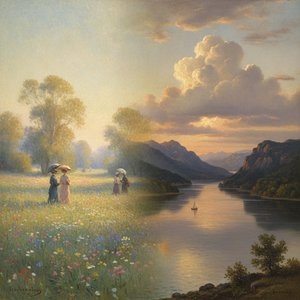
Capturing the Light: A Journey Through the Soul of American Impressionism and the Hudson River School
Explore the luminous beauty of American Impressionism and the Hudson River School. Discover a curated journey through light, landscape, and history, celebrating the enduring legacy of masters through exquisite, hand-painted oil reproductions for the discerning art lover.

Paul Cézanne: 25 Šedevrai, Keičiantys Meno Pasaulį | OriginalUniqueArt.lt
Atraskite 25 Paul Cézanno šedevrus! Išsami analizė, istorijos ir įkvėpimas interjero dekorui. Modernus menas, impresionizmas, natiurmortai – viskas OriginalUniqueArt.com. Explore the full collection online!

Evocations of Place: A Historical Journey Through Landscape Art
Explore the rich history of landscape art with OriginalUniqueArt. Discover renowned artists, movements like Impressionism & tonalism, and expert guidance for collecting timeless pieces. Find your perfect serene escape today!

Flowing Narratives: Rivers in Painting – A Historical Exploration
Explore the rich history of rivers in painting! Discover masterpieces from ancient times to Impressionism & beyond. Learn about symbolism, artists like Monet & Daubigny, and find your perfect serene artwork at OriginalUniqueArt.

Evocations of Place: A Historical Journey Through Landscape Art
Explore the rich history of landscape art with OriginalUniqueArt. Discover renowned artists, movements like Impressionism & Romanticism, and expert guidance for collecting timeless pieces. Find your perfect serene escape today!