
 Peržiūrėti realybėje
 Pasidalinti
 Dalintis
 Išsamiau

 Atsisiųsti
 Panašūs eksponatai
 Rentgeno nuotrauka
 Automatinė diorama
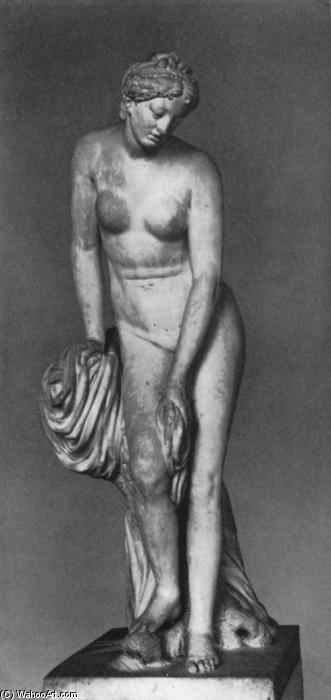
Venus


 Skaityti daugiau
Įsigykite aukštos skiriamosios raiškos, patobulintą skaitmeninį vaizdą, gerokai pranašesnį už internetinę peržiūrą.
Kiekvieną failą mūsų specialistai kruopščiai paruošia naudojant pažangias technologijas ir profesionalų rankinį retušavimą. Užtikriname, kad kiekvienas vaizdas pasižymėtų išskirtiniu aiškumu, tikslia spalvų atspalviu ir smulkiomis detalėmis.
Baigiamas failas el. paštu pristatomas per 72 valandas; jis optimizuotas nedelsiant naudojimui profesionalioje, redakcinėje ir spausdinimo aplinkoje. Tai ta pati kokybė, kuria pasitiki aukščiausios klasės dizaino studijos, leidyklos ir galerijos.
Skaitmeninis vaizdas
Atsisiųskite didelės raiškos failą asmeniniam naudojimui, spausdinimui ir kūrybiniams projektams. ( Pirkti spaudinį Pirkti rankomis tapytą paveikslą)
Kiekvieną skaitinio vaizdo užsakymą papildė
Profesionalus skaitmeninis pristatymas, garantuotas
Pasirinkę OriginalUniqueArt.com, jūs ne tik gaunate paveikslėlį – jūs gaunate profesionaliai patobudintą skaitmeninį kūrinį, sukurtą itin tikniai ir užtikrinantį pasitenkinimą. Štai viską, kas automatiškai pritékia jūsų užsakymui:

Greitas siuntimas el. paštu
Jūsų aukštos raiškos skaitmeninis vaizdo failas bus išsiųstas jums el. paštu per 72 valaudas nuo užsakymo – paruoštas naudojimui be jokių papildomų veiksmų.

Skaitmeninis failas su dirbtiniu intelektu
Jūsų meno kūrinys profesionaliai optimizuojamas naudojant pažangius dirbtinio intelekto įrankius ir rankinį redagavimą, užtikrinant maksimalią detalę, aiškumą ir spalvų tikslumą.

Nemokamas visam laikui pakartotinis siuntimas
Atsitiktinai ištrytikote ar praradote savo failą? Nebijokite – bet kuriuo metu atsiųsime jį jums vėl nemokamai.

Jokio importo mokesčio – niekada
Mėgaukitės savo meno kūriniu akimirka – skaitiniai failai visada yra neapmokestinami, todėl nereikės mokėti muitinės, mokesčių ar pristatymo mokesčių.

Spalvų tikslumo garantija
Naudodami profesionalią įrangą ir spalvų valdymo sistemas, užtikriname, kad jūsų skaitmeninis vaizdas kuo tiksliau atspindėtų originalias spalvas.

60 dienų pasitenkinimo garantija
Jei nebuvate patenkinti savo skaitinio vaizdo, per 60 dienų jį pertaisysime arba grąkinsime 100% sumą – be jokių klausimų.

100% pinigų grąžinimo garantija
Nepat 만족inti? Gaukite visą sumokėtą sumą per 60 dienų nuo skaitmeninio failo gavimo – be jokių papildomų klausimų.

Nuolaidos dideliems užsakymams
Pirkti 3 nuotraukas – pasiūla 10% - Pirkti 5 – pasiūla 15% - Pirkti 10 ir daugiau – pasiūla 20%. Puikiai tinka kūrybiniams projektams, galerijoms bei agentūroms.
Autoriaus biografija
Early Life and Academic Foundations
Feodosy Fyodorovich Shchedrin, born in the vibrant city of Saint Petersburg in 1751, emerged as a significant figure within the burgeoning Russian Neoclassical art scene. His artistic journey began under the tutelage of Nicolas-François Gillet at the Imperial Academy of Arts from 1764 to 1773. This foundational period instilled in him a rigorous understanding of classical principles and sculptural techniques. Shchedrin’s early promise earned him a scholarship, propelling him towards further studies abroad—a pivotal step that would shape his artistic vision. He embarked on an extended sojourn to France and Rome, immersing himself in the heart of European artistic innovation. His time in Paris, from 1775 to 1784, under the guidance of Christophe-Gabriel Ballard, proved particularly influential, exposing him to the prevailing aesthetic currents and honing his skills in capturing form and emotion.The Roman Years and Neoclassical Embrace
Rome became a crucible for Shchedrin’s artistic development. The city's rich heritage of classical sculpture—the works of antiquity that had captivated generations of artists—deeply resonated with him. He absorbed the ideals of proportion, balance, and idealized beauty that defined the Neoclassical style. This influence is readily apparent in his sculptures, which often drew inspiration from mythological subjects and historical narratives. Shchedrin’s work during this period wasn't merely imitation; he infused classical forms with a distinctly Russian sensibility, creating pieces that were both elegant and emotionally evocative. He began to establish a reputation for intricate detail and refined craftsmanship, qualities that would become hallmarks of his oeuvre.Return to Russia and Artistic Maturity
Upon his return to Russia, Shchedrin quickly ascended within the artistic hierarchy. His sculptures found favor with the Imperial court and aristocratic patrons, securing him commissions for both public monuments and private collections. He became a respected member of the Academy of Arts, contributing to its educational programs and shaping the next generation of Russian sculptors. While he embraced Neoclassical principles, Shchedrin’s work also reflected a growing interest in portraiture, capturing the likenesses of prominent figures with sensitivity and psychological depth. His portraits weren't simply representations of physical appearance; they sought to convey character and social standing.Major Works and Lasting Legacy
Shchedrin’s artistic output encompassed a diverse range of subjects and materials, including marble, bronze, and plaster. Notable works include his sculptures of *Marsyas*, *Venus*, and the *Caryatids*. These pieces demonstrate his mastery of anatomical detail, graceful composition, and expressive form. His engravings, though less widely known today, also showcase his technical skill and artistic sensibility. Shchedrin’s influence extended beyond his own creations; he played a crucial role in disseminating Neoclassical ideals throughout Russia, shaping the aesthetic landscape of the late 18th and early 19th centuries. He died in Saint Petersburg in 1825, leaving behind a legacy as one of Russia's foremost sculptors—a bridge between European artistic traditions and a uniquely Russian expression of classical beauty.Influences and Historical Context
Shchedrin’s art was deeply rooted in the historical context of his time. The reign of Catherine the Great witnessed a flourishing of arts and culture, fueled by her patronage and desire to establish Russia as a major European power. Neoclassicism, with its emphasis on reason, order, and classical antiquity, became the dominant aesthetic style of the era—a reflection of Enlightenment ideals and Catherine’s own aspirations for an enlightened empire. Shchedrin's work can be seen as part of this broader cultural movement, embodying the values of clarity, restraint, and intellectual rigor. His sculptures were not merely decorative objects; they served as symbols of power, virtue, and artistic achievement. He drew inspiration from artists like Antonio Canova and Jean-Antoine Houdon, but he also infused his work with a distinctly Russian spirit—a sensitivity to emotion and a nuanced understanding of human character. His ability to blend classical forms with local sensibilities cemented his place as a pivotal figure in the development of Russian sculpture.
feodosy fyodorovich shchedrin
1751 - 1825 , Russia
Trumpai apie šį kūrėją
- Artistic Movement Or Style: Neoclassical
- Date Of Birth: Saint Petersburg, Russia (1751)
- Date Of Death: October 27, 1830
- Full Name: Feodosy Fyodorovich Shchedrin
- Nationality: Russian
- Notable Artworks:
- Marsyas
- Venus
- Caryatids
- Place Of Birth: Saint Petersburg

