

 Peržiūrėti realaus dydžio版
 Siųsti
 Dalintis
 Išsamiau
 Vadovas

 Atsisiųsti
 Panašūs eksponatai
 Rentgeno spindulių nuotrauka
 Diaporama
 Statistika
1947 Partition - Boli Camp, Lahore


 Rodyti daugiau
Giclée / Meno spausdinimas
Muziejų lygio „giclée“ arba drobos spausdinimas: greita gamyba ir lankstios apdailos parinktys. ( Pirkti rankomis tapytą reprodukciją Perejti prie skaitmeninių vaizdų)




































Pasirinkite iš mūsų nustatytų dydžių, atitinkančių originalaus meno kūrinio proporcijas.

Galite nurodyti savo matmenis, kad vaizdas atitiktų konkretų rėmą ar erdvę. Jei pasirinktas dydis nesutaps su originalaus paveikslėlio proporcijomis, mes arba apkirpsime kūrinį, arba išplėsime vaizdą naudojant veideliu atspindėtą arba vientisą šoną. Skaitmeninis maketas bus išsiųstas jums patvirtinti prieš pradedant gamybą.
Atkreipkite dėmesį, kad ekrane matomas vaizdinys neatspindi tikrojo apkirpimo ar išplėtimo. Tik maketas tiksliai parodytų galutinę kompoziciją.
Nors galima rinktis ir individualius dydžius, rekomenduojame pasirinkti vieną iš išanksti nustatytų matmenų, kad būtų išlaikytos originalios proporcijos.
Pristatymas visame pasaulyje () per 2 weeks, o ne įprastas 4/5 savaičių laikotarpis. (27 rugsėjis)

Nemokamas greitasis pristatymas visame pasaulyje

Aukštos kokybės lininis drobė

Pilnas siuntimo draudimas

Muitinės mokesčių grąžinimo garantija

Tikro spalvų atitikimo garantija

100 dienų grąžinimo politika (tik esant įtaigoms)

100% pinigų grąžinimo garantija

Nuolaida dideliems užsakymams
 Stiklo variantas prieinamas tik pasirinkus dydį iki 110 cm

1947 Partition - Boli Camp, Lahore
Giclée / Meno spausdinimas
Reprodukcijos dydis
-


Visų pasirinktų variantų kaina
$ 80
Autoriaus biografija
Francis Bacon: A Chronicle of Anguish and the Human Condition
Born in Dublin, Ireland, on October 28th, 1909, Francis Bacon’s life was a tapestry woven with threads of intellectual curiosity, bohemian excess, and profound artistic struggle. He wasn't initially destined for a career as an artist; his early years were marked by a restless spirit and a series of detours – interior decorating, gambling, and even a brief stint as a bon vivant in London’s Soho district. It was only in his late twenties that Bacon truly embraced painting, embarking on a journey to capture the raw, unsettling realities of the human experience—a journey that would cement his place as one of the 20th century's most challenging and influential figures.
Bacon’s artistic development wasn’t linear. Influenced initially by the vibrant colors and dynamic compositions of Pablo Picasso, he quickly moved beyond mimicry, developing a distinctly personal style characterized by distorted forms, grotesque imagery, and an almost unbearable sense of claustrophobia. He famously described his process as “seeing images in series,” suggesting a relentless pursuit of recurring motifs—faces, figures trapped within confined spaces, and the ever-present specter of violence. This obsessive repetition wasn’t born from a lack of imagination but rather a deliberate attempt to distill the essence of an idea or emotion, pushing it to its most extreme manifestation.
- Early Influences: Bacon's early work shows traces of Picasso’s Cubism and the expressive distortions of German Expressionism.
- The Harlem Renaissance: He was deeply influenced by the artistic community in Harlem, particularly through his friendship with Augusta Savage, a prominent figure in the movement.
- Recurring Motifs: Bacon's oeuvre is dominated by recurring themes – screaming faces, distorted bodies, and isolated figures—each imbued with a palpable sense of anxiety and despair.
The Dark Heart of the 20th Century
Bacon’s paintings are not merely representations of reality; they are visceral explorations of psychological torment. He didn't shy away from depicting violence, suffering, and the darker aspects of human nature. His subjects—often self-portraits or portraits of close friends—are rendered with a brutal honesty that confronts viewers with their own mortality and vulnerability. The figures in his paintings aren’t simply depicted; they are *felt*, radiating an intense emotional charge.
His most iconic works, such as *Three Studies for Figures at the Base of a Crucifixion* (1944), exemplify this approach. These triptychs—featuring distorted, screaming faces emerging from pools of blood—are not celebratory depictions of religious iconography but rather harrowing meditations on pain, guilt, and the inescapable nature of suffering. Similarly, his “screaming popes” series captures a sense of profound anguish and spiritual crisis, reflecting the anxieties of post-war Europe.
Bacon’s use of color is equally significant. He frequently employed jarring combinations of reds, yellows, and blacks—colors associated with violence, decay, and impending doom—to heighten the emotional impact of his work. His technique involved layering paint in thick impasto, creating a tactile surface that invites close examination and encourages viewers to confront the unsettling details of each image.
Formal Innovations and Artistic Evolution
Throughout his career, Bacon experimented with various formats and techniques, constantly pushing the boundaries of his artistic practice. He frequently employed triptychs and diptychs—panel paintings that allowed him to explore a single subject from multiple perspectives—and utilized unconventional materials such as collage and found objects. His work evolved through distinct phases, each reflecting a particular stage in his life and artistic development.
- 1930s Bio-Morphs: Early works featured distorted, biomorphic figures influenced by Picasso’s cubism.
- 1940s Male Heads: A series of isolated male heads trapped within confined spaces, reflecting the anxieties of wartime Britain.
- 1950s Animals and Lone Figures: Paintings depicting animals and solitary figures in desolate landscapes, evoking a sense of isolation and vulnerability.
- 1960s Crucifixions & Portraits of Friends: A shift towards more intimate portraits of his companions, often imbued with a melancholic undertone.
- 1980s Technical Paintings: Later works displayed a greater technical precision, reflecting Bacon’s mastery of his craft.
Legacy and Historical Significance
Francis Bacon died on April 28th, 1992, leaving behind an extraordinary body of work that continues to challenge and provoke viewers today. His paintings are not easy to look at—they demand a willingness to confront uncomfortable truths about the human condition. Yet, it is precisely this unflinching honesty that makes his art so enduringly powerful.
Bacon’s influence extends far beyond the realm of painting. He is considered a key figure in the development of Abstract Expressionism and has profoundly impacted subsequent generations of artists. His work serves as a stark reminder of the fragility of human existence, the inevitability of suffering, and the enduring power of art to grapple with the darkest aspects of our shared experience. His legacy lies not just in his distinctive visual style but also in his courageous exploration of the unspoken anxieties that lie beneath the surface of modern life.
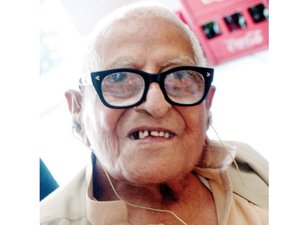
faustin elmer chaudhry
1909 - 2013 , India
Trumpa informacija apie kūrėją
- Artistic Movement Or Style: Figurative art
- Artists Or Movements Influenced By This Artist: ['Abstract Expressionism']
- Artists Who Influenced This Artist:
- Picasso
- Furies
- Date Of Birth: October 28, 1909
- Date Of Death: April 28, 1992
- Full Name: Francis Bacon
- Nationality: British
- Notable Artworks:
- Three Studies...
- screaming popes
- portraits of friends
- Place Of Birth: Dublin, Ireland