

 Peržiūrėti realybėje
 Pasidalinti
 Dalintis
 Išsamiau

 Atsisiųsti
 Panašūs eksponatai
 Rentgeno nuotrauka
 Automatinė diorama
 Statistika
Maternite


 Skaityti daugiau
Giclée / Meno spausdinimas
Muziejų lygio „giclée“ arba drobos spausdinimas: greita gamyba ir lankstios apdailos parinktys. ( Pirkti rankomis tapytą paveikslą Perejti prie skaitmeninio vaizdo)




P118B $10

P118H $10

P118W $10

P438Z $10

P508JH $12

P508YH $12

P805H $10

P805Z $10

P919BZ $10

P919G $10

P919XJ $10

P959ZH $10

P968JZ $12

W106C $8

W218G $10

W218JH $8

W218Y $10

W307PJ $10

W316G $10

W316PJ $8

W316Y $10

W398PJ $8

W4111J $10

W500HY $15

W500JH $15

W692G $12

W849H $8

W940BG $15

W953PJ $8




Pasirinkite iš mūsų nustatytų dydžių, atitinkančių originalaus meno kūrinio proporcijas.

Galite nurodyti savo matmenis, kad vaizdas atitiktų konkretų rėmą ar erdvę. Jei pasirinktas dydis nesutaps su originalaus paveikslėlio proporcijomis, mes arba apkirpsime kūrinį, arba išplėsime vaizdą naudojant veideliu atspindėtą arba vientisą šoną. Skaitmeninis maketas bus išsiųstas jums patvirtinti prieš pradedant gamybą.
Atkreipkite dėmesį, kad ekrane matomas vaizdinys neatspindi tikrojo apkirpimo ar išplėtimo. Tik maketas tiksliai parodytų galutinę kompoziciją.
Nors galima rinktis ir individualius dydžius, rekomenduojame pasirinkti vieną iš išanksti nustatytų matmenų, kad būtų išlaikytos originalios proporcijos.
Pristatymas visame pasaulyje () per 2 weeks, o ne įprastas 4/5 savaičių laikotarpis. (13 rugsėjis)

Nemokamas greitasis pristatymas visame pasaulyje

Aukštos kokybės lininis drobė

Pilnas siuntimo draudimas

Muitinės mokesčių grąžinimo garantija

Tikro spalvų atitikimo garantija

100 dienų grąžinimo politika (tik esant įtaigoms)

100% pinigų grąžinimo garantija

Nuolaida už kelias reprodukcijas
 Stiklo variantas prieinamas tik pasirinkus dydį iki 110 cm

Maternite
Giclée / Meno spausdinimas
Reprodukcijos matmenys
-


Galutinė kaina
$ 80
Maternité: A Tapestry of Light, Color, and Maternal Grace
Paul Gauguin’s *Maternité* (1899) isn't merely a depiction of three women tending to their infants; it’s an immersion into a world saturated with the vibrant hues of Tahiti and imbued with a profound sense of serenity. Painted during his second sojourn on the island, this oil-on-canvas masterpiece represents a pivotal shift in Gauguin’s artistic trajectory – moving away from the stark realism of his earlier voyages towards a more expressive, symbolic language. The scene unfolds within a lush, verdant landscape, a carefully constructed tableau that speaks volumes about Gauguin's fascination with Polynesian culture and his desire to capture its essence on canvas. Notice immediately the bold, almost aggressively bright palette; deep greens and blues dominate, punctuated by flashes of ochre, crimson, and gold – colors drawn directly from the natural world around him, applied with a confident, almost impulsive brushstroke. This isn’t an attempt at photographic accuracy, but rather a distillation of feeling, a translation of experience into pure color. The figures themselves are simplified, their forms rendered with a deliberate looseness that reflects Gauguin's embrace of Synthetism – a style he developed to prioritize the essential qualities of form and color over meticulous detail.- The Composition: Three women, each deeply engaged in the act of nurturing, occupy the foreground. The central figure, seated with a baby nestled against her chest, exudes a quiet dignity. To her left, another woman holds her child close, while the third stands, offering sustenance to her infant. Gauguin masterfully uses spatial relationships – the figures are arranged in a gentle curve that draws the eye through the scene – creating a sense of harmonious unity.
- Symbolism and Meaning: *Maternité* is rich with symbolic weight. The act of motherhood itself represents fertility, continuity, and the cyclical nature of life. Gauguin’s deliberate choice to depict women in such a relaxed, intimate setting suggests a rejection of Western societal pressures and an embrace of a more primal connection to nature and family. The abundance of flowers – hibiscus, tiare, and other tropical blooms – further reinforces this theme of fertility and vitality.
- Technique: Gauguin’s distinctive technique is immediately apparent. He employs broad, sweeping brushstrokes, often applying the paint directly from the tube, creating a textured surface that seems to shimmer with light. The use of *impasto*—thickly applied paint—adds depth and physicality to the scene, bringing the figures and foliage to life. Notice how he uses color not just to represent reality but also to evoke emotion – the warm yellows and oranges suggest happiness and contentment, while the cooler blues and greens convey a sense of tranquility.
Gauguin’s Post-Impressionist Vision
As a key figure in the Post-Impressionist movement, Gauguin pushed beyond the limitations of Impressionism, seeking to express his subjective emotions and ideas through color and form. He rejected the fleeting effects of light and atmosphere favored by his Impressionist predecessors, opting instead for bolder, more expressive brushstrokes and a greater emphasis on symbolic content. *Maternité* exemplifies this shift – it’s not simply a representation of a scene; it's an emotional response to it. Gauguin’s use of color is particularly striking, employing vibrant hues that are often derived from the natural world around him. He deliberately distorted forms and simplified details, prioritizing the essential qualities of his subjects over photographic accuracy. This approach paved the way for later movements such as Fauvism and Expressionism, demonstrating Gauguin's profound influence on 20th-century art.Reproductions & Artistic Legacy
OriginalUniqueArt offers meticulously crafted hand-painted reproductions of *Maternité*, capturing the essence of Gauguin’s original masterpiece with unparalleled fidelity. Each reproduction is created by skilled artists who have a deep understanding of Gauguin's techniques and artistic vision. We offer various sizes and canvas materials to suit your individual needs and preferences, ensuring that you receive a high-quality artwork that will enhance any space. Beyond the visual beauty of the painting itself, *Maternité* represents a significant moment in art history – a bold departure from traditional representation and a powerful expression of Gauguin’s unique artistic vision. Explore more Post-Impressionist masterpieces by Gauguin and his contemporaries on OriginalUniqueArt.com, including works like “A Henhouse” and “The Boss's Daughter,” to further appreciate the breadth and depth of this revolutionary artist’s oeuvre.Autoriaus biografija
Drąvingais traukais gyvenimas: Pauliaus Gauguino pasaulis
Eugène Henri Paul Gauguin – vardas, kuris skamba ryškia spalva ir sukilusi dviešėlia, yra esminė figūra pereinant nuo impresionizmo prie moderniojo meno. 1848 metais Paryzuje gimęs dailininkas gyveno ne visai konvencionaliai. Jo vaikystę lemė neįprasta kilmė: tėvas buvo žurnalistas, o motina kilus iš Peru aristokratijos – jos sengrandė, Flora Tristan, buvo pionierių prieš feminizmą ir socialistinę rašytoja, kurios idealai neabejotinai skambėjo šeimos viduje. Ši paveldėdė giliai įformavo Gauguino meninę viziją, įsidiegdama jį susižavėti kultūjąms už Europos ribų. Formatyvus laikotarpį Peru, praleistą vaikystėje po šeimos persikrausto 1850 metais, jis įmerpė į pasaulį, visiškai skirtingą nuo pariziškos visuomenės – tai patirtis liko jį lydėti ir galiausiai paskatino jo ieškojimus autentiškumui paveikti meną. Grįžęs į Prancūziją po tėvo mirties, Gauguin gavo oficialų išsilavinimą, tačiau jį prciąsė ne akademija, o augantis finansų pasaulis; jis pradėjo karjerą kaip akcijų brokeris – kelias, kuris iš pirmo žvilgsnio atrodė nesuderinamas su menišku jo paskutiniu laukimu.Nuo finansų iki meninio pašaukimo
Years daužius Gauguin gyveno dvigubą gyvenimą, skrupmeniškai siekdamas verslo sėkmės, tačiau slaptai puoselėdamas meilę tapui. Pradinai paveiktas impresionistų, laisvu metu jis pradėjo eksperimentuoti su spalva ir šviesa, tačiau greitai pasij 느끼 ribojimų dėl jų siekio įamžinti trumpalaikę realybės akimirką. 1882 metų finansinė krizė tapo lūžio tašku, privertusi jį palikti pelningą karjerą ir visiškai atiduoti save meniniam pašaukimui. Tai nebuvo tik profesijos pakeitimas; tai buvo fundamentalus pasaulybės suvokimo pokytis. Jis ieškojo patarimų iš Camille Pissarro, kuris skatino jo vystymąsi ir pristatė jį Paryžiaus avantgardos ratams. Tačiau Gauguin greitai pradėjo atsisvaistyti nuo impresionistinių principų, trokšdamas kažko išraišmingesnio, simboliškesnio – būdo perteikti ne tik tai, ką jis *matė*, bet ir tai, ką jis *jautė*. Šis troškimas nukreipė jį į meninę tyrinėjimą, kuris išvedė jį daleko už Paryžiaus salonų ir į „primityvinių“ kultūrų širdį. Jis nebuvo tiesiog susidomėję šių kultūrų vaizdavimu; jis siekė suaupt jų esęją, tikėdamas, kad jos sėdi grynumą, prarastą Vakarų civilizacijoje.Bretanijos ir Tahiti kvietimas
Gauguino meninė evoliucija buvo neatsiejama nuo jo kelionių. Jis praleido laiką Bretanijoje, užburintas kietų kraštlandžių ir gilių žmonių tradicijų. Šis laikotarpis atsimintinas eksperimentais su plokščiais formų, drąsiais kontūrais ir kompozicijos supaprastinimu – technika, kuri jį atstūmė nuo naturalizmo ir priartino prie simbolinio kalbos. Tačiau tik 1891 metų kelionė į Tahiti tikrai išlaisvino jo kūrybinį potencialą. Siekdamas rasti prieglobę tai, ką jis suvokė kaip duslintą Europos civilizacijos ribojimą, Gauguin tikėjosi rasti įkvėpiimą Polinezijos kultūroje, tikėdamas, kad ji siūlo grynesnį, autentiškesnį gyvenimo būdą. Tai nebuvo tik meninis siekis; tai buvo dvasinis ieškojimas. Jis pasinerė į vietinius papročius ir įsitikinimus, per savo unikalią prizmę vaizduodamas polineziečių moteris, kraštlandžius ir religines praktikas. Paveiktas Japonijos grafikos – Japonismo – ir viduramžių meno, jis sukūrė išskirtinę estetiką, pasižinčiantį ryškiomis spalvomis, egzotiška tema ir paslapties aura. Tokie ikoniški paveikslai kaip „Vahine no te miti“ (Moteris su mango), „Manao Tupapau“ (Mirusiojo dvasios stebimas) ir „Dievų diena“ iškilo būtent šiuo laikotarpiu, užtvirtindami jo reputaciją kaip vizionieriaus. Jo spalvų naudojimas tapo vis drąsesnis ir neimitausiškas, tarnydamas ne realybės atkartojimui, o emocijų ir dvasinės prasmės ištrykdymui.Palikimas ir kontroversijos
Nepaisant meninių proveržiučių, Gauguino gyvenimą dažnai lydėjo sunkumai. Jis kovojo su finansiniais iššūkiais ir sveikatos silpstančiavimu savo laiką praleidęs Tahiti ir vėliau Markizų salose, kur galiausiai ir įsikūrė. Vis dėlto jis toliau tapo labai kūrybiškas, nuolat tyrinėdamas gyvenimo, mirties ir dvasinės siela temas. Jis mirė 1903 metais Hiva Oa, nuogų saloje Markizų archipelage, didzumui neatpažintas savo genijų. Tik po jo mirties Gauguino kūriniai pradėjo gauti pagarbą, kurią jie nusipelnė. Šiandien jis yra švenčiamas kaip esminė figūra vystant modernųjį meną, užtraukiantis tiltą tarp impresionizmo ir simbolizmo bei pavediantis kelią tokiems judėjimams kaip fauvizmas. Jo spalvų naudojimas, supaprastintos formos ir simbolinė vaizdinė medžiaga giliai paveikė tokius menininkus kaip Pablo Picasso, Henri Matisse ir daugybę kitų. Tačiau Gauguin išlieka kontroversiška figūra dėl asmeninio gyvenimo aspektų – ypač santykių su jaunomis polineziečių moterimis – kurie toliau yra diskutuojami ir perinterpretuojami atsižvelgiant į šiuolaikines etikos vertybes. Nepaisant to, jo meninės įtakos neįginamos, o palikimas toliau įkvepia menininkus ir meno mėgėjus visame pasaulyje. Jis buvo tikras inovatorius, rebeliantas, kuris drąsiai iššaukė konvencijas ir sukūrė savo kelią, palikdamas kūrybinį turtą, kuris yra toks pat įtraukiantis ir paslaptingas, kaip ir pats jis.Pagrindinės įtakos ir meninės savybės
- Impresionizmas: ankstyva įtaka spalvai ir šviesai, vėliau atmetama dėl dėmesio trumpalaikei realybei.
- Japonizmas: įkvėpė plokščius perspektyvų vaizdus, drągius kontūrus ir dekoratyvius raštus.
- Viduramžių menas: paveikė simbolinę vaizdinę medžiagą ir griežto realizmo atsisakymą.
- Sintezizmas: stilius, kurį sukūrė Gauguin, pabrėžiantis meno kūrimą remiantis subjektyvia patirtimi, o ne objektyviu stebėjimu.
- Primitivizmas: susižavimas nevakarysisse kultūrose, tikėjimą, kad jos siūlo autentiškesnį ir dvasinį gyvenimo būdą. Tai atsisprendžia jo temose ir stilistiniuose pasirinkimuose.
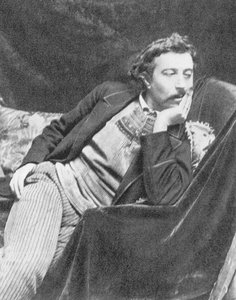
Eugenas Henri Paulas Gauginas
1848 - 1903 , Prancūzija
Trumpa informacija
- Artistic Movement Or Style: Post-Impressionizmas, Simbolizmas
- Artists Or Movements Influenced By This Artist: ['Pablo Picasso']
- Artists Who Influenced This Artist: ['Camille Pissarro']
- Date Of Birth: 1848 metų jūnijus 7.
- Date Of Death: 1903 metų maijus 8.
- Full Name: Eugène Henri Paul Gauguin
- Nationality: Prancūzas
- Notable Artworks:
- Clearing
- Vahine no te miti
- Manao Tupapau
- Little Breton Shepherd
- Place Of Birth: Parižius, Prancūzija
Susiję straipsniai

Paul Cézanne: 25 Šedevrai, Keičiantys Meno Pasaulį | OriginalUniqueArt.lt
Atraskite 25 Paul Cézanno šedevrus! Išsami analizė, istorijos ir įkvėpimas interjero dekorui. Modernus menas, impresionizmas, natiurmortai – viskas OriginalUniqueArt.com. Explore the full collection online!

Post-Impressionizmo Deimantai: 10 Šedevrų Jūsų Namams
Atraskite 10 Post-Impresionizmo šedevrų! Van Gogas, Cézanne ir kiti genijai – jų kūriniai, istorijos bei spalvos. Įkvėpkite savo interjerui su OriginalUniqueArt.com aukščiausios kokybės reprodukcijomis. Išnagrinėkite visą kolekciją internete!
Beyond Impressionism: Exploring the Emotional Depth of Post-Impressionist Painting
Explore the profound emotional depth & innovative techniques of Post-Impressionism with OriginalUniqueArt. Discover Cézanne, Van Gogh, Gauguin & more – and their lasting impact on modern art.
Beyond Impressionism: Exploring Emotional Depth & Formal Innovation in Post-Impressionist Art
Explore the profound emotional depth & formal innovations of Post-Impressionism with our expert guide. Discover Cézanne, Van Gogh, Gauguin & more. Learn about art history, collecting, and investing in this pivotal movement.

Paul Klee: 25 Šedevrai, Įkvėpę Kartas | Tapyba, Dekorai ir Meninis Palikimas
Atraskite 25 Paul Klee šedevrus! Išsami analizė, meno istorija ir įkvėpimas interjerui. Abstraktaus meno kūriniai, ekspresionizmas, spalvų harmonijos. Aukštos kokybės reprodukcijos – OriginalUniqueArt.com


