

 Peržiūrėti realaus dydžio版
 Siųsti
 Dalintis
 Išsamiau
 Vadovas

 Atsisiųsti
 Panašūs eksponatai
 Rentgeno spindulių nuotrauka
 Diaporama
 Statistika
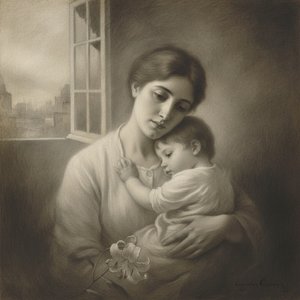
Meditation
 Oil On Canvas
- WallArt
- Symbolism
 1893
1893- 19th Century
 48.0 x 65.0 cm
 Ohara Museum of Art
 Rodyti daugiau
Giclée / Meno spausdinimas
Muziejų lygio „giclée“ arba drobos spausdinimas: greita gamyba ir lankstios apdailos parinktys. ( Pirkti rankomis tapytą reprodukciją Perejti prie skaitmeninių vaizdų)




P118B €10

P118H €10

P118W €10

P438Z €10

P508JH €12

P508YH €12

P805H €10

P805Z €10

P919BZ €10

P919G €10

P919XJ €10

P959ZH €10

P968JZ €12

W106C €8

W218G €10

W218JH €8

W218Y €10

W307PJ €10

W316G €10

W316PJ €8

W316Y €10

W398PJ €8

W4111J €10

W500HY €15

W500JH €15

W692G €12

W849H €8

W940BG €15

W953PJ €8




Pasirinkite iš mūsų nustatytų dydžių, atitinkančių originalaus meno kūrinio proporcijas.

Įveskite jums reikiamą plotį ir aukštį, kad atvaizdas derėtų prie jūsų rėmo ar sienos. Spausdiną galima tik sumažinti, bet nepadidinti virš originalaus paveikslėlio dydžio, todėl keičiant proporcijas, dalis vaizdo prarandama. Prieš spausdinimą atsiųsime jums skaitmeninį maketą patvirtinimui. Šioje puslapio nuotraukoje matomas pjūvis nėra tikslus – jį rodo tik maketas.
Pristatymas visame pasaulyje () per 2 weeks, o ne įprastas 4/5 savaičių laikotarpis. (26 spalis)

Nemokamas greitasis pristatymas visame pasaulyje

Aukštos kokybės lininis drobė

Pilnas siuntimo draudimas

Muitinės mokesčių grąžinimo garantija

Tikro spalvų atitikimo garantija

100 dienų grąžinimo politika (tik esant įtaigoms)

100% pinigų grąžinimo garantija

Nuolaida dideliems užsakymams
 Stiklo variantas prieinamas tik pasirinkus dydį iki 110 cm

Meditation
Giclée / Meno spausdinimas
Reprodukcijos dydis
-


Visų pasirinktų variantų kaina
€ 70
The Soul in Stillness: A Journey into Carrière’s Meditation
In the quiet corners of art history, few works possess the haunting, introspective power of Eugène Anatole Carrière’s 1893 masterpiece, Meditation. This oil on canvas is far more than a mere portrait; it is an invitation into the private sanctuary of the human psyche. At first glance, the viewer is met with the profound stillness of a young woman lost in thought, her presence commanding the space through a deliberate lack of movement. Carrière, a titan of the French Symbolist movement, eschews the fleeting light and vibrant energy of his Impressionist contemporaries to instead cultivate an atmosphere of eternal, somber reflection. The subject does not interact with the world outside the frame; rather, she exists in a state of profound interiority, making the painting a poignant testament to the beauty found within solitude and the weight of unspoken thoughts.
The technical brilliance of Meditation lies in Carrière’s masterful command over a restricted, almost monochromatic palette. Eschewing bright colors, the artist utilizes a sophisticated range of deep browns, velvety blacks, and subtle, earthy undertones of muted red and orange. This choice is not merely aesthetic but deeply psychological, serving to shroud the subject in a sense of mystery and melancholy. Through an ambitious layering process and the meticulous application of glazing techniques, Carrière achieves a luminous depth that seems to glow from within the canvas itself. The texture of the paint is remarkably tactile, creating a soft, skin-like quality in the figure’s face and a heavy, luxurious feel to her garments. His brushwork, while controlled, retains an organic fluidity that mirrors the natural contours of the human form, lending the piece a dreamlike, ethereal quality that borders on the supernatural.
Symbolism and the Echoes of the Subconscious
To understand Meditation is to understand the heart of Symbolism. During the fin-de-sięcle period, artists sought to represent ideas and emotions rather than the literal external world. In this work, every element serves a symbolic purpose. The woman’s downward gaze and slumped, vulnerable posture act as visual metaphors for grief, introspection, or perhaps an existential longing. The flattened composition—where the background dissolves into a hazy, indistinct void—strips away all worldly distractions, forcing the viewer to confront the subject's emotional state directly. There is no landscape to provide context, only the raw, unadulterated presence of feeling.
For the discerning collector or interior designer, this painting offers a profound sense of gravitas and emotional depth. It is a piece that does not merely decorate a wall but transforms the atmosphere of a room, bringing a sense of quiet sophistication and intellectual weight. Whether placed in a contemporary gallery setting or a classic study, Meditation acts as an anchor of tranquility. Its somber tones and rich textures provide a perfect counterpoint to modern minimalism or complement the ornate grandeur of traditional decor. Owning a high-quality reproduction of this work allows one to possess a fragment of the Symbolist soul, a permanent window into the profound beauty of the human spirit in repose.
问答 (or more naturally for a website heading): Klausimai ir atsakymai
Ar „Meditation“ liko savo kūrėjo tėvynėje?
Ne – kūrinys saugomas užsienyje. kūrinys „Meditation“ saugomas お, o Žene Anatolis Karjeras gimė Prancūzija.
Ar galiu detaliau apžiūrėti „Meditation“?
Darbino „Meditation“, autorius – Žene Anatolis Karjeras puslapio Rentgenas veją yra interaktyvus naršyklė, leidžiantis peržiūrėti vienu metu vienąn ਤੋਂ vienas dvylkant optinių vaizdo sluoksnių, įskaitant rentgeno tipo vaizdą.
Kokią nuotaiką „Meditation“, autorius – Žene Anatolis Karjeras suteikia interjerui?
Calm atmosfera kūrybinėje veikale „Meditation“, autorius – Žene Anatolis Karjeras dera su rekomenduojama erdvė: tai Living Room.
Autoriaus biografija
Ankstyvieji Metai ir Formavimasis
Žymus prancūzų simbolizmo dailininkas Žanas Anatolis Karjeras (Eugène Anatole Carrière) gimė 1849 metų sausio 16 dieną Gurė-sur-Marne, netoli Paryžiaus. Jo tėvai buvo menininkai, todėl nuo mažų dienų jis augo kūrybiškoje aplinkoje. Baigęs vidurinę mokyklą, Karjeras stojo į Paryžiaus Beaux-Arts akademiją, kur studijavo tapybą ir skulptūrą. Ten jis susipažino su garsiais to meto menininkais, tokiais kaip Aleksandras Kabnelis (Alexandre Cabanel), kuris turėjo didelės įtakos jo ankstyvajam stiliui. Karjeras greitai pasižymėjo savo talentu ir ryškia individualybe, tačiau jo kūrybinis kelias nebuvo lengvas. Jis nuolat ieškojo naujų formų ir technikų, siekdamas išreikšti savo viziją pasaulyje.Unikalus Stilius Ir Įtakos
Karjeras labiausiai žinomas dėl savo savito monochrominio stiliaus, kuriame dominuoja rudos spalvos atspalviai. Šis unikalus bruožas tapo jo vizitine kortele ir pritraukė daugelio meno kritikų bei kolekcionierių dėmesį. Dailininko darbuose galima pastebėti įtaką Peterio Pauliaus Rubenso kūrybai, su kuriuo Karjeras susipažino kalėjime Drezdene. Būtent Rubenso spalvų žaismas ir kompozicijos subtilybė padarė didelę įtaką Karjero ankstyvajai tapybai. Tačiau vėliau dailininkas ėmė eksperimentuoti su šviesos ir šešėlio kontrastais, sukuriant ypatingą atmosferą savo paveiksluose. „Jauna Motina“ (1879), tapytas ankstyvuoju laikotarpiu, yra vienas iš žymiausių Karjero darbų, kuriame jau galima pastebėti jo būdingą stilių ir tematiką – šeimos santykiai bei motinystės grožis.Svarbiausi Darbai Ir Parodos
Per savo gyvenimą Karjeras sukūrė daugybę iškilių paveikslų, kurie pelnė jam pripažinimą ir pagarbą meno pasaulyje. Tarp svarbiausių darbų galima paminėti „Serganti Vaiko“ (Montargis), kuriame dailininkas vaizduoja motinos rūpestį sergančiu vaiku, „Pirmasis Komunija“ (Tulonas), atspindintį religinę tematiką ir šeimos vertybes, bei „Portretas Lui-Henri Devilezo“ (1887), kuriame Karjeras demonstruoja savo meistriškumą portreto žanre. Dailininko darbai buvo eksponuojami prestižinėje Société Nationale des Beaux-Arts parodoje, kurio įkūrimui jis aktyviai prisidėjo. Be to, Karjeras turėjo didelės įtakos kaip meno pedagogas Académie de la Palette akademijoje, ugdydamas naują kartą prancūzų dailininkų.Palikimas Ir Įtaka Moderniajam Menui
Karjero monochrominis stilius turėjo didelės įtakos moderniojo meno raidai. Ypač stiprią įtaką jis padarė Pablo Pikaso kūrybai, ypač jo „mėlynajame“ laikotarpyje. Pikaso dažnai prisipažindavo, jog Karjero darbuose rado įkvėpimo savo pačio tapybai. Karjeras buvo vienas iš pirmųjų menininkų, kuris ėmė eksperimentuoti su spalvų ribojimu ir emocijų perteikimu per subtilius atspalvius. Jo darbai atspindi gilią humanistinę poziciją ir rūpestį žmogaus likimais. Karjero palikimas tebeinspiriuoja menininkus ir meno entuziastus visame pasaulyje, o jo kūryba laikoma prancūzų simbolizmo aukštuma. Daugiau apie Karjero darbus galima rasti OriginalUniqueArt.com/eugène anatole carrière, o jo ankstyvieji darbai saugomi Roueno meno muziejuje (discovering the musée des beaux-arts de carcassonne (france)). Simbolizmo judėjimo įtaką menui galima sužinoti čia.
Žene Anatolis Karjeras
1849 - 1906 , Prancūzija
Trumpa informacija apie kūrėją
- Gimimo Data: sausio 16 d., 1849
- Gimimo Vieta: Gournay-sur-Marne, Prancūzija
- Meninis Stilius: Simbolizmas, Monochromas
- Mirties Data: kovo 27 d., 1906
- Pilietybė: Prancūzas
- Pilnas Vardas: Eugène Anatole Carrière
- Įtakoję Menininkai: ['Rubensas']
- Įtakoti Artistai: ['Picasso (Mėlynasis laikotarpis)']
- Žymiausi Darbai:
- Serganti vaikas
- Jauna motina
- Pirmasis komunija
Susiję straipsniai

Aliejinės tapybos paveldas drobėje: technika, istorija ir šiuolaikinės praktikos subtilybės
Atraskite aliejinės tapybos paslaptis! Istorija, technika, drobės pasirinkimas ir šiuolaikinė praktika. Patarimai meno kolekcionieriams ir kūrėjams iš ekspertų.

Oil on Canvas: A Historical & Technical Exploration of a Timeless Artistic Medium
Explore the rich history & enduring techniques of oil painting on canvas. Discover the science behind its longevity, conservation practices, and contemporary relevance. Expert insights for art enthusiasts.
Eugène Carrière: The 'Peintre d'Âme' & Symbolist Portraiture’s Intimate Vision
Explore the haunting world of Eugène Carrière, a pivotal French Symbolist artist known for his deeply intimate portraits & 'peinture d'âme'. Discover his life, style, and lasting influence on modern masters like Picasso. Shop high-quality reproductions at OriginalUniqueArt.

The Enduring Legacy of Oil on Canvas: Technique, History & Aesthetic Impact
Explore the rich history & techniques of oil painting – from Renaissance masters to Impressionism. Discover pigments, layering methods, and why this timeless medium endures. Expert insights for artists & art enthusiasts.

The Enduring Power of Painting: A Historical & Contemporary Exploration of Form and Emotion
Explore the rich history & enduring techniques of oil painting with OriginalUniqueArt. Discover masterpieces, learn about art collecting, and find authentic handmade reproductions crafted by skilled artists.