

 Peržiūrėti realybėje
 Pasidalinti
 Dalintis
 Išsamiau

 Atsisiųsti
 Panašūs eksponatai
 Rentgeno nuotrauka
 Automatinė diorama
 Statistika
Le Racou


 Skaityti daugiau
Rankų darbo aliejinės reprodukcijos
Rankiniu būdu tapytas aliejus ant droblio jūsų pageidaujamame dydį ir rėmuose – mūsų menininkų darbas pagal užsakymą. ( Perejti prie spausdinimo Perejti prie skaitmeninio vaizdo)




































Pasirinkite iš mūsų nustatytų dydžių, atitinkančių originalaus meno kūrinio proporcijas.

Galite įvesti savo matmenis, kad jie atitiktų konkretų rėmą ar erdvę. Jei pasirinktas dydis neatitinka originalaus paveikslėlio proporcijų, mes arba apkropsime meno kūrinį, arba papildysime tapybą rankomis dažytい elementais. Prieš pradėdami gamybą, jūsų patvirtinimui atsiųsime skaitmeninį maketą.
Atkreipkite dėmesį, kad ekrane rodomas vaizdas neatspindi tikrojo apkarpymo ar papildymo. Tik maketas tiksliai parodys galutinę kompoziciją.
Nors galima rinktis ir individualius dydžius, rekomenduojame pasirinkti matmenis iš nustatytos sąrašo, kad būtų išlaikytos originalios proporcijos.
Gavus užsakymą, OriginalUniqueArt.com komanda susisieks su klientu el. paštu dėl instrukcijų ir pateiks maketo pavyzdį.
Pristatymas visame pasaulyje () per 3–4 savaites, o ne įprastai – per 5 savaites. (9 rugsėjis). Kokybė lieka nepakeičiama.

Nemokamas greitasis pristatymas visame pasaulyje

Aukštos kokybės lininis drobė

Pilnas siuntimo draudimas

Muitinės mokesčių grąžinimo garantija

Tikro spalvų atitikimo garantija

100 dienų grąžinimo politika (tik esant įtaigoms)

100% pinigų grąžinimo garantija

Nuolaida už kelias reprodukcijas
 Stiklo variantas prieinamas tik pasirinkus dydį iki 110 cm

Le Racou
Reprodukcijos technika
Reprodukcijos matmenys
-


Galutinė kaina
$ 300
Autoriaus biografija
Étienne Terrus: A Pioneer of Fauvist Landscape Painting
Étienne Joseph Mathieu Terrus (1857 – 1922) stands as a significant figure in the burgeoning landscape painting movement of early 20th-century France, particularly recognized as one of the formative influences on Fauvism. Born in Elne, Pyrénées-Orientales, Terrus’s artistic journey began with formal studies in Paris but swiftly returned him to his native region where he established himself as a prolific artist and cultivated enduring friendships with fellow luminaries like George Daniel de Monfreid, André Derain, and Henri Matisse—relationships that profoundly shaped his creative vision.- Early Life & Education: Terrus’s formative years were marked by an upbringing steeped in the traditions of Roussillon, a region celebrated for its vibrant pigments and dramatic landscapes. Despite pursuing academic training in Paris, he consistently prioritized capturing the essence of his homeland through painting.
- Style & Technique: Terrus's distinctive style is characterized by bold brushstrokes, expressive color palettes—often dominated by intense reds, yellows, and blues—and a deliberate rejection of traditional tonal shading. He embraced Impressionistic principles while simultaneously forging a path toward Fauvist experimentation, prioritizing emotional impact over meticulous realism.
- Notable Works: Among Terrus’s most celebrated paintings are “La Plage d’Argelès” (1907), depicting the coastal scenery of Argeles-sur-Mer with remarkable luminosity and dynamism, and “Le Racou” (1908), a panoramic vista capturing the rugged beauty of the Pyrenees mountains. These canvases exemplify his masterful ability to convey atmosphere and emotion through color and texture.
- Connections & Collaborations: Terrus’s correspondence with Matisse proved invaluable in shaping his artistic sensibilities, fostering intellectual exchange and inspiring mutual encouragement. Their shared passion for landscape painting cemented their position as pivotal figures within the avant-garde movement.
The Influence of Impressionism and Fauvism
Terrus's artistic development was undeniably shaped by the prevailing currents of Impressionism, which championed capturing fleeting moments of light and color—a departure from academic conventions that prioritized detailed representation. However, Terrus transcended mere imitation, pushing beyond Impressionistic boundaries into the realm of Fauvism. This movement, spearheaded by Matisse and Derain, advocated for unrestrained artistic expression through vibrant hues and simplified forms, prioritizing emotional intensity over objective observation. Terrus’s embrace of Fauvist techniques—particularly his bold use of color—demonstrated a willingness to challenge established norms and forge new paths in landscape painting.Recognition & Legacy
Terrus's work gained considerable acclaim during his lifetime, securing him a respected place within the artistic community of Paris and Roussillon. The Musée Terrus in Elne serves as a testament to his enduring legacy, showcasing a comprehensive collection of his paintings—a remarkable achievement considering the relatively limited scope of his oeuvre. Furthermore, the discovery that over half of his artworks were fraudulent underscored the importance of meticulous provenance research and highlighted the challenges faced by art historians attempting to reconstruct Terrus’s artistic history. Despite this setback, Terrus's contribution to landscape painting remains undeniable, securing him a prominent position in the annals of modern art.Further Exploration
For deeper insights into Étienne Terrus’s life and work, consult scholarly publications exploring his stylistic innovations and contextualizing his contributions within the broader artistic landscape of early 20th-century France. Examining biographical accounts alongside critical analyses offers a nuanced understanding of Terrus's artistic journey and lasting impact on Fauvist aesthetics.
étienne terrus
1857 - 1922
Trumpa informacija
- Artistic Movement Or Style: Fauvism Precursor
- Artists Or Movements Influenced By This Artist:
- Barbizon
- Impressionism
- Artists Who Influenced This Artist:
- George Daniel de Monfreid
- André Derain
- Henri Matisse
- Date Of Birth: September 22, 1857
- Full Name: Étienne Joseph Mathieu Terrus
- Nationality: French
- Notable Artworks:
- Le Racou
- La plage d’Argelès
- Place Of Birth: Elne, Pyrénées-Orientales
Susiję straipsniai

Evocations of Place: A Historical Journey Through Landscape Art
Explore the rich history of landscape art with OriginalUniqueArt. Discover renowned artists, movements like Impressionism & Romanticism, and expert guidance for collecting timeless pieces. Find your perfect serene escape today!
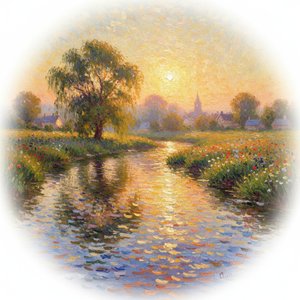
Capturing Light: A Masterclass in the Ethereal Beauty of Impressionistic Landscapes
Explore the ethereal beauty of Impressionist landscapes. Discover how masters like Monet captured fleeting light through color and texture, and learn to curate these timeless, luminous masterpieces for your home collection.

Impressionistic Landscapes: 10 Masterpieces That Changed Art & Decor
Journey into the heart of Impressionism! Explore 10 masterpieces by Monet, Renoir & Degas that revolutionized landscape art. Discover their stories, techniques & find museum-quality reproductions to elevate your home decor on OriginalUniqueArt.com.

Impressionistinio Peizažo Simfonija: 10 Šedevrų, Apibrėžusių Epoją
Atraskite 10 impresionistinio peizažo šedevrų, kuriuos įkvėpė Monet, Renoir ir kiti! Sužinokite apie jų kūrybos istorijas bei spalvų magiją. Aukščiausios kokybės dailės reprodukcijos – OriginalUniqueArt.com. Išskirtinis interjero dizainas jūsų namams!
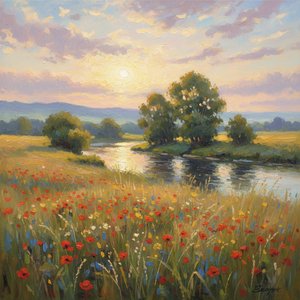
Capturing Fleeting Light: A Comprehensive Exploration of Impressionistic Landscape Painting
Explore the captivating world of Impressionistic landscape painting! Discover techniques, key artists like Monet & Renoir, and its lasting influence on art history. A comprehensive guide for enthusiasts.